GLP-1 and Obesity Treatment: A Revolutionary Approach
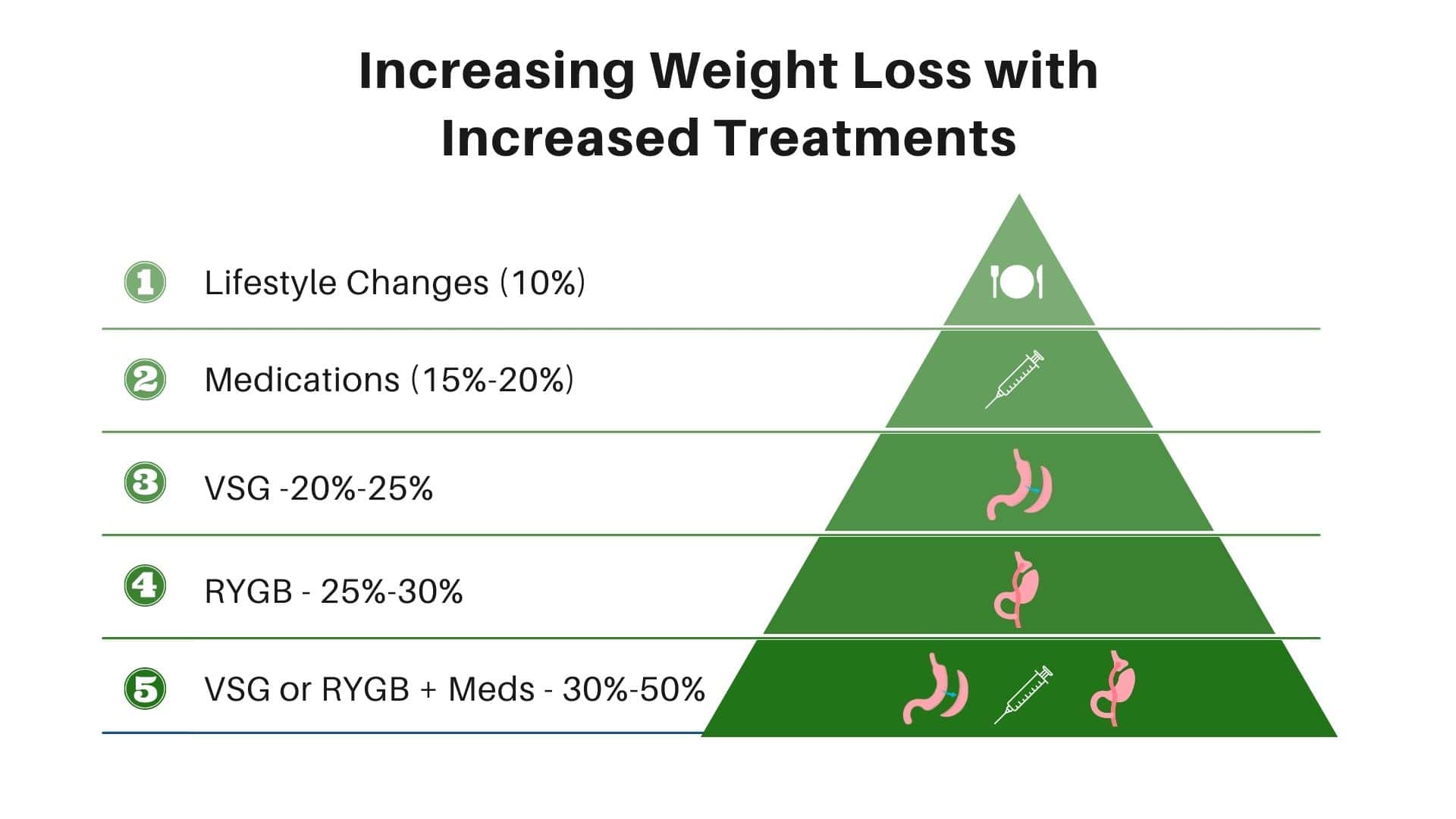
Obesity is a growing global health challenge that affects over 1 billion people worldwide. As the prevalence of obesity continues to rise, researchers and healthcare professionals are turning to new and innovative treatments to help manage this condition. One such treatment approach is the use of Glucagon-Like Peptide-1 (GLP-1) agonists, which have shown promise in helping individuals achieve significant weight loss and improve their overall health.
The Science Behind GLP-1
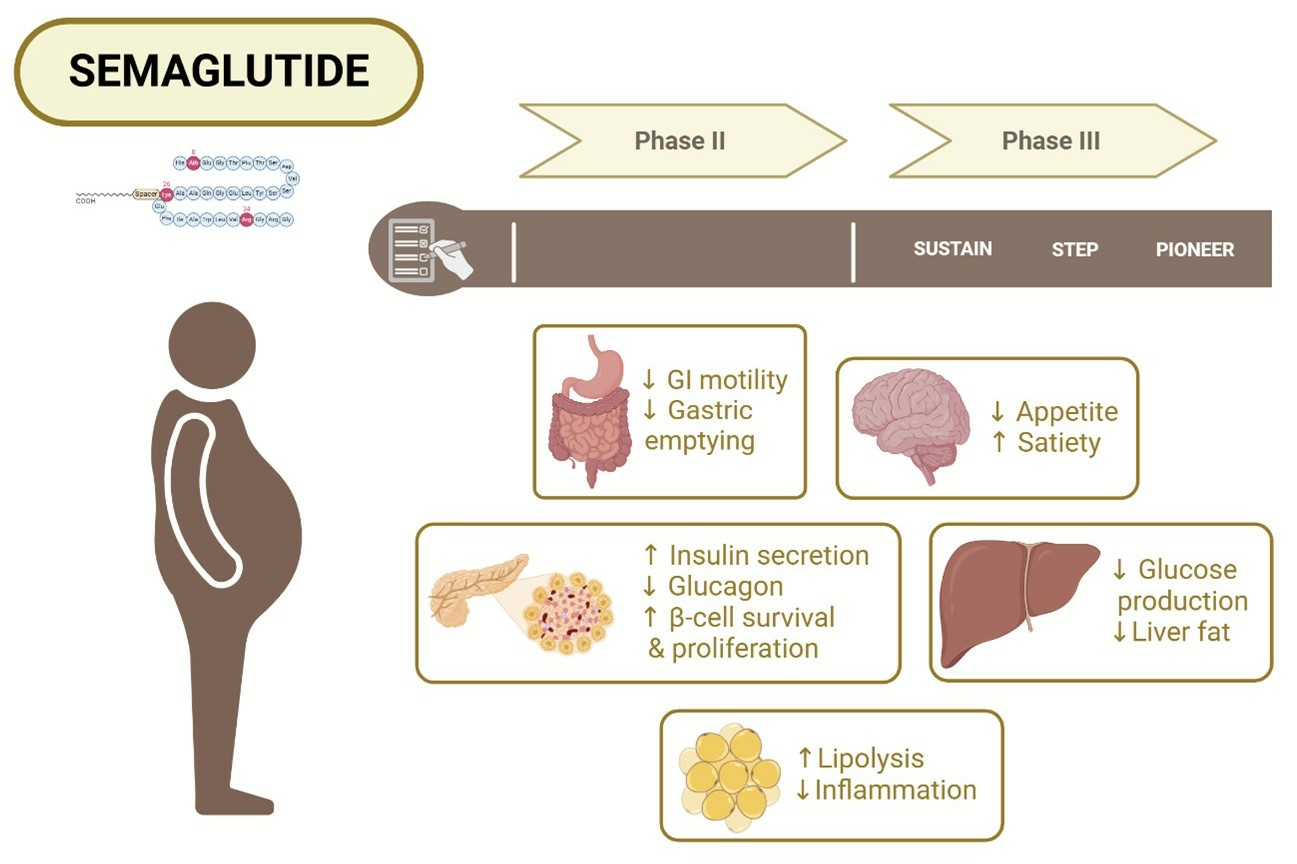
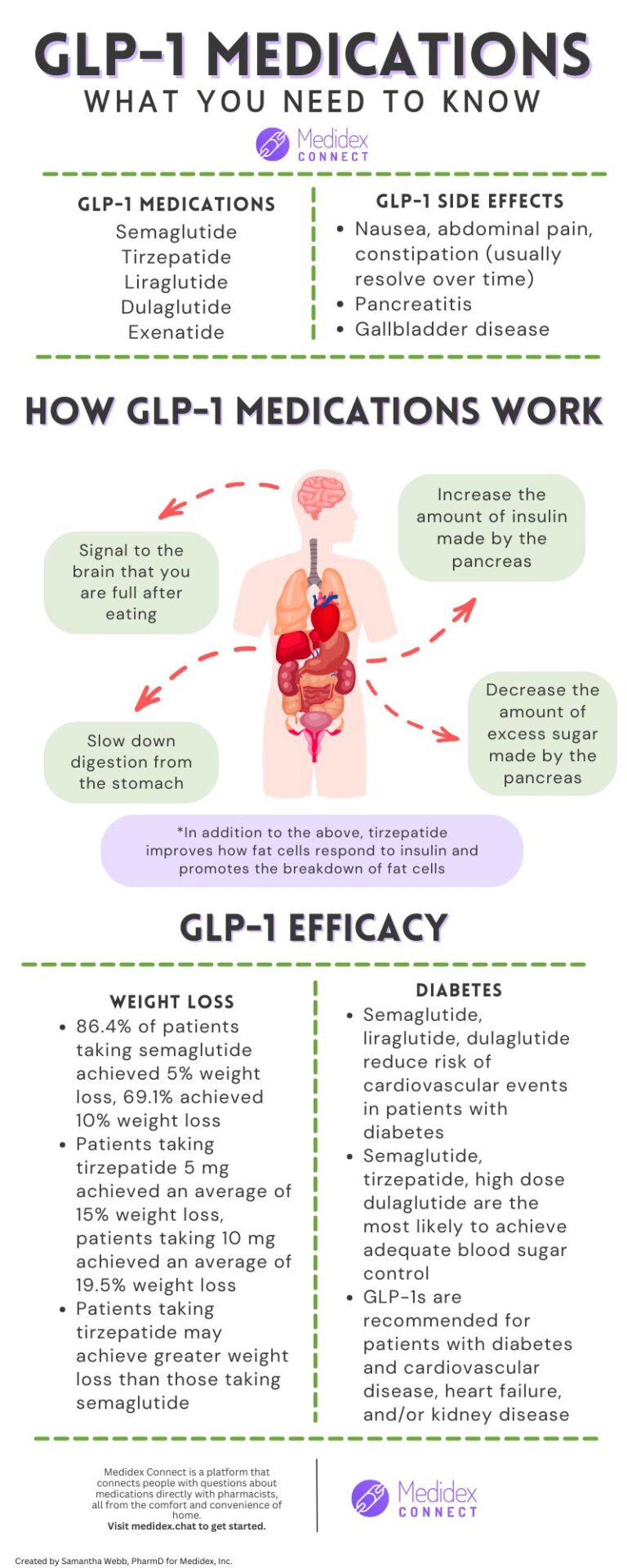
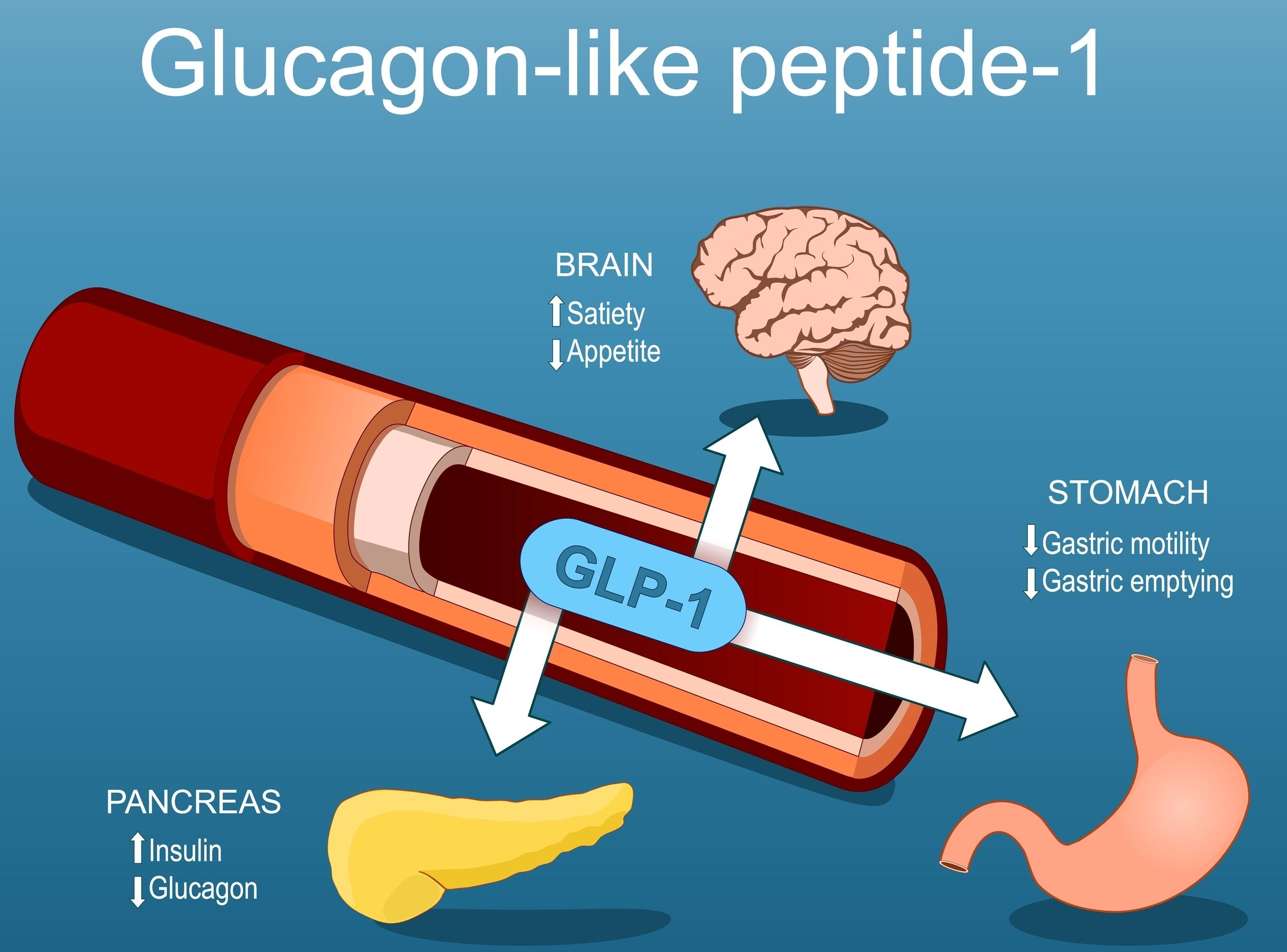
GLP-1 is a natural hormone produced by the intestines in response to food consumption. It plays a crucial role in regulating blood sugar levels and has been shown to have a number of beneficial effects on glucose metabolism and weight management. By mimicking the action of GLP-1, GLP-1 agonists can help to improve insulin sensitivity, reduce hunger, and increase feelings of fullness, leading to weight loss and improved metabolic health.

The Role of GLP-1 in Obesity Treatment
GLP-1 agonists are used to treat obesity as a chronic, relapsing disease. These medications are designed to work in conjunction with a healthy lifestyle, including a balanced diet and regular exercise, to help individuals achieve and maintain a healthy weight. By activating the GLP-1 receptors in the body, GLP-1 agonists can help to reduce hunger and increase feelings of fullness, leading to weight loss and improved metabolic health.