Unlocking the Secrets of GLP-1 and Glucose Tolerance Improvement
- Introduction
The use of GLP-1 receptor agonists has revolutionized the treatment of type 2 diabetes and obesity. GLP-1 has been demonstrated to improve glucose tolerance in animal studies and human trials, and has been shown to work synergistically with other incretin hormones in managing diabetes and weight.
GLP-1 and Glucose Tolerance Improvement: An Explainer
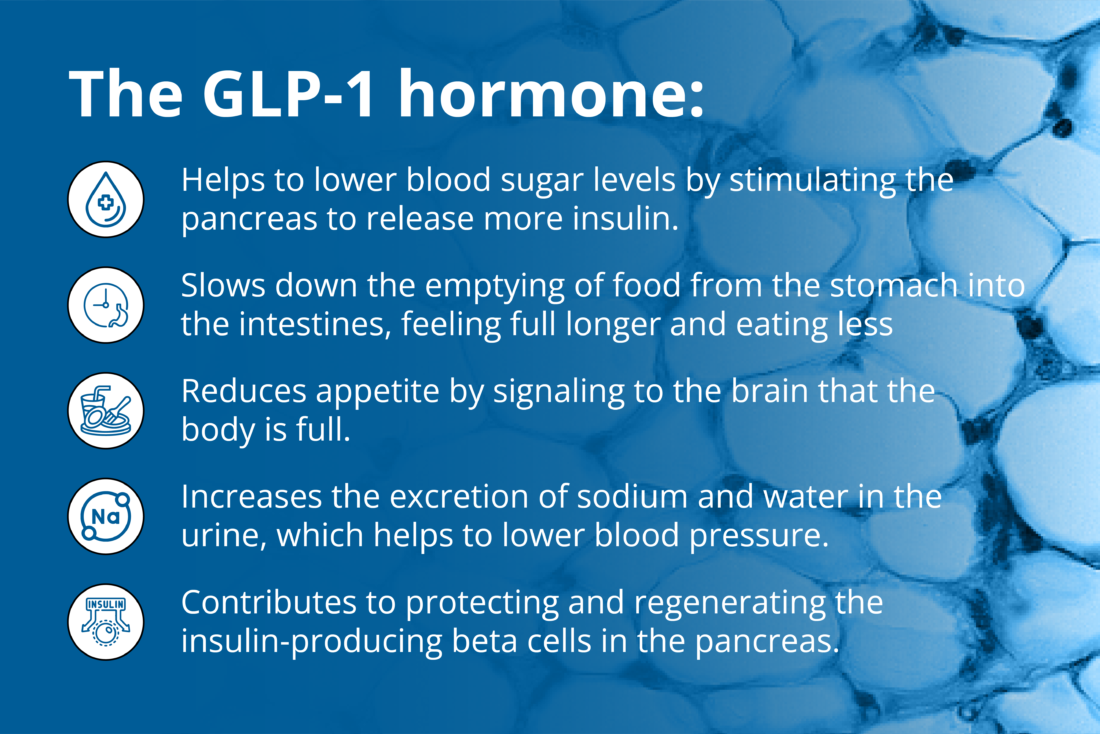
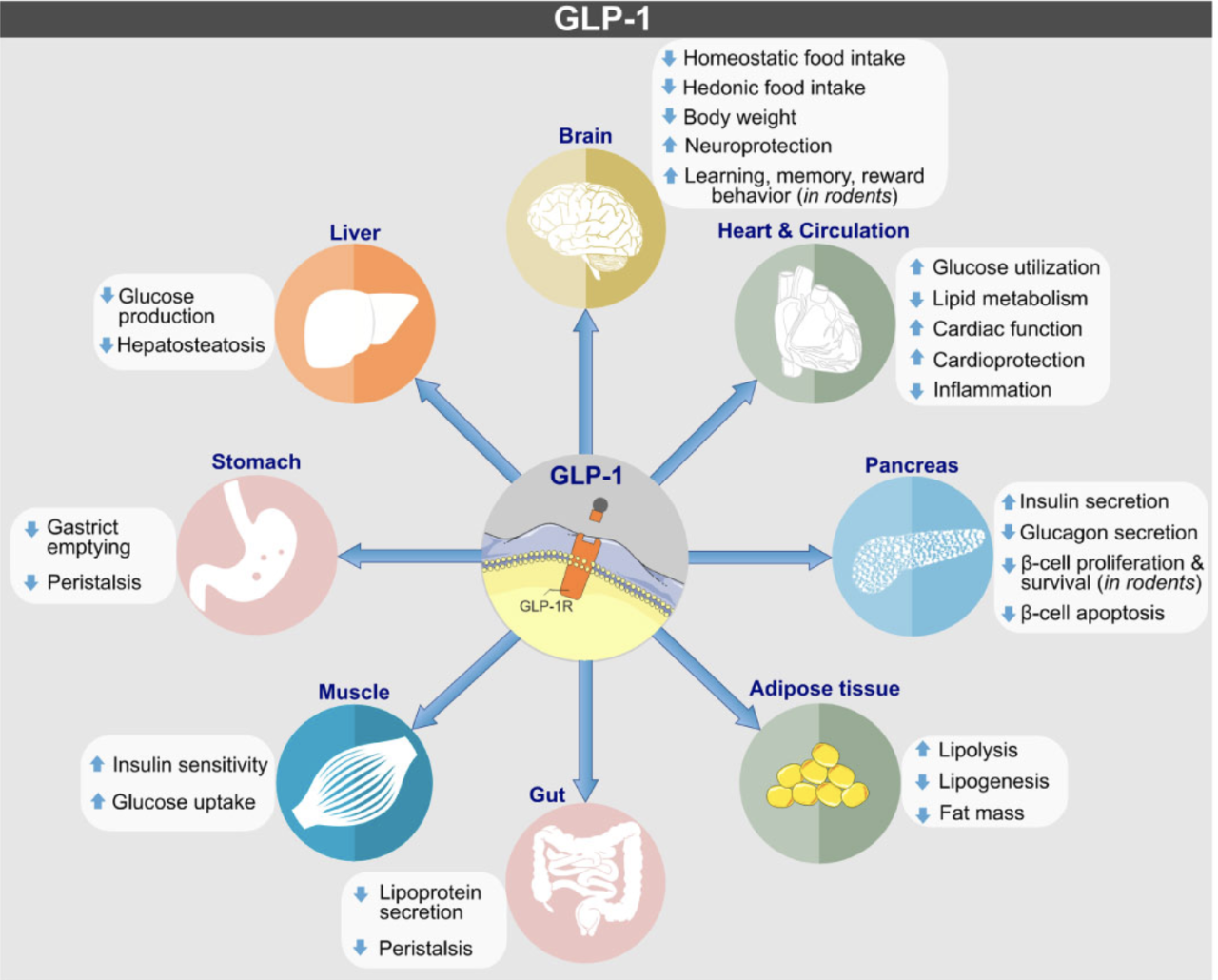
GLP-1 and glucose tolerance improvement are closely linked through a complex interplay of hormonal and metabolic pathways. GLP-1, an incretin hormone secreted by the intestinal L-cells, plays a crucial role in glucose tolerance by stimulating insulin secretion and suppressing glucagon release.

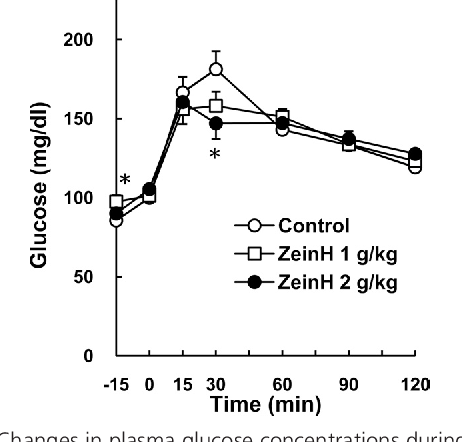
The human and animal studies have shown that dietary proteins/peptides can stimulate GLP-1 secretion, highlighting the importance of this hormone in glucose homeostasis. Moreover, GLP-1 receptor agonists have been shown to improve glucose tolerance in clinical trials, which has expanded their indications in cardiometabolic risk reduction.
Dual-Action Therapy: Tirzepatide and Ozempic
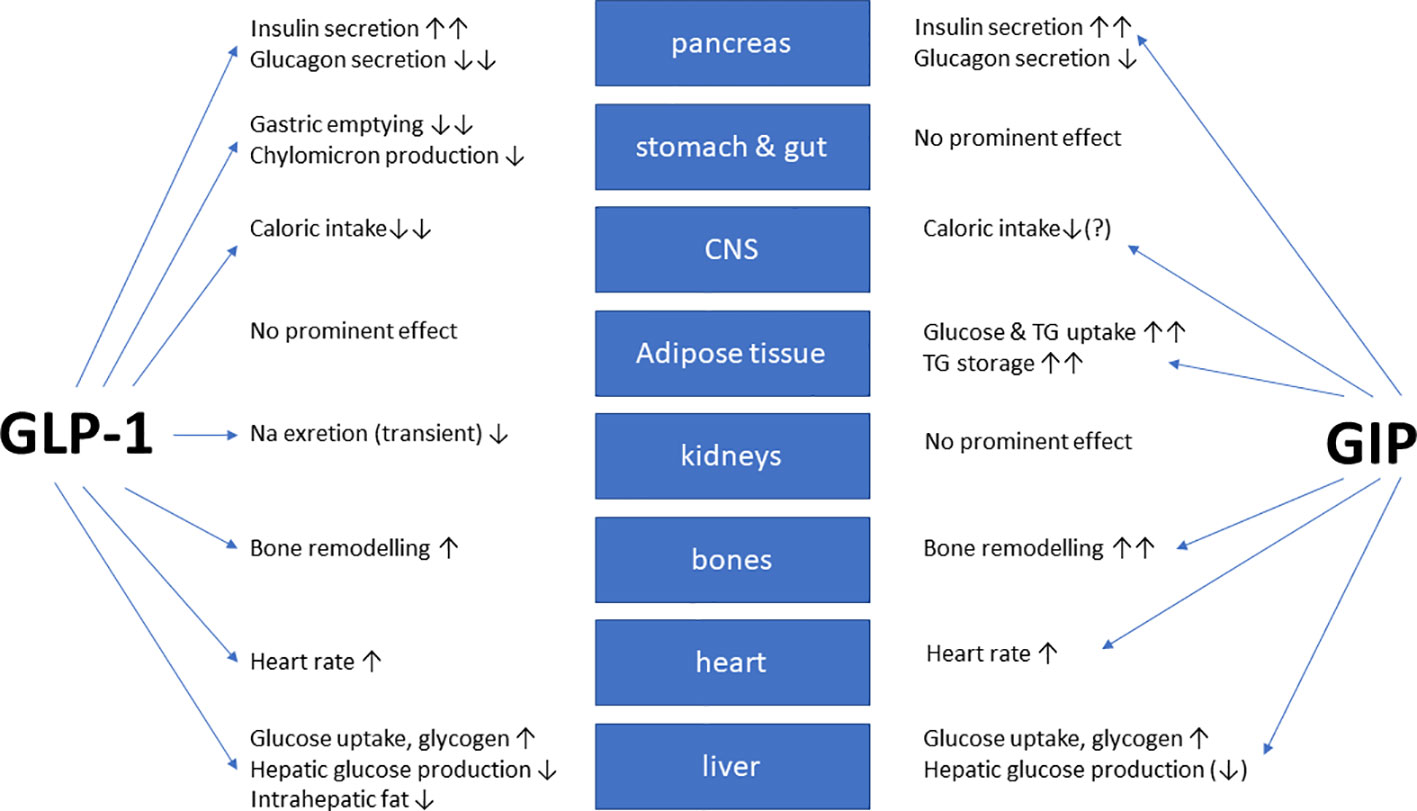
Tirzepatide, a dual GLP-1 and GIP receptor agonist, has shown remarkable efficacy in managing type 2 diabetes and obesity. Its dual-action mechanism on the GIP and GLP-1 receptors enhances insulin secretion and slows gastric emptying, contributing to improved glucose tolerance and appetite suppression. Ozempic (semaglutide), on the other hand, mimics GLP-1 action by controlling appetite, insulin, and digestion.