Improve Insulin Sensitivity with GLP-1: Unlocking the Secrets of Good Metabolism
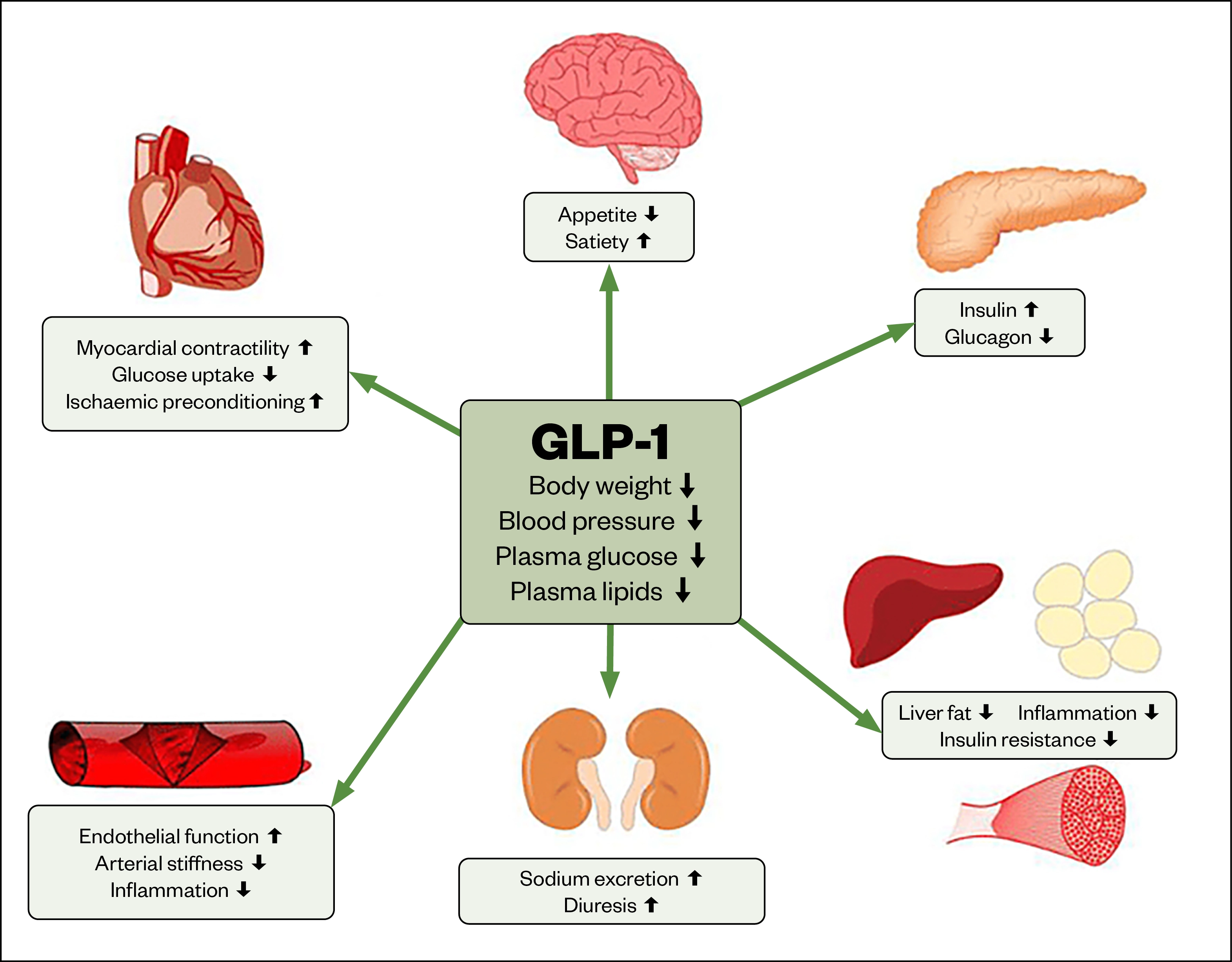
In recent years, research has shed light on the critical role played by GLP-1 (Glucagon-Like Peptide-1) in regulating our metabolism and responsiveness to insulin. GLP-1, an incretin hormone produced by the gut, has emerged as a key player in managing blood sugar levels, weight, and overall health.
The Science Behind GLP-1 and Insulin Sensitivity
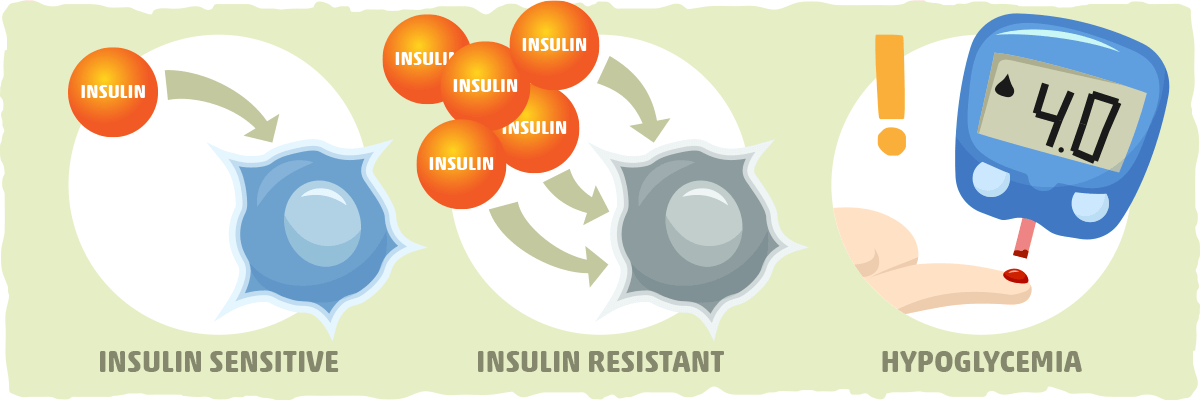
GLP-1 receptors are found on the surface of pancreatic beta cells, which produce insulin. When GLP-1 binds to its receptor, it triggers a series of signaling pathways that lead to the release of insulin. Regular GLP-1 signaling improves insulin sensitivity, enabling cells to take up glucose more efficiently.

Improve Insulin Sensitivity with GLP-1: Strategies and Tips
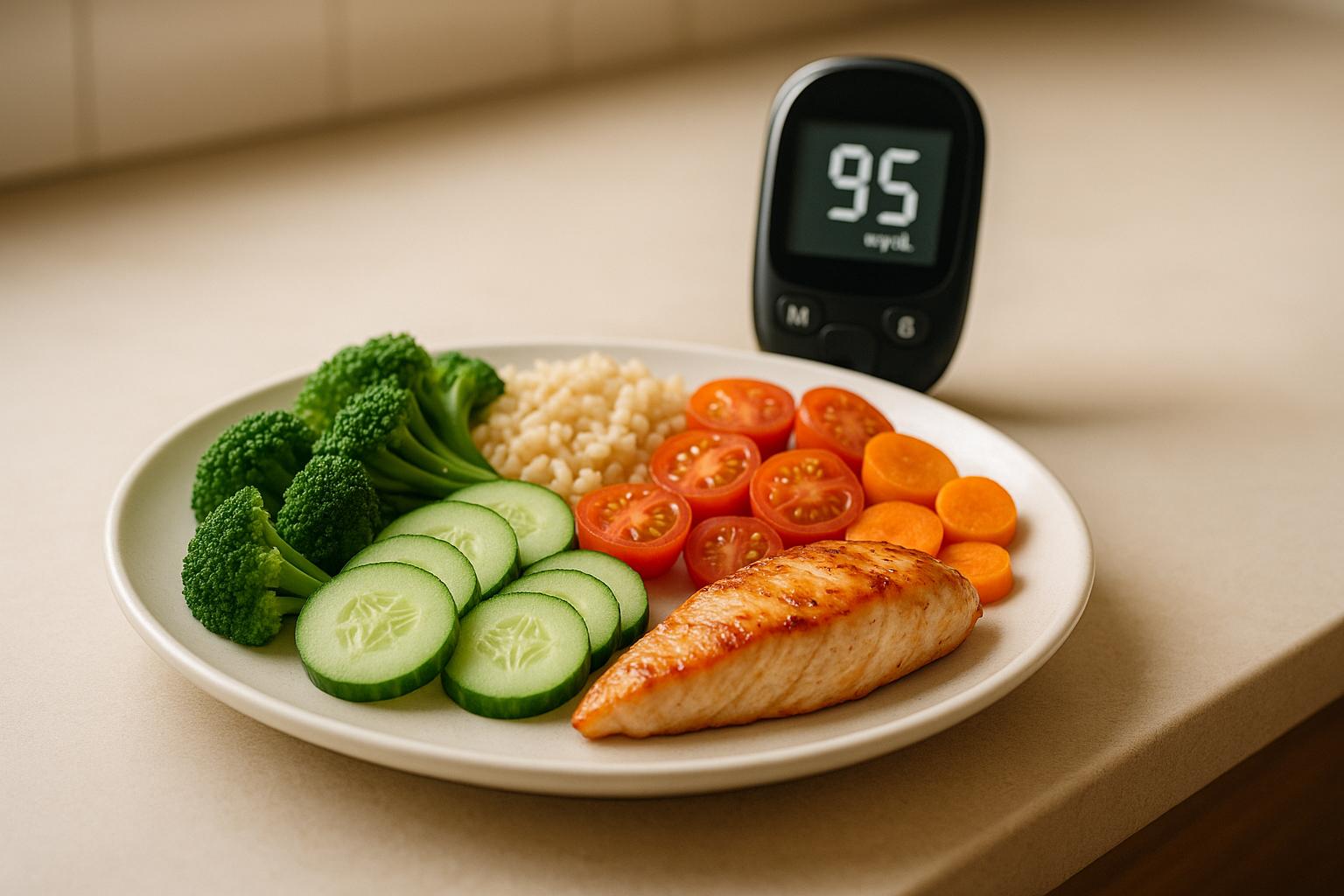
Focus on whole foods and fiber: Whole, plant-based foods are rich in fiber, which helps stimulate GLP-1 release. Aim to include fiber-rich foods like fruits, vegetables, whole grains, and legumes in your diet.
Exercise regularly: Both aerobic and resistance training have been shown to improve insulin sensitivity and increase GLP-1 sensitivity in tissues. Build muscle mass, as it enhances metabolic rate and glucose uptake.
Avoid refined carbohydrates and added sugars: Consuming too much refined sugar can lead to insulin resistance, which can be reversed by adopting a balanced diet and regular exercise.
Monitor and manage stress: Chronic stress impairs GLP-1 and insulin signaling, leading to decreased insulin sensitivity. Engage in stress-reducing activities like yoga, meditation, or deep breathing.