Understanding the Concept of Trade Mark Opposition Australia
What is a trade mark opposition in Australia? Once a decision has been made to accept a trade mark application, anyone can disagree with the decision and make a formal objection. This is called a trade mark opposition. This usually happens during the two months' notice period, during which your application details are published on the Australian Trade Marks Register before it's officially registered.
Common Reasons for Trade Mark Opposition
There are several reasons why a trade mark opposition can be raised in Australia. These include:
- That the trade mark is too similar to an existing trade mark
- That the proposed use of the trade mark may cause confusion among consumers
- That the trade mark applicant does not have the right to register the mark
- That the trade mark applicant is not the owner of the mark
- That the specification of goods and services is too broad or unclear

Initiating a Trade Mark Opposition in Australia
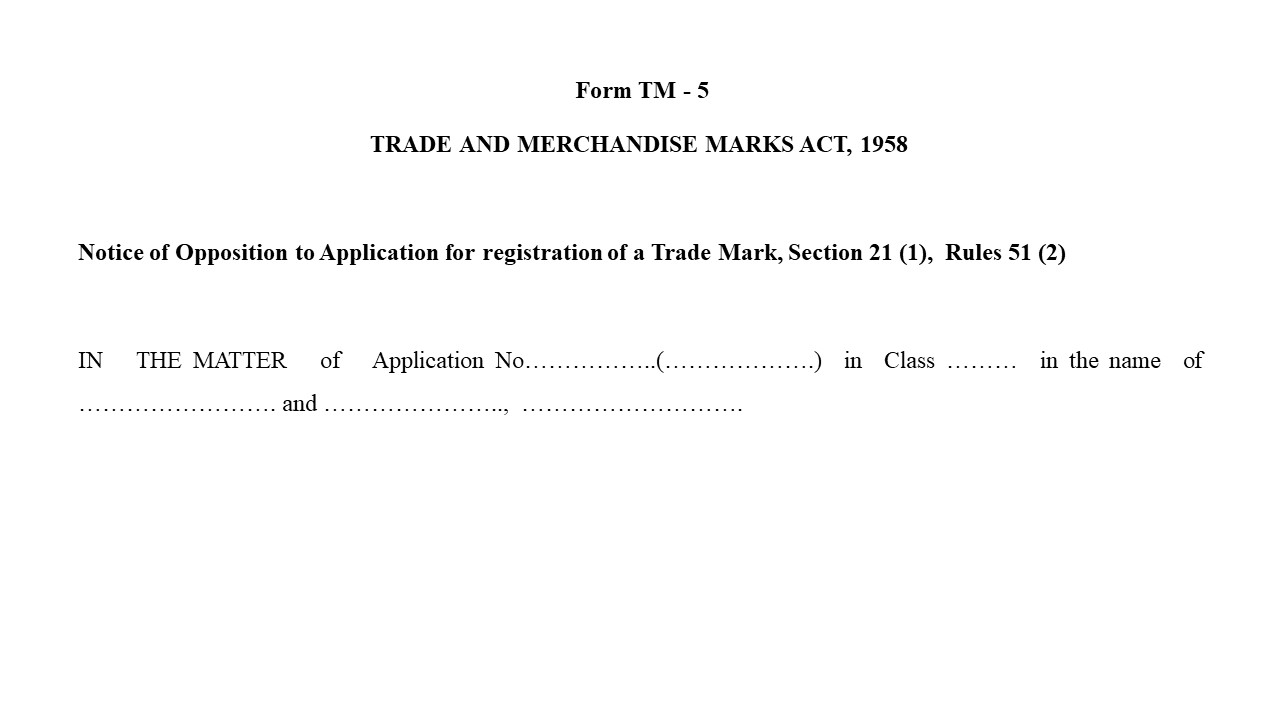
In Australia, any person with legal personality can oppose the registration of a trade mark or the extension of protection to an International Registration designating Australia (IRDA) by filing a notice of opposition. A notice of opposition means a notice of intention to oppose and a statement of grounds and particulars.