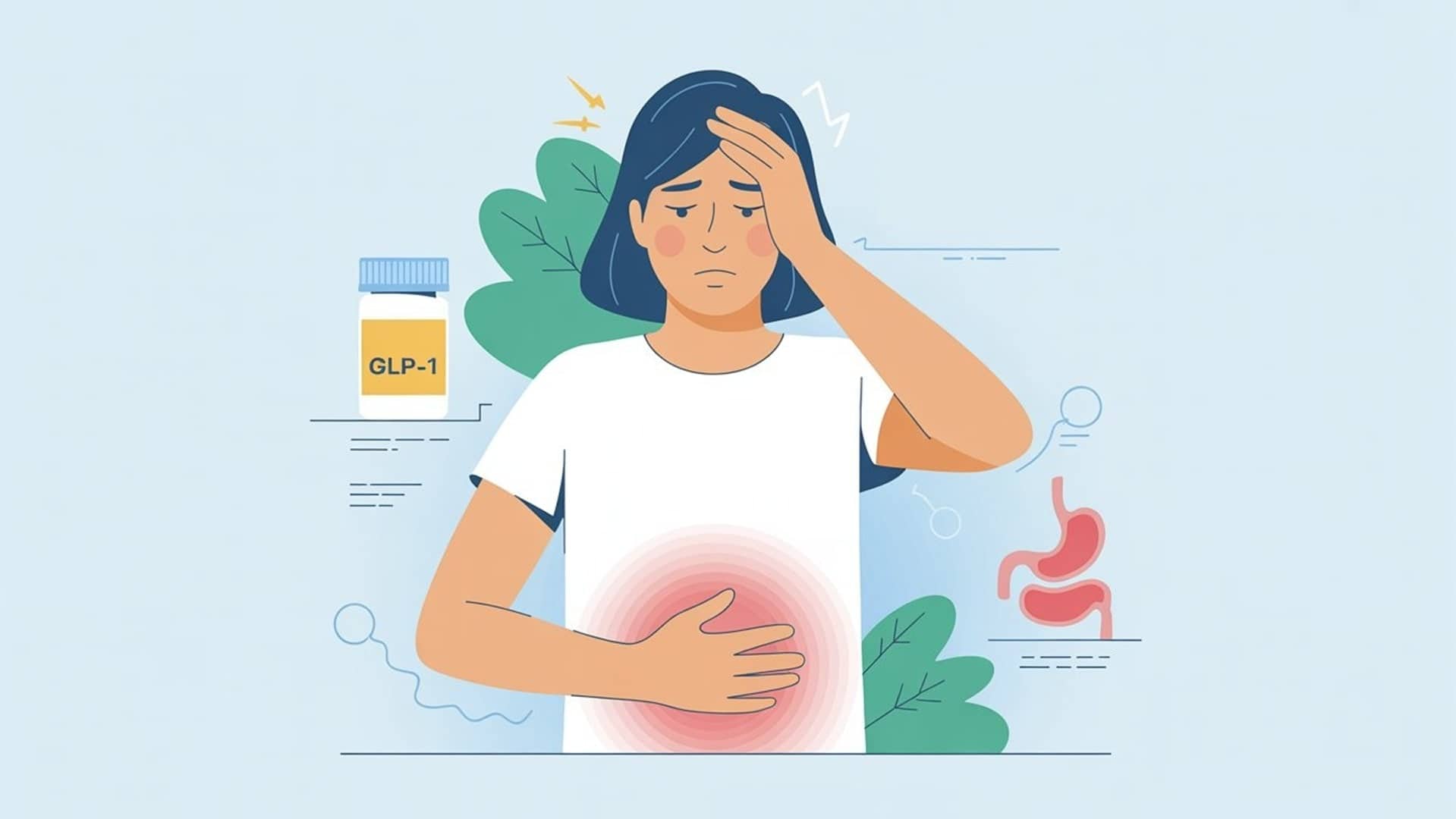
Prenatal Nutrition and GLP-1: Understanding the Connection
As the use of glucagon-like peptide-1 (GLP-1) receptor agonists and sodium-glucose co-transporter-2 (SGLT2) inhibitors continues to rise in the treatment of type 2 diabetes and obesity, concerns have grown about their safety during pregnancy and lactation. This article aims to explore the relationship between prenatal nutrition and GLP-1, discussing the available research and expert opinions on the topic.
The Role of GLP-1 in Pregnancy
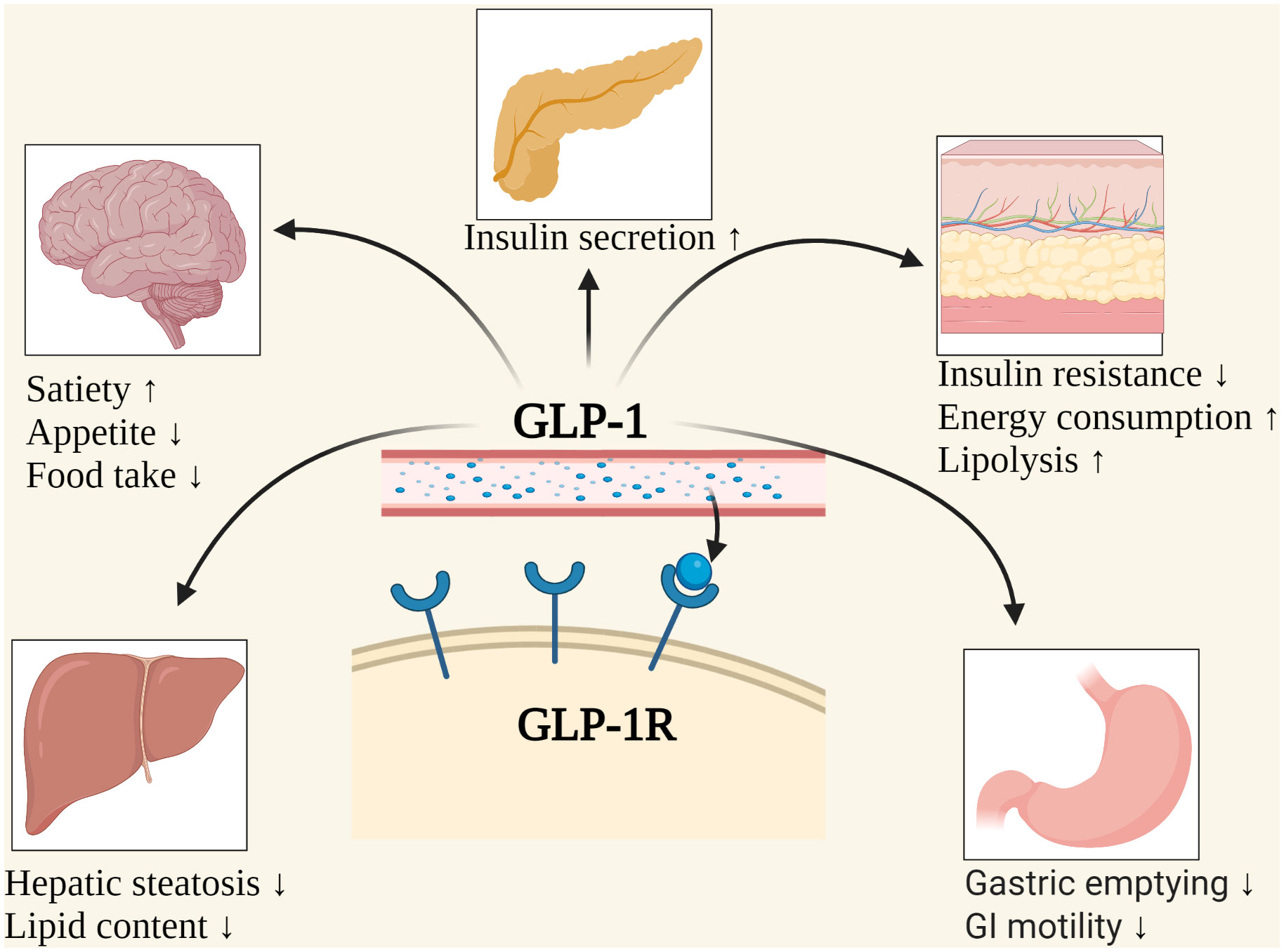
GLP-1 is a hormone that plays a crucial role in glucose metabolism and weight regulation. During pregnancy, the demand for glucose increases, and the body adapts by producing more insulin. However, in women with pre-existing type 2 diabetes, the use of GLP-1 receptor agonists and SGLT2 inhibitors has raised concerns about potential effects on fetal development and maternal nutrition.

The Impact of GLP-1 on Fetal Development
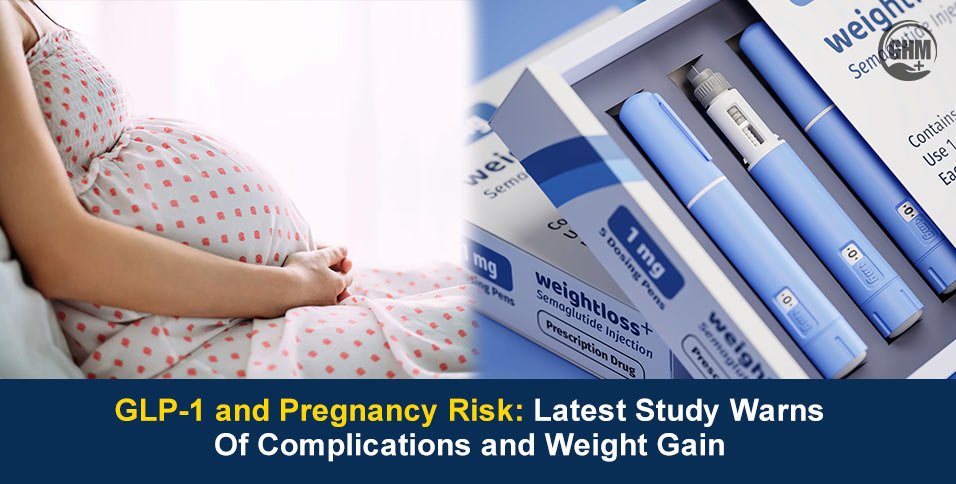
Research suggests that GLP-1 receptor agonists and SGLT2 inhibitors may affect fetal development, particularly in the early stages of pregnancy. A systematic review of the evidence found that these medications may increase the risk of congenital malformations, preterm birth, and low birth weight. However, more studies are needed to confirm these findings and determine the optimal timing and dosage for GLP-1 use during pregnancy.