Carbon Credit Standardization: Unlocking the Potential of Corporate Climate Action
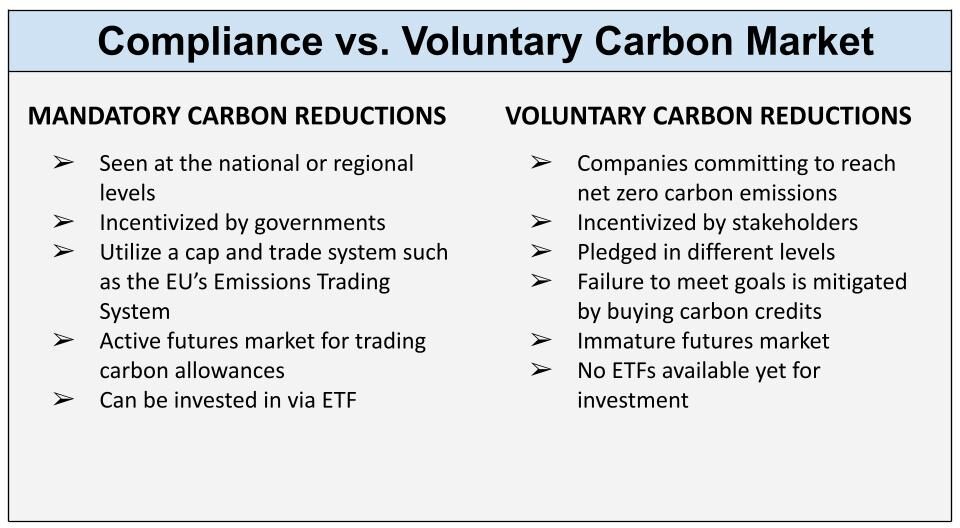
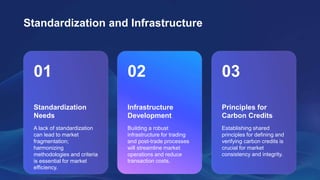
The rapidly growing global demand for corporate climate action is transforming the way companies manage their greenhouse gas emissions. To tackle the complex challenges posed by climate change, manufacturers, governments, and financial institutions are turning to carbon credits as a key tool for mitigating carbon emissions. However, the lack of standardization in carbon credit data hinders the effectiveness of these efforts.
The Imperative for Carbon Credit Standardization
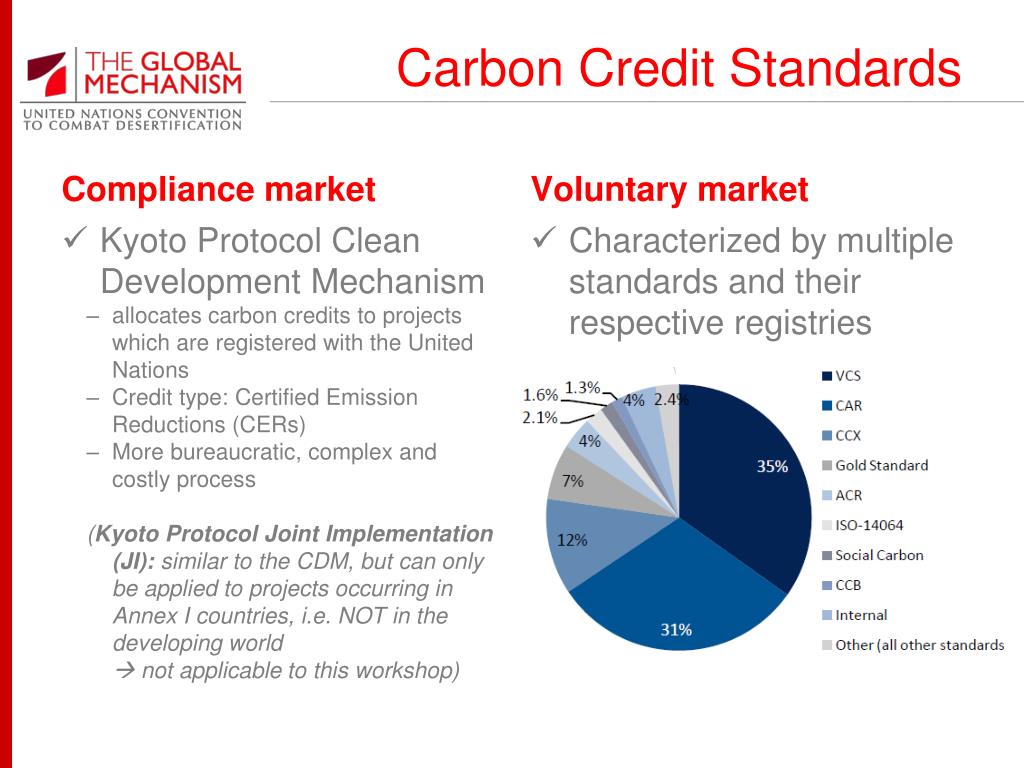
Critical carbon credit standardization ensures a reliable and transparent system for quantifying and trading carbon emissions reductions, fostering trust and investment in climate mitigation efforts. In an era where climate change requires coordinated global action, this standardization is the critical step companies must take to ensure they promote environmental performance and efficient emission reduction.
Current Challenges in Carbon Credit Markets

- Lack of Standardization: Exacerbates fragmentation and complexity
- Ensuring Integrity of Carbon Credits: Strict verification and monitoring requirements
- Price Volatility: Impact on market demand and supply fluctuations
- Limited Representation of Project Types: Critical coverage of emission reduction opportunities
- Insufficient Market Demand: Over-saturation, leading to devaluation
Understanding Carbon Credits: Definition and Importance
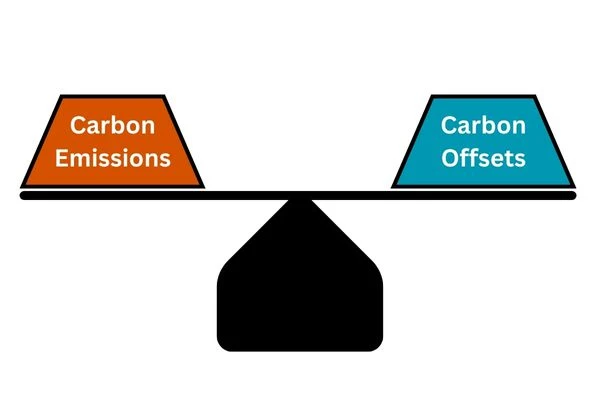
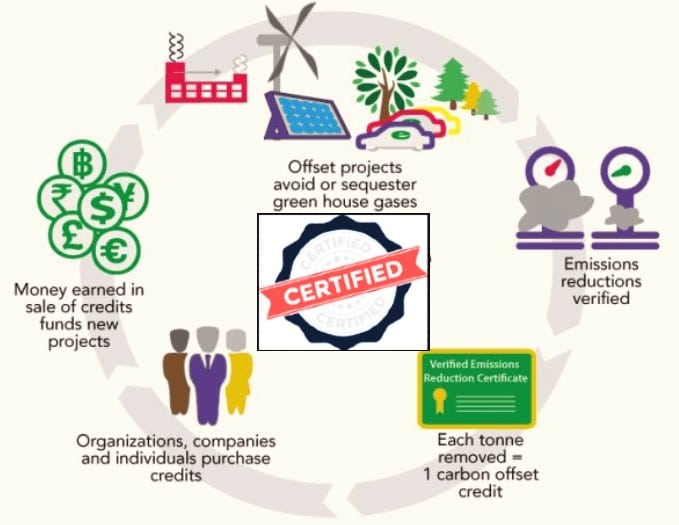
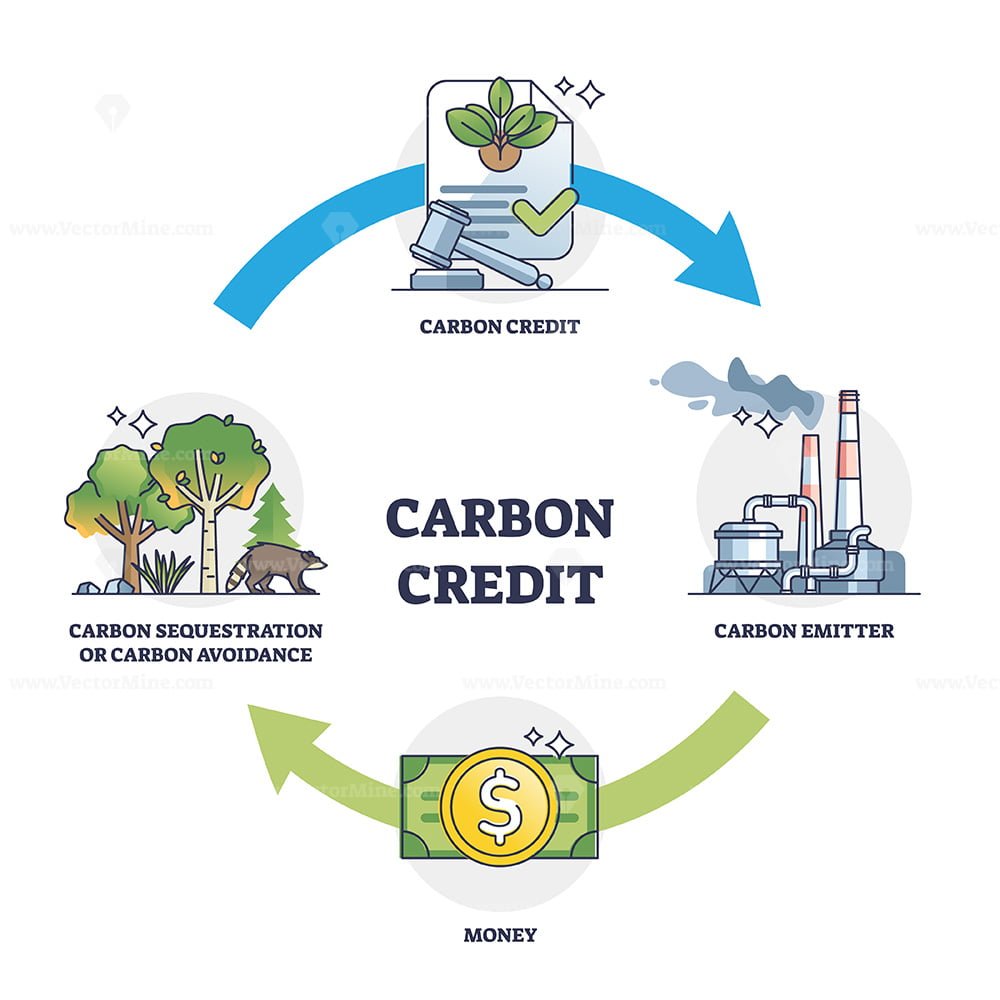
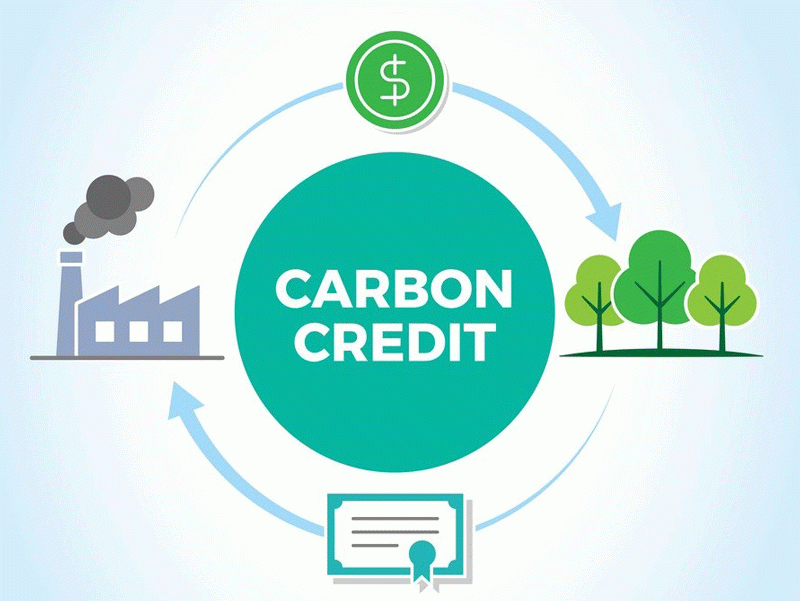
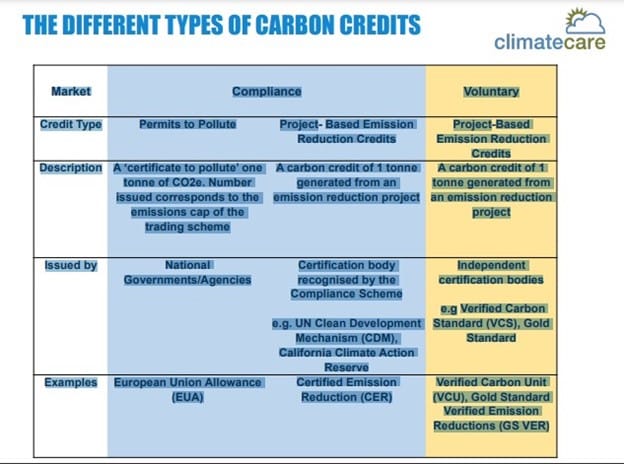
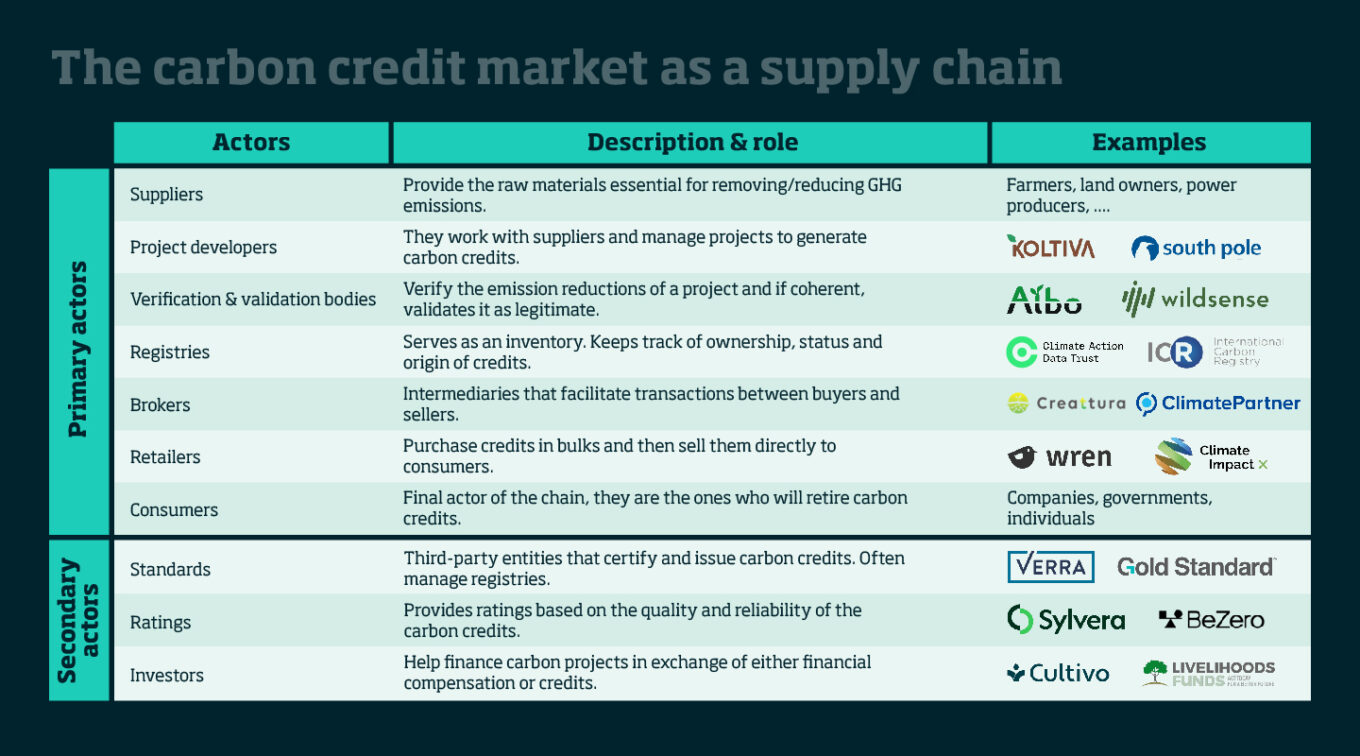
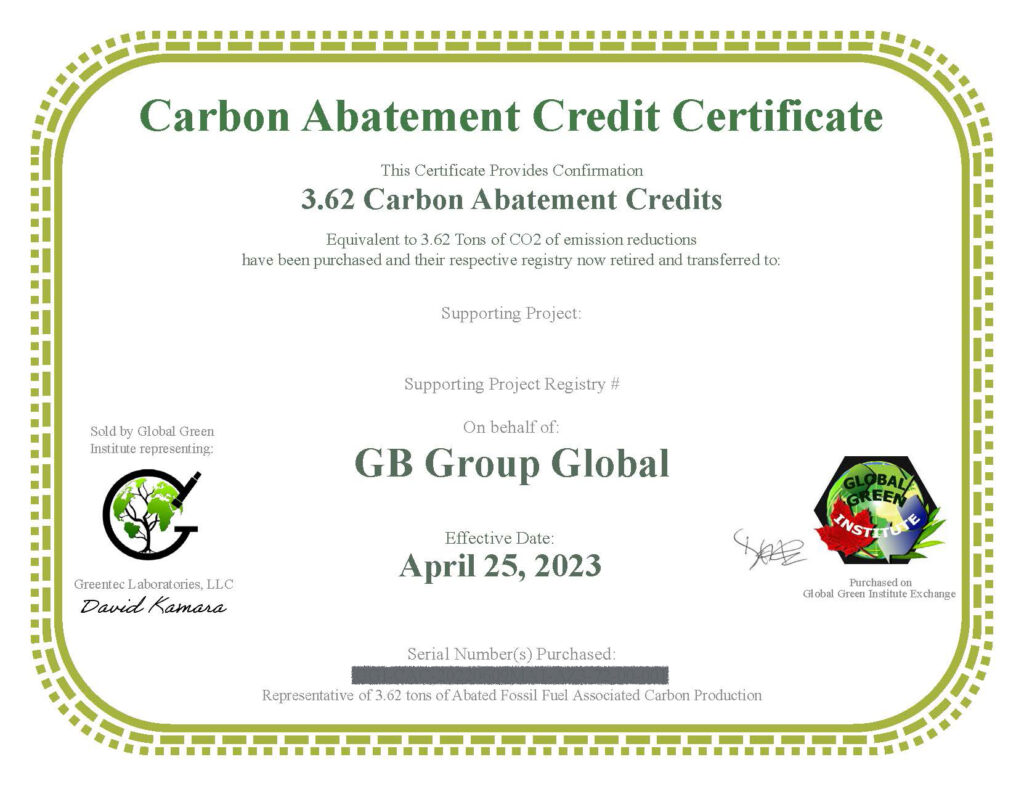
Carbon credits are tradable certificates that represent one metric ton of carbon dioxide equivalent reduced, avoided, or removed. They are used alongside emissions allowances and company actions to manage greenhouse gas footprints effectively. These certificates enable buyers to offset emissions from activities by funding projects that reduce or remove GHGs.










:max_bytes(150000):strip_icc()/Carbon-markets-7972128_final-3e1deab003104299afd27a4de367ef4b.png "Indonesia to Pilot G20-backed Carbon Data model to Strengthen Market ...")