Overeating and GLP-1 Agonist: Understanding the Connection
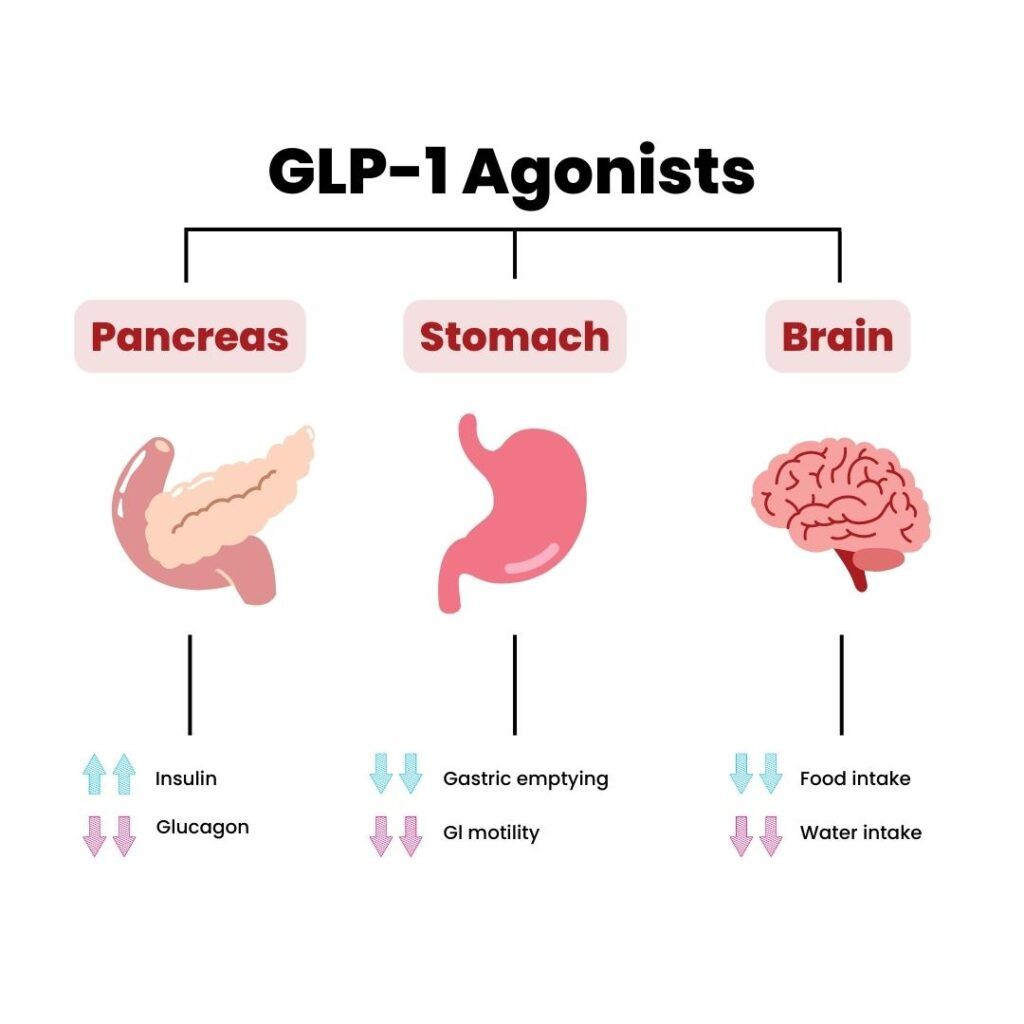
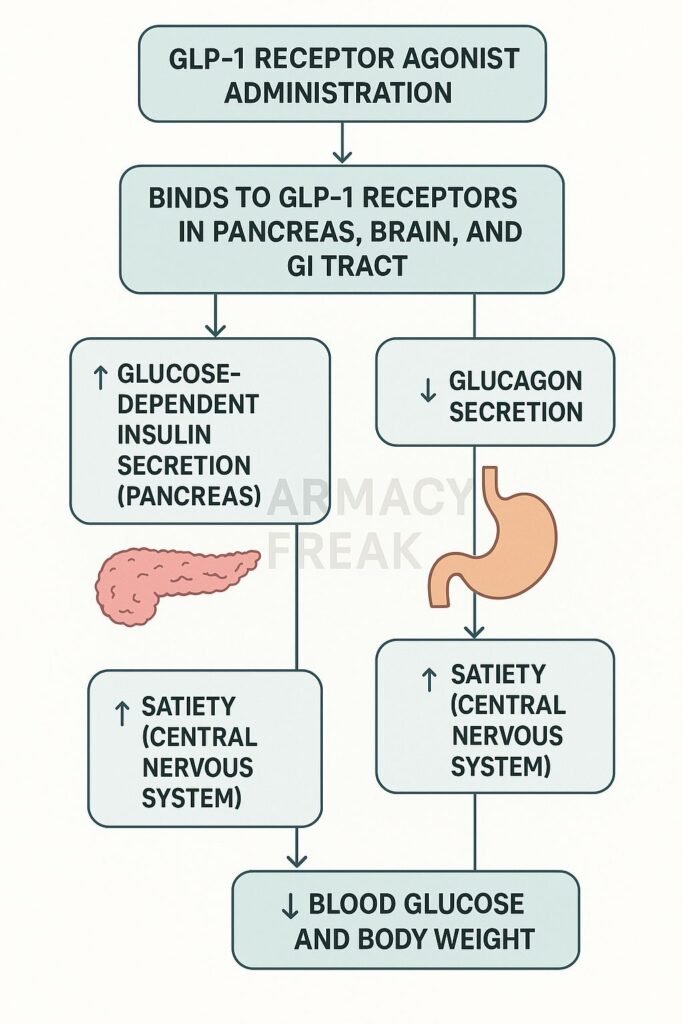
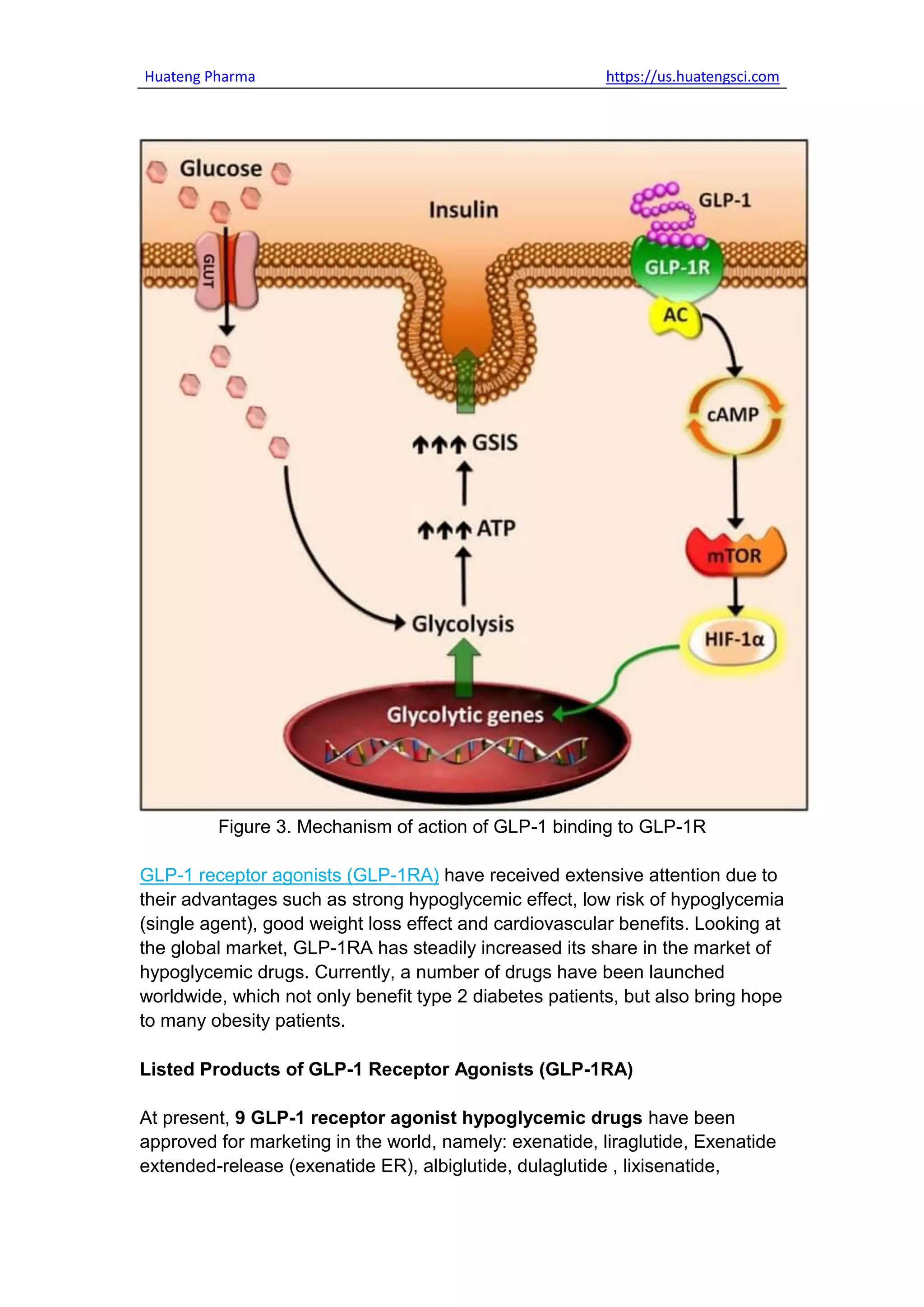
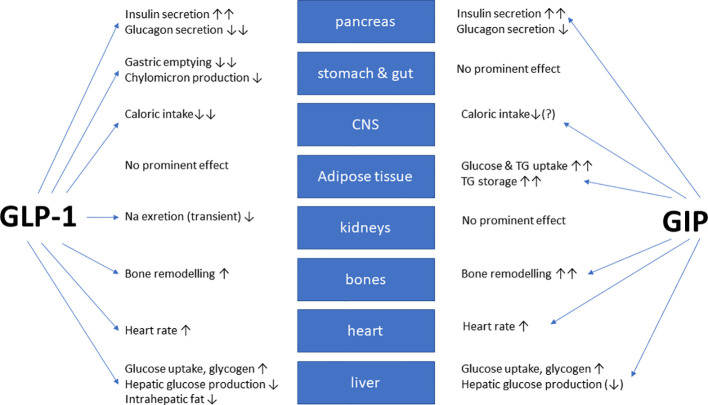
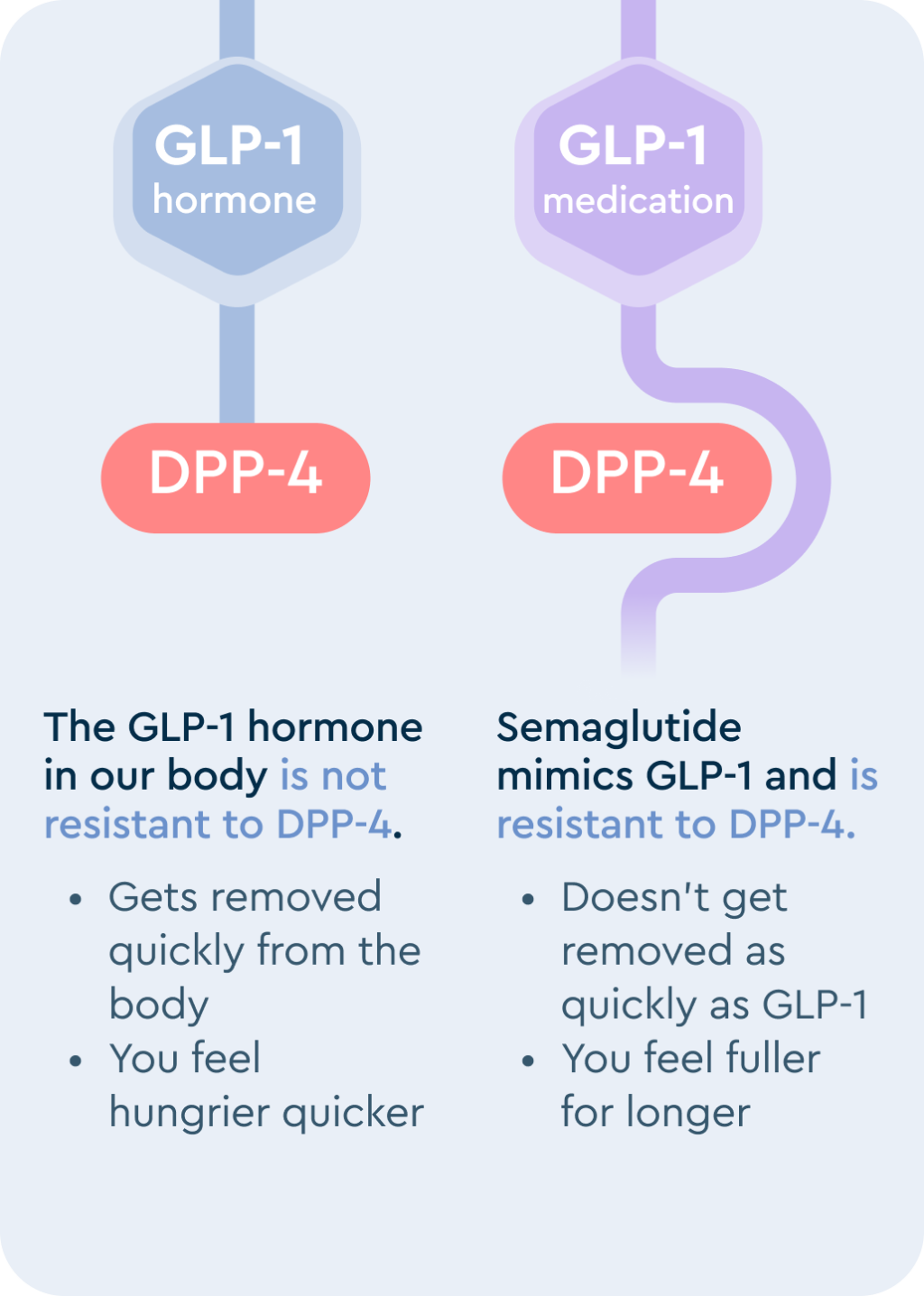
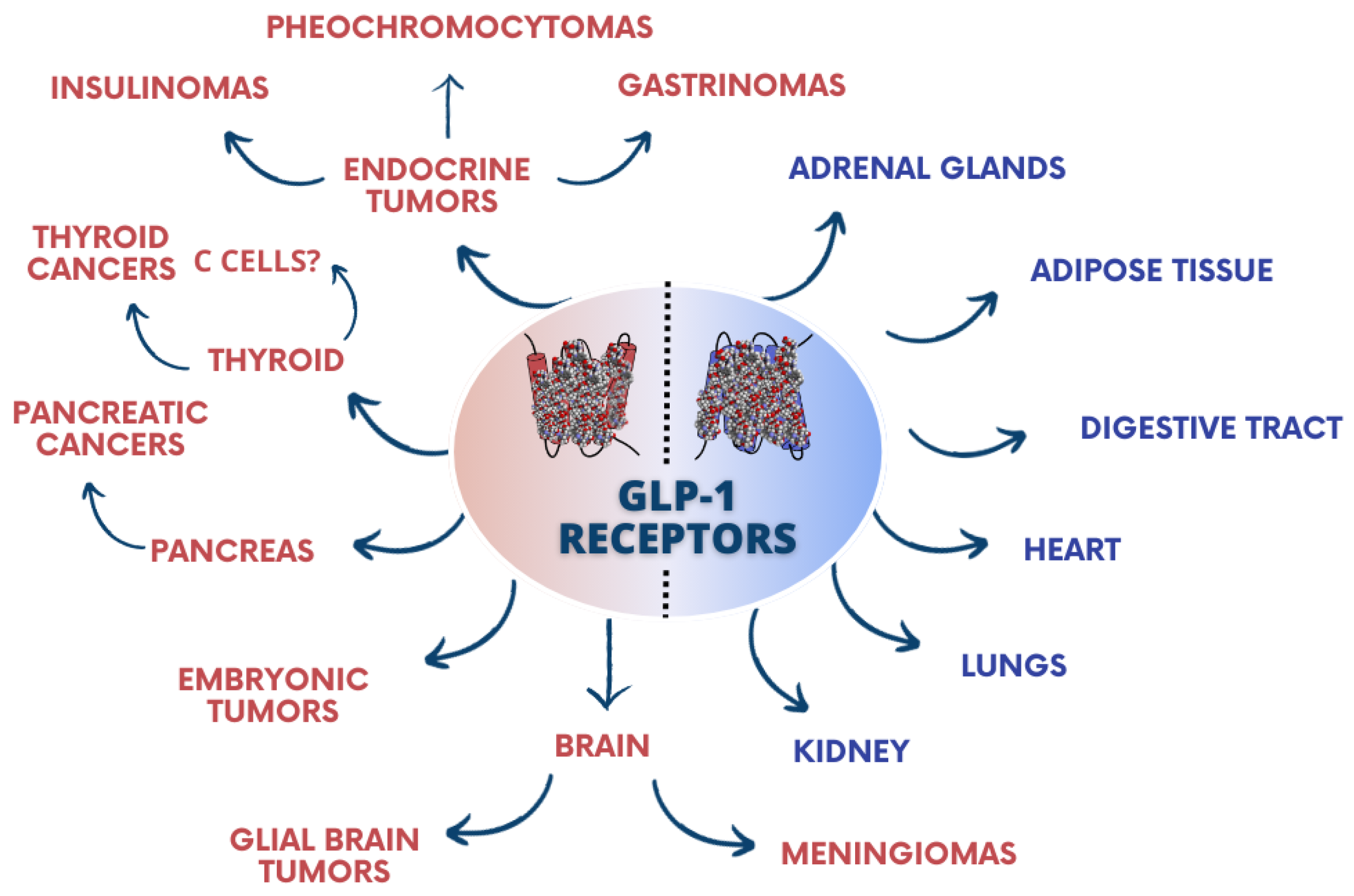
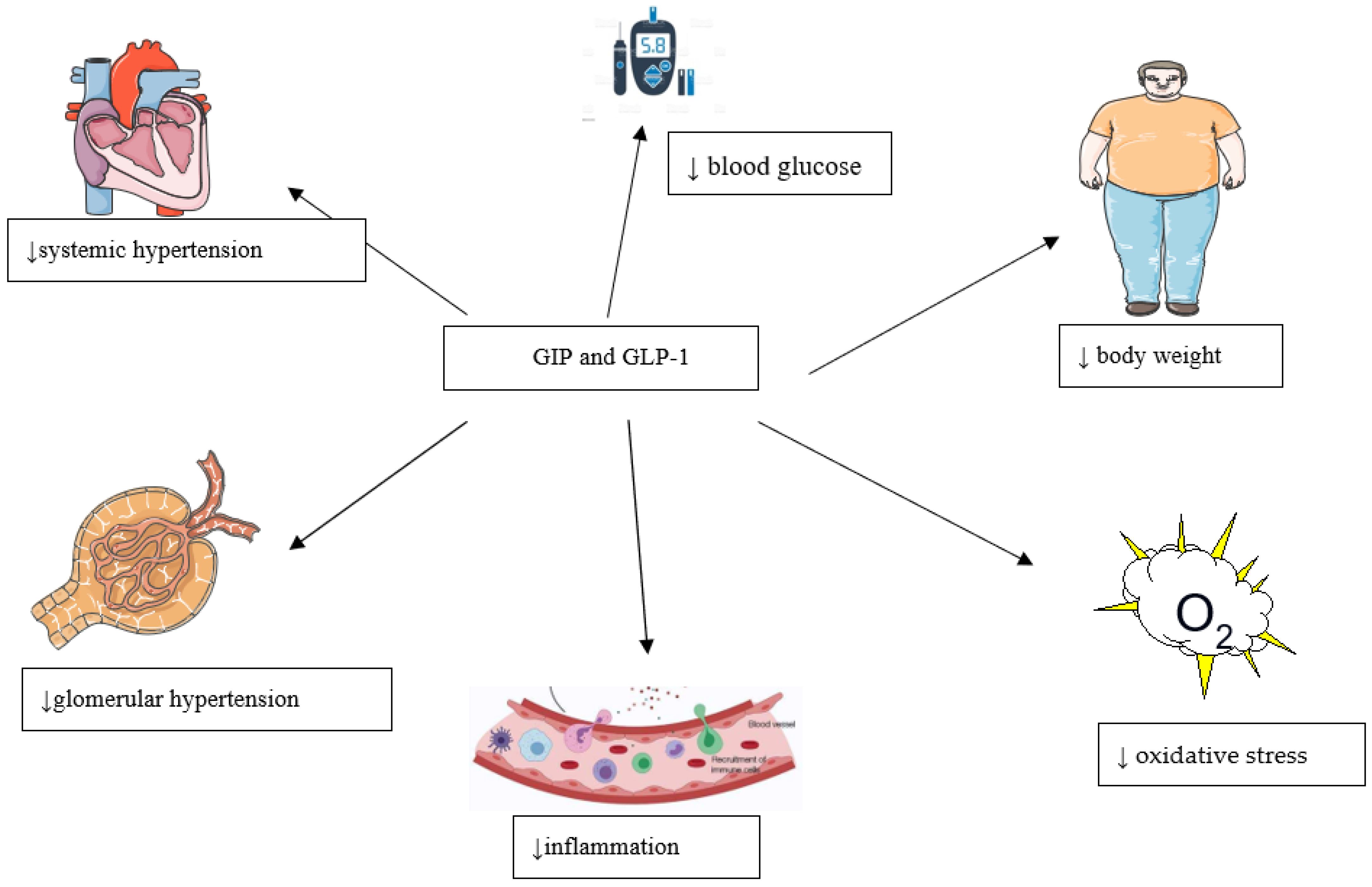
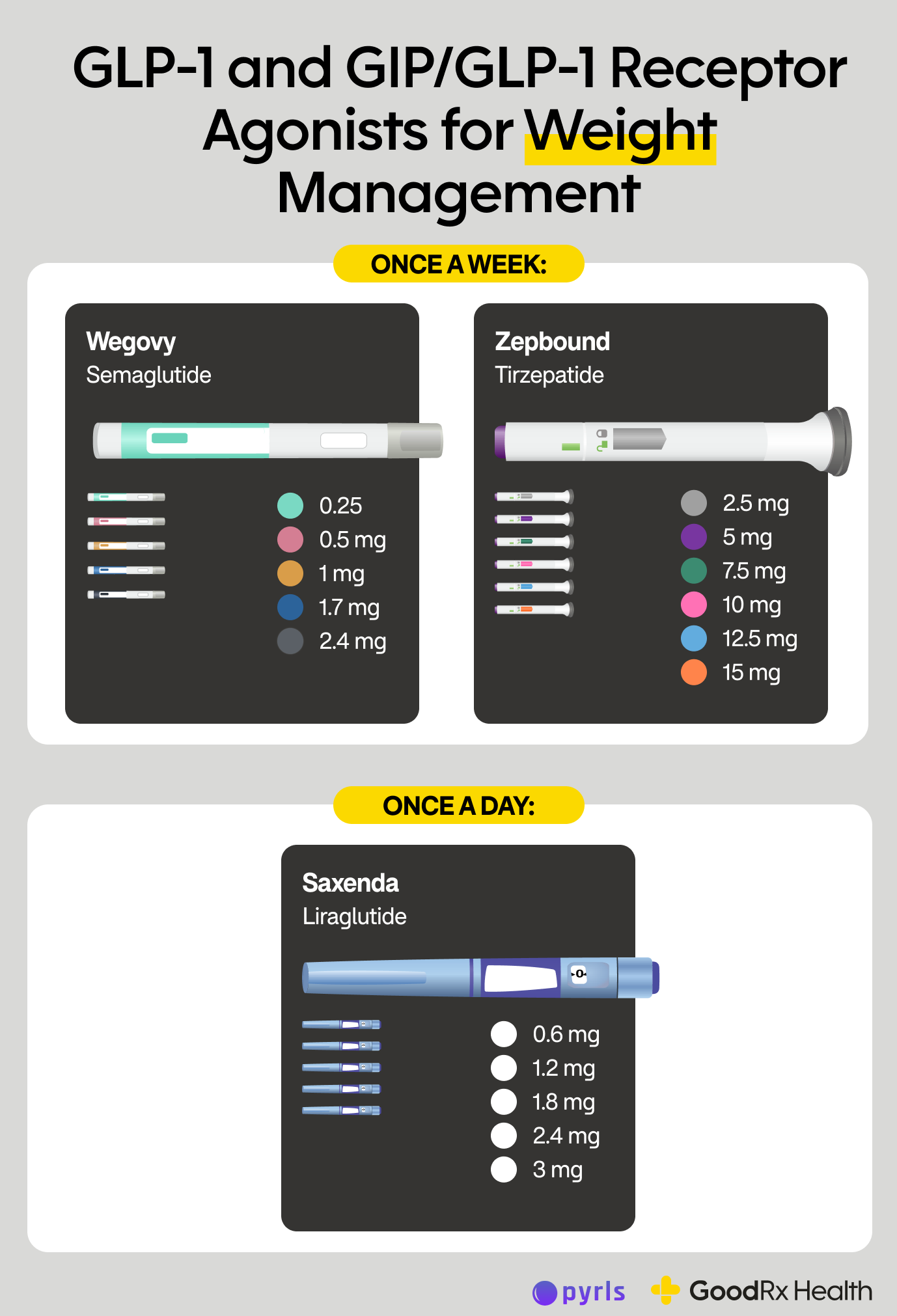
GLP-1 agonists, also known as glucagon-like peptide-1 receptor agonists, have revolutionized the therapeutic landscape of diabetes and obesity. These medications are designed to mimic the action of the naturally occurring hormone GLP-1, which stimulates insulin secretion and suppresses glucagon release. By targeting the GLP-1 receptor, GLP-1 agonists can help regulate blood sugar levels, promote weight loss, and reduce cardiovascular risks.
Why GLP-1 Agonists Can Lead to Overeating
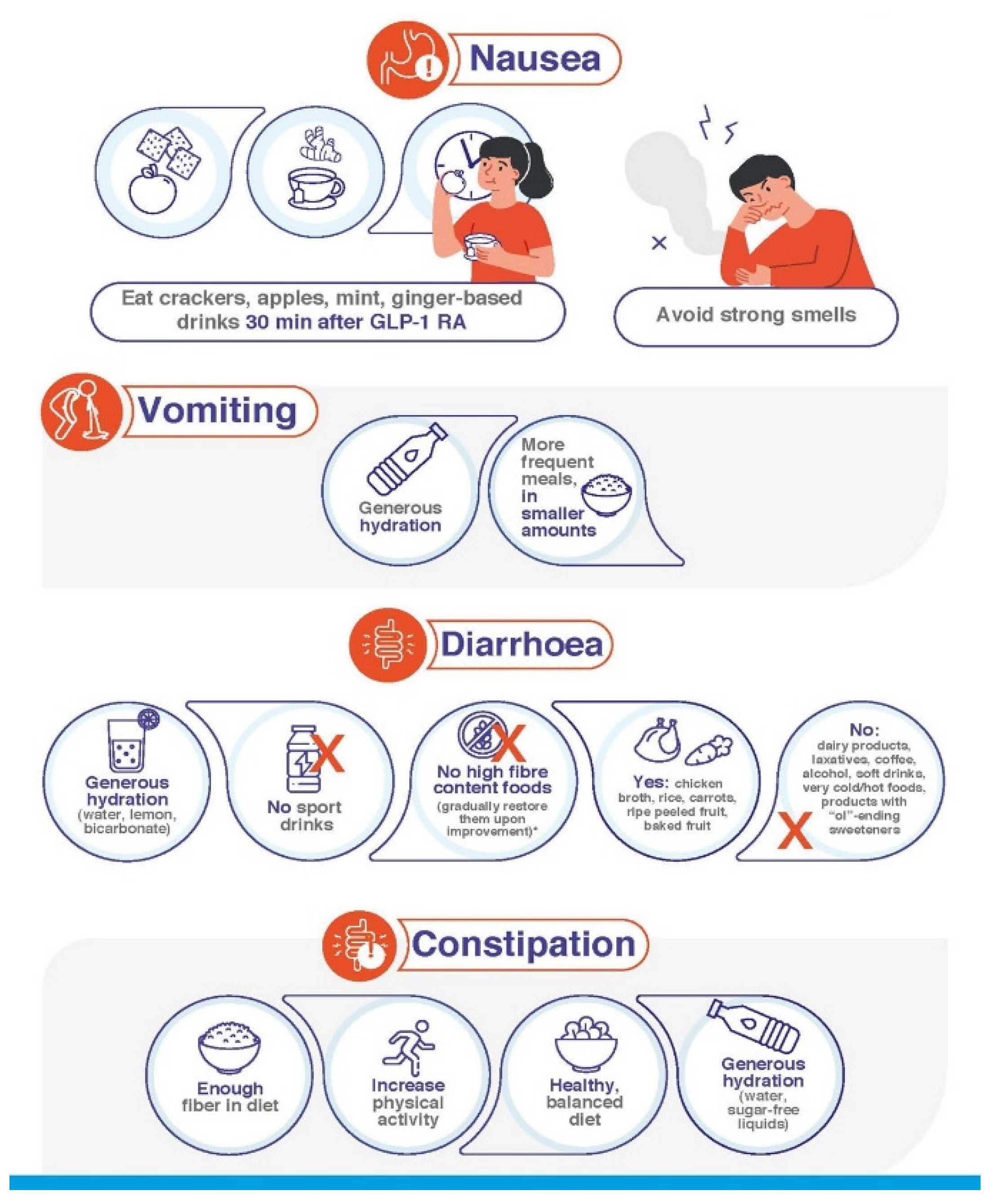
While GLP-1 agonists are effective in managing type 2 diabetes and obesity, they can also cause a range of side effects, including overeating. Overeating on GLP-1 medications typically results in uncomfortable symptoms like nausea, bloating, stomach pain, and sometimes vomiting. These side effects serve as natural deterrents to help prevent further overeating.
The mechanism behind overeating on GLP-1 agonists is complex, but it's thought to be related to the way these medications affect the brain and the body's signaling systems. GLP-1 agonists slow digestion and reduce appetite, but they don't rewire the emotional or behavioral responses to food, making it possible for individuals to continue overeating despite the physical sensations of fullness.
Common Side Effects of GLP-1 Agonists
- Nausea
- Bloating
- Stomach pain
- Vomiting