Unlocking the Secrets of GLP-1 and Glucose Homeostasis Improvement
Glucose homeostasis is a delicate balance of various physiological processes that regulate blood glucose levels. One key player in this intricate dance is glucagon-like peptide-1 (GLP-1), a peptide hormone that plays a vital role in modulating glucose metabolism, insulin secretion, and energy balance. In this article, we will delve into the world of GLP-1 and its role in improving glucose homeostasis.
What is GLP-1 and how does it work?
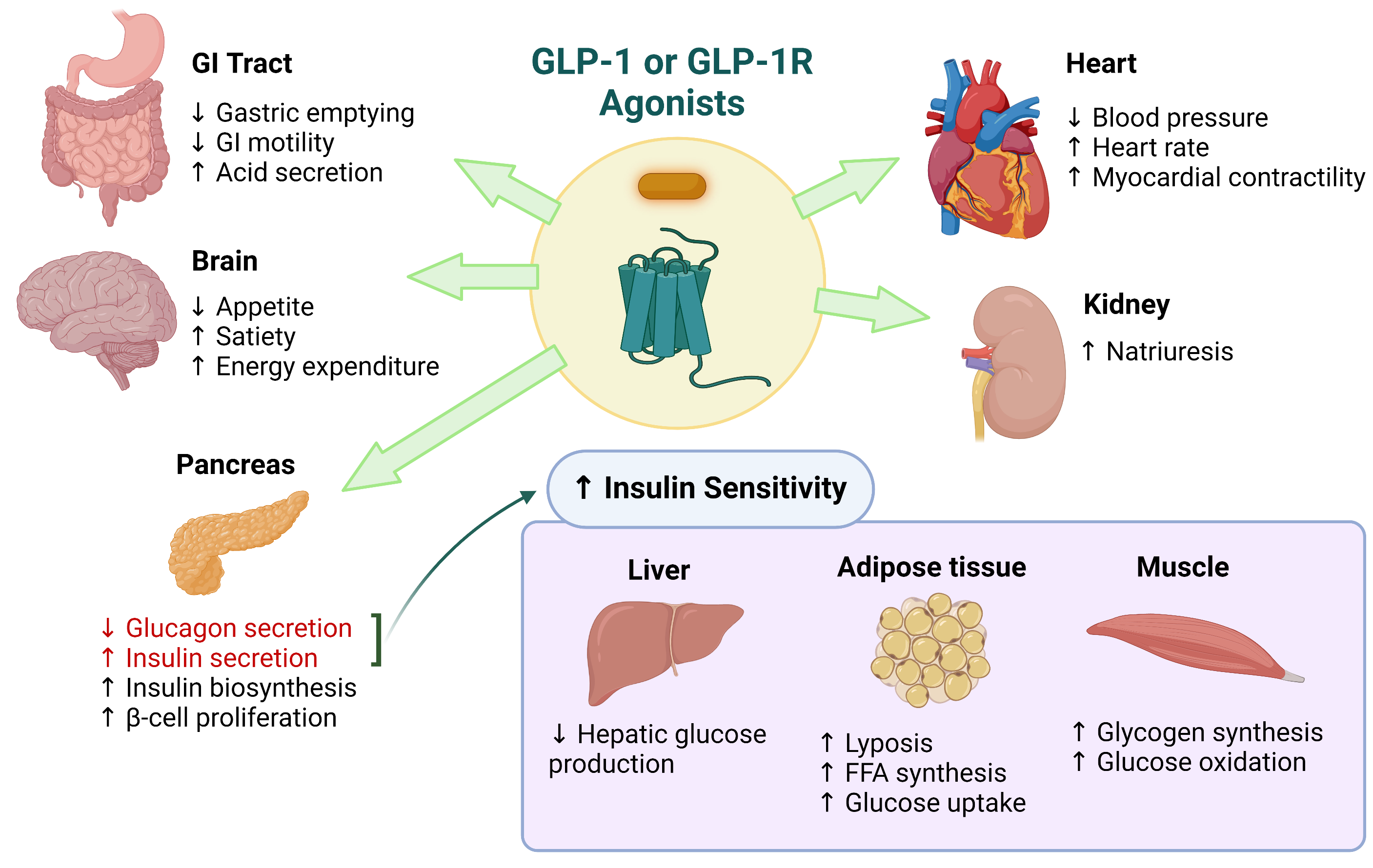
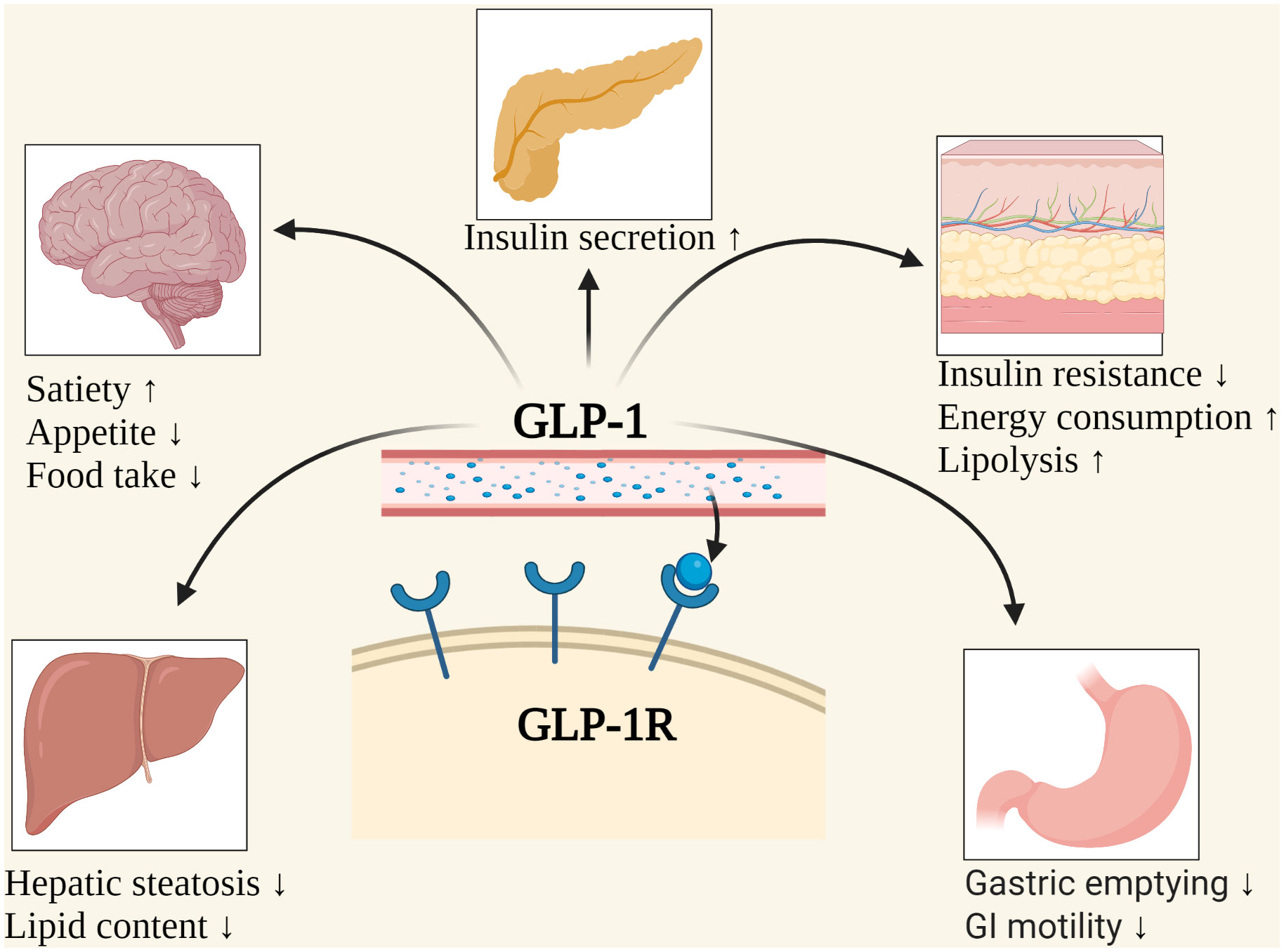
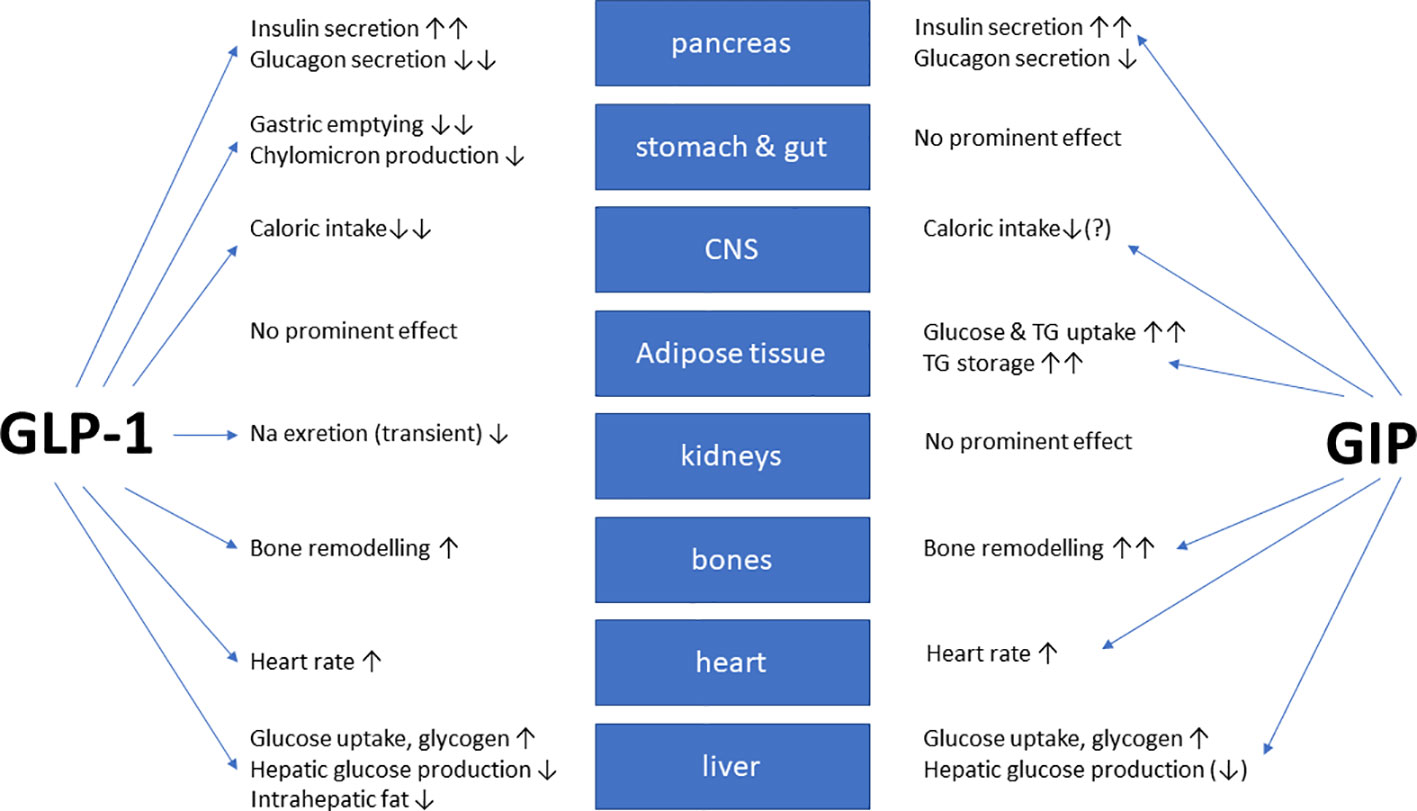
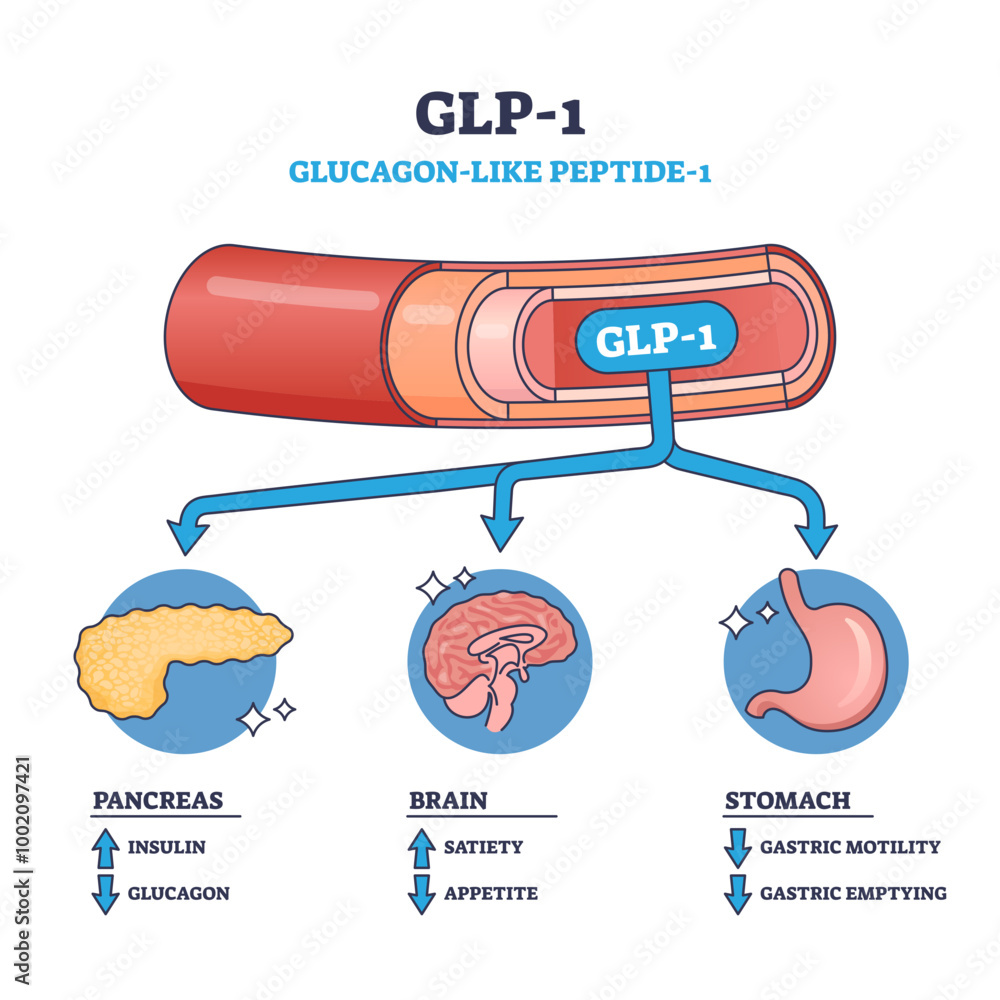
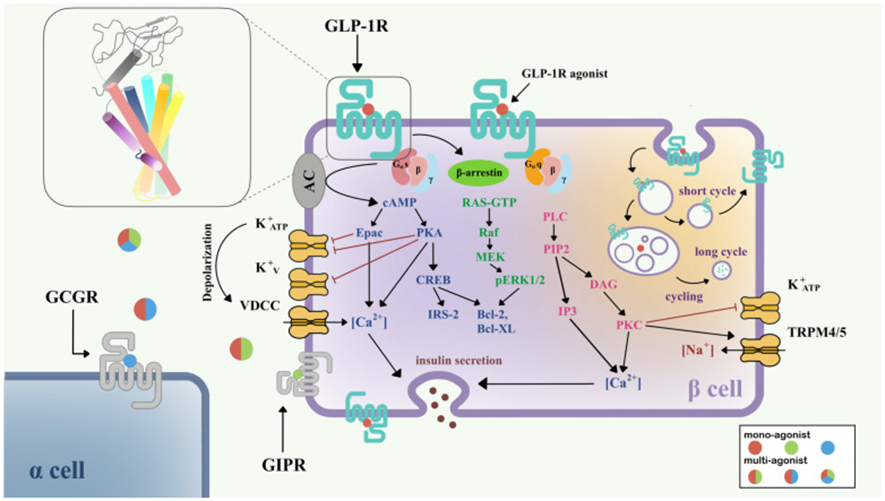
GLP-1 is a hormone produced by L cells in the gastrointestinal tract in response to nutrient intake. It acts as a key determinant of glucose homeostasis by slowing gastric emptying, enhancing pancreatic insulin secretion, and suppressing glucagon secretion. The GLP-1 receptor (GLP-1R) is a specific receptor that interacts with GLP-1, playing a crucial role in regulating blood glucose levels, lipid metabolism, and various other biological functions.

GLP-1 and Glucose Homeostasis Improvement
Research has demonstrated the potential of GLP-1 agonists in improving glucose homeostasis in various metabolic disorders, including type 2 diabetes and obesity. These medications mimic the effects of naturally occurring GLP-1, stimulating insulin secretion, suppressing glucagon levels, and modulating appetite and energy balance. The GLP-1 axis plays a vital role in maintaining glucose homeostasis, and its dysregulation has been implicated in the development of metabolic disorders.