Export License Requirements for International Trade: A Comprehensive Overview
The United States is a significant player in global trade, and businesses engaging in international commerce must navigate a complex regulatory landscape to ensure compliance with export license requirements. In this article, we will delve into the export license requirements for international trade, highlighting the significance of these regulations and the consequences of non-compliance.
Understanding Export License Requirements
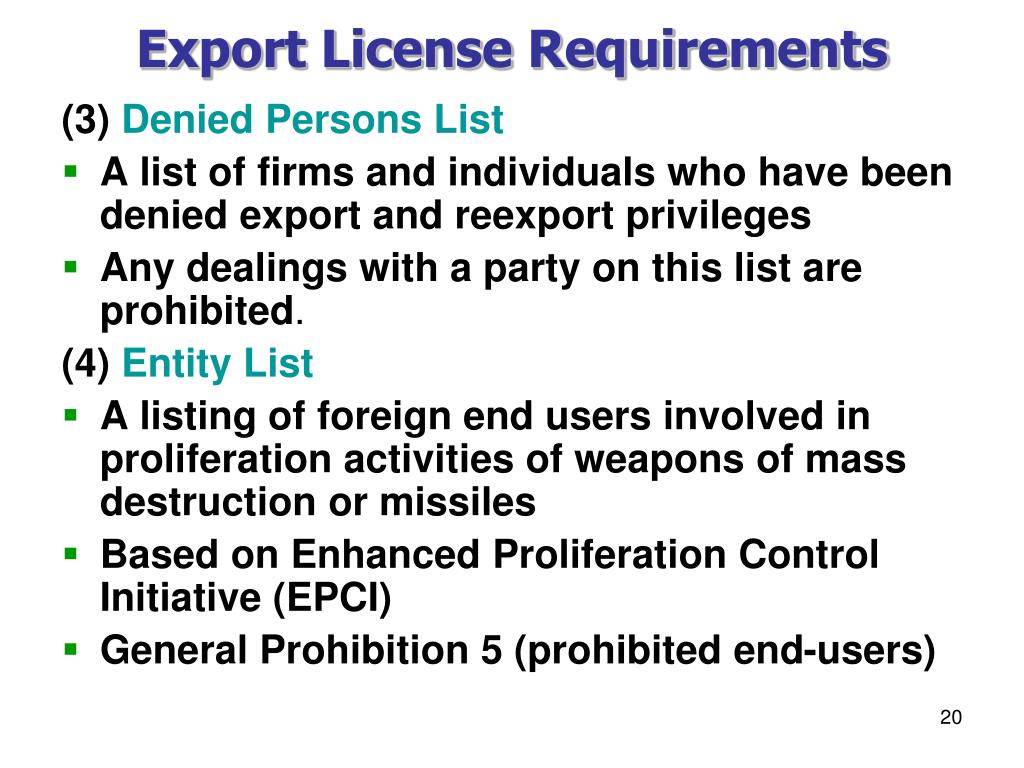
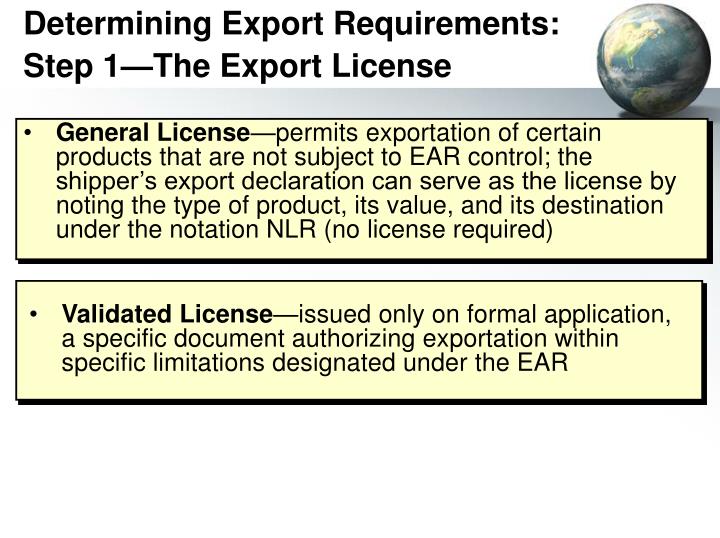
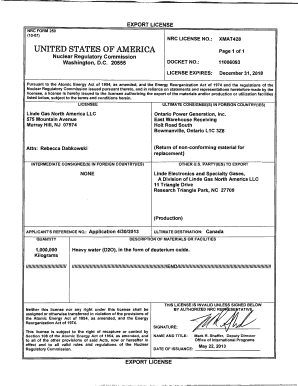
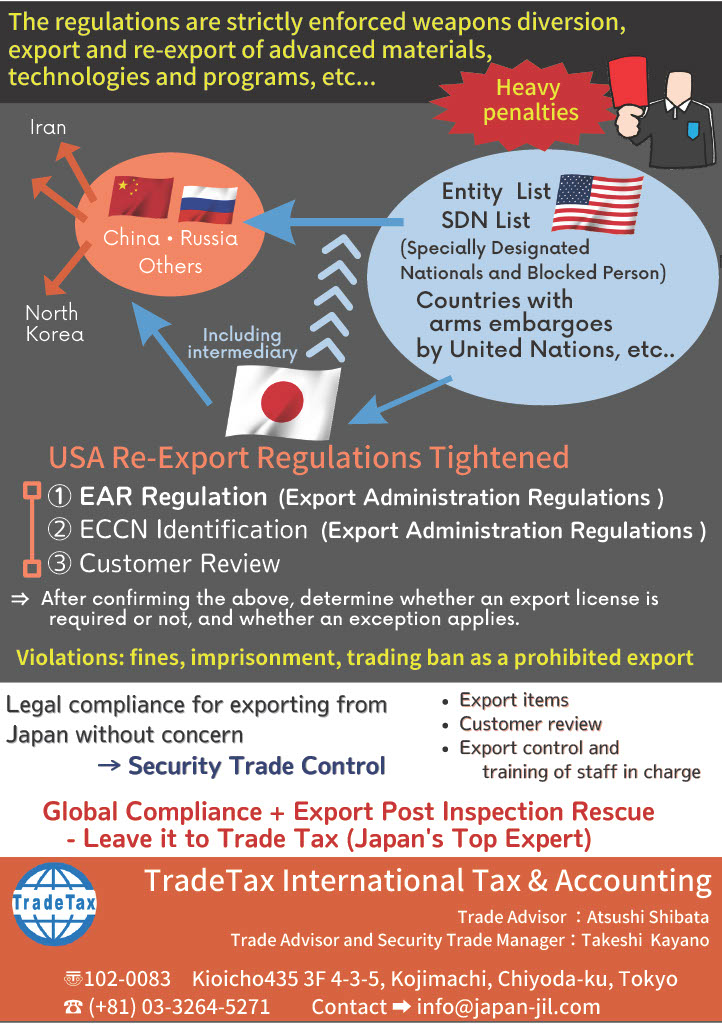
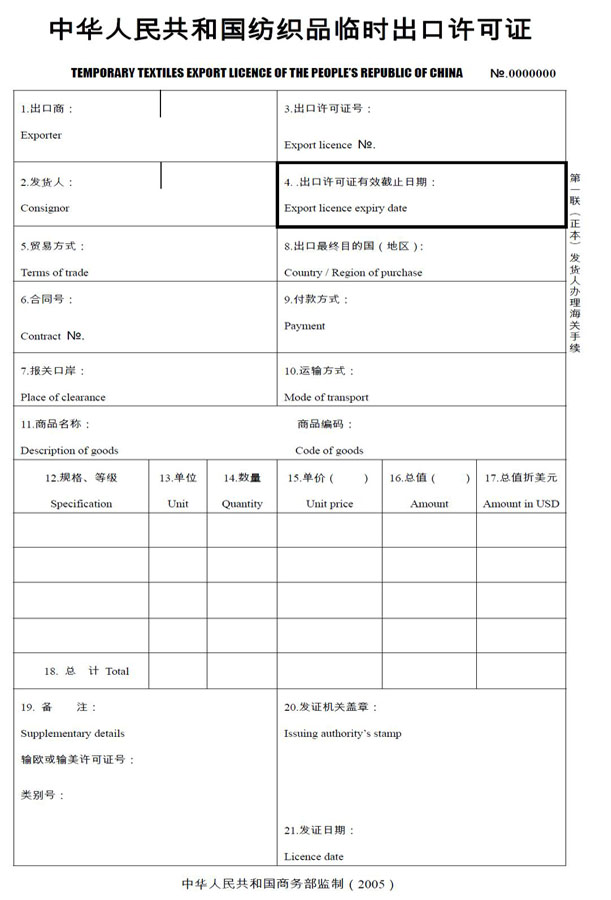
An export license is a government-issued document that authorizes the export of specific goods in specific quantities to a particular destination. The Export Administration Regulations (EAR) administered by the Bureau of Industry and Security (BIS) regulate the export of sensitive goods and technologies, while the International Traffic in Arms Regulations (ITAR) control the sale of defense items and defense services.
Types of Export License Requirements
- Commercial License Exceptions
- Technical Assistance Agreement (TAA)
- Military and Dual-Use Items
- Export Control Classification (ECCN)
Export Licensing Process
The export licensing process involves several steps, including:
Step 1: Determine if an Export License is Required
The exporting entity must first determine if an export license is required for the specific goods being exported. This involves reviewing the Harmonized System (HS) code and the Export Control Classification Number (ECCN) associated with the goods.