Unlocking the Potential of GLP-1 Receptor Agonists and Alternate Day Fasting for Sustainable Weight Loss
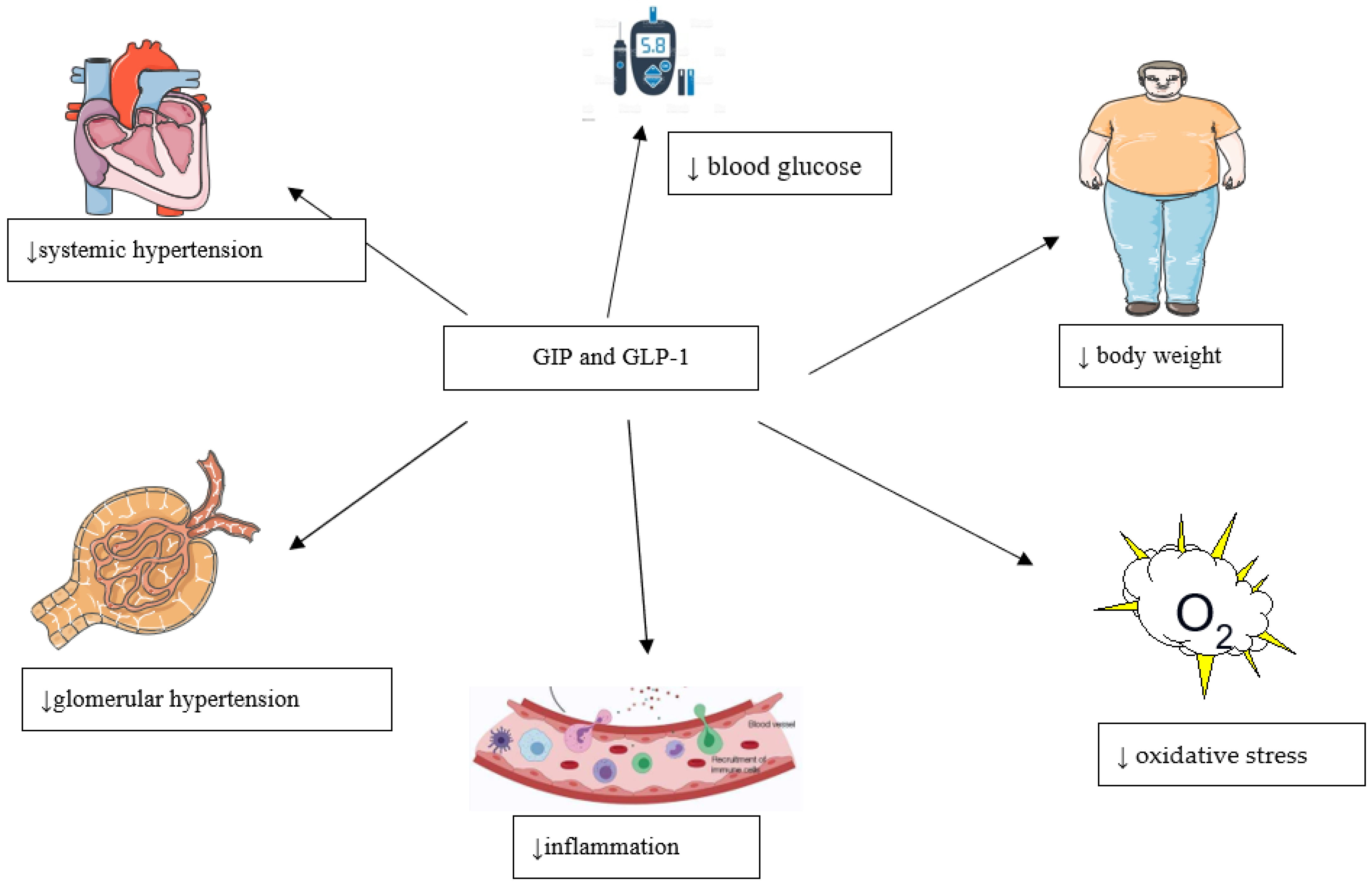
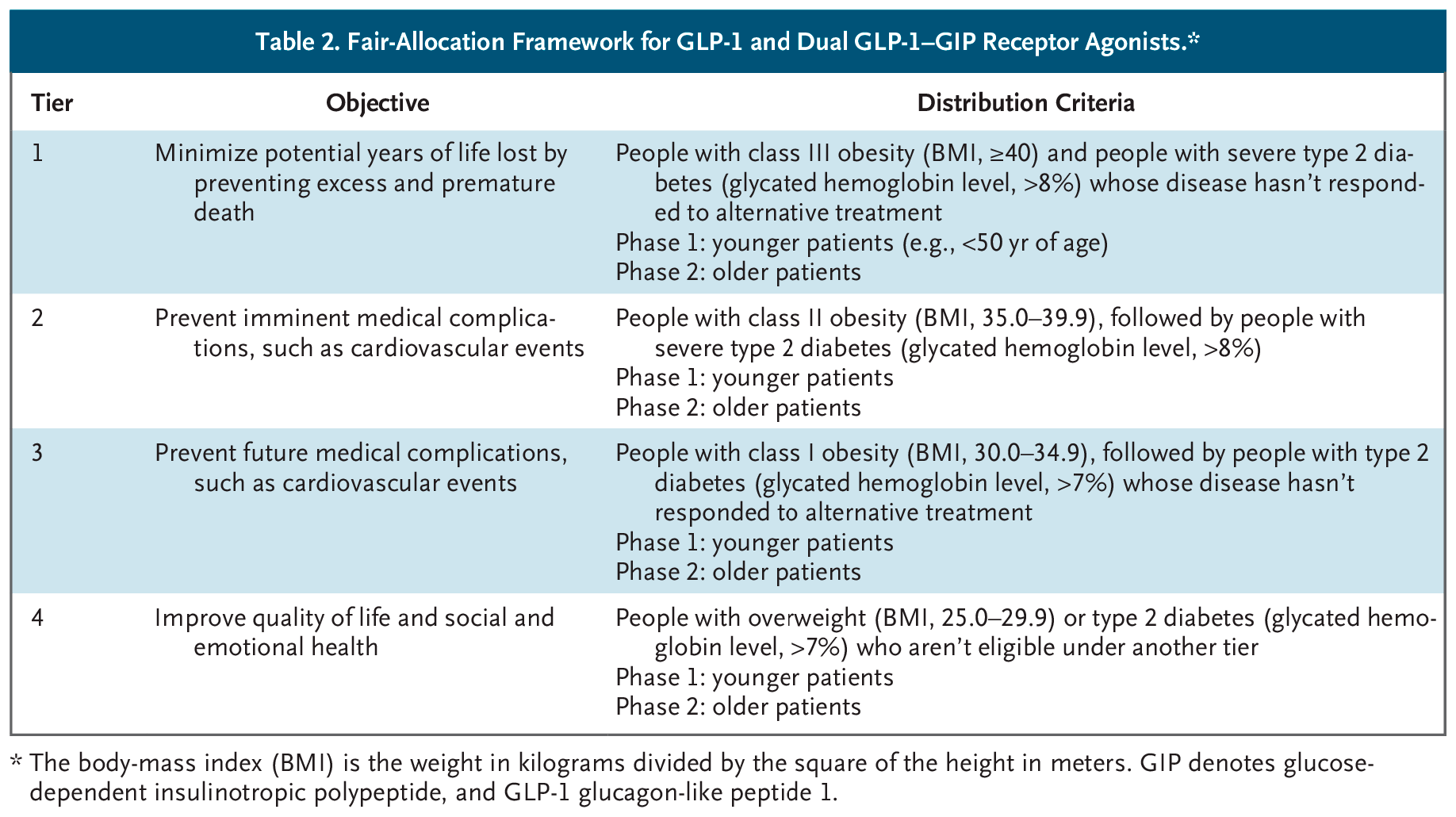
Obesity remains a major global health challenge, affecting millions of people worldwide. The quest for effective weight loss solutions has led to the development of medications like glucagon-like peptide-1 (GLP-1) receptor agonists, which have shown substantial benefits in weight reduction, glycemic control, and cardiovascular protection. Meanwhile, alternate-day fasting has garnered attention as a potent tool for weight loss, with studies demonstrating modest weight loss and a preferential reduction in fat mass. In this article, we will explore the potential of combining GLP-1 receptor agonists with alternate-day fasting for sustainable weight loss.
The Science Behind GLP-1 Receptor Agonists
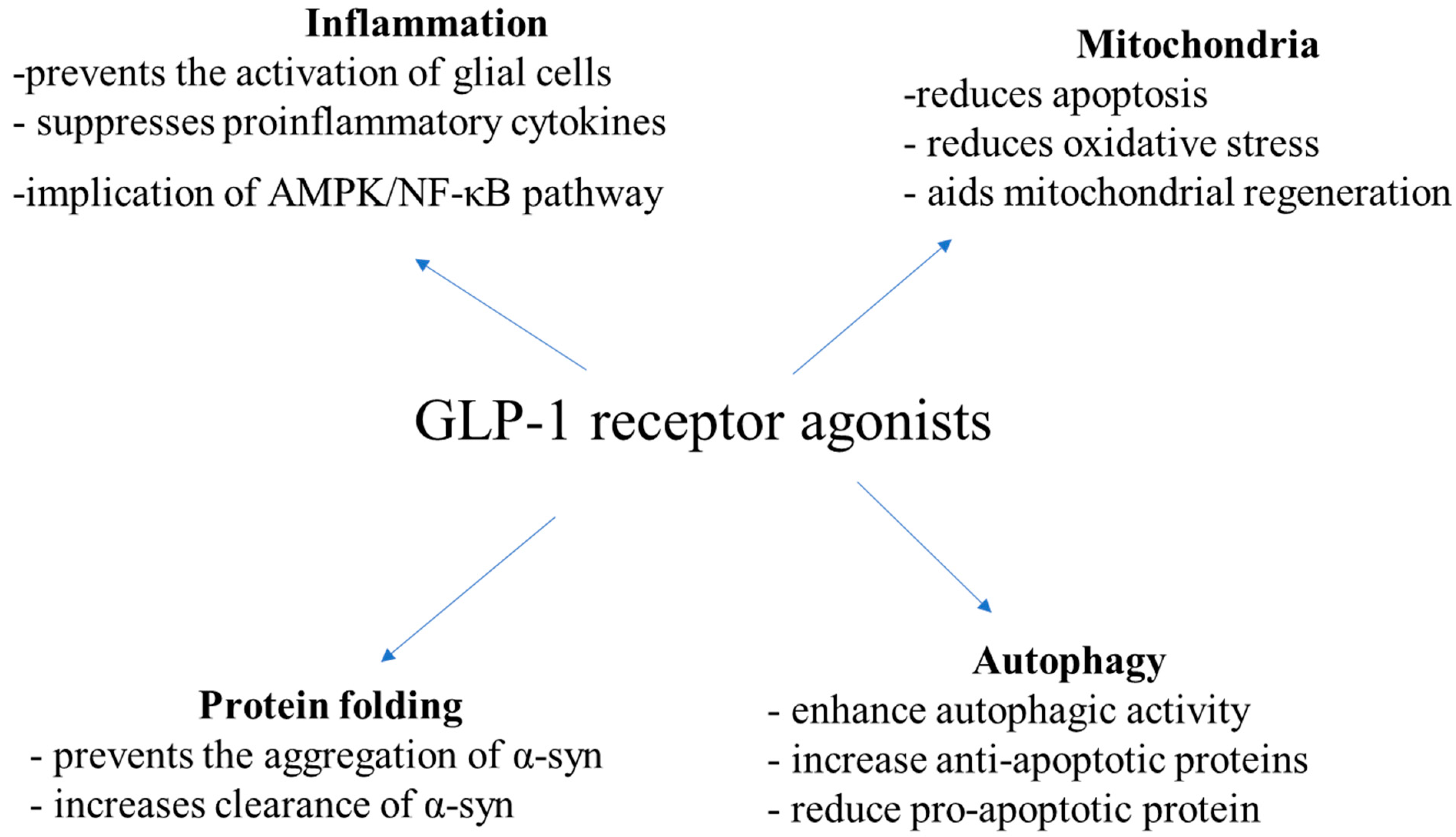
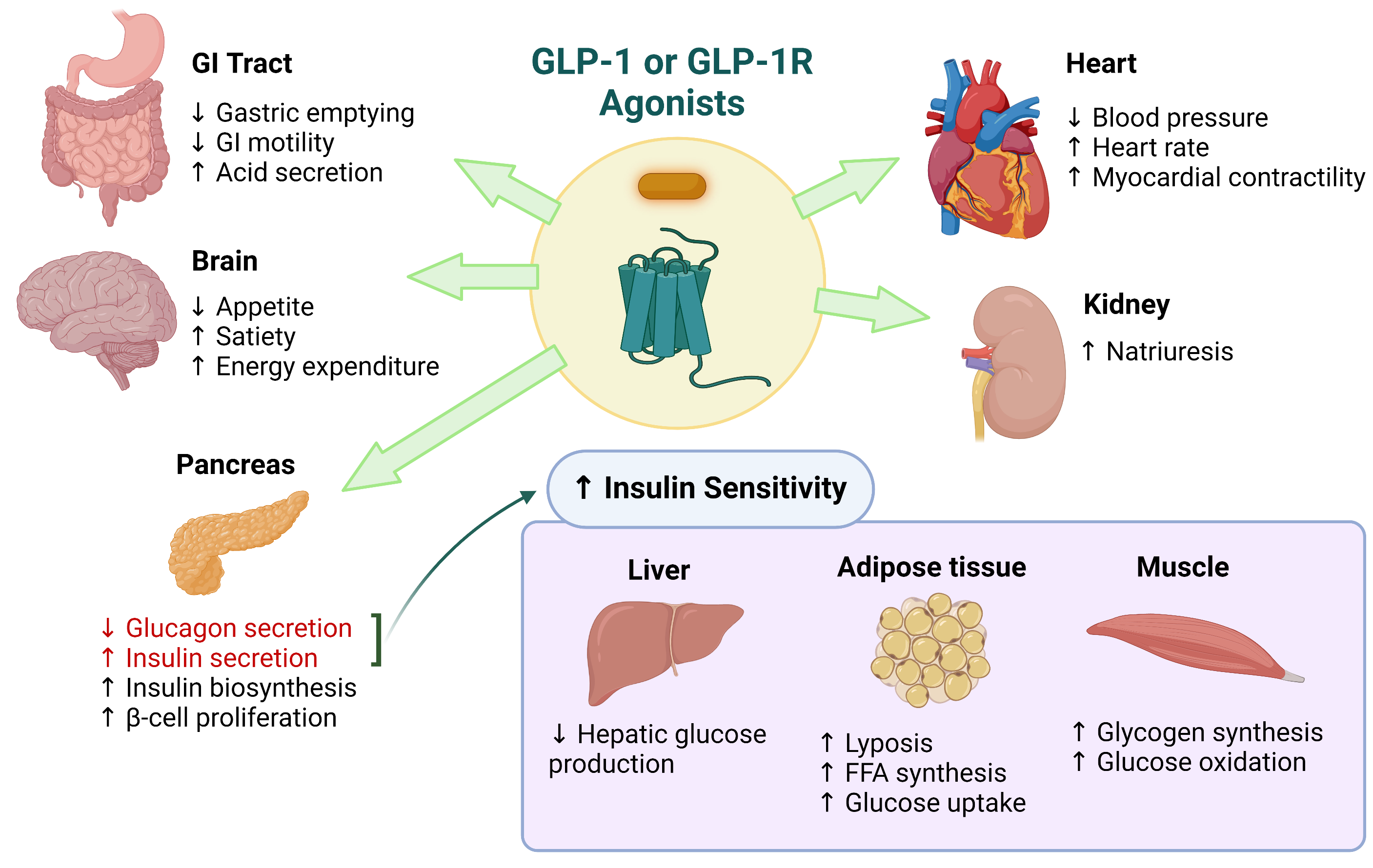
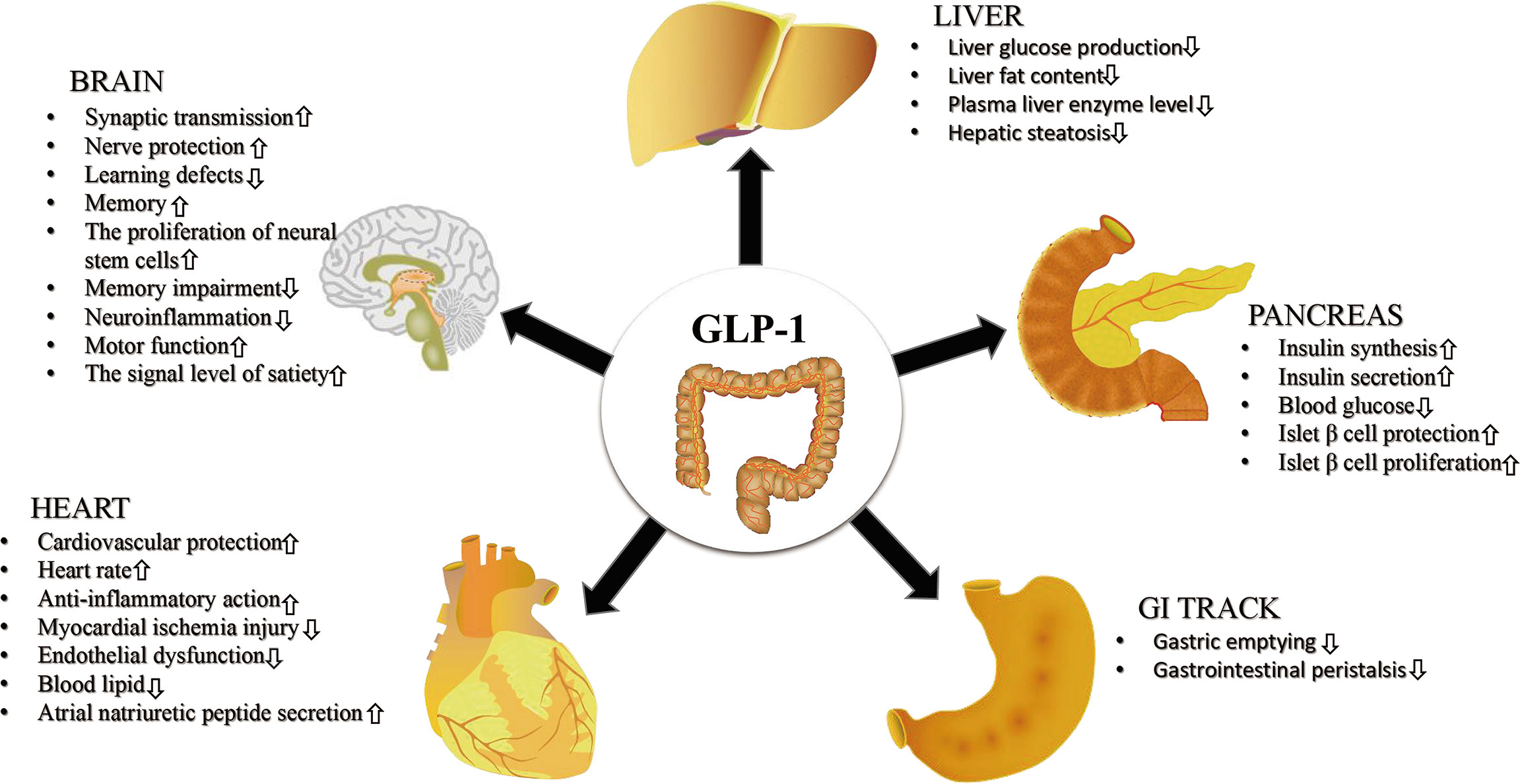
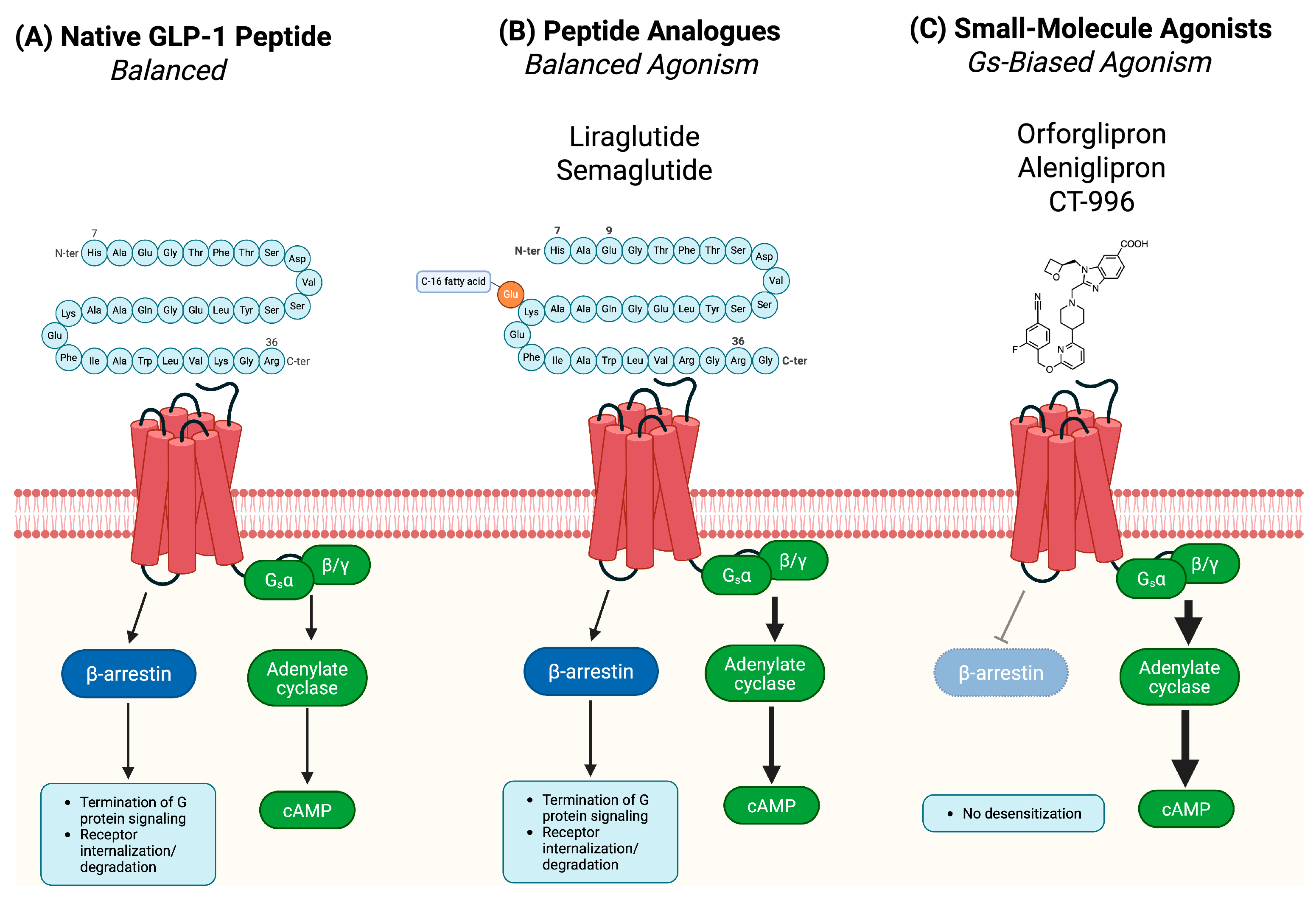
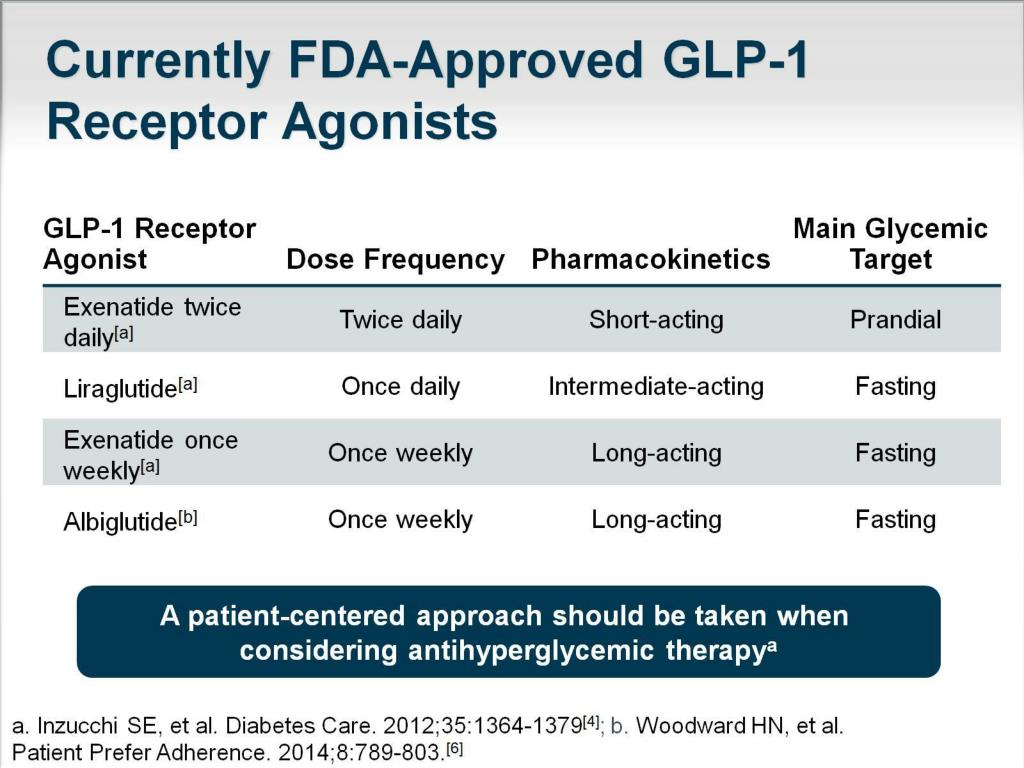
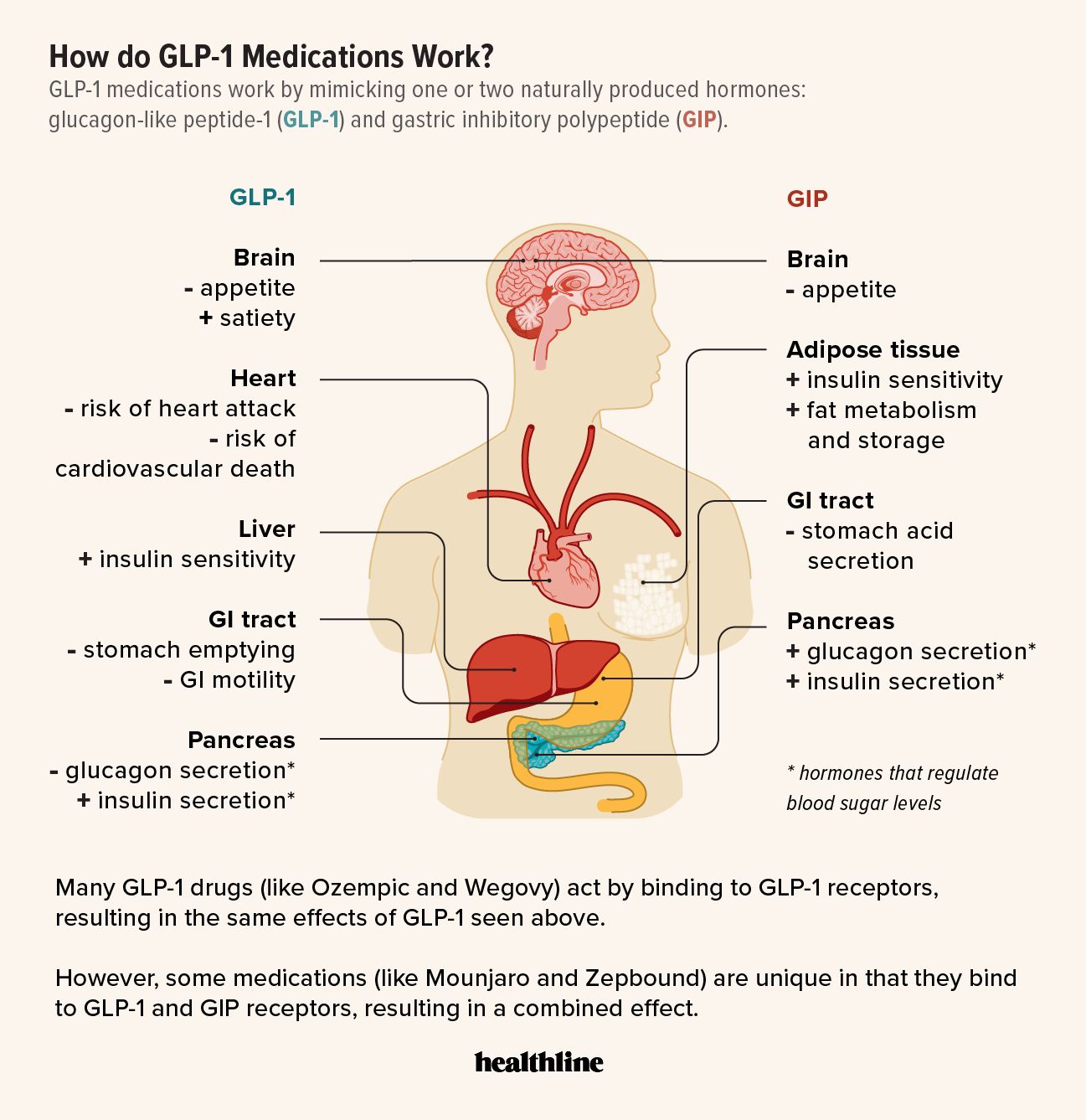
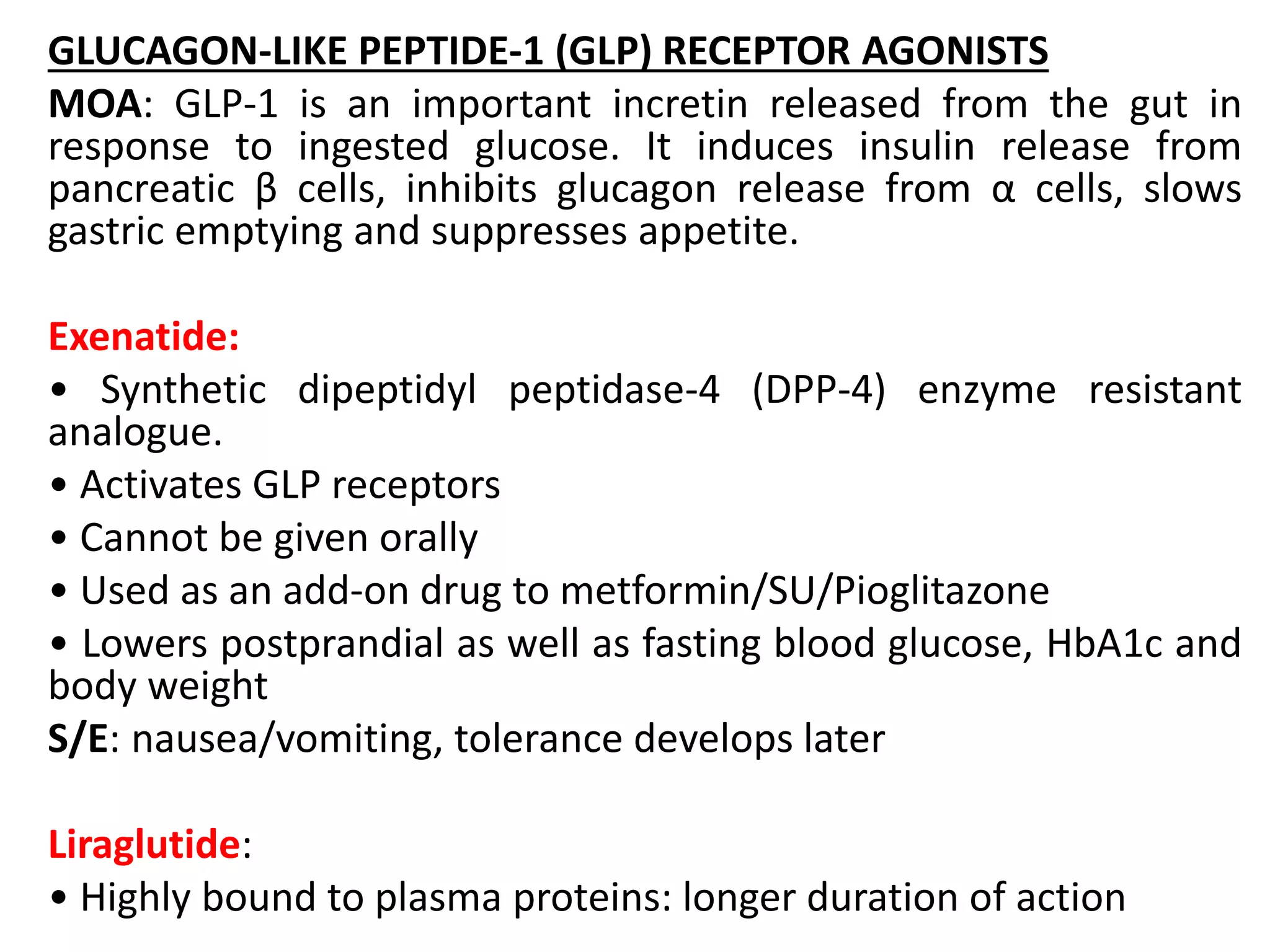
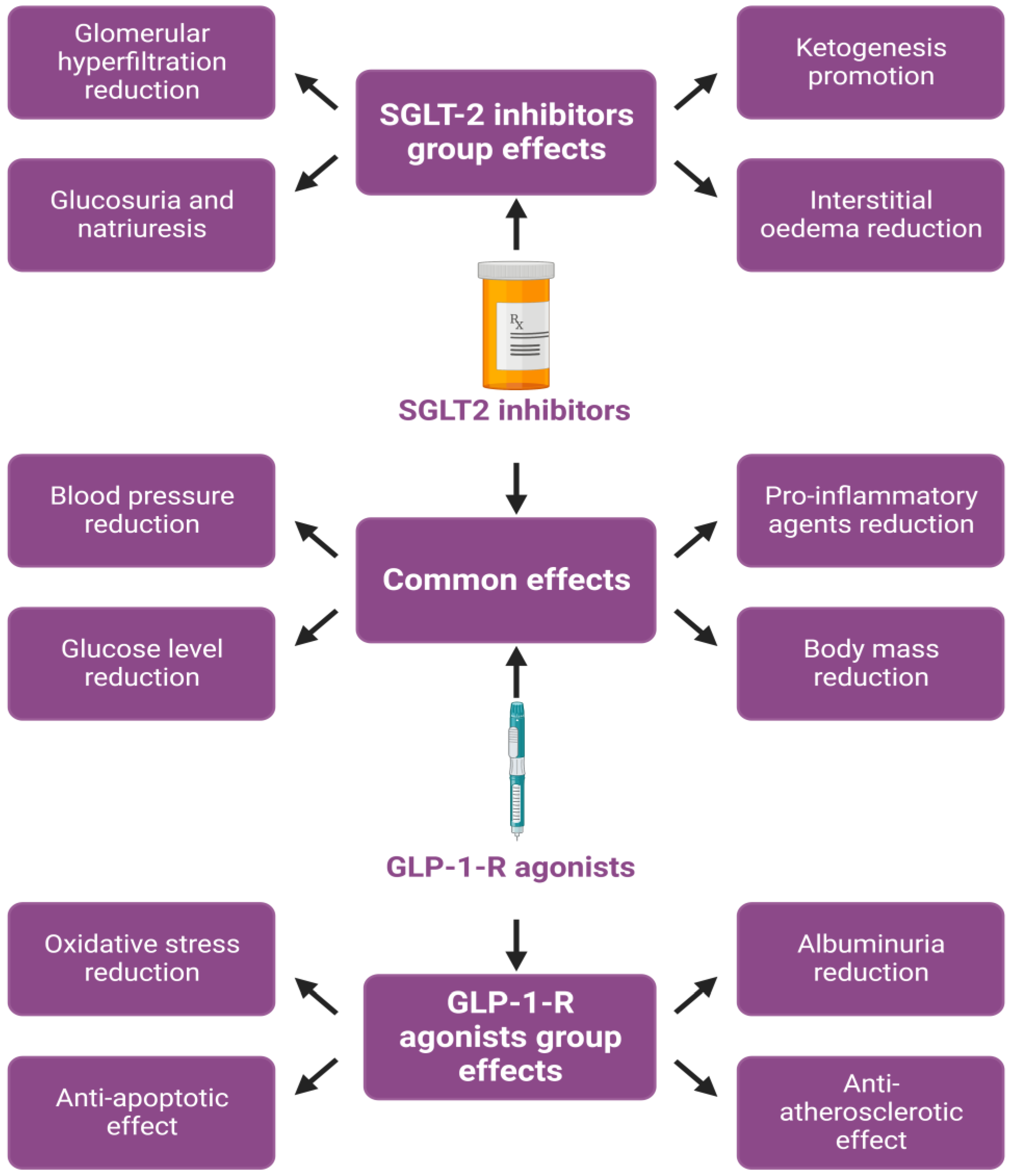
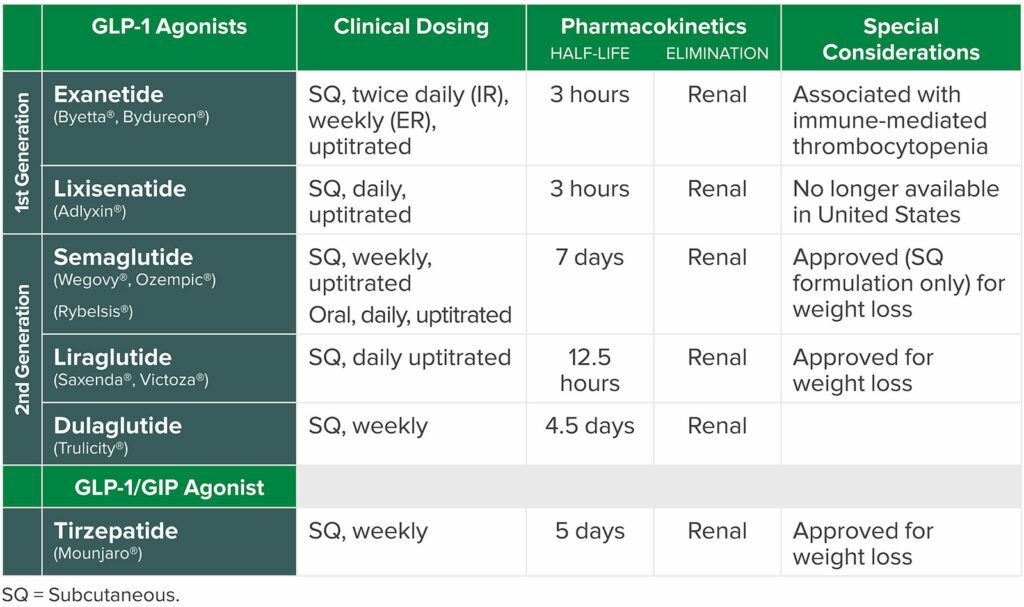
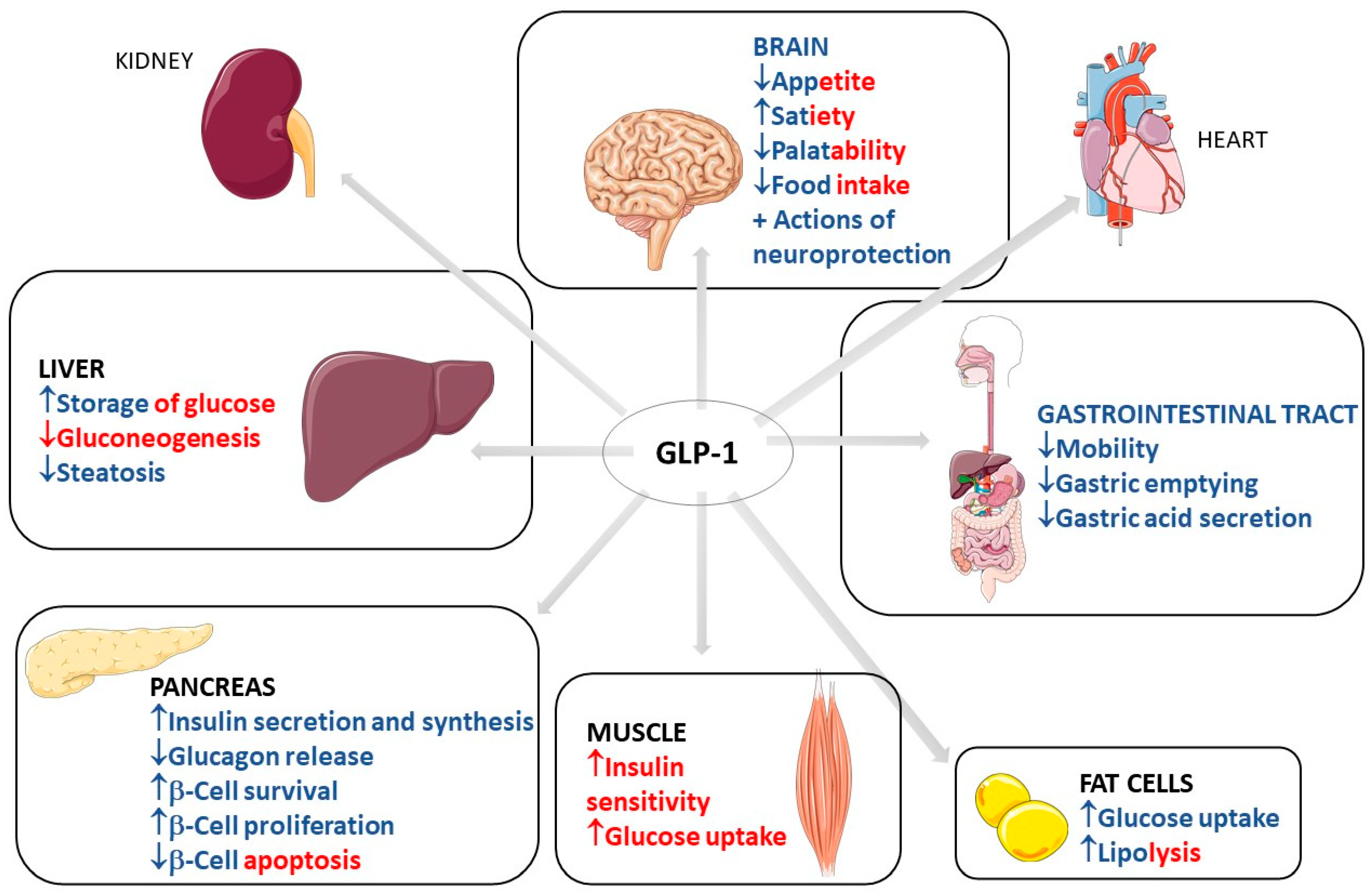
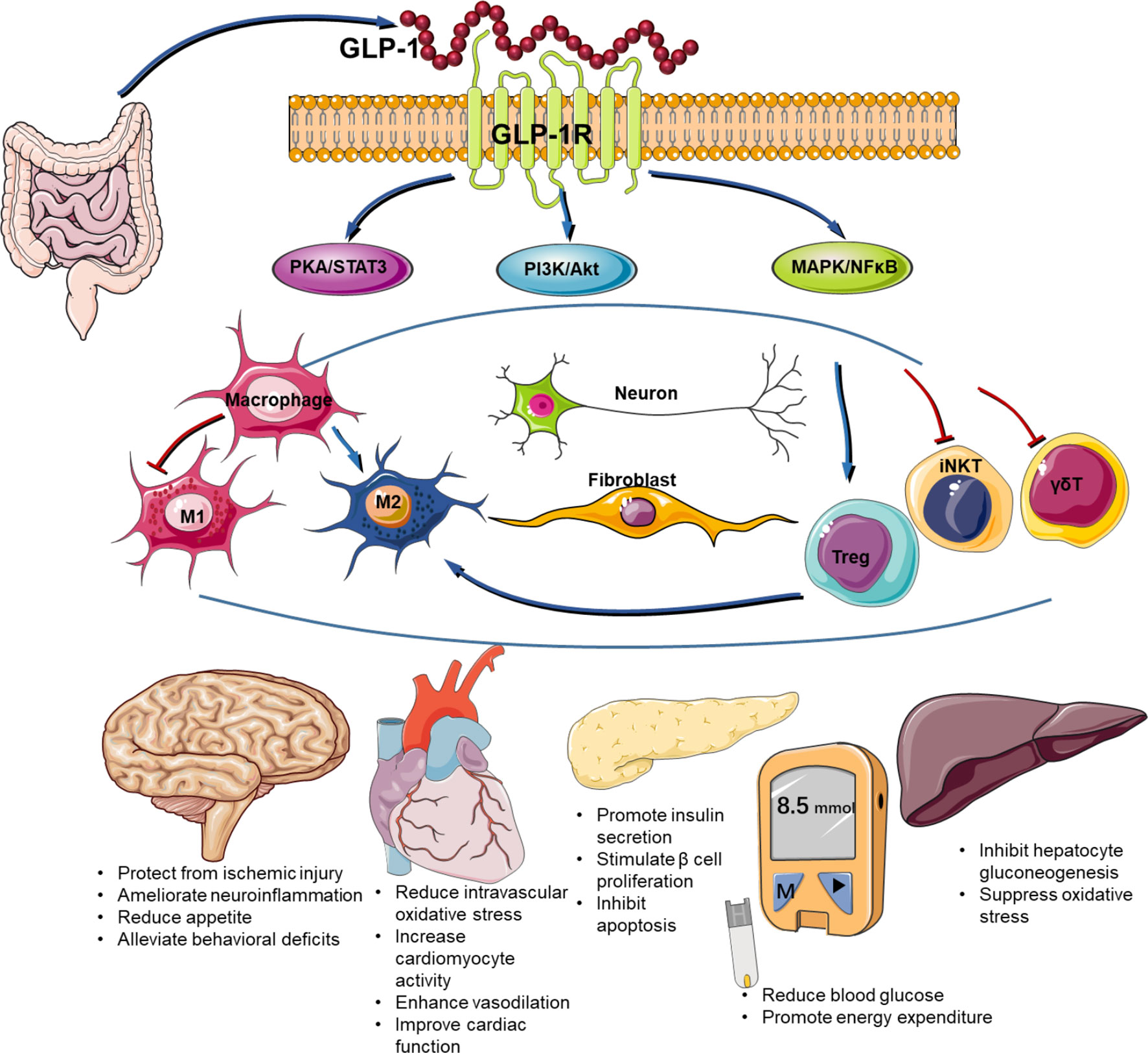
Glucagon-like peptide-1 (GLP-1) is a gastrointestinal peptide that plays a central role in glucose metabolism. It is secreted by L cells in the intestine in response to food intake, triggering insulin secretion while inhibiting glucagon release. GLP-1 receptor agonists, such as semaglutide and tirzepatide, mimic the action of native GLP-1, promoting insulin secretion, reducing glucagon levels, and slowing gastric emptying.
The Mechanism of Alternate Day Fasting
Alternate-day fasting involves restricting food intake to a set window of time, typically alternating between days of normal eating and days of fasting. This protocol has been shown to induce weight loss, improve insulin sensitivity, and reduce fat mass. Unlike GLP-1 receptor agonists, which rely on medication, alternate-day fasting is a behavior-driven approach relying on consistency and discipline.