Toilet Overflow Emergency And Flooding: A Comprehensive Guide to Quick Response and Safe Recovery
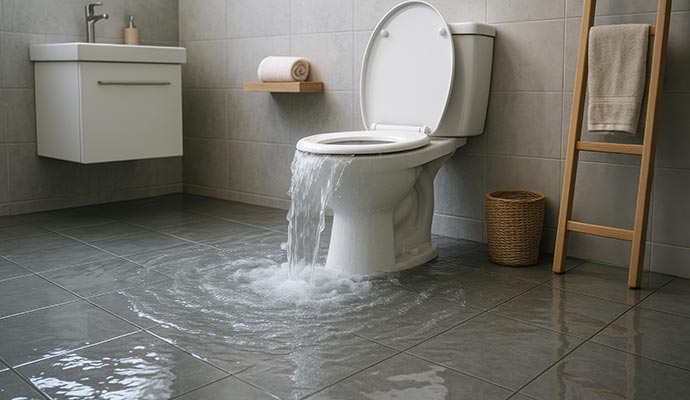
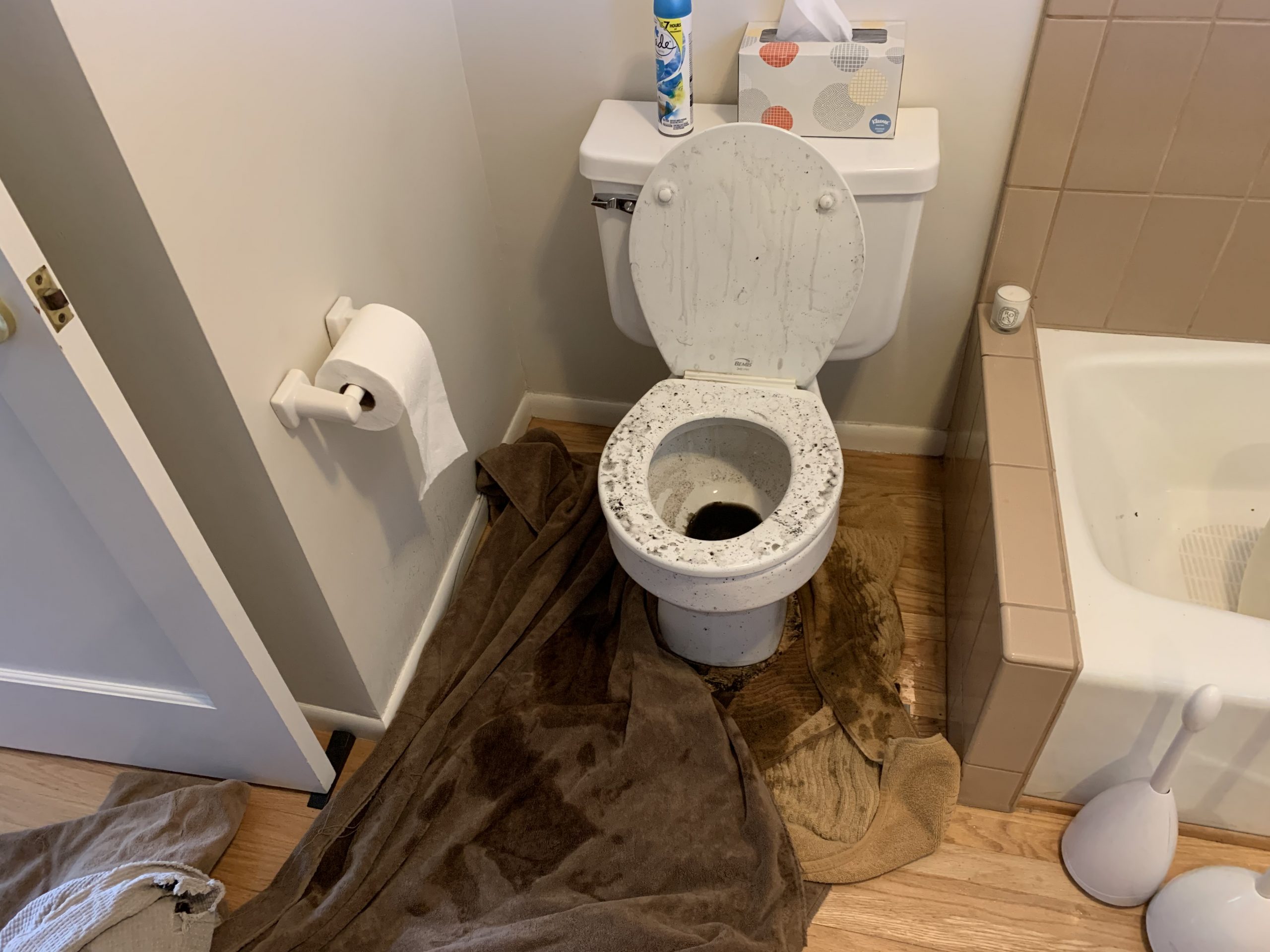
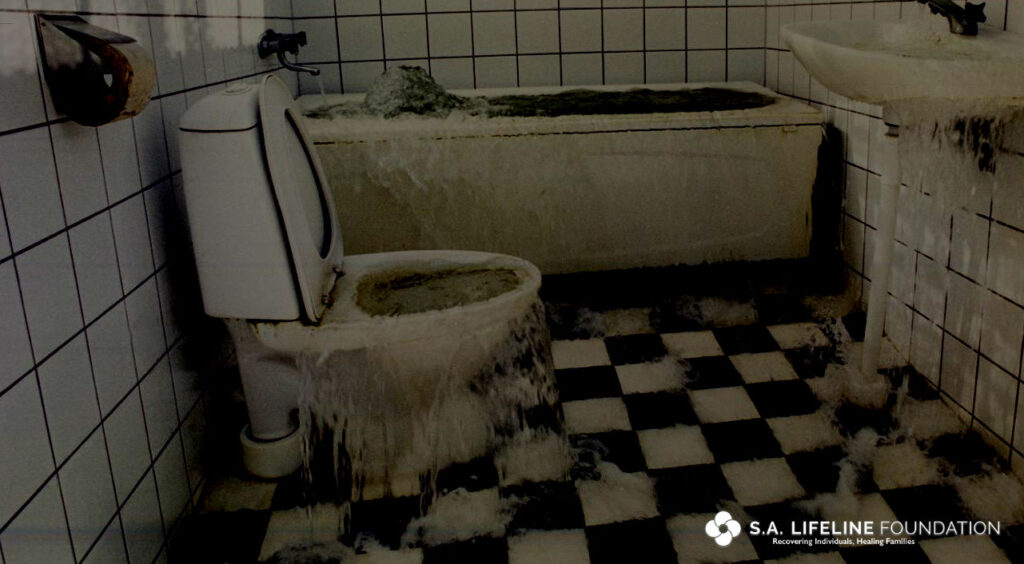
A toilet overflow can be a nightmare for any homeowner, leaving behind a mess that's not only frustrating but also poses serious health risks. Whether it's caused by a clogged pipe, a full septic tank, or faulty toilet tank components, it's essential to know how to respond quickly and safely to minimize damage and prevent future incidents.
Immediate Steps to Stop Water and Prevent Damage
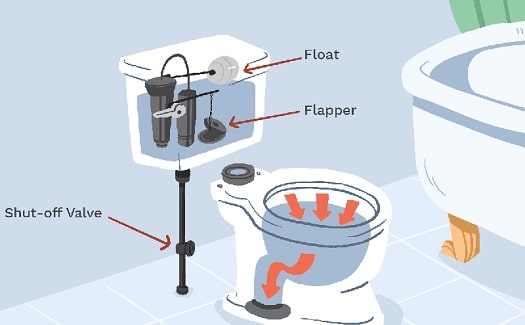
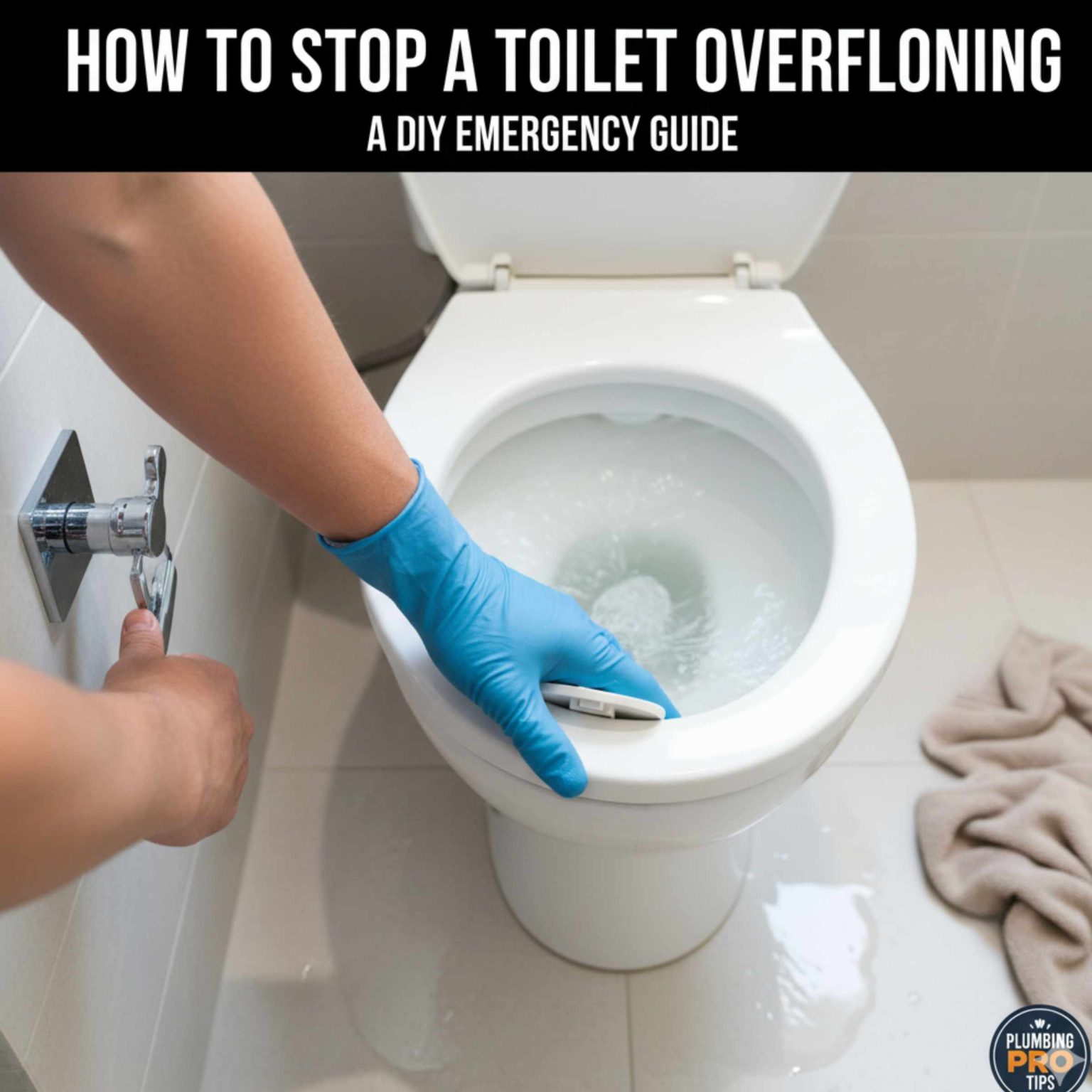
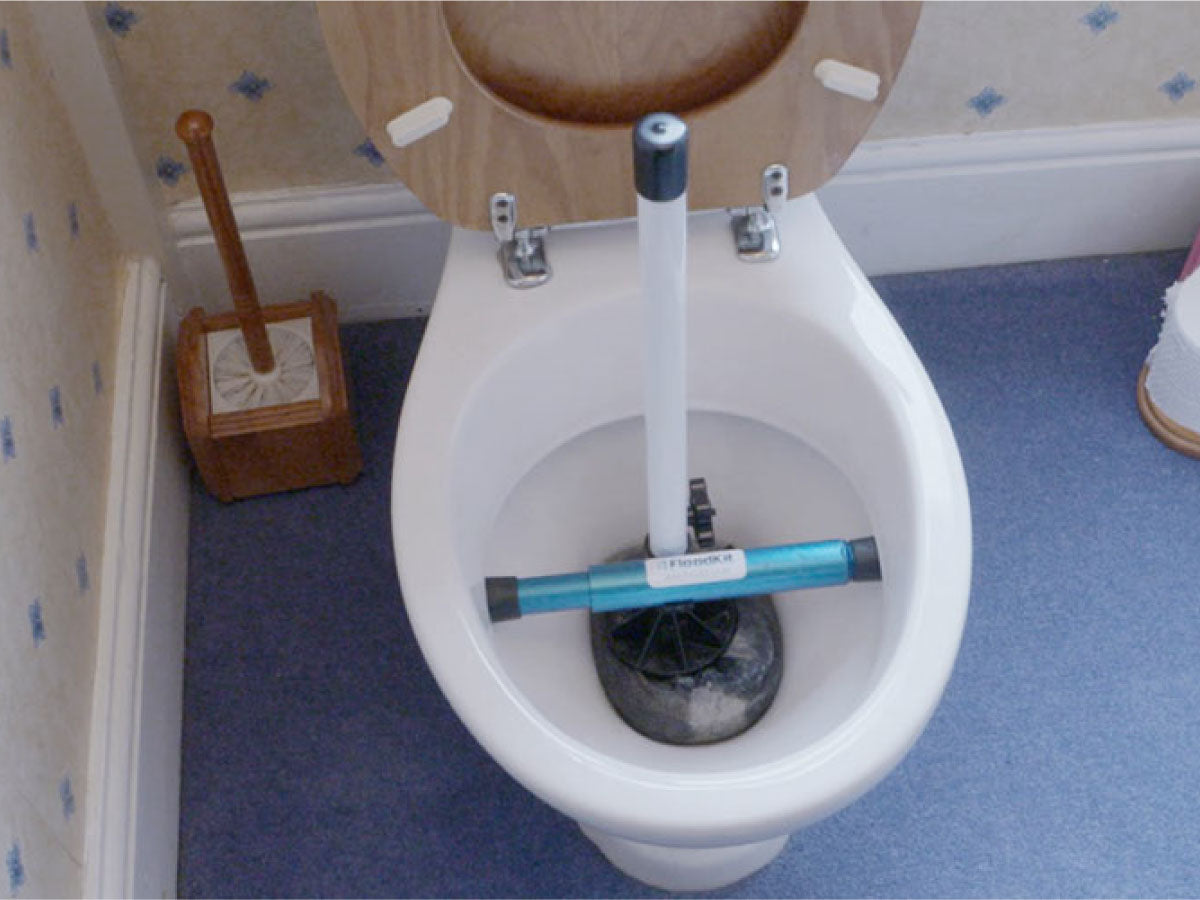
The first step in responding to a toilet overflow emergency is to turn off the water supply to the toilet. This can usually be done by locating the shut-off valve behind the toilet and turning it clockwise. Next, use a plunger or toilet auger to try and clear the clog. Be cautious not to flush the toilet again, as this can worsen the overflow.

- Turn off the water supply valve behind the toilet to stop the flow of water.
- Use a plunger or toilet auger to try and clear the clog.
- Avoid flushing the toilet again to prevent further overflow.
Causes of Toilet Overflow and Flooding
Toilet overflows can be caused by a variety of factors, including clogged pipes, full septic tanks, and faulty toilet tank components. In some cases, the overflow may be due to a sewer backup, which requires immediate professional attention to prevent health and safety risks.