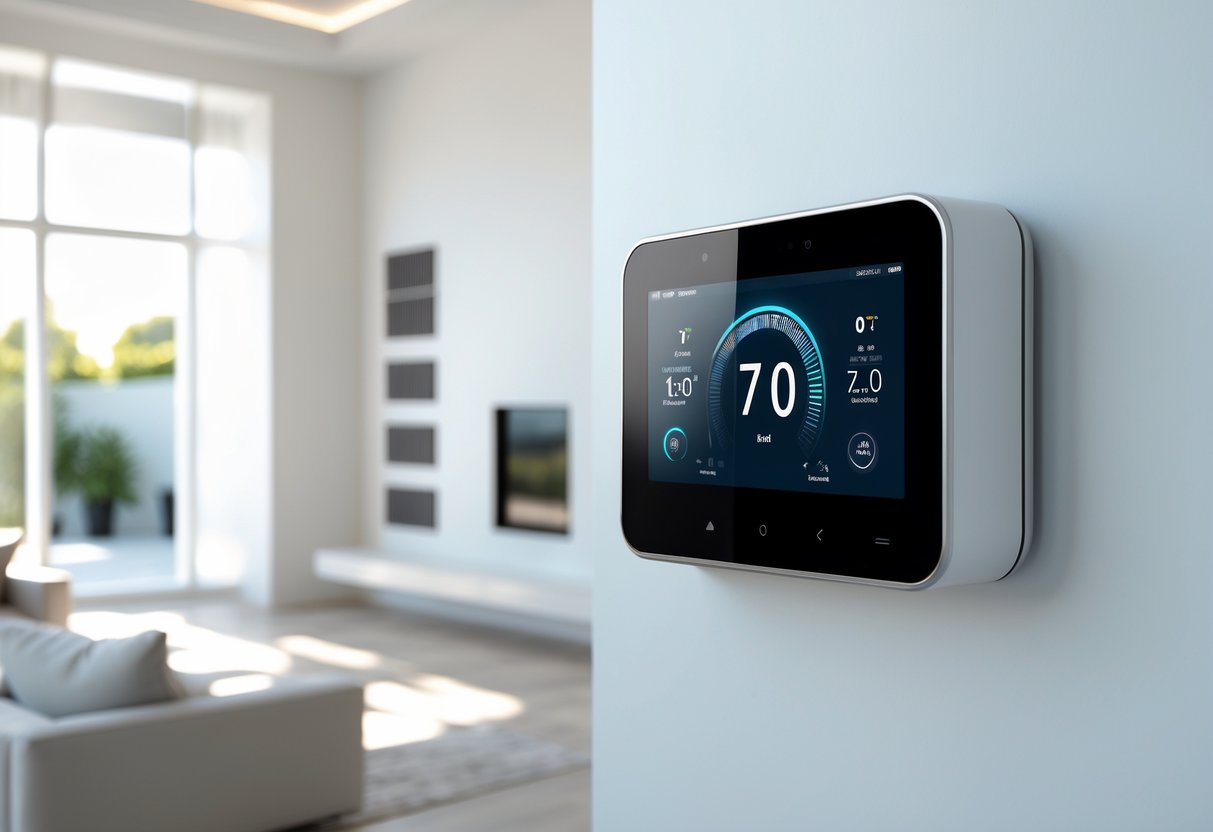
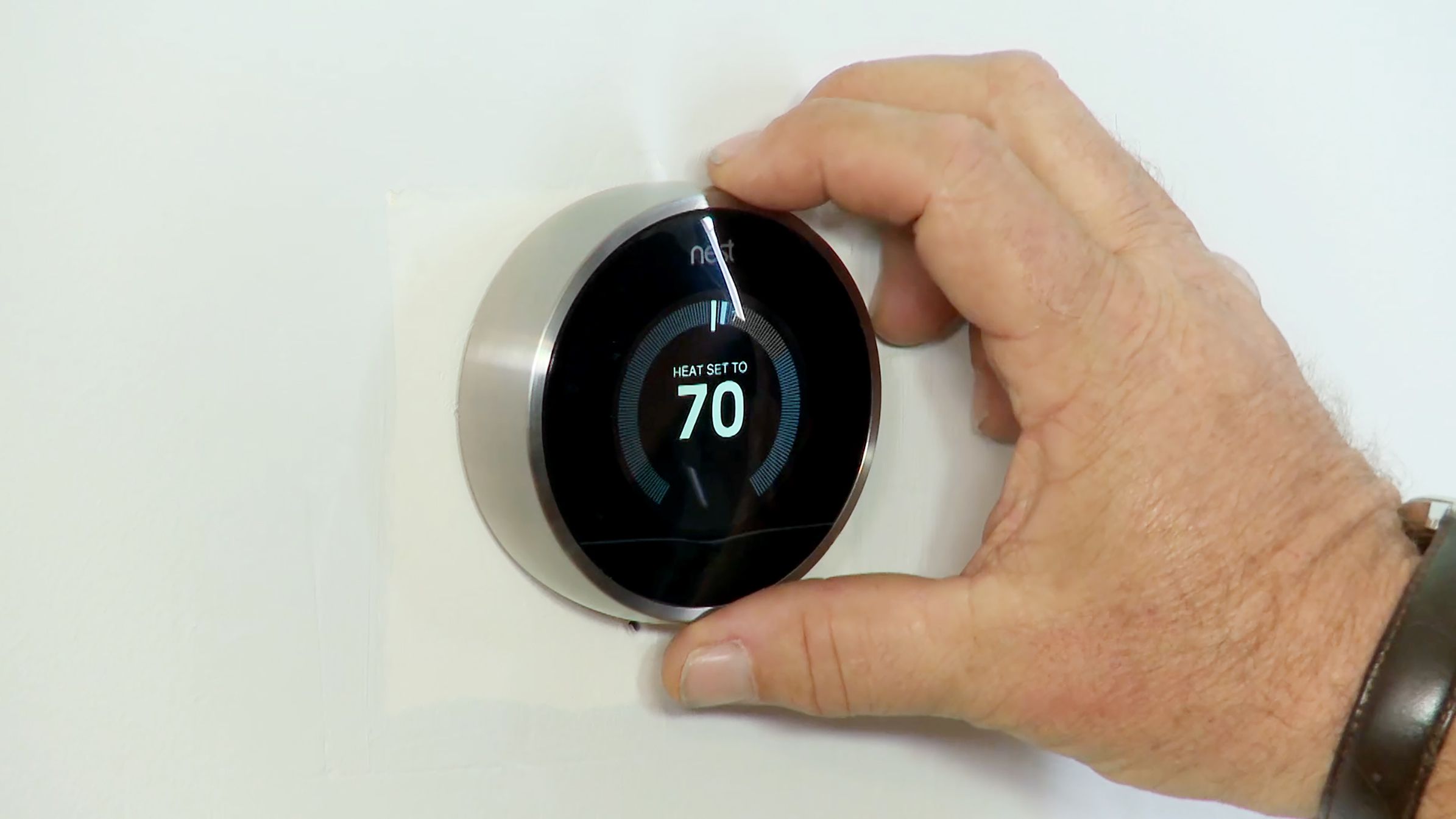
Smart Thermostat Installation Requirements: A Comprehensive Guide
Looking to upgrade your home's comfort and energy efficiency with a smart thermostat? Installing a smart thermostat can be a straightforward process, but it requires careful consideration of several key factors. In this guide, we'll walk you through the smart thermostat installation requirements to ensure a seamless and efficient upgrade.
Compatibility Checks
Before selecting a smart thermostat, it's essential to check the compatibility of your existing HVAC system. The compatibility of a smart thermostat hinges on three core factors: HVAC system type, electrical requirements, and available wiring. Most residential thermostats operate on low voltage (24 VAC), but certain radiant floor heat or millivolt systems use different power configurations.
Wiring Requirements
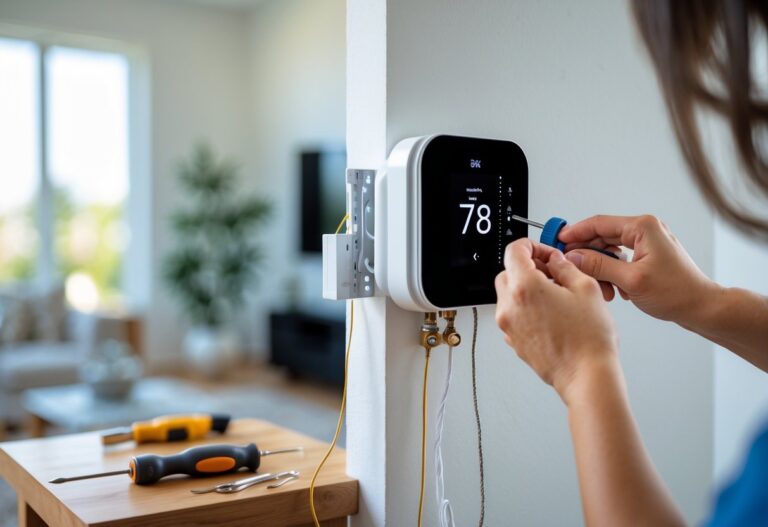
Smart thermostats typically require a C-wire (common wire) for power and communication. If your HVAC system doesn't have a C-wire, you'll need to add one or consider a smart thermostat with a battery backup or adapter.
Installation Considerations
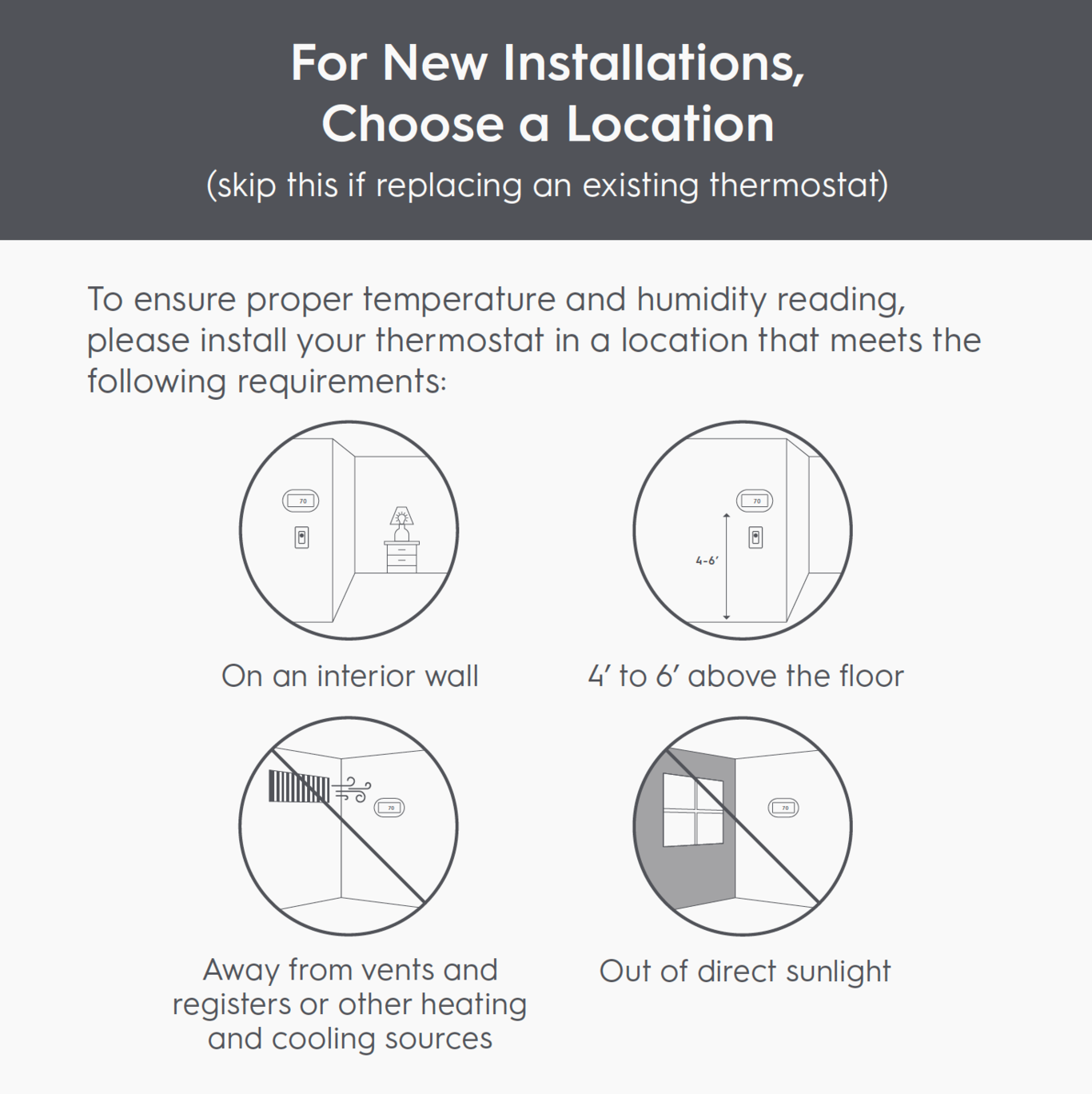
Smart thermostat installation requires minimal DIY expertise, but it's crucial to follow the manufacturer's instructions and guidelines. Consider the following factors during installation:
Smart Thermostat Rebates
Many utility companies, governments, and organizations offer rebates and incentives for installing energy-efficient smart thermostats. These programs help homeowners and renters reduce energy consumption while saving money on utility bills.