GLP-1 Medications for Emotional Overeating: Understanding the Power and Limitations of These Weight Loss Medications
Emotional eating is a common struggle for many individuals, particularly those navigating weight loss after 40. It's often linked to life's stresses, from work responsibilities to family obligations, which can lead to unhealthy eating patterns and derail weight loss efforts.
What are GLP-1 Medications?
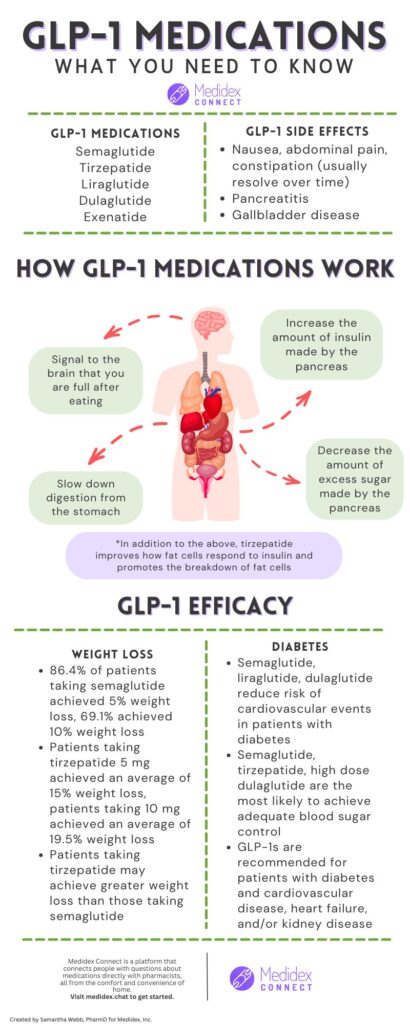
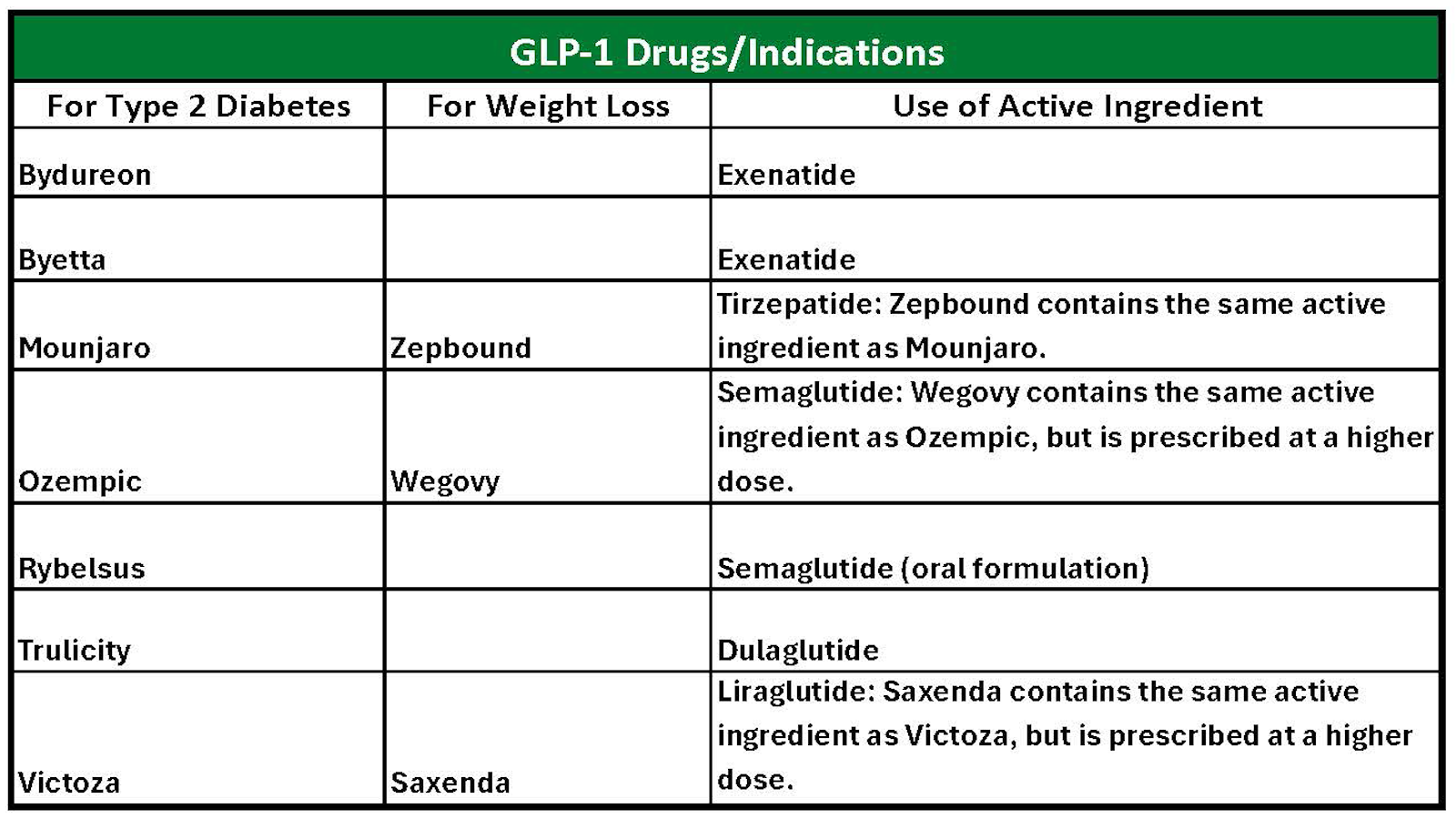
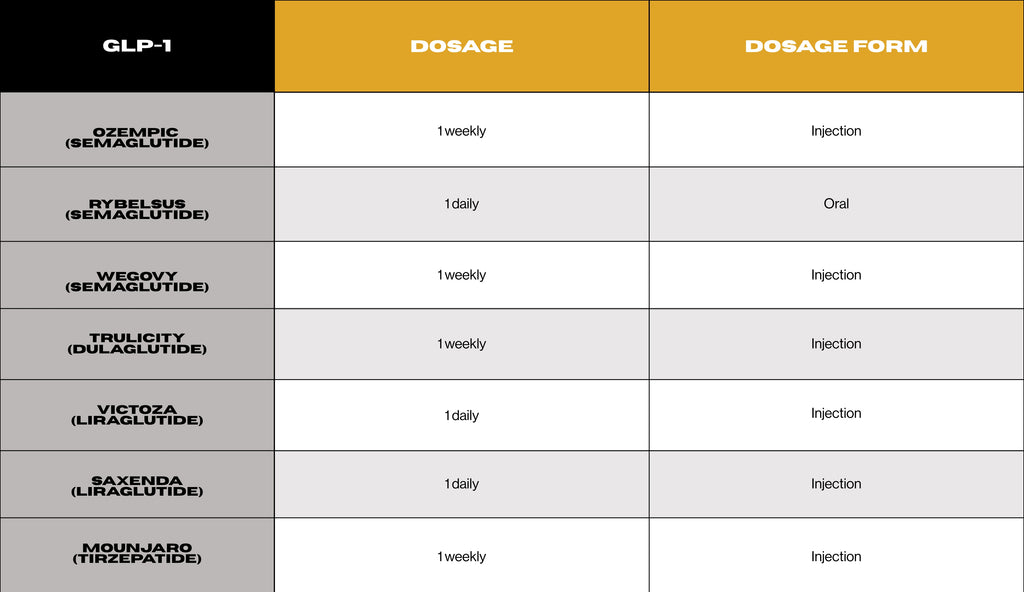
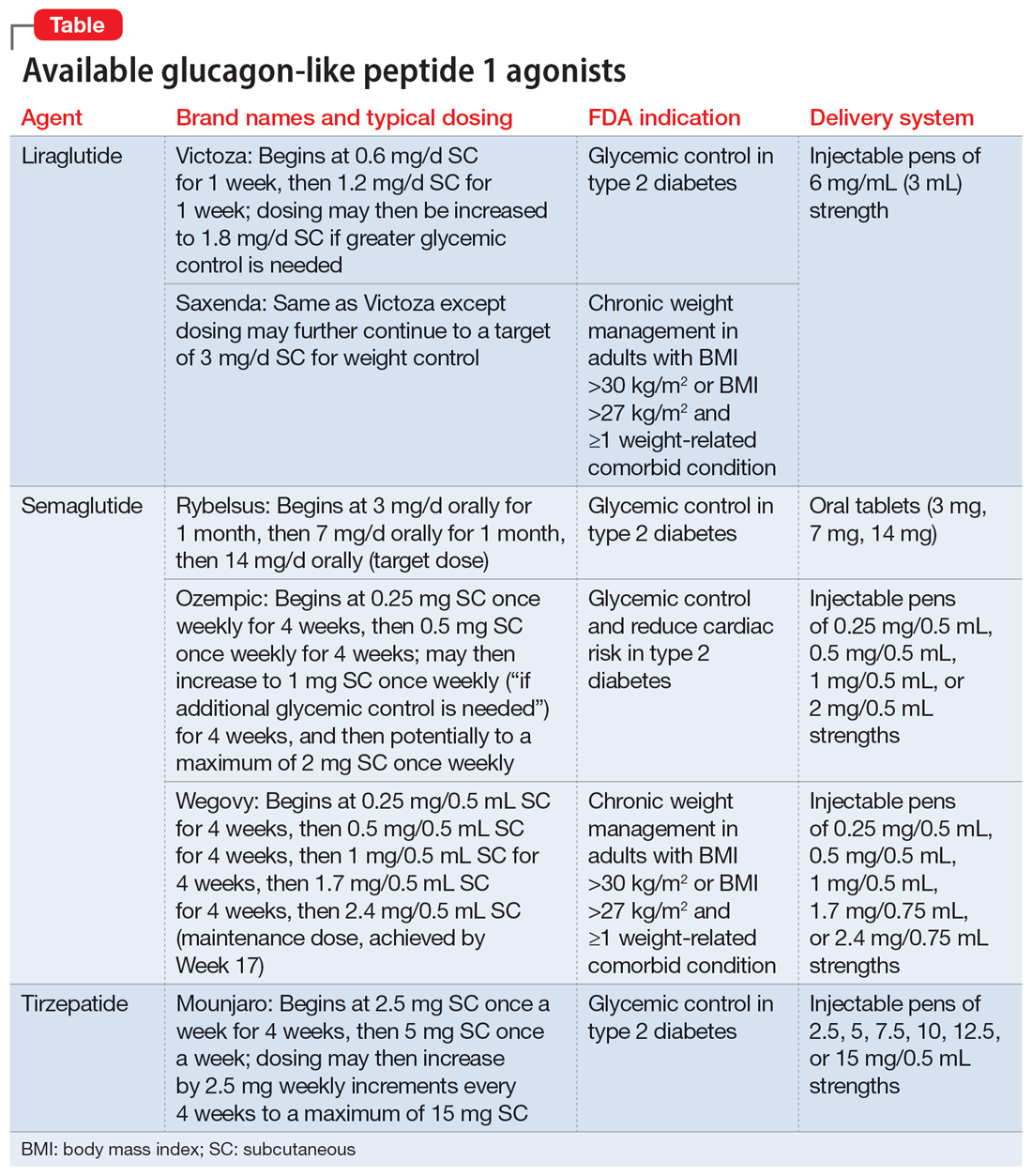
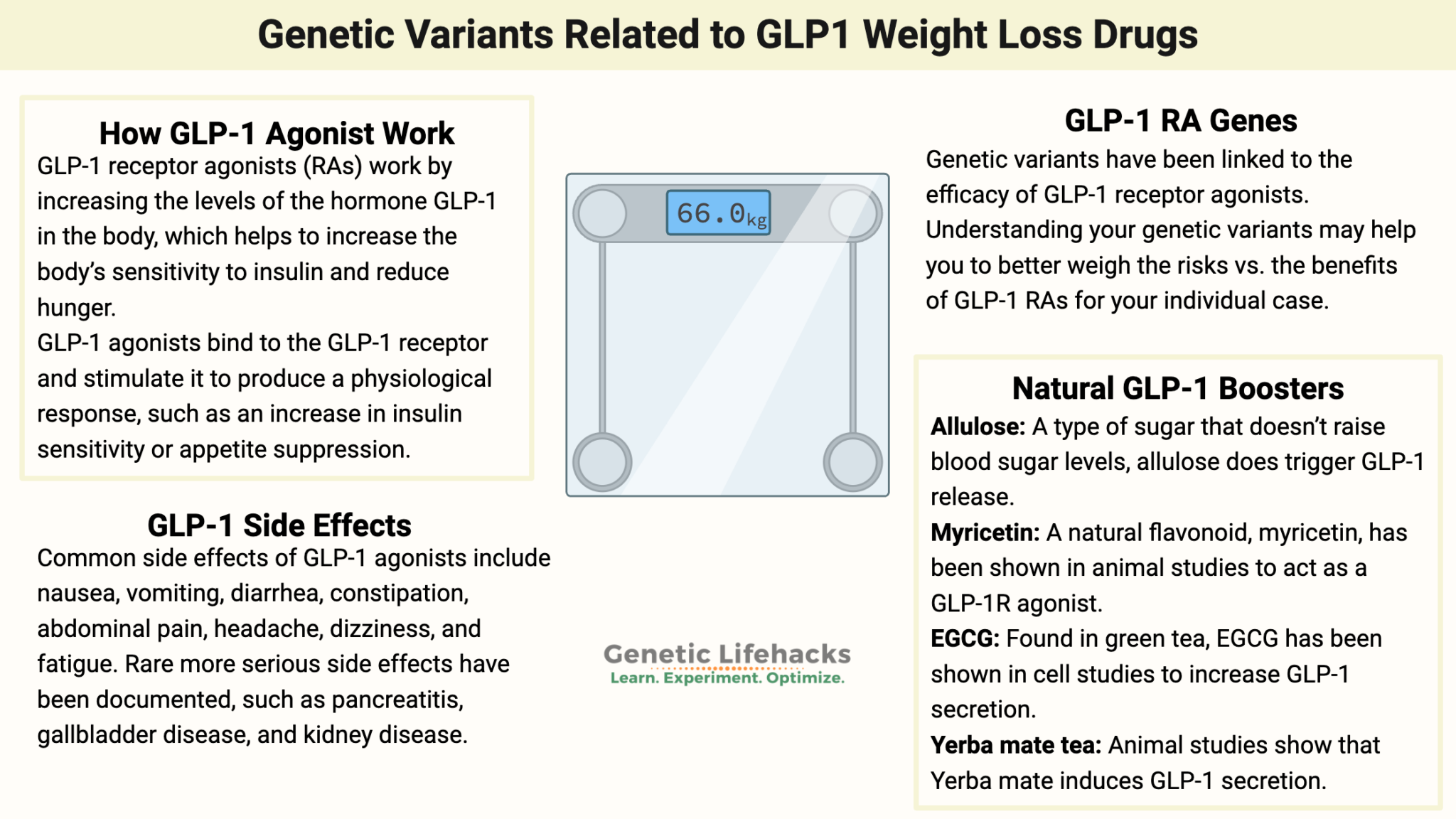
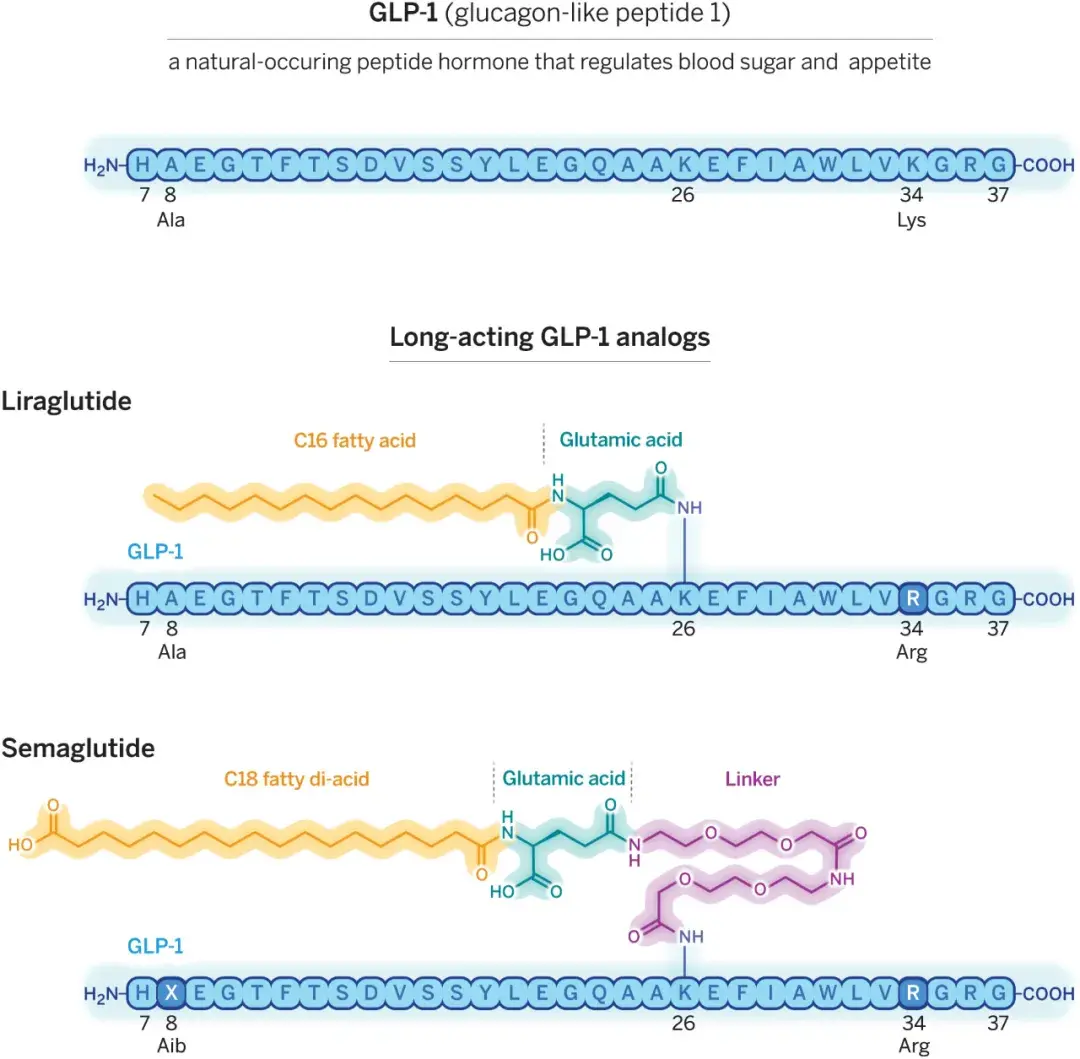
GLP-1 (Glucagon-Like Peptide-1) medications are a type of weight loss medication that mimics the hormone GLP-1, which plays a key role in appetite and hunger regulation. These medications, such as Ozempic and Wegovy, work by slowing down gastric emptying, increasing satiety, reducing hunger and food cravings, and influencing reward pathways related to eating behavior.
The Link Between Emotions and Eating

For many people, weight loss is not just about food choices but about the emotions tied to eating. Stress, sadness, boredom, or celebration can lead to overeating, making it harder to stick to a diet. This is where GLP-1 medications like semaglutide and tirzepatide may offer support. Besides their appetite-suppressing effect, GLP-1 acts on areas of the brain involved in stress response and emotion regulation.
The Limitations of GLP-1 Medications
While GLP-1 medications have shown promise in weight loss, research suggests that they may not be as effective for individuals who overeat due to emotional triggers. A study published in Clinical Diabetes and Healthcare found that GLP-1 receptor agonists (GLP-1s) may be less effective for individuals who overeat due to emotional triggers. This is because GLP-1 medications primarily work on physiological mechanisms, whereas emotional eating involves complex psychological and behavioral patterns.