GLP-1 Effects on Free Fatty Acid Metabolism: Unlocking the Metabolic Secrets of a Key Hormone
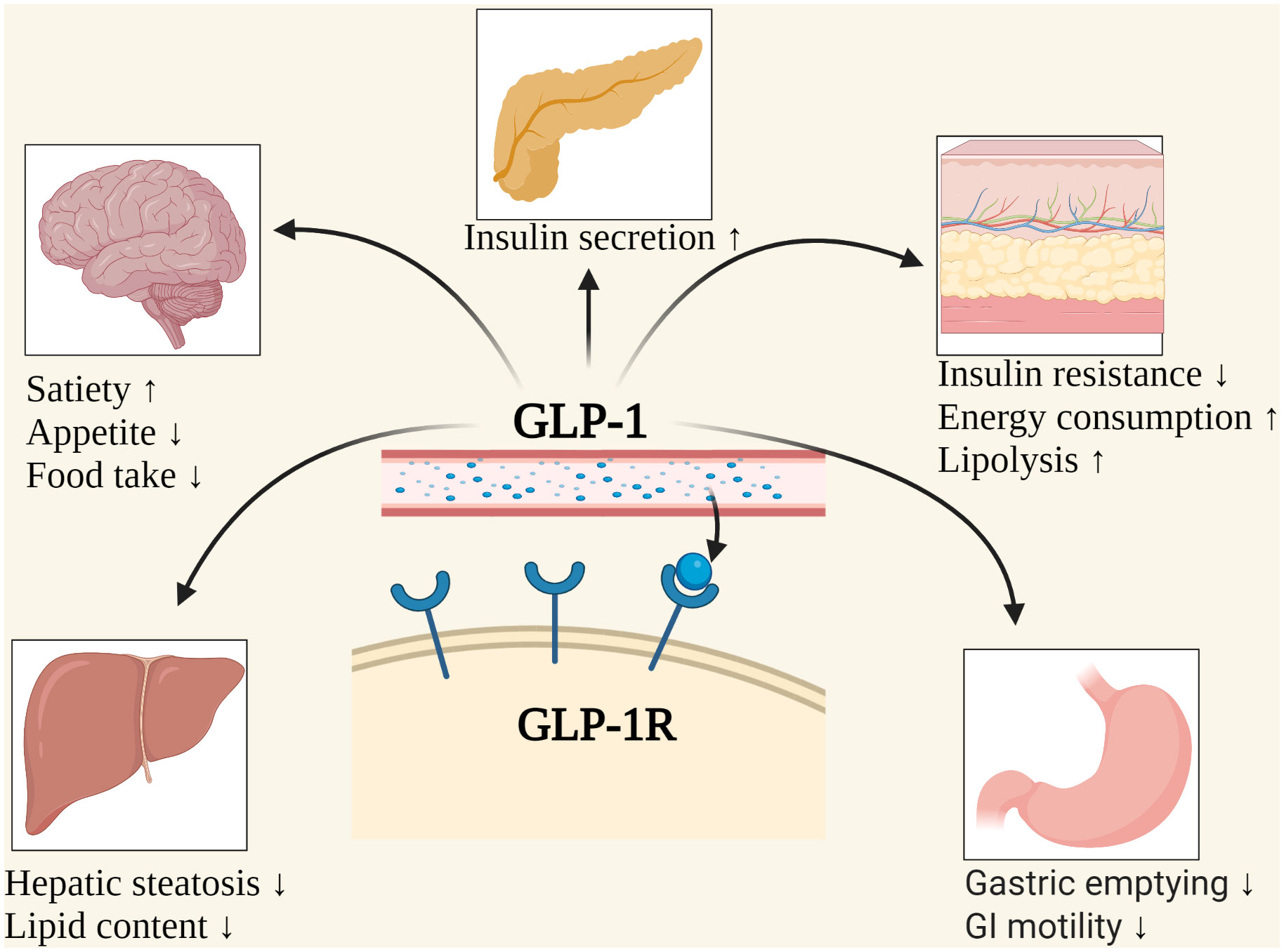
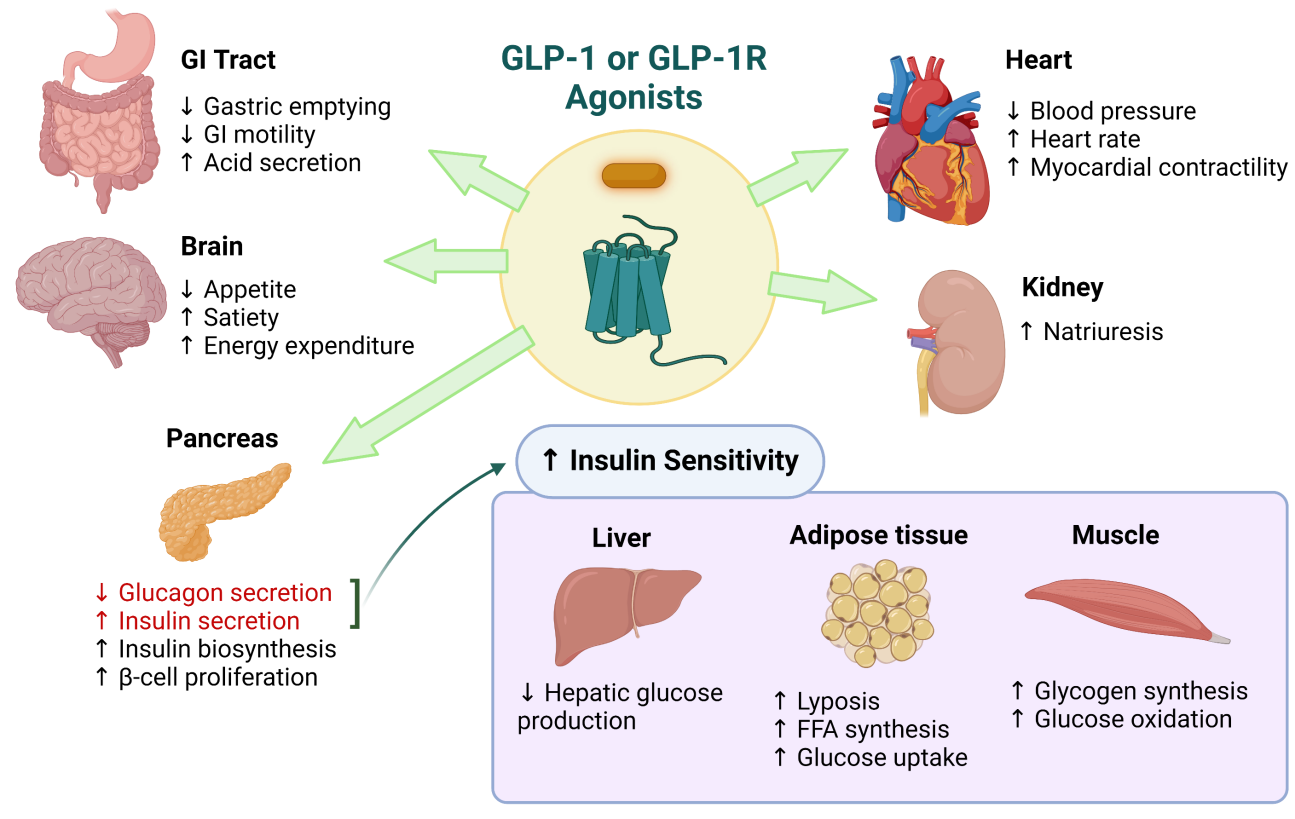
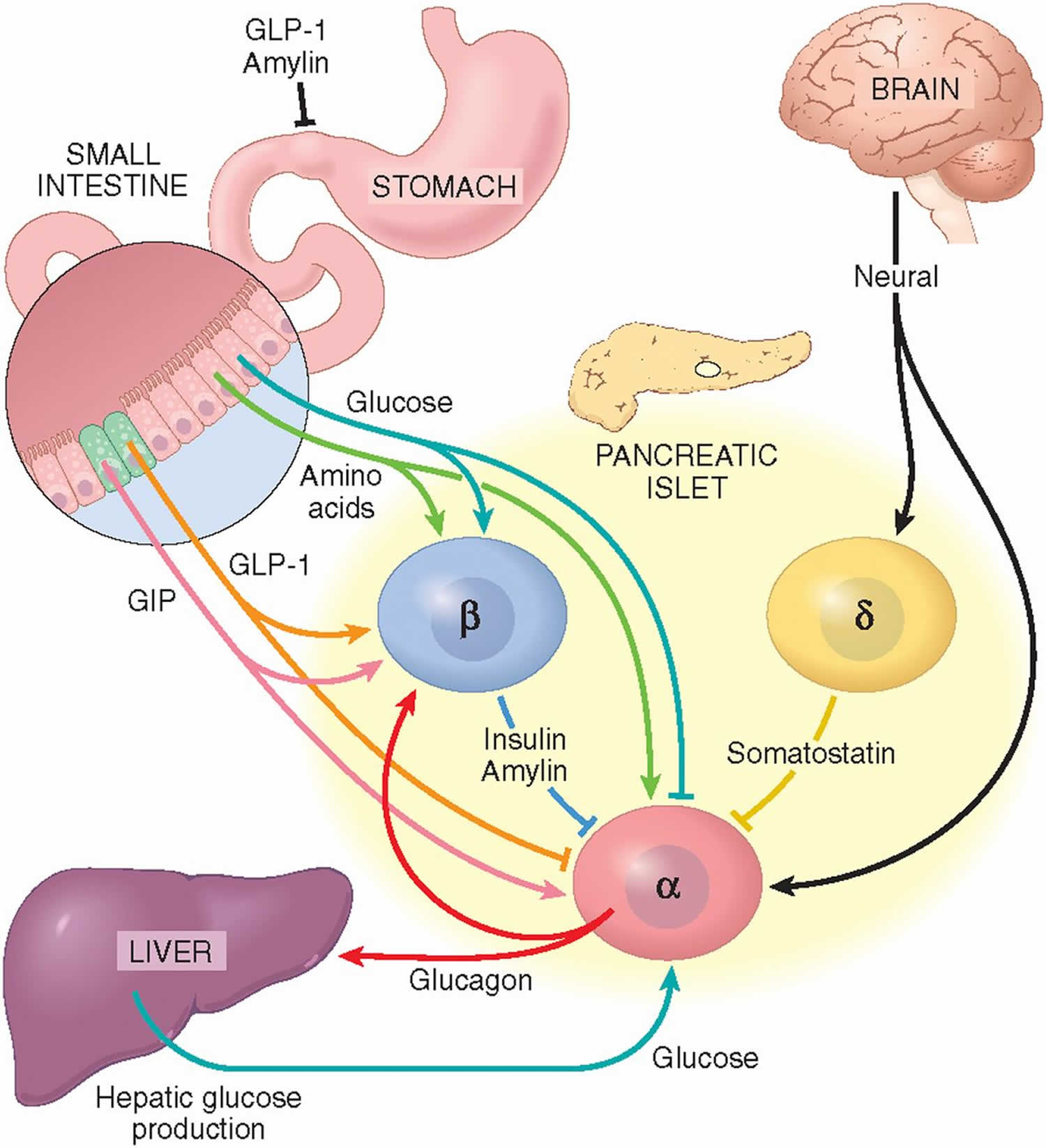
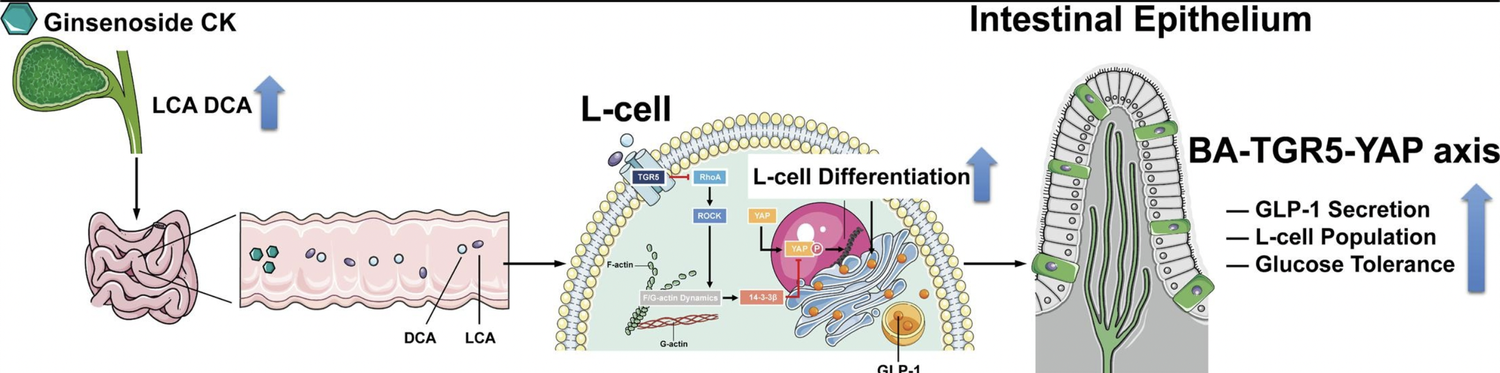
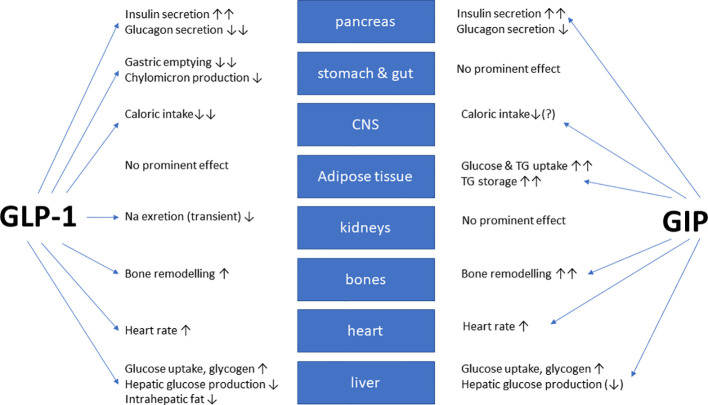
Glucagon-like peptide-1 (GLP-1) is a hormone produced by the intestinal L-cells, playing a crucial role in regulating energy metabolism, glucose levels, and appetite. Among its wide-ranging effects, GLP-1 has a significant impact on free fatty acid (FFA) metabolism, which has garnered significant attention in the context of metabolic diseases, including obesity and type 2 diabetes. In this article, we delve into the mechanisms behind GLP-1's effects on FFA metabolism, reviewing recent studies and shedding light on the potential therapeutic implications.
GLP-1 and Lipid Metabolism: The Connection
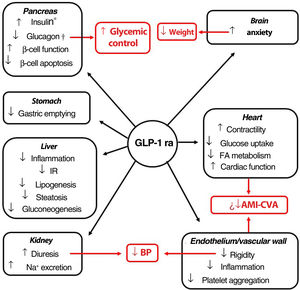
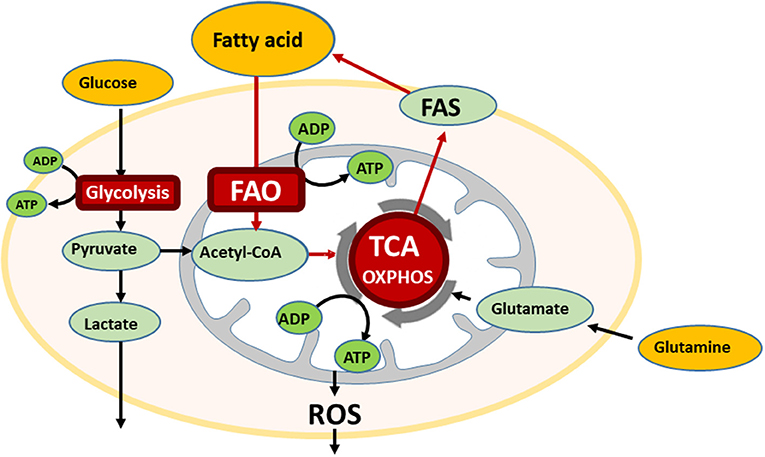
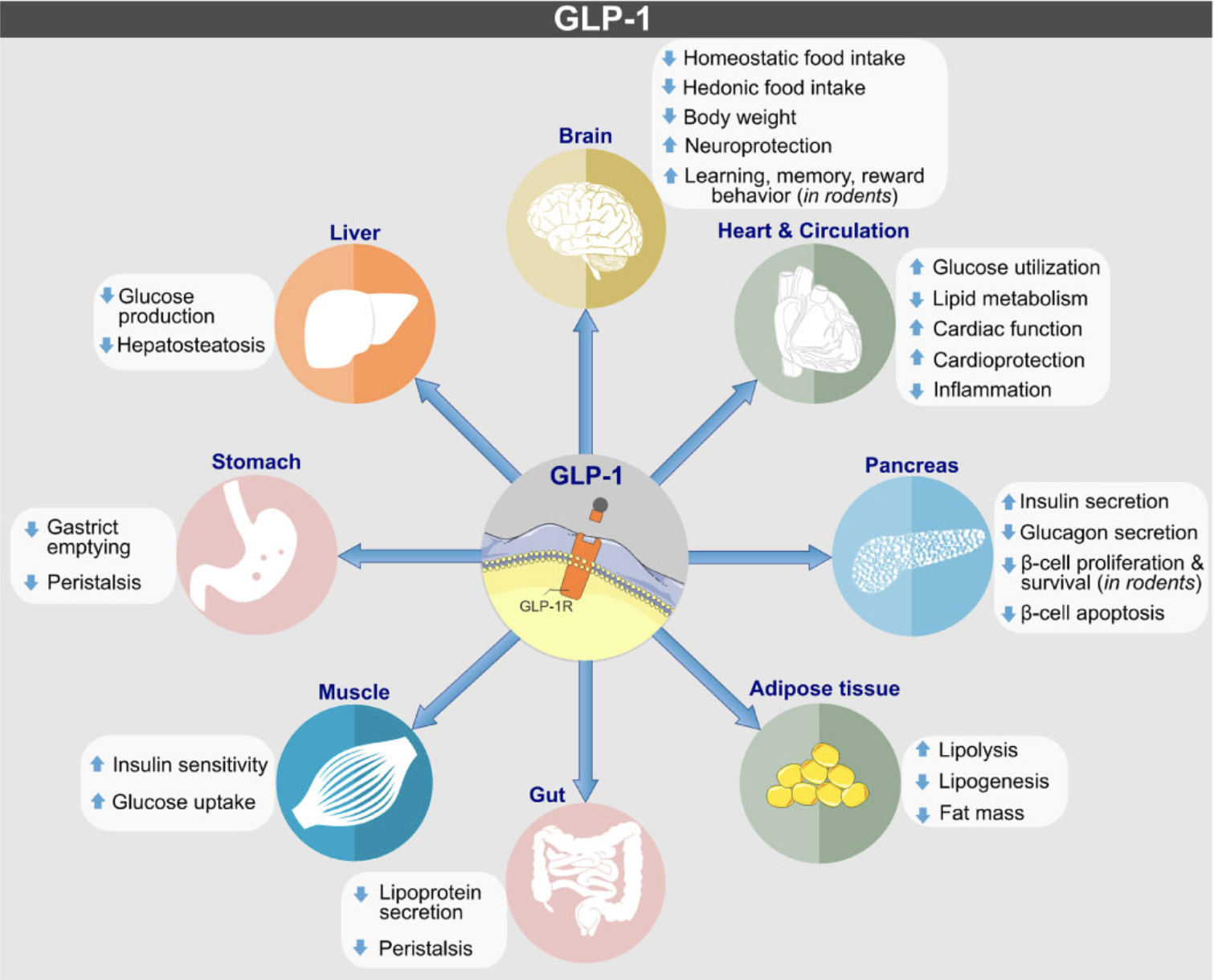
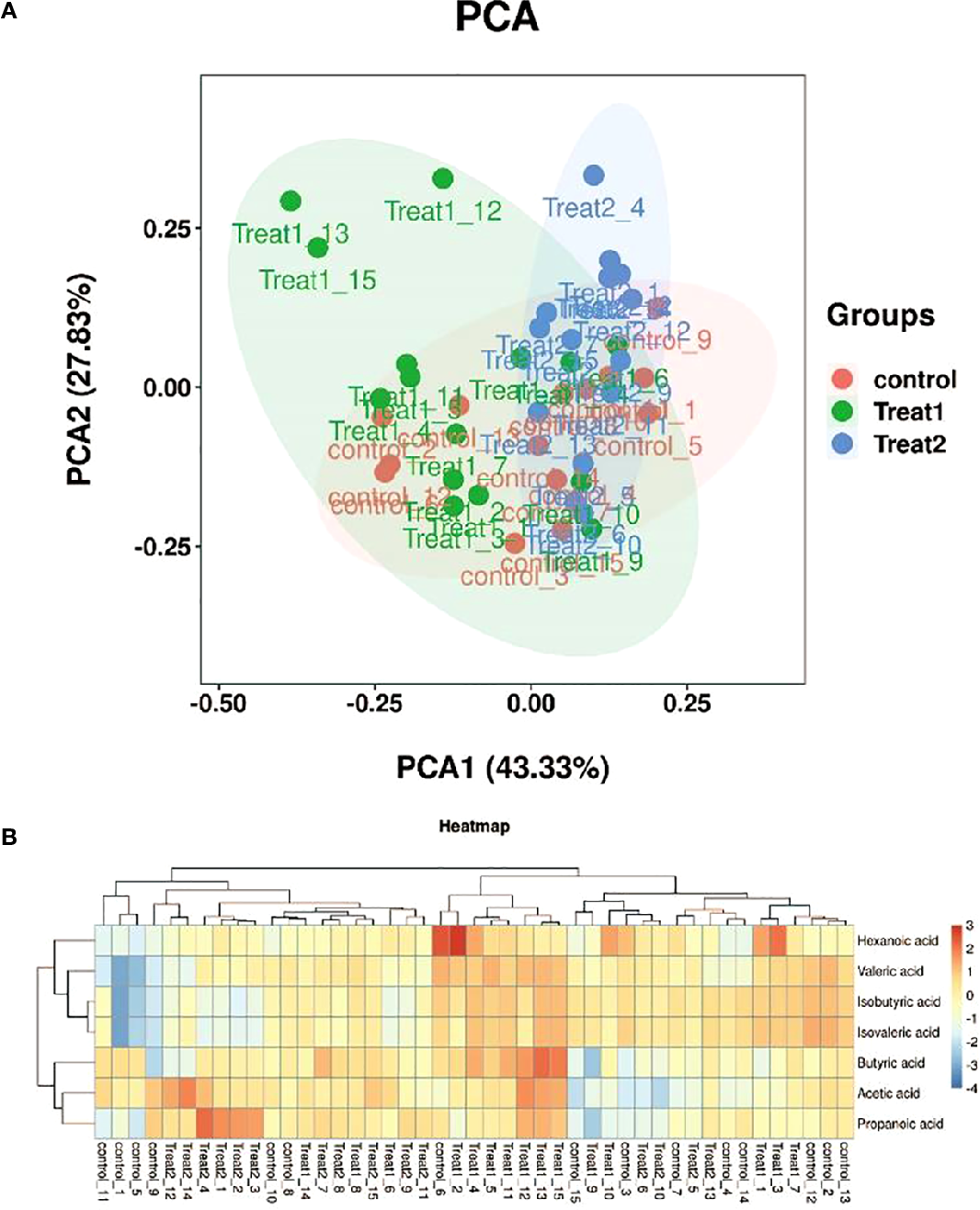
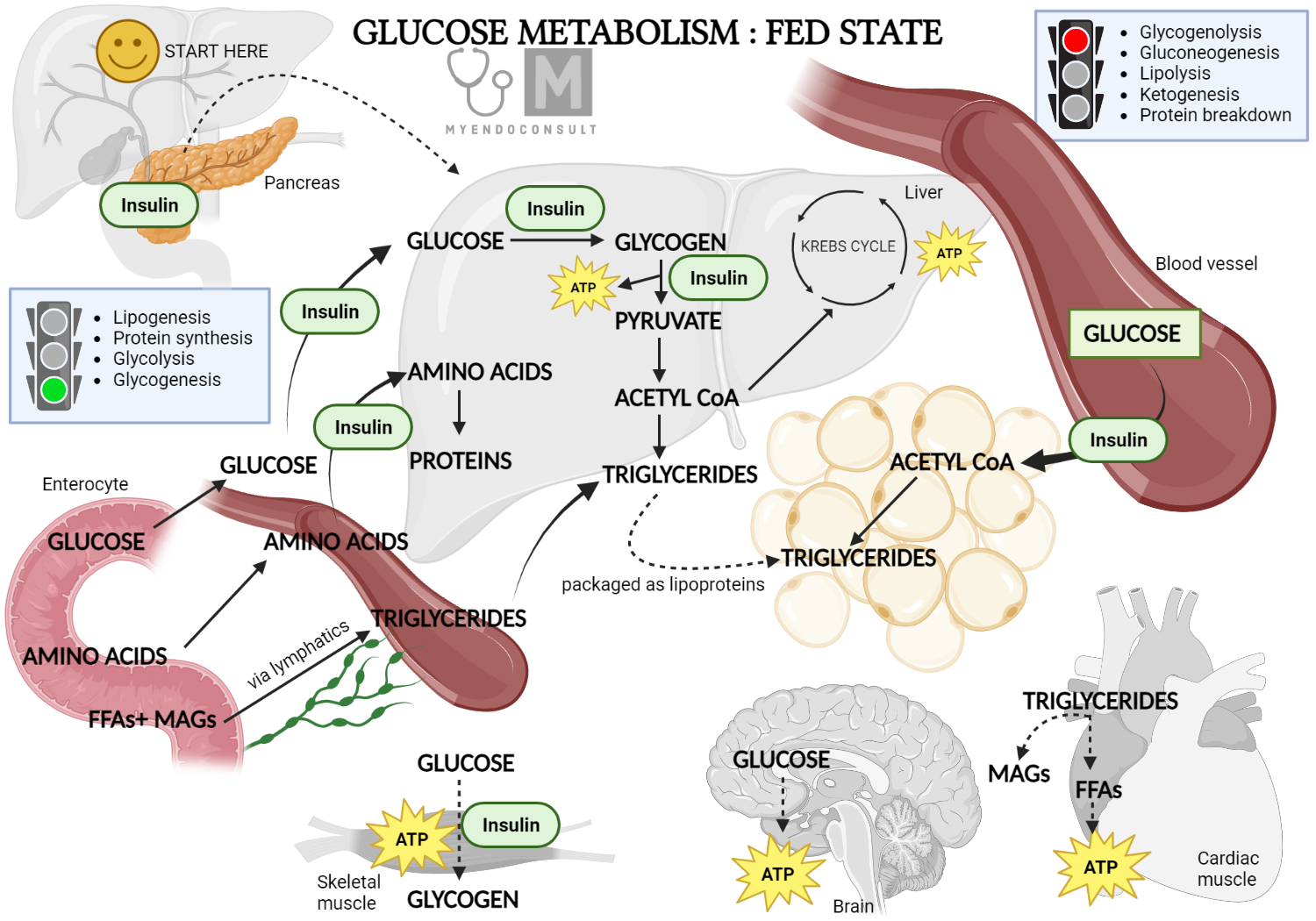
Recent research has highlighted GLP-1's role in lipid metabolism, particularly in relation to the regulation of FFAs. FFAs are an important energy source for many cells in the body, but their increased levels are associated with insulin resistance and metabolic disorders. GLP-1, through its receptors on adipose tissue, can inhibit FFAs' entry into the bloodstream, thereby reducing lipid availability and protecting the body from lipotoxicity.
- Lipid-induced insulin resistance: GLP-1's impact on the metabolic disturbances associated with excessive FFAs provides insights into its potential therapeutic value in obesity and type 2 diabetes.
- Anti-lipotoxic effect: GLP-1's ability to inhibit FFAs' entry into the bloodstream could mitigate the deleterious effects of FFAs on cellular function, including insulin sensitivity, oxidative stress, and inflammation.