GLP-1 and Keto for Autoimmune Disease: A Promising Approach
Autoimmune diseases are a group of conditions characterized by an abnormal immune response, leading to chronic inflammation and damage to various tissues and organs. According to the National Institutes of Health, autoimmune diseases affect over 50 million people in the United States alone. While conventional treatments focus on managing symptoms and reducing inflammation, researchers are exploring innovative approaches to tackle autoimmune diseases. In this article, we will delve into the promising world of GLP-1 and keto for autoimmune disease.
GLP-1: A Potential Game-Changer for Autoimmune Diseases
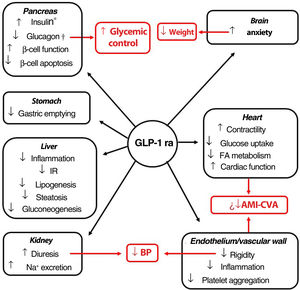
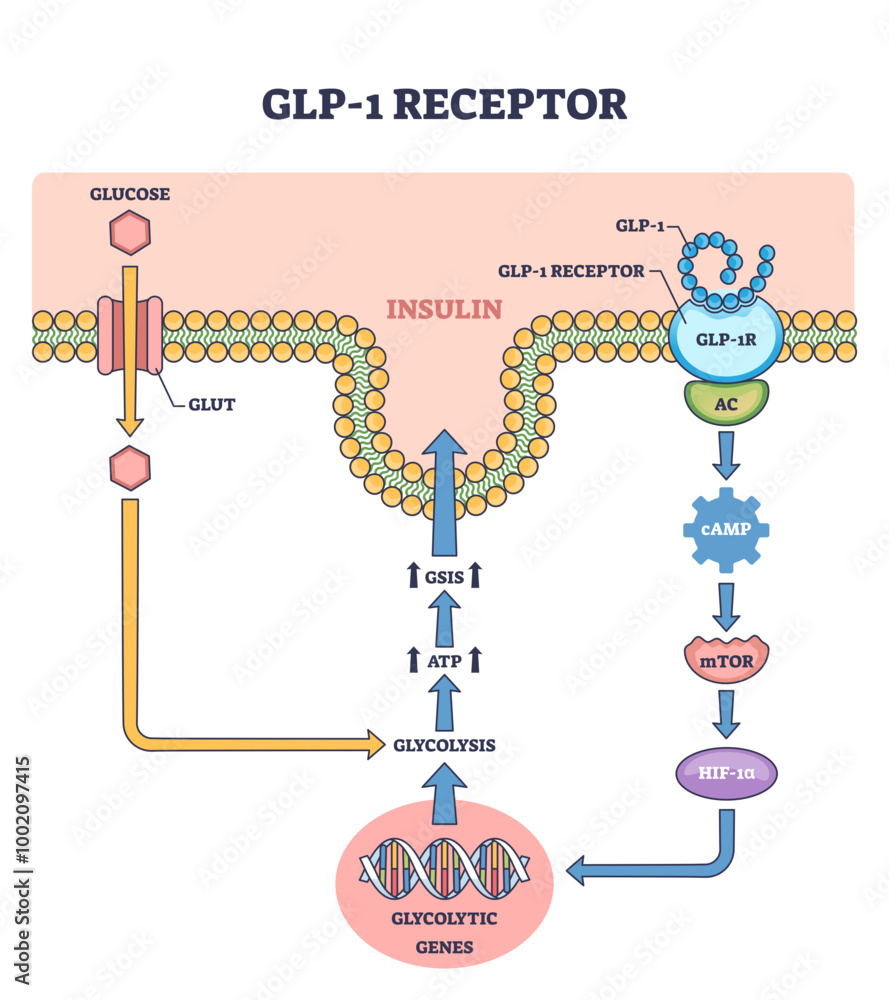
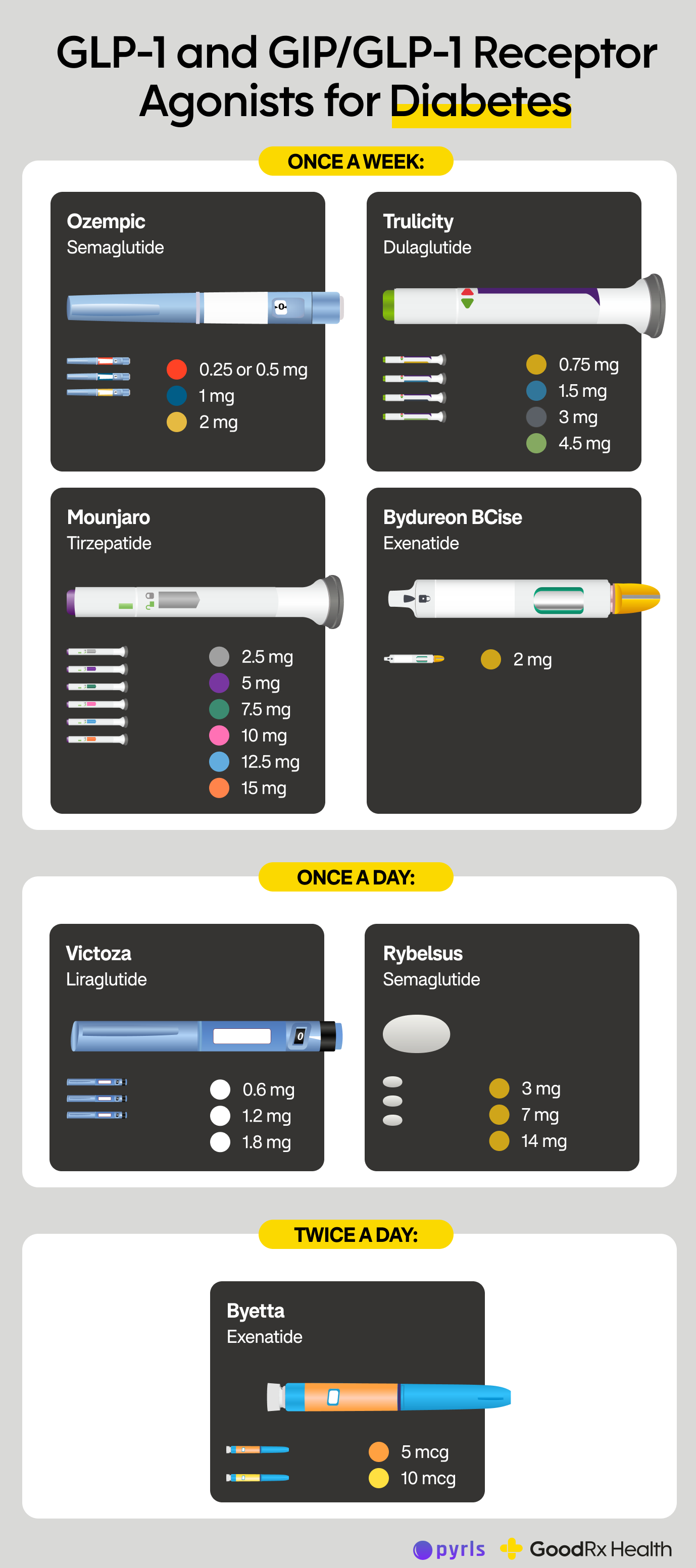
Glucagon-like peptide-1 (GLP-1) receptor agonists have been shown to have therapeutic benefits in diabetes management. However, their potential association with autoimmune diseases remains an area of ongoing research. Emerging evidence suggests that GLP-1 may reduce inflammation, regulate the gut-immune axis, and support cellular health, making it a potential candidate for treating autoimmune diseases.

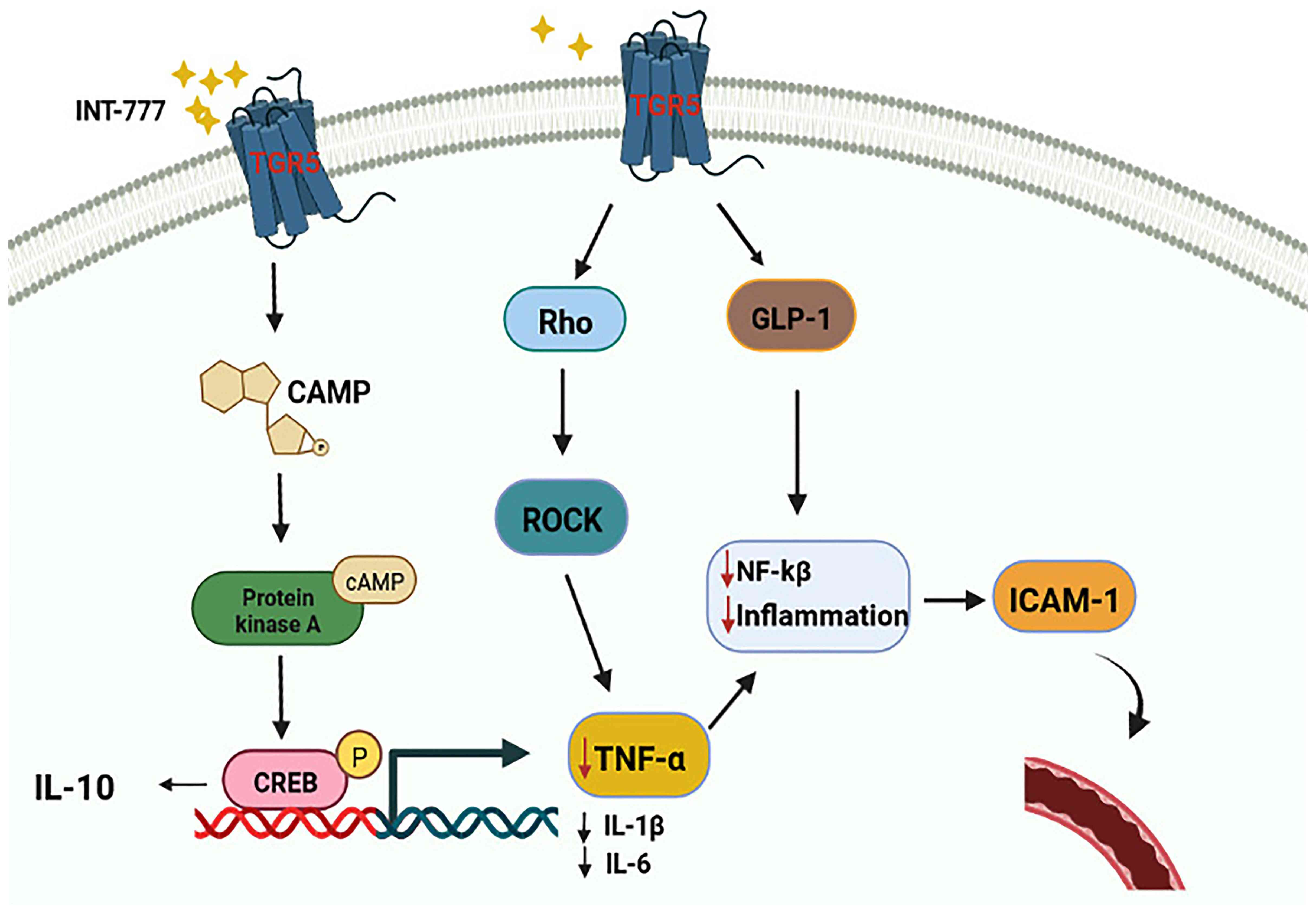
- GLP-1 agonists decrease the production of pro-inflammatory cytokines, such as TNF-alpha, IL-1β, and IL-6, which are commonly elevated in autoimmune diseases.
- They increase the body's anti-inflammatory response by boosting IL-10 and similar molecules, which help to reduce inflammation and promote healing.
Keto and Autoimmune Disease: A Promising Combination
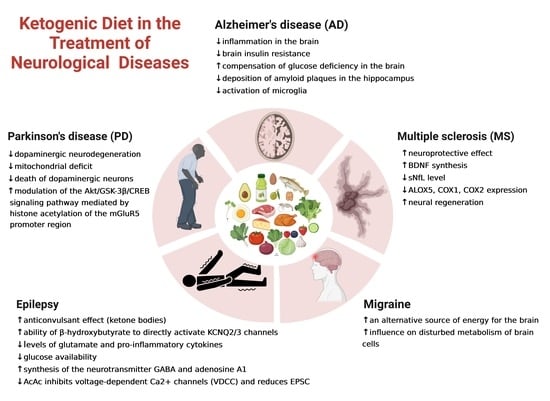
The ketogenic diet, which involves restricting carbohydrate intake and increasing fat consumption, has been shown to have anti-inflammatory effects and improve metabolic health. Emerging research suggests that keto may be a useful adjunct therapy for autoimmune diseases, particularly when combined with GLP-1 agonists.