Carbon Pricing Mechanisms Comparison: A Comprehensive Overview
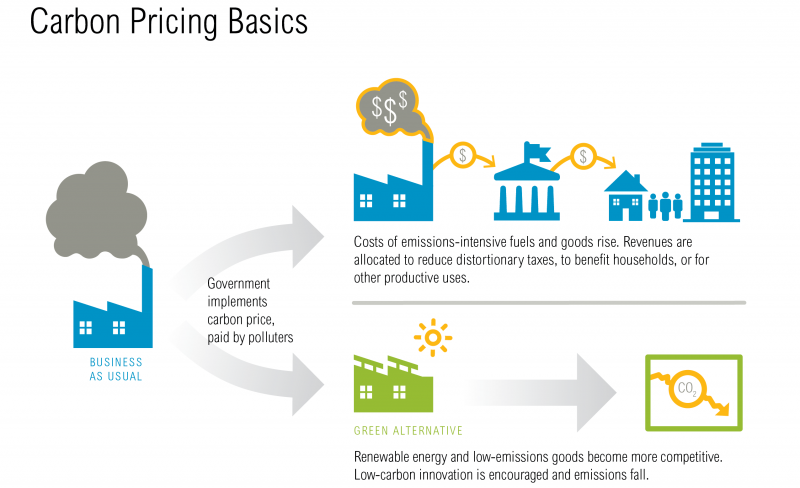
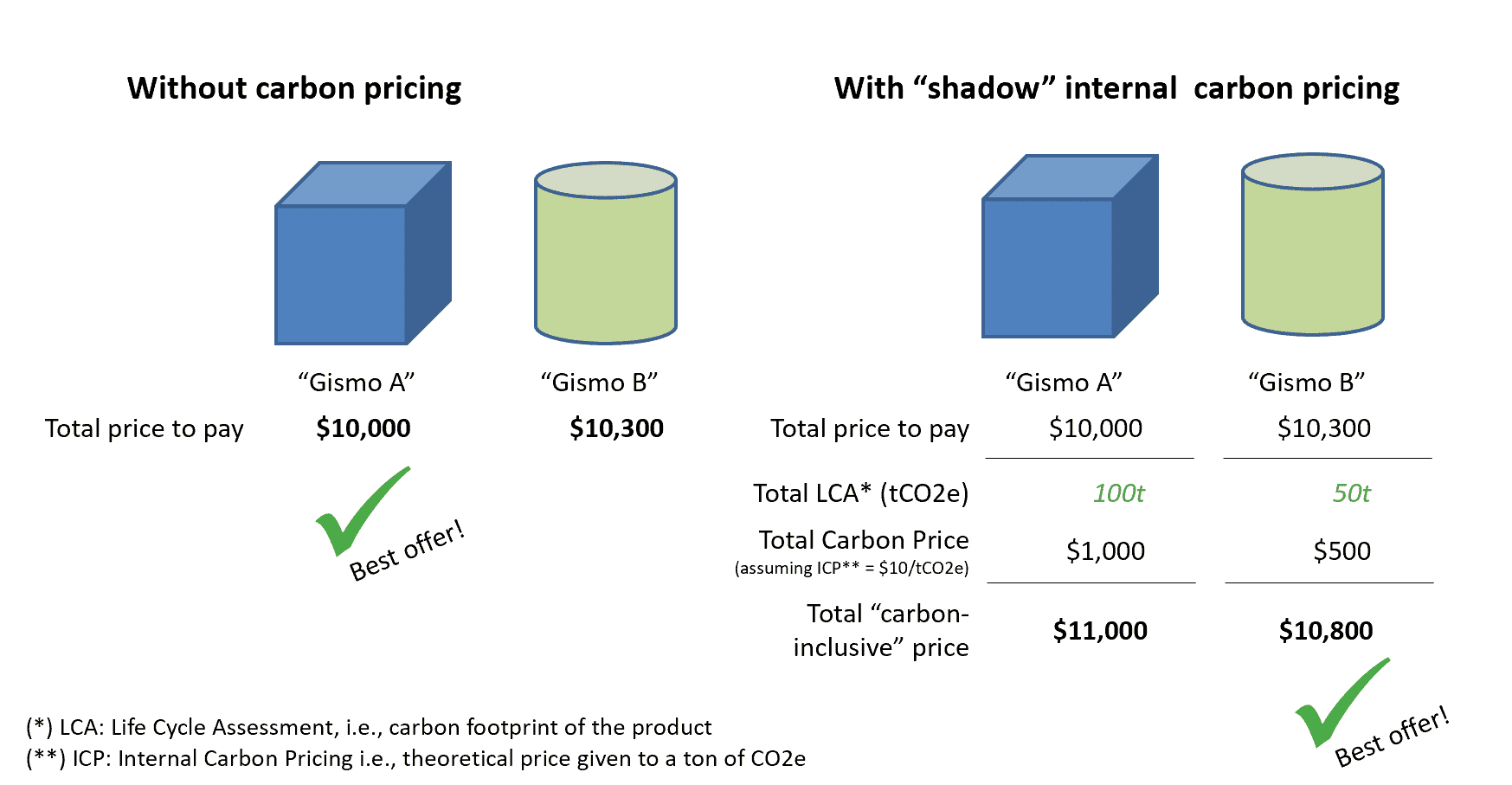
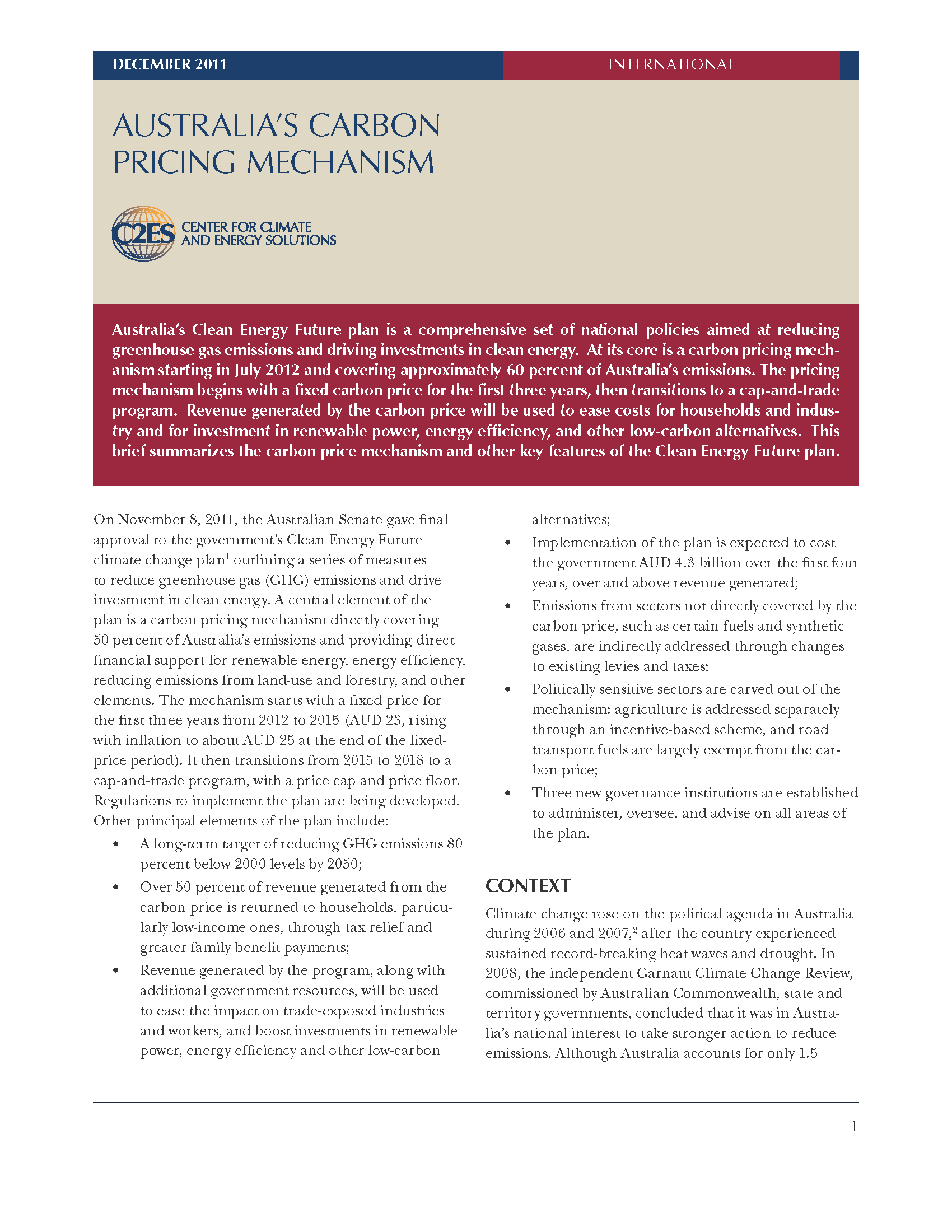
Countries around the world are implementing carbon pricing mechanisms to mitigate climate change and reduce greenhouse gas emissions. The choice of carbon pricing mechanism depends on various factors, including the specific context, policy goals, and administrative capacity. In this article, we will compare different carbon pricing mechanisms and explore their implications for climate policy.
Types of Carbon Pricing Mechanisms
There are several types of carbon pricing mechanisms, including:
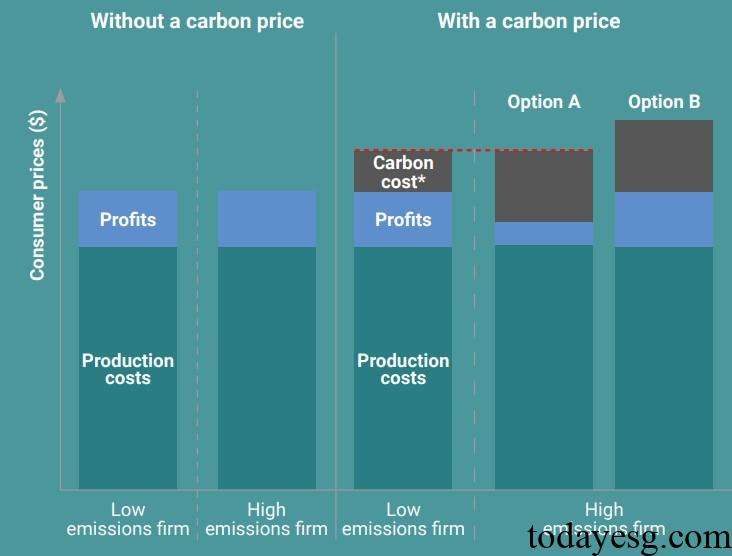
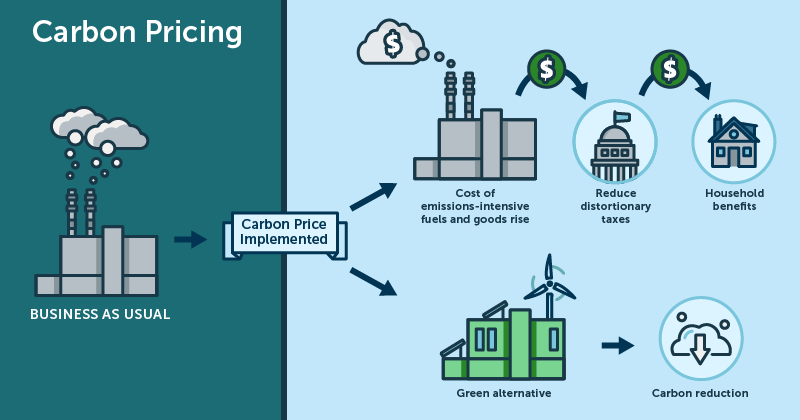
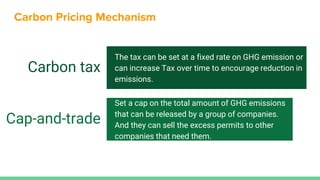
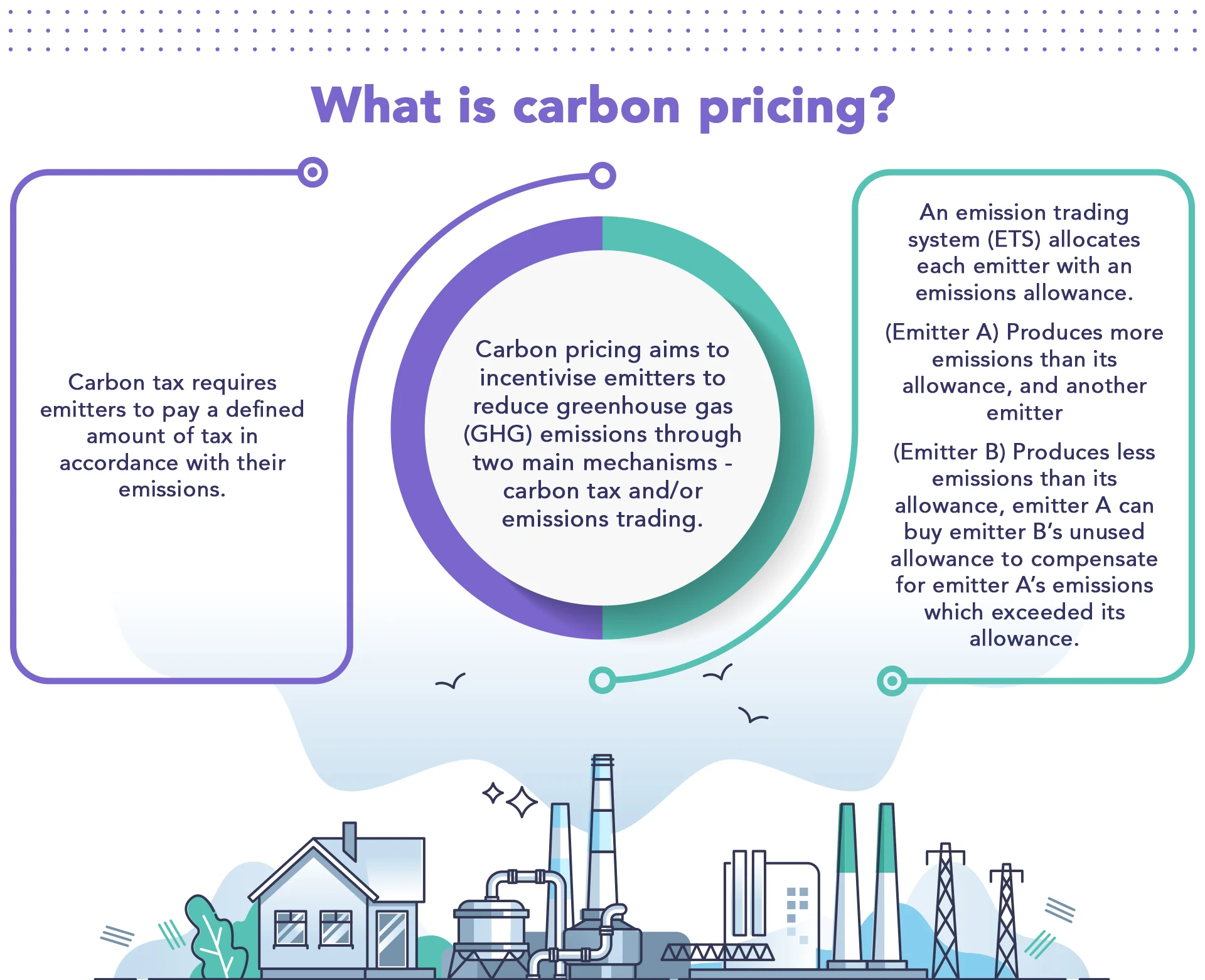
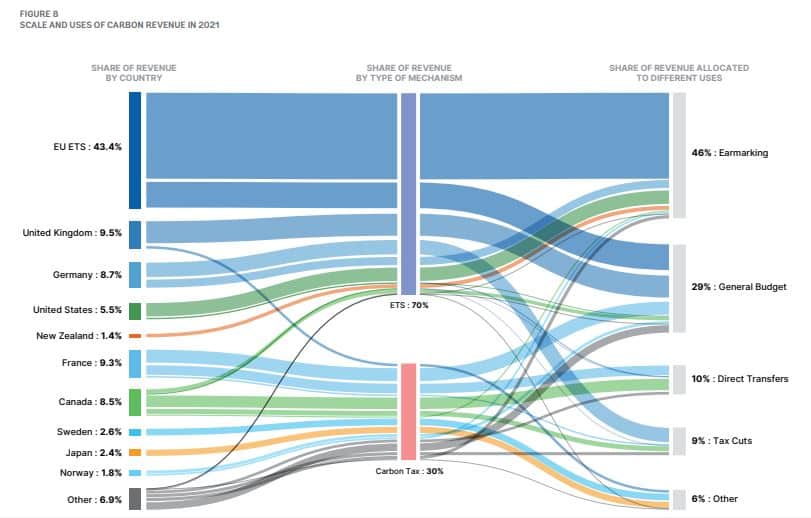
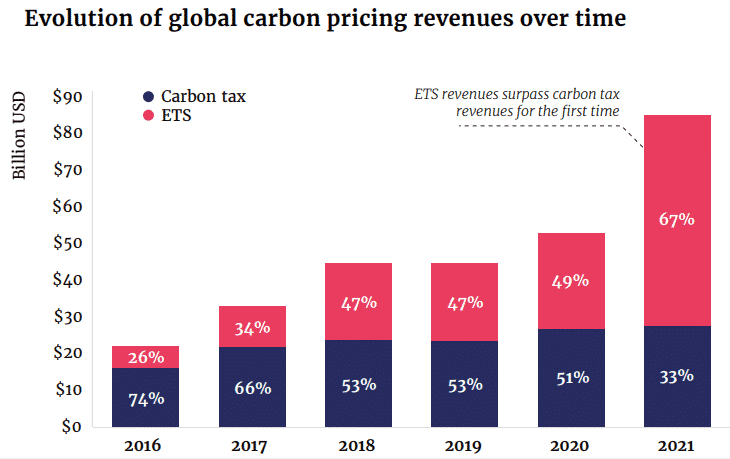
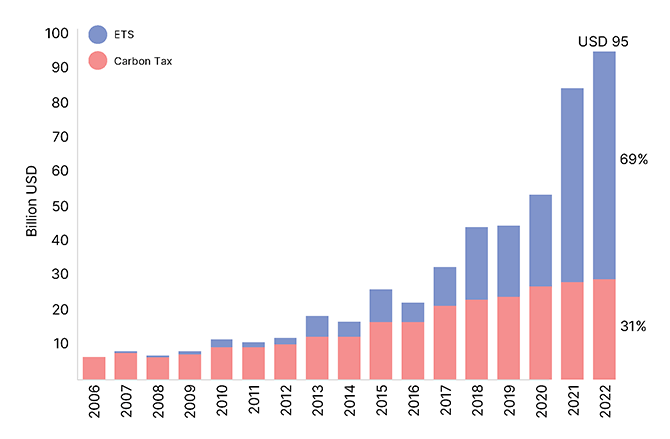
- Carbon Taxes: A carbon tax is a direct tax on carbon emissions, where a set price is applied to each ton of CO2 emitted. The revenue generated from the tax is typically used to fund low-carbon initiatives or returned to households.
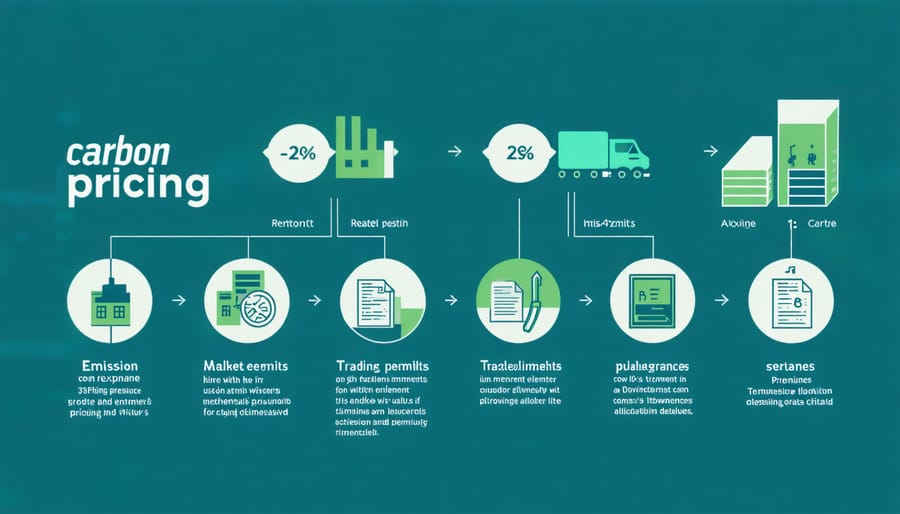
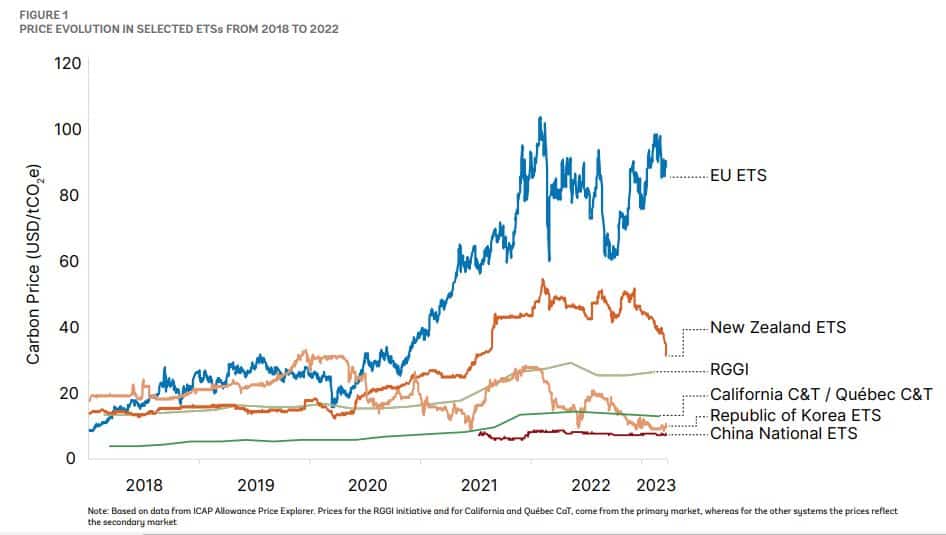
- Cap-and-Trade Systems: A cap-and-trade system sets a limit on the total amount of emissions allowed within a certain sector or economy. Companies that exceed their emission allowance must purchase additional allowances from those that have spare allowances. This creates a market for emissions allowances, providing a financial incentive to reduce emissions.
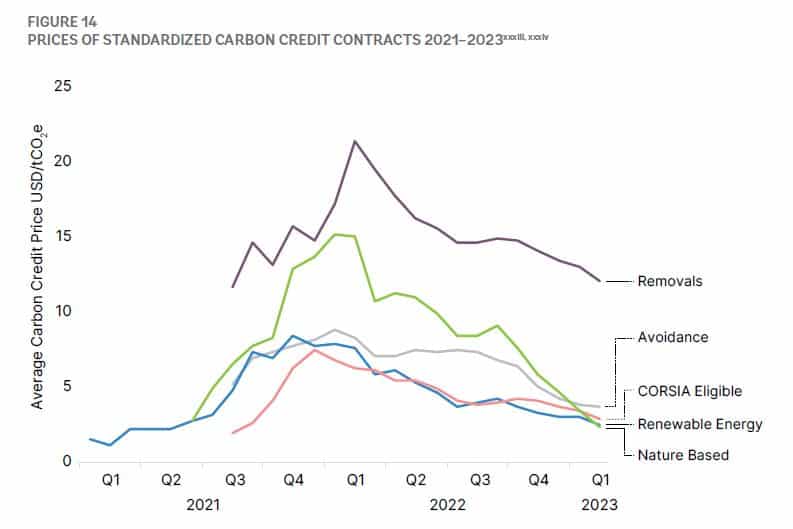
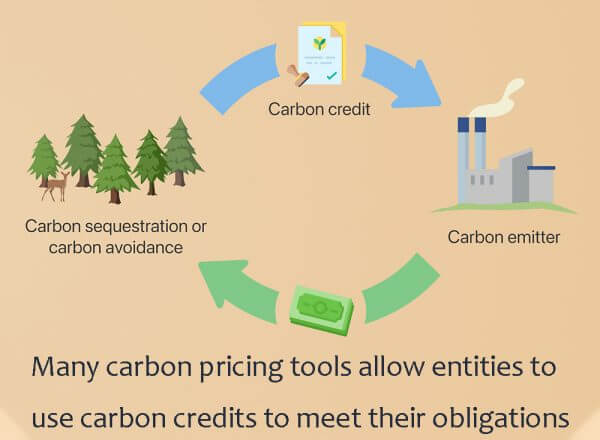
- Carbon Credit Mechanisms: A carbon credit mechanism allows companies to offset their emissions by purchasing credits from projects that reduce emissions elsewhere. This can include projects such as reforestation, renewable energy, or energy efficiency upgrades.
- Border Carbon Adjustments: A border carbon adjustment is a mechanism that imposes a carbon price on imported goods from countries without a carbon price. This aims to level the playing field and prevent carbon-intensive companies from relocating to countries with weaker climate policies.