Uncovering the Link between GLP-1 and Food Preference
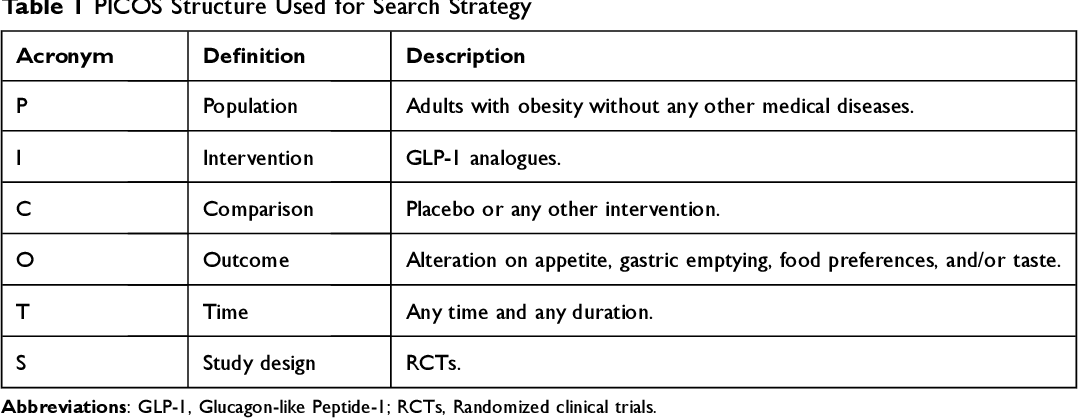
The rise of glucagon-like peptide-1 (GLP-1) agonists has transformed the way we think about weight loss and obesity management. While these medications have been shown to be effective in reducing body weight and improving glycemic control, research suggests that they may also have a profound impact on our food preferences. In this article, we'll delve into the complex relationship between GLP-1 and food preference, exploring the latest research and emerging trends in the field.
Background
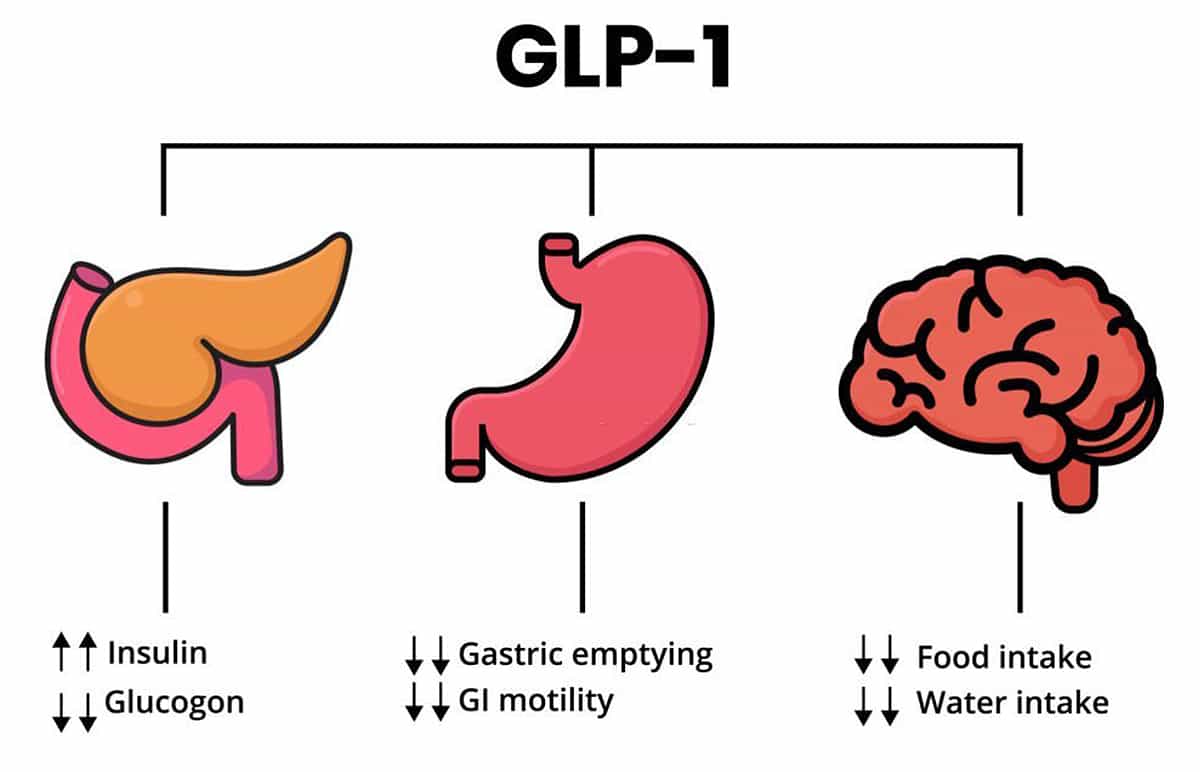
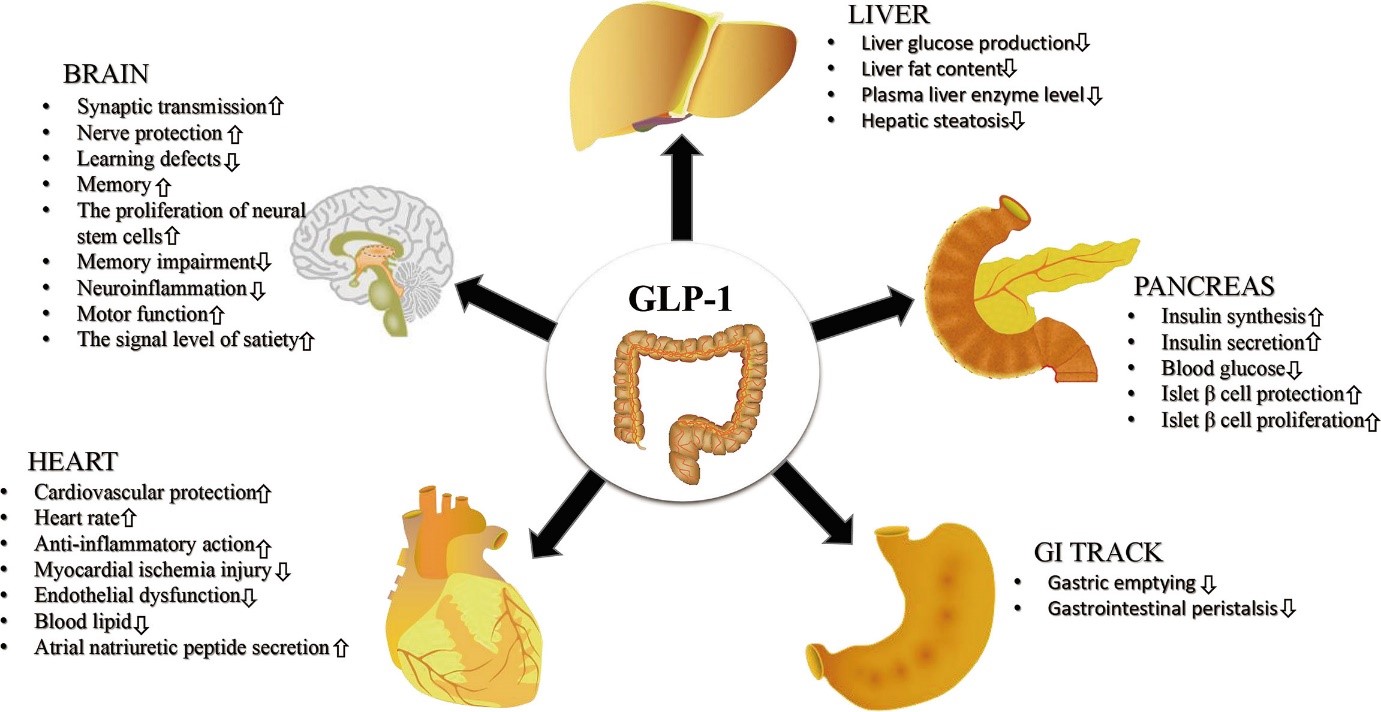
GLP-1 is an incretin hormone that plays a crucial role in regulating glucose metabolism and appetite. Secreted by L cells in the intestine, GLP-1 responds to food intake by stimulating insulin secretion and suppressing glucagon levels. In individuals with obesity or type 2 diabetes, GLP-1 levels are often reduced, contributing to impaired glucose metabolism and increased food motivation.
GLP-1 and Food Preference: The Emerging Connection
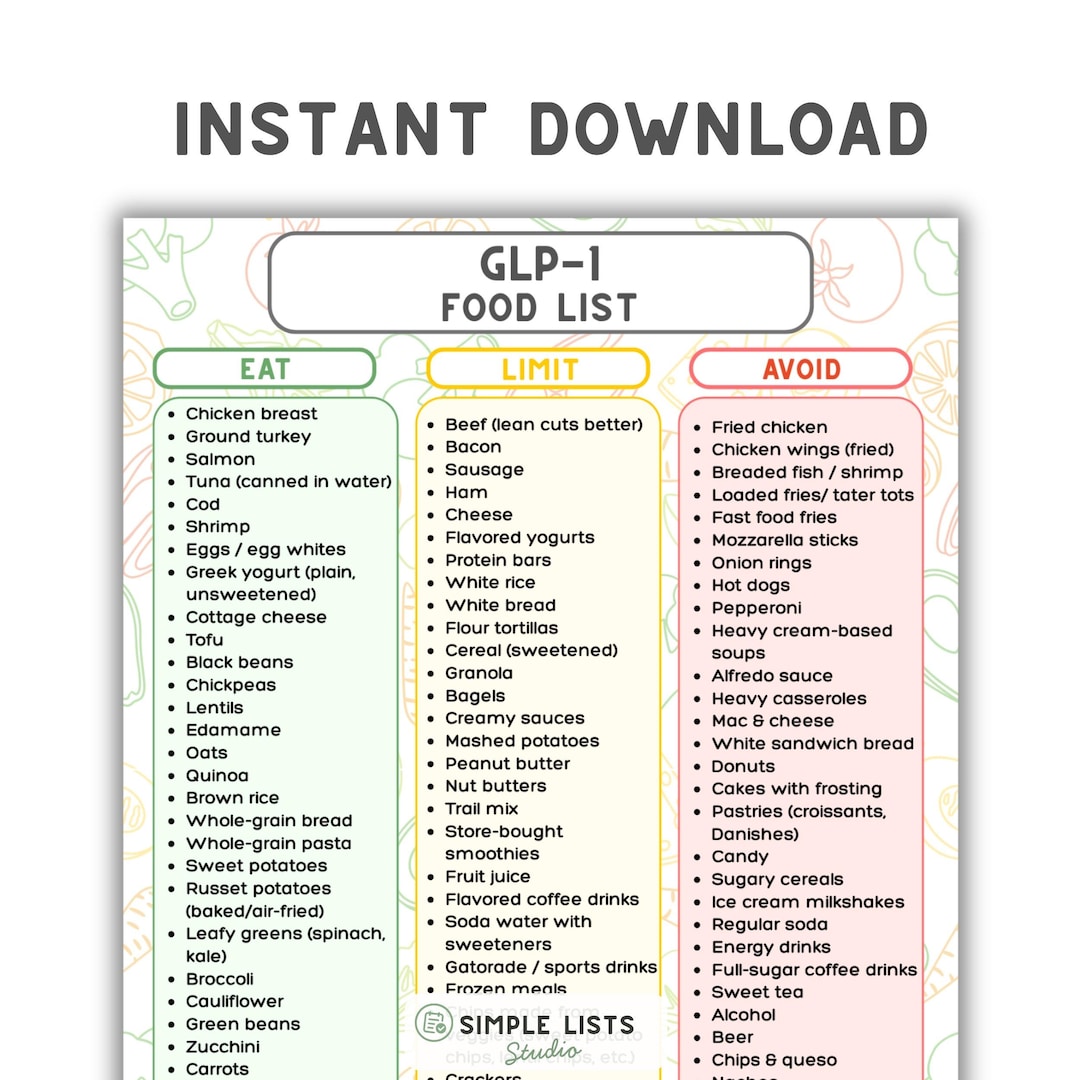
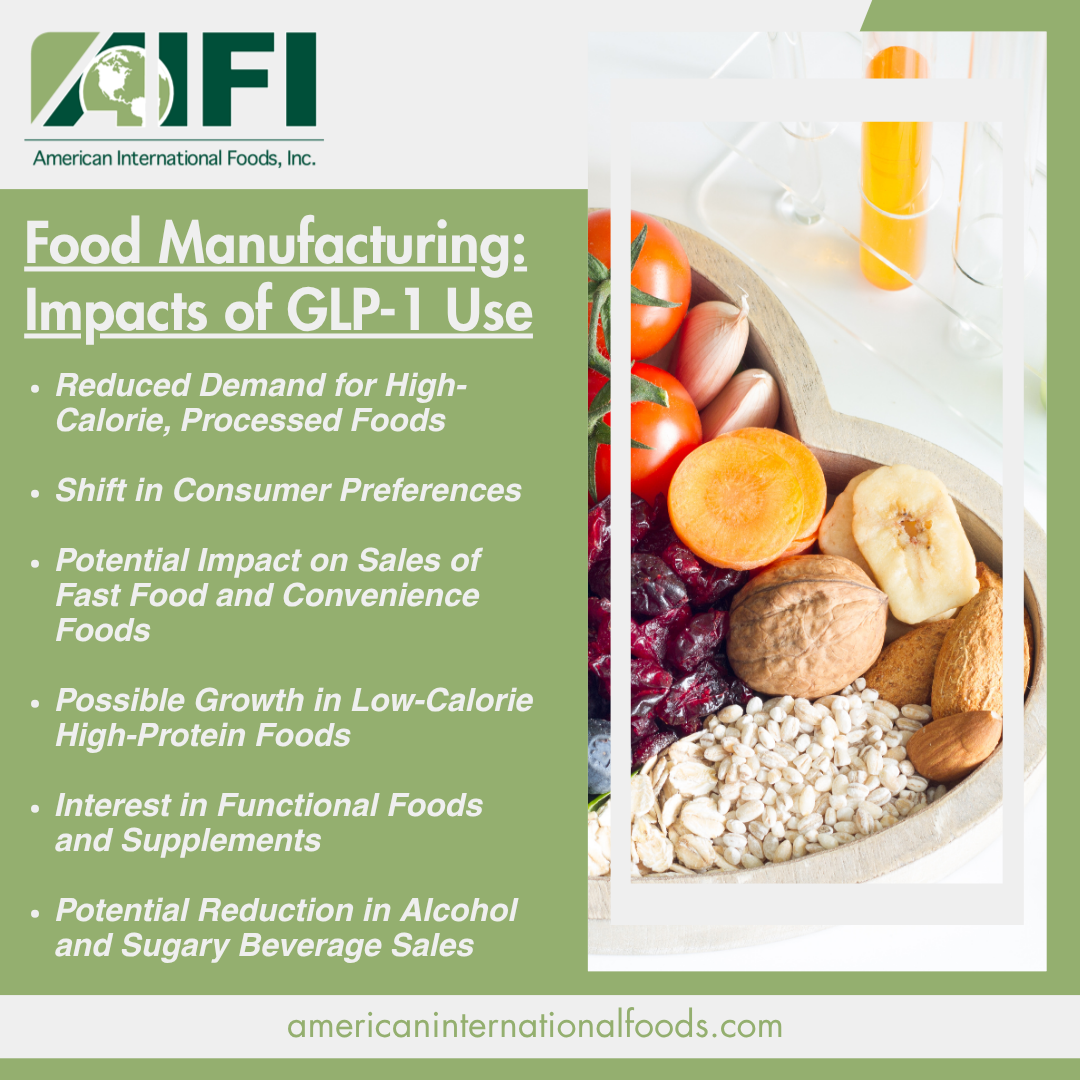
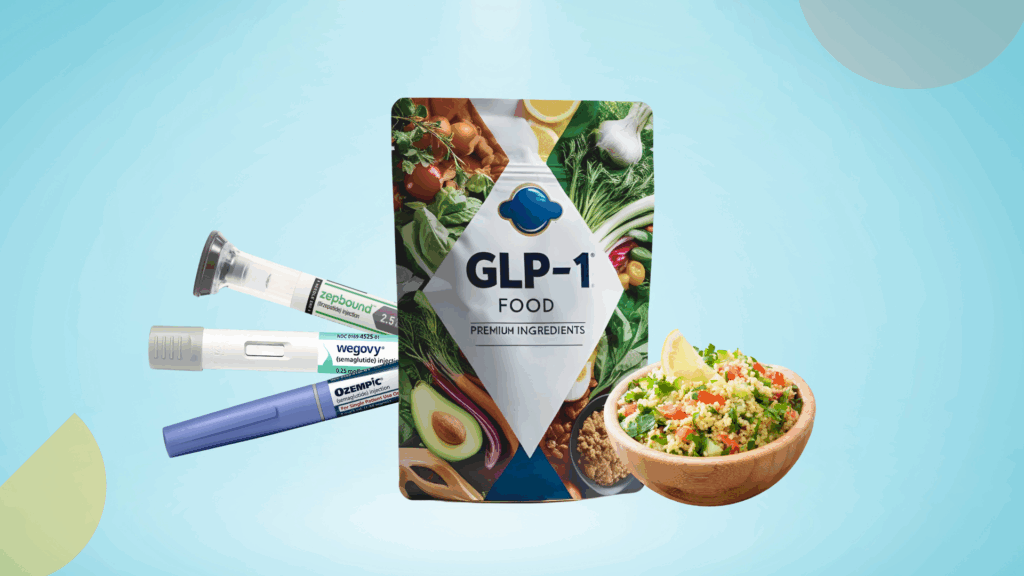
Studies have shown that GLP-1 analogs can alter food preferences and reduce food intake in individuals with obesity. One of the primary mechanisms underlying this effect is the activation of GLP-1 receptors in the brain, which modulates food reward and motivation. By influencing the brain's reward circuitry, GLP-1 analogs can reduce the appeal of high-energy dense foods and promote a preference for nutrient-dense options.