GLP-1 and Emotional Eating Habits: Understanding the Connection
Emotional eating is a complex issue that affects millions of people worldwide. It's not just about appetite, but also about emotional patterns and habits built over time. Glucagon-like peptide-1 (GLP-1) receptor agonists have been found to influence appetite and eating behaviors, but they may not eradicate the underlying emotional reasons for overeating.
The Role of GLP-1 in Appetite Regulation
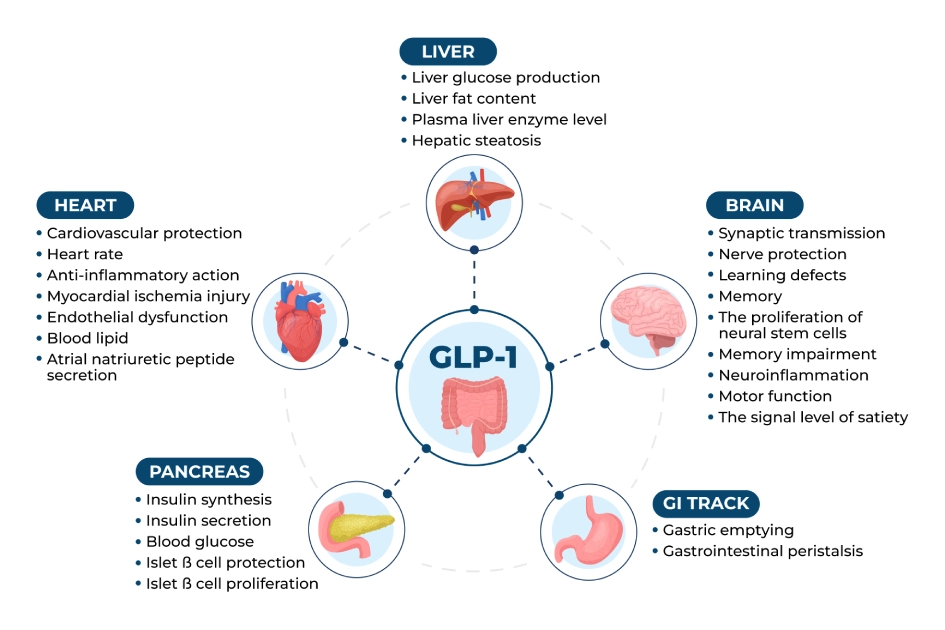
GLP-1 medications mimic the hormone that slows gastric emptying, increases satiety, and reduces hunger and food cravings. This hormone plays a crucial role in appetite regulation, and its influence on eating behaviors is complex and multifaceted. While GLP-1 medications can help reduce food cravings and improve appetite regulation, they do not address the underlying emotional reasons for overeating.

The Connection Between GLP-1 and Emotional Eating Habits
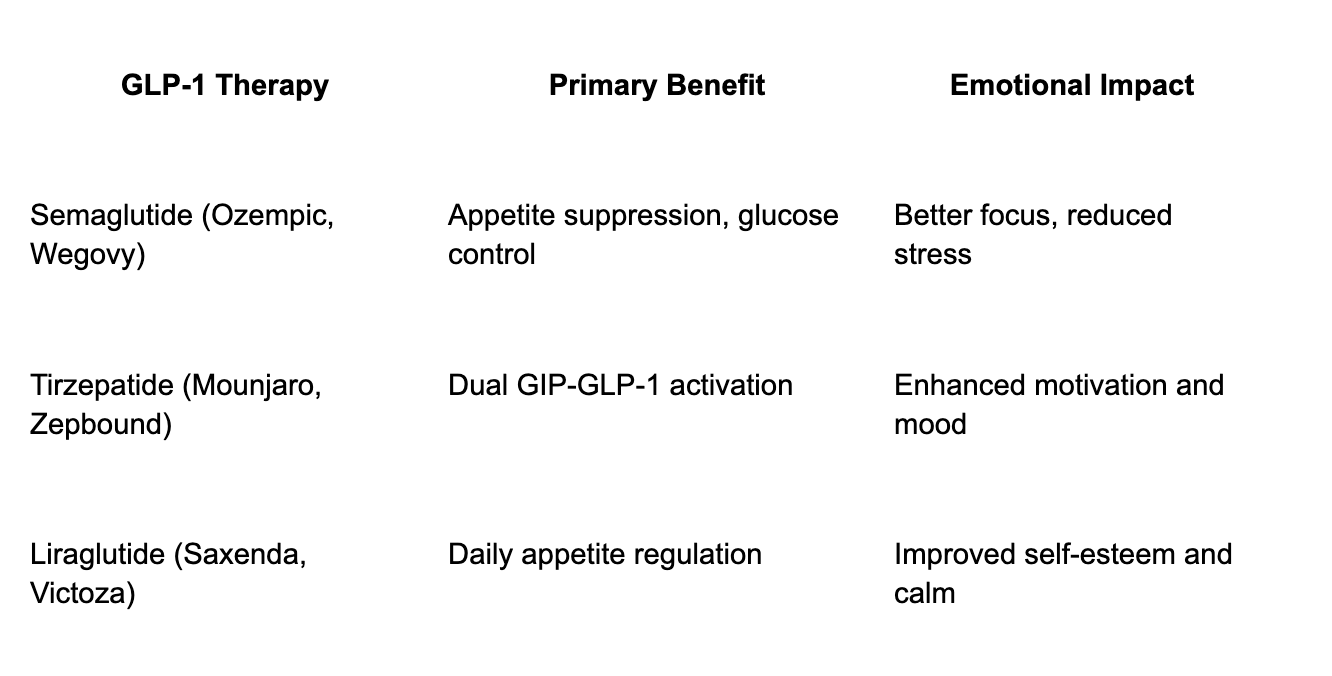
Research suggests that GLP-1 medications can have a significant impact on emotional eating habits. Studies have shown that people who take GLP-1 medications experience reduced food noise, improved mood, and reduced anxiety around food within a few weeks of treatment. However, this does not mean that emotional eating habits will disappear. In fact, GLP-1 medications may only mask the symptoms of emotional eating, rather than addressing the root causes.