GLP-1 Agonist Benefits for Obese Patients
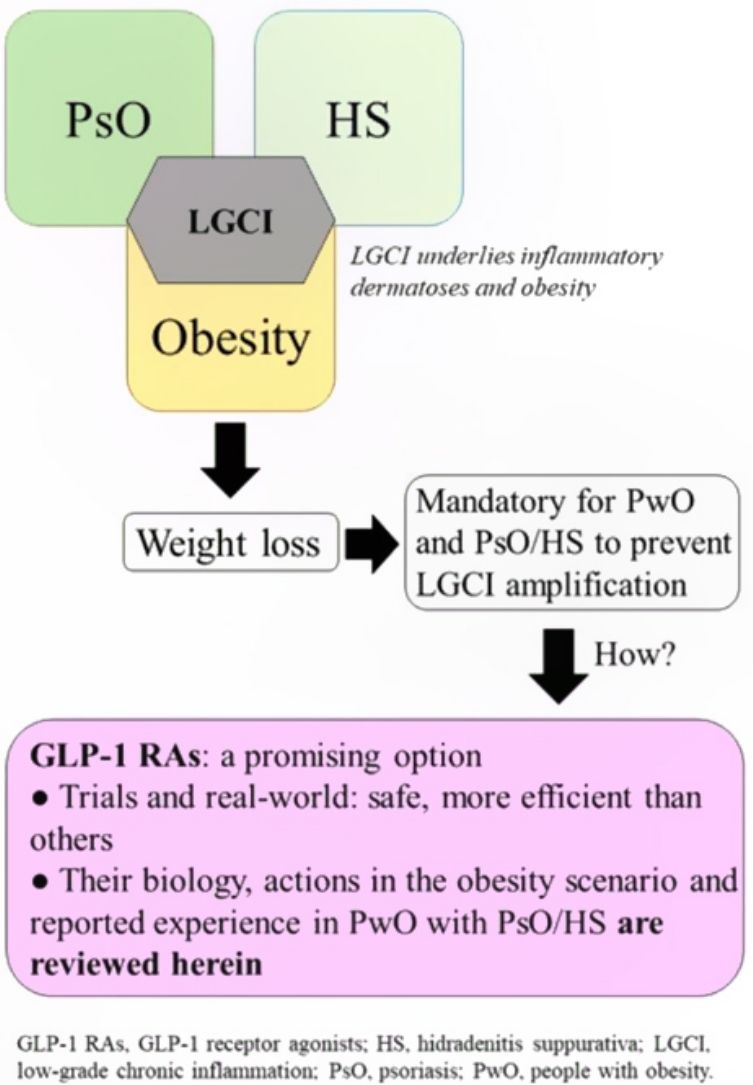
Obesity is a chronic disease that affects millions of people worldwide, leading to various comorbidities such as type 2 diabetes, hypertension, and decreased quality of life. Recent studies have shown that GLP-1 agonists, a class of medications that target glucagon-like peptide-1 receptors, can provide substantial weight loss and metabolic benefits for obese patients.
Understanding GLP-1 Agonists
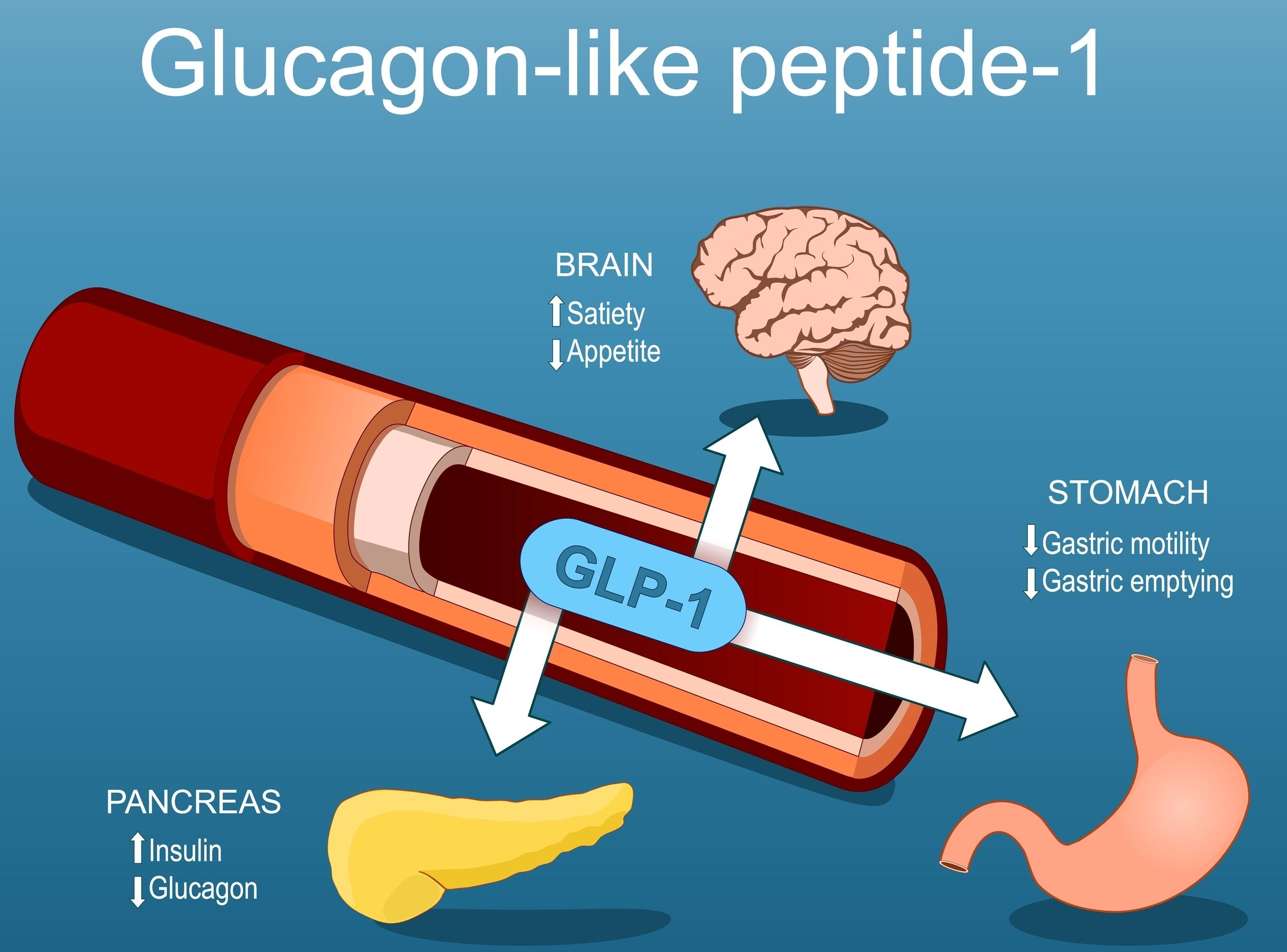
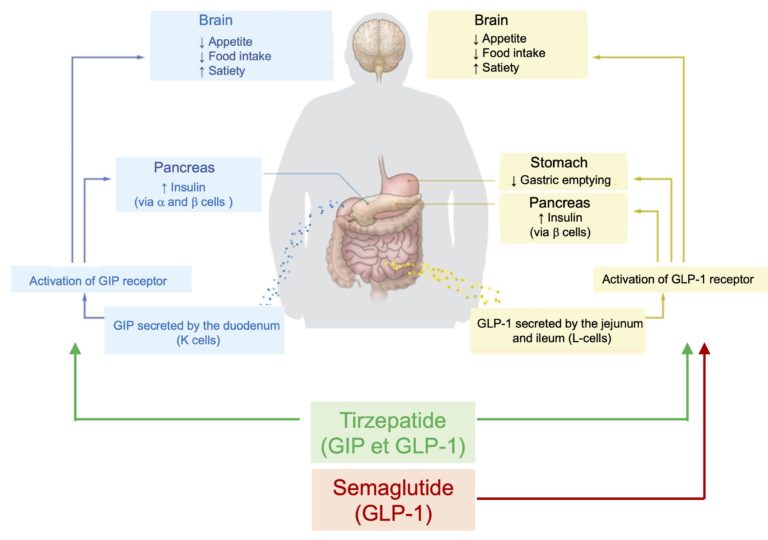
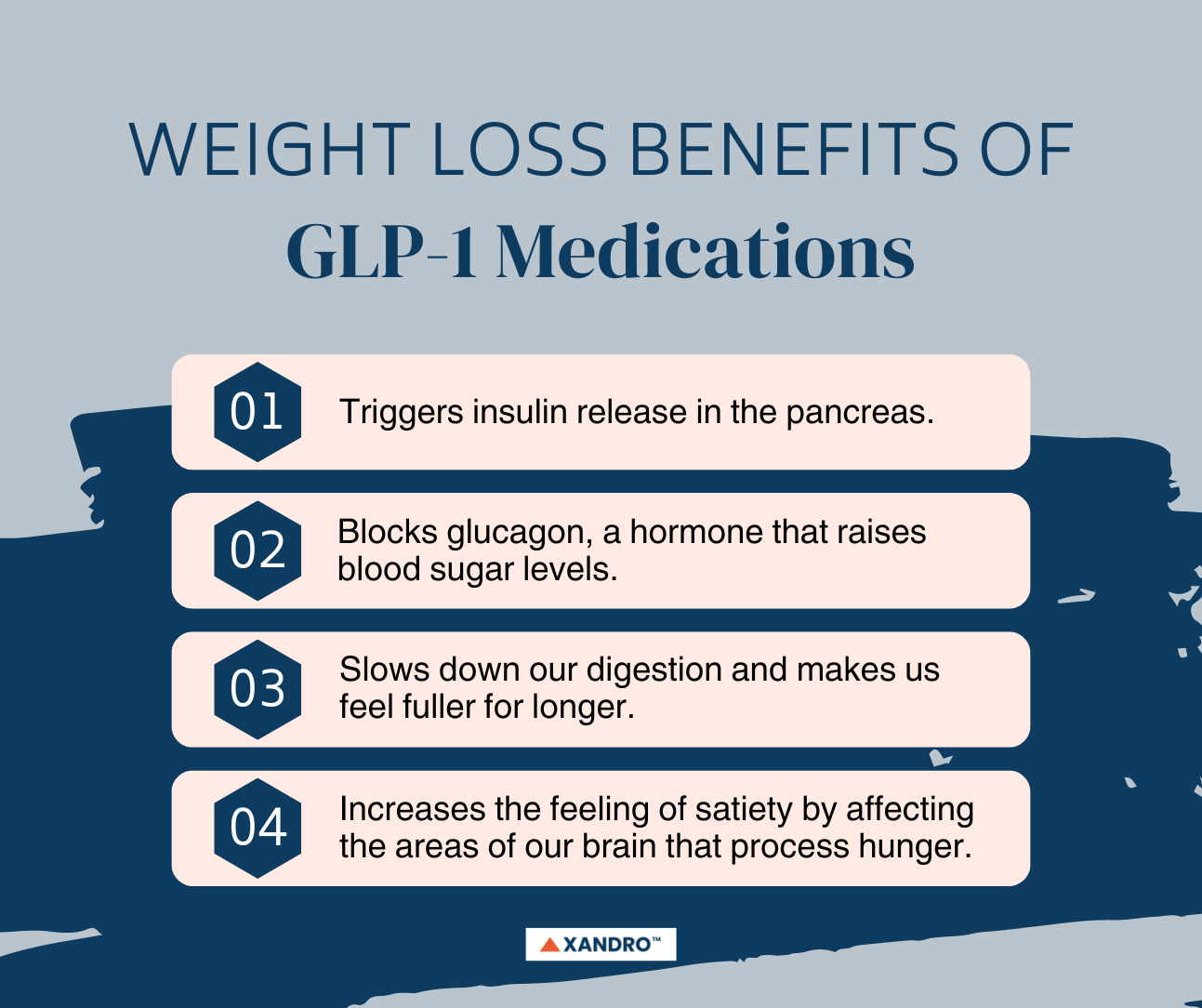
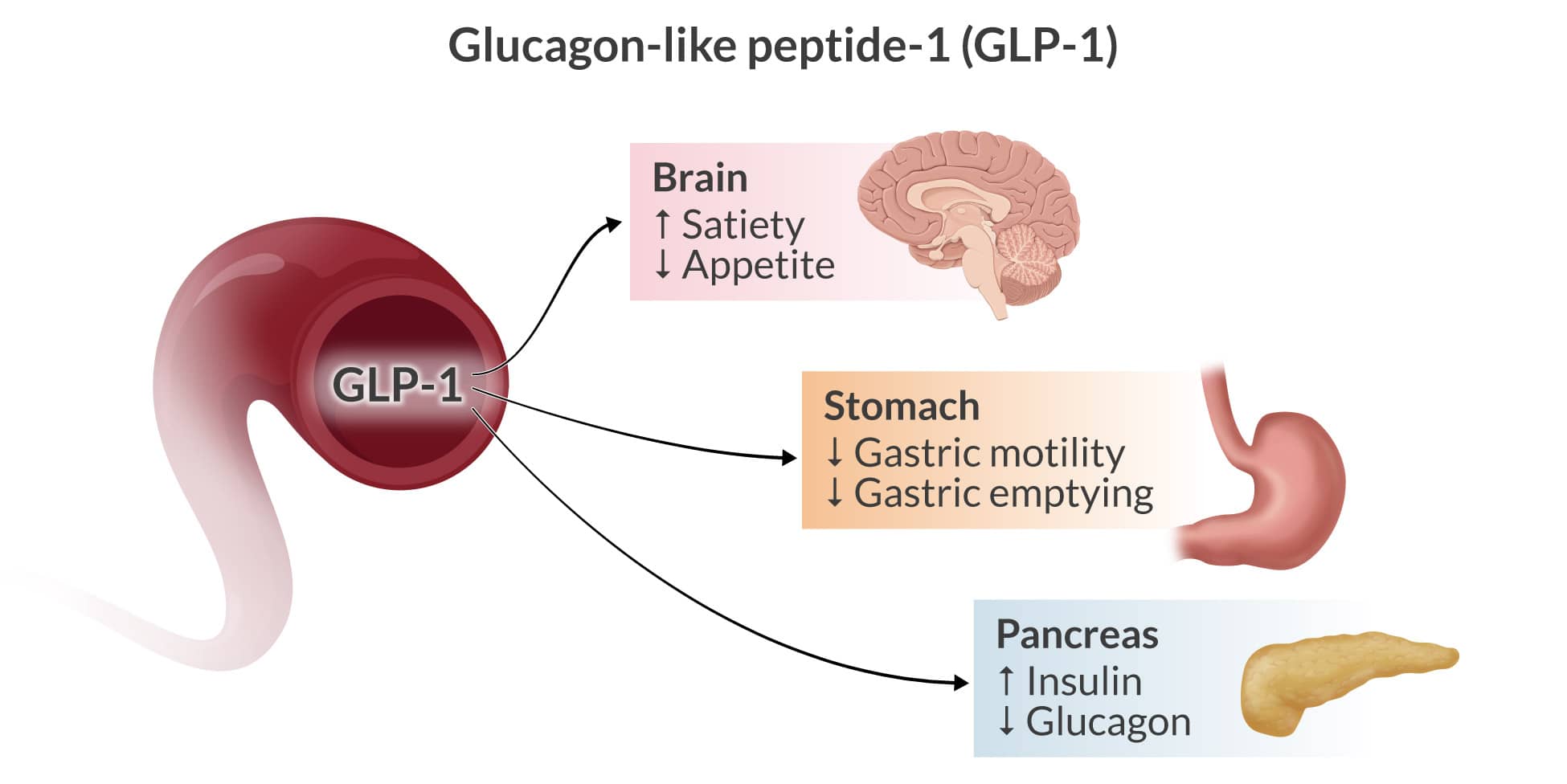
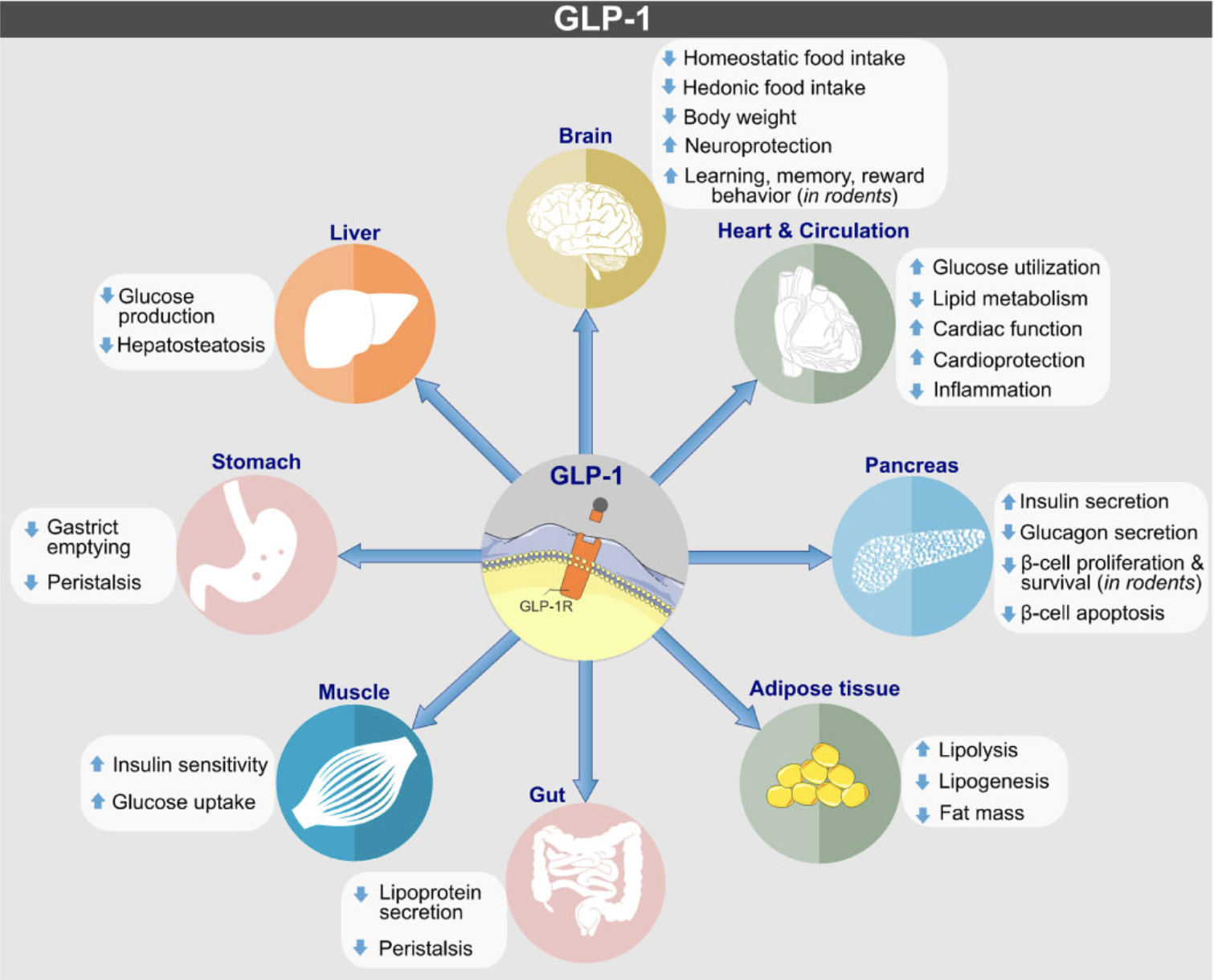
GLP-1 agonists work by binding to GLP-1 receptors in the pancreas, liver, and other tissues, which increases insulin secretion, decreases glucagon levels, and delays gastric emptying. Originally developed for type 2 diabetes treatment, GLP-1 agonists have expanded their use to include weight loss and cardiometabolic management in obese patients.
GLP-1 Agonist Benefits for Obese Patients
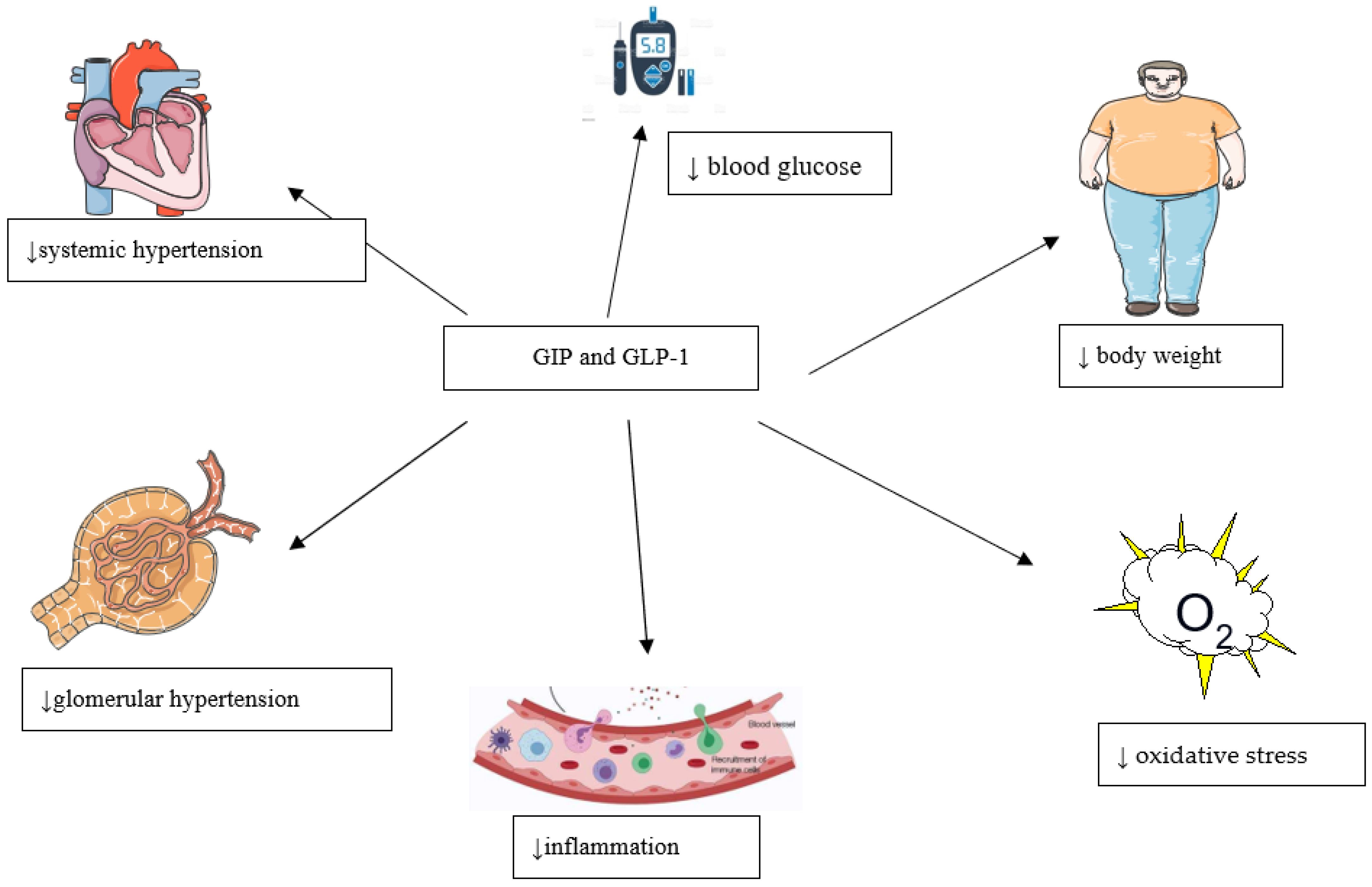
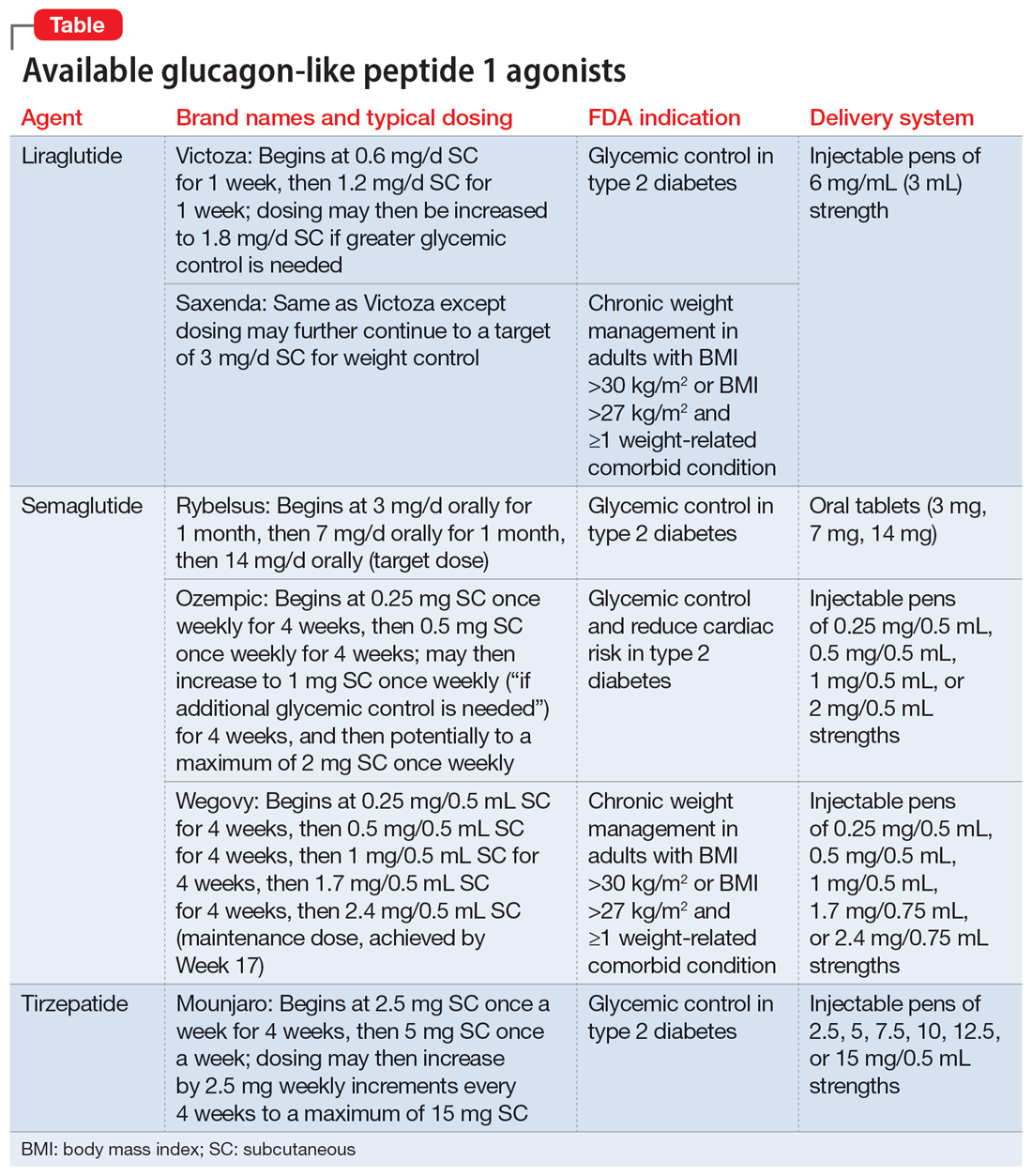
- Substantial weight loss: GLP-1 agonists like semaglutide, liraglutide, and tirzepatide have been shown to promote significant weight loss in obese patients, often exceeding 5% of initial body weight.
- Improved blood sugar control: GLP-1 agonists help regulate blood sugar levels, reducing the risk of complications associated with diabetes.
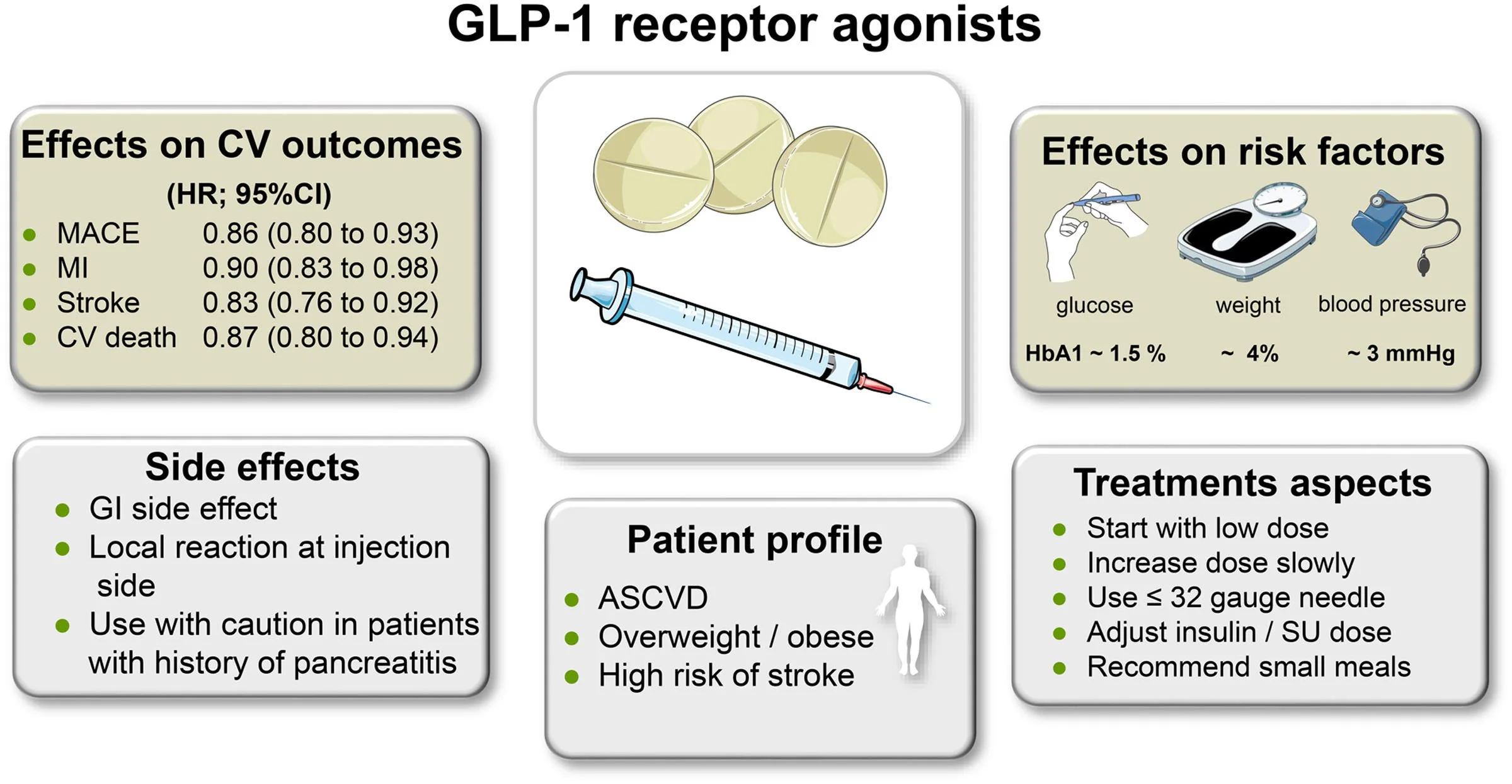
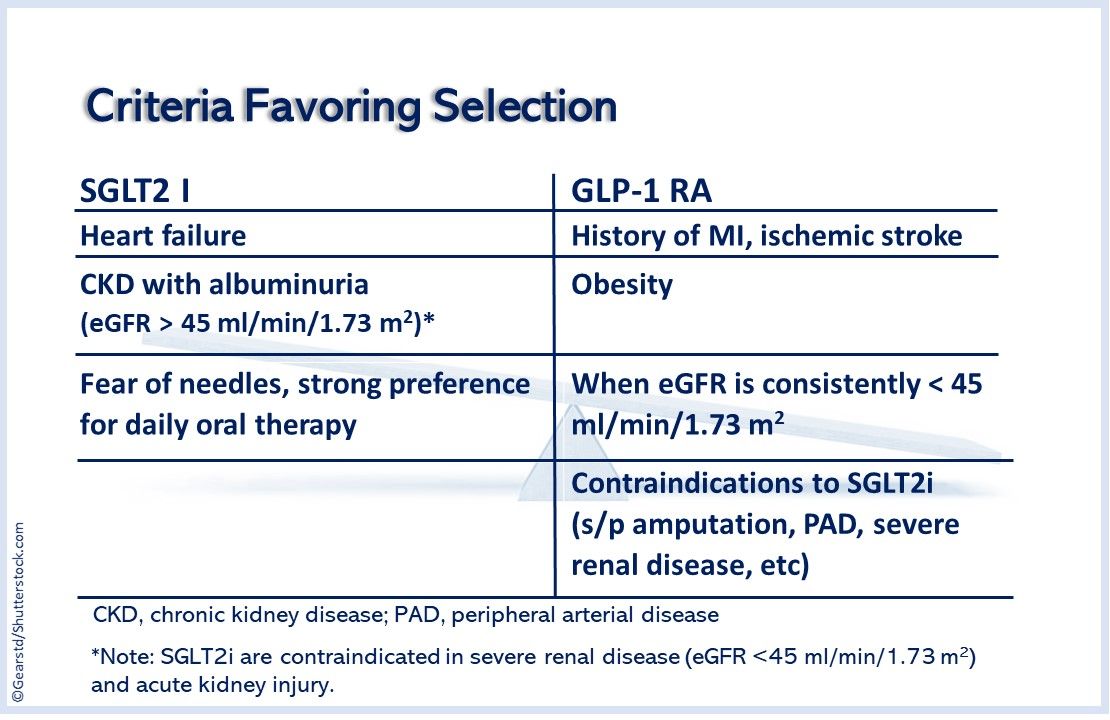
- Reduced risk of cardiovascular events: GLP-1 agonists have been found to lower the risk of cardiovascular events, including heart attacks, strokes, and deaths, in patients with diabetes.
- Cardiorenal benefits: GLP-1 agonists have shown to reduce the risk of cardiovascular and renal complications in patients with diabetes, even in those without established cardiovascular disease.
- Lower risk of kidney disease: GLP-1 agonists may also lower the risk of kidney disease in patients with diabetes, making them a valuable treatment option for those with or without kidney disease.