Deck Building Safety Regulations: Ensuring a Safe and Compliant Outdoor Installation
Building a deck can be a thrilling project, but it's essential to comply with local deck building safety regulations to avoid costly penalties and ensure a structure that's safe for years to come. These regulations cover various aspects of deck construction, from foundation and framing to railings and stairs.
Understanding the Importance of Deck Building Safety Regulations
Deck building safety regulations are put in place to ensure that every deck is designed and constructed to meet minimum safety standards. These regulations vary by location and are often incorporated into the International Residential Code (IRC) and other local building codes. Ignoring these regulations can lead to accidents, injuries, and costly repairs.
Key Regulations to Know
- Building permit requirements: Before commencing construction, homeowners must obtain a building permit from local authorities. This ensures compliance with local regulations and verifies that the deck meets building codes.
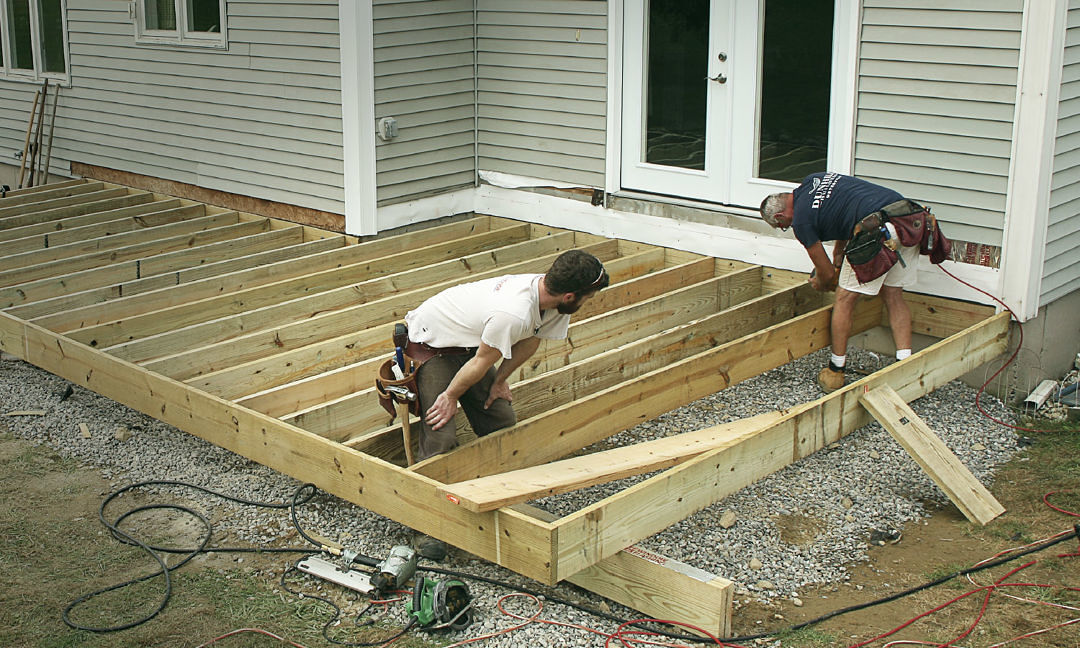
- Deck design and footings: Decks must be designed and constructed on a level surface with adequate footings to prevent collapse and uneven settlement.
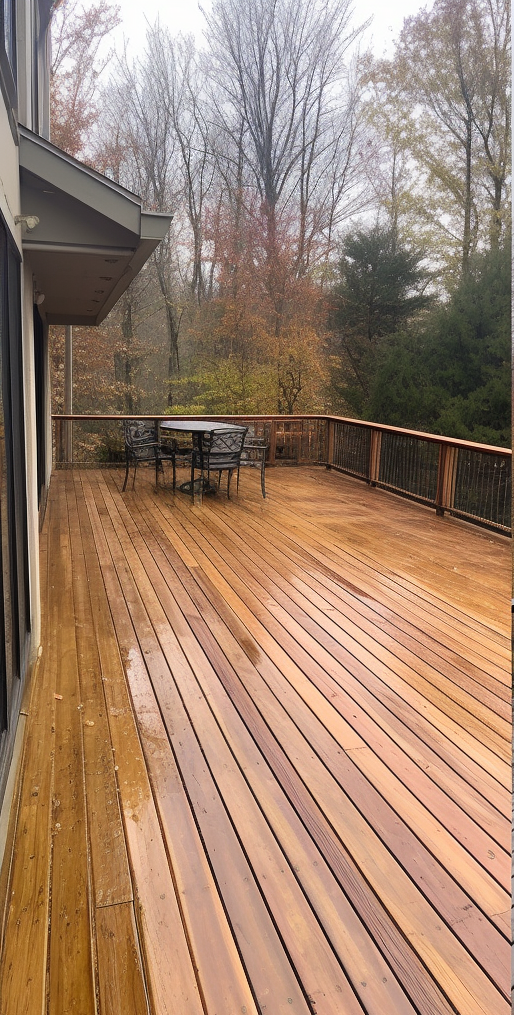
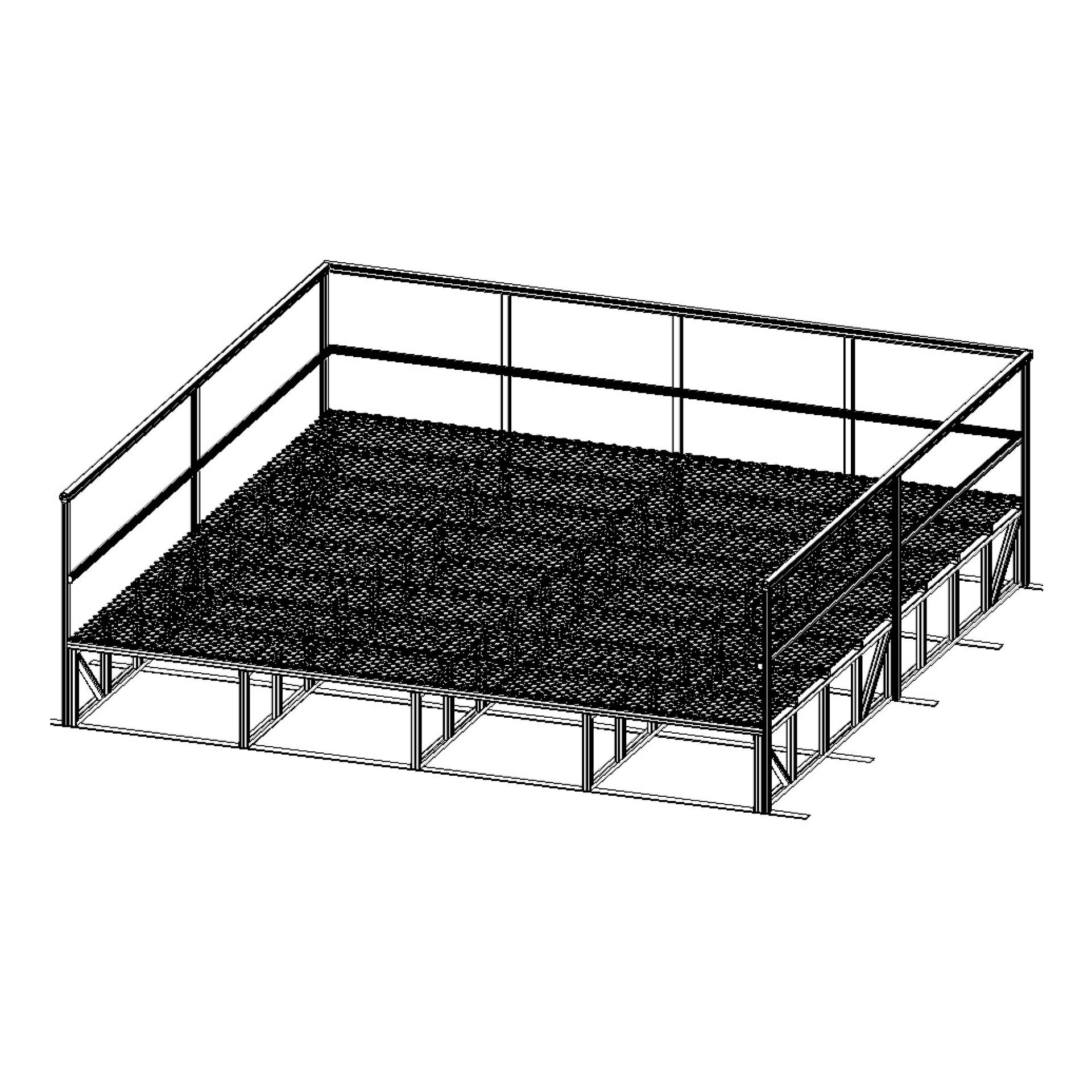
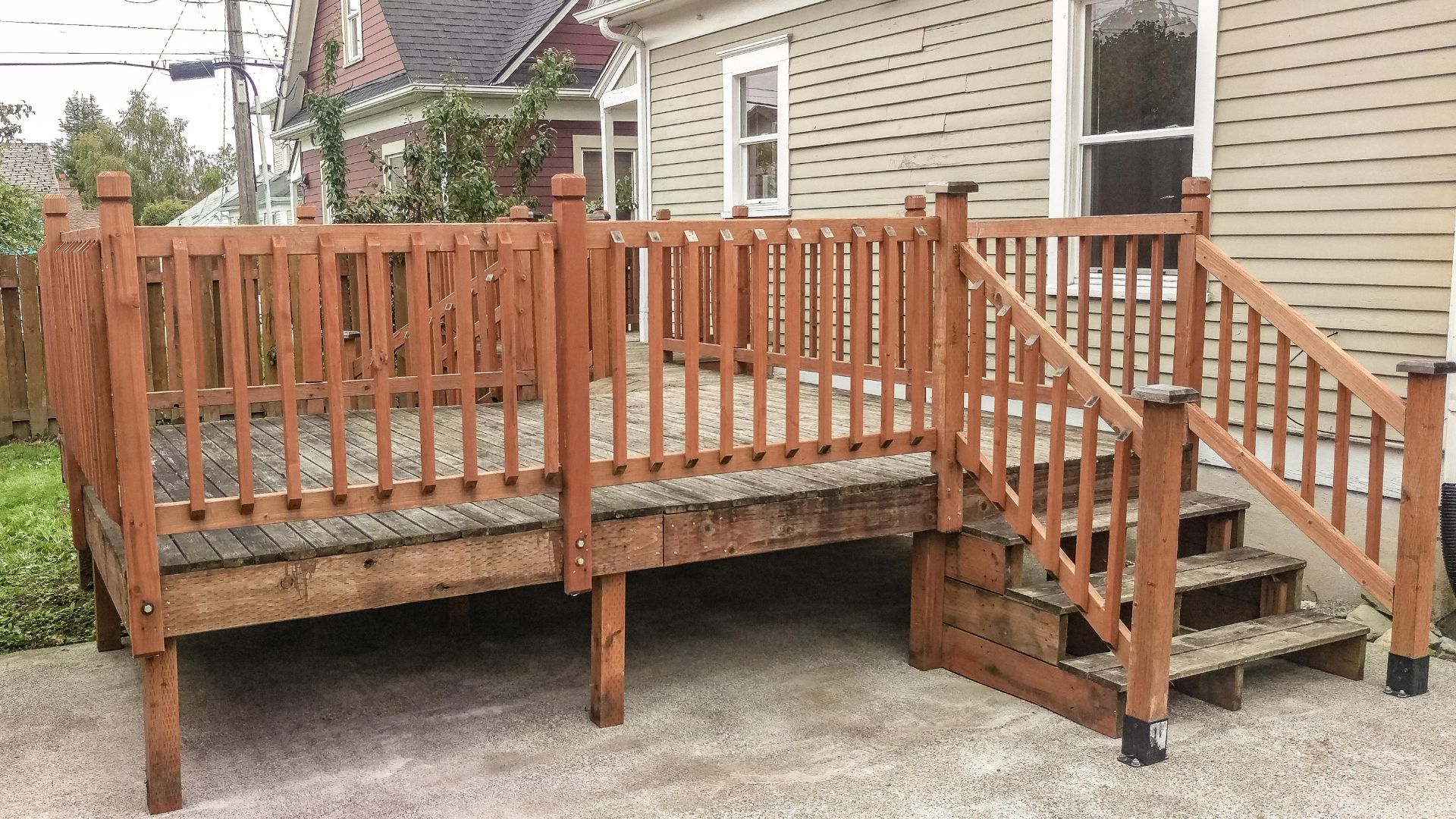
- Railing height and infill: Deck railings must meet local building codes and regulations. The minimum height for deck railings is typically 36 inches, but this can vary depending on the deck's height above ground.
- Handrail requirements: Handrails are typically required to be 36 to 42 inches high, depending on local building codes and specific deck designs.