GLP-1 Agonist Therapy for Digestive Issues: What You Need to Know
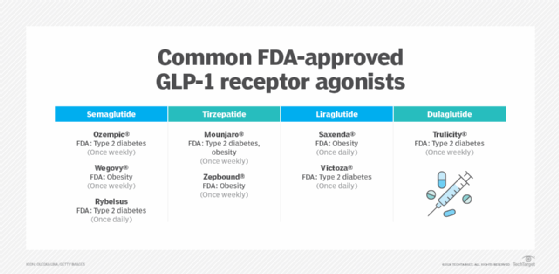
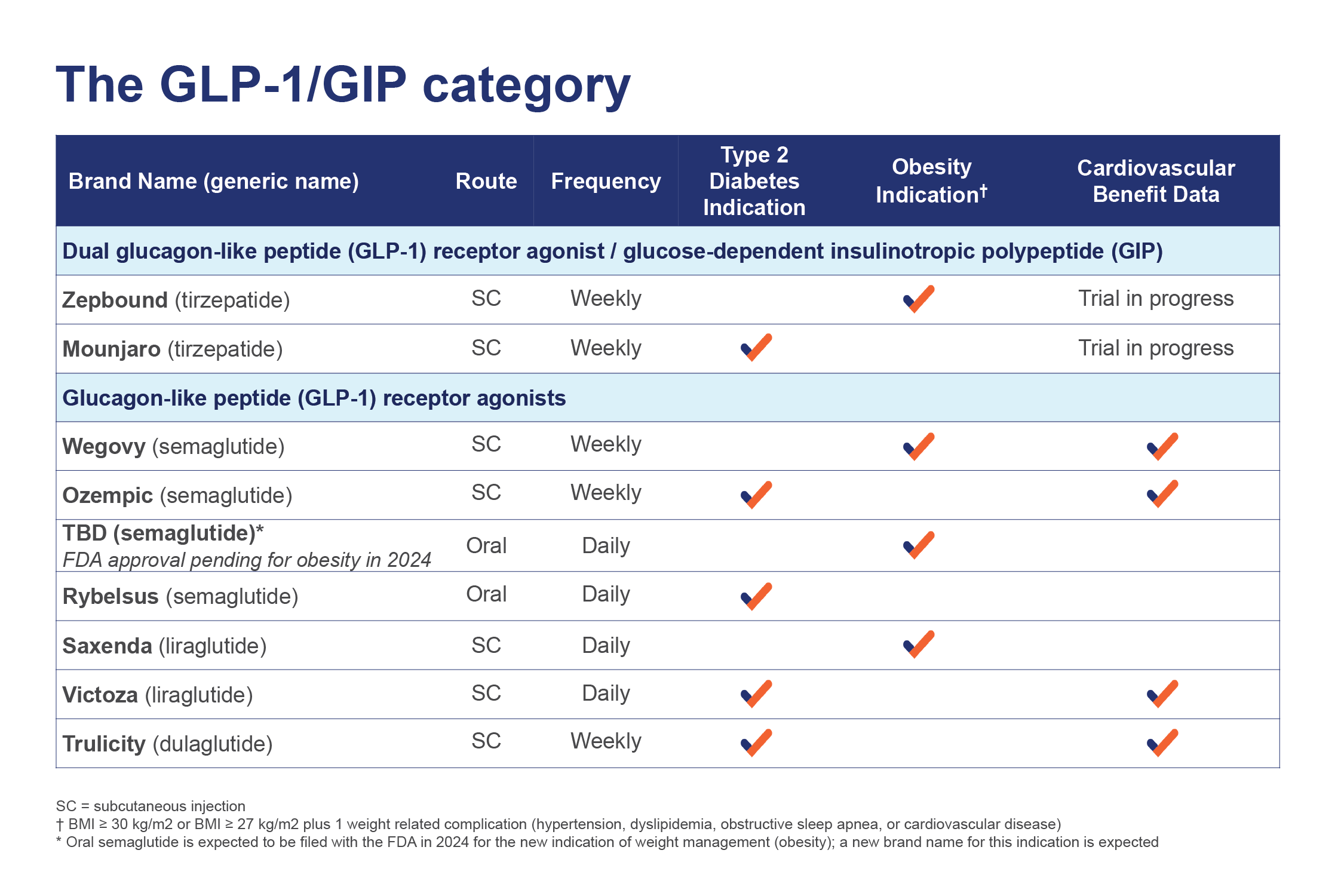
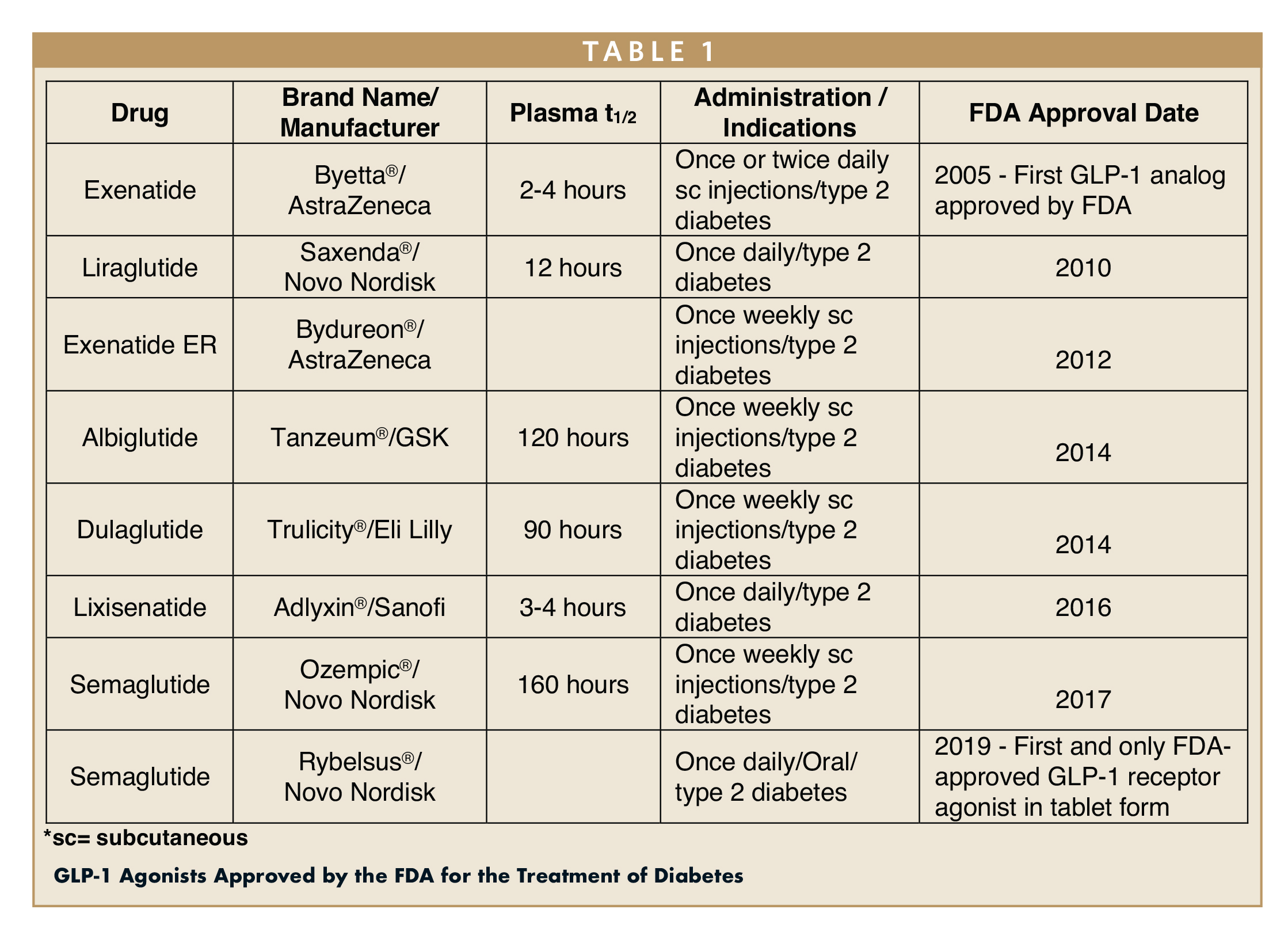
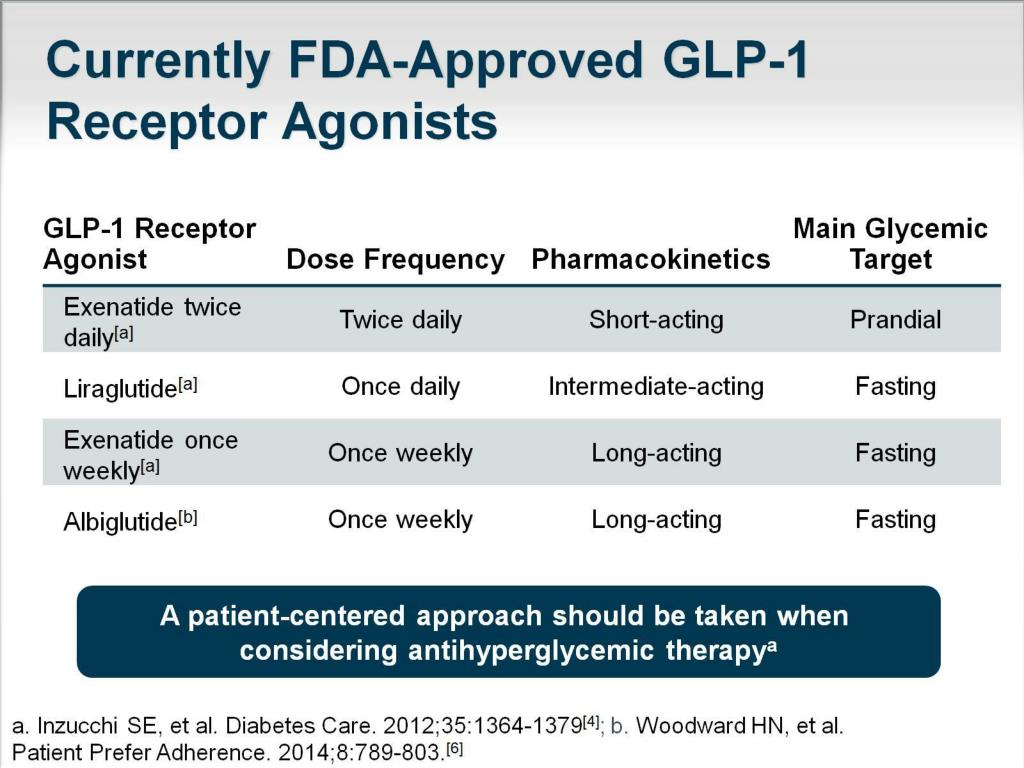
GLP-1 receptor agonists are a class of medications commonly used to manage type 2 diabetes and support weight loss. However, as effective as these medications may be, they can also cause a range of digestive issues, from mild symptoms like nausea and bloating to more severe problems like gastroparesis and bowel obstruction.
How GLP-1 Agonists Work
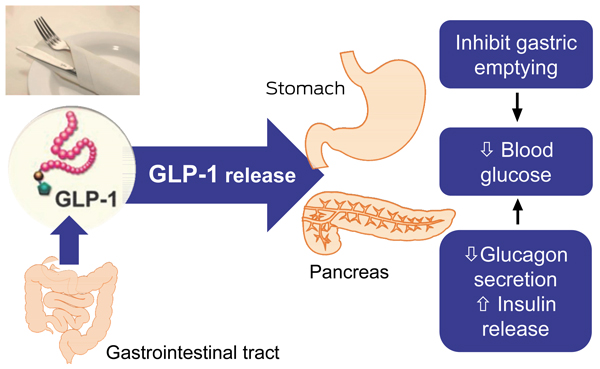
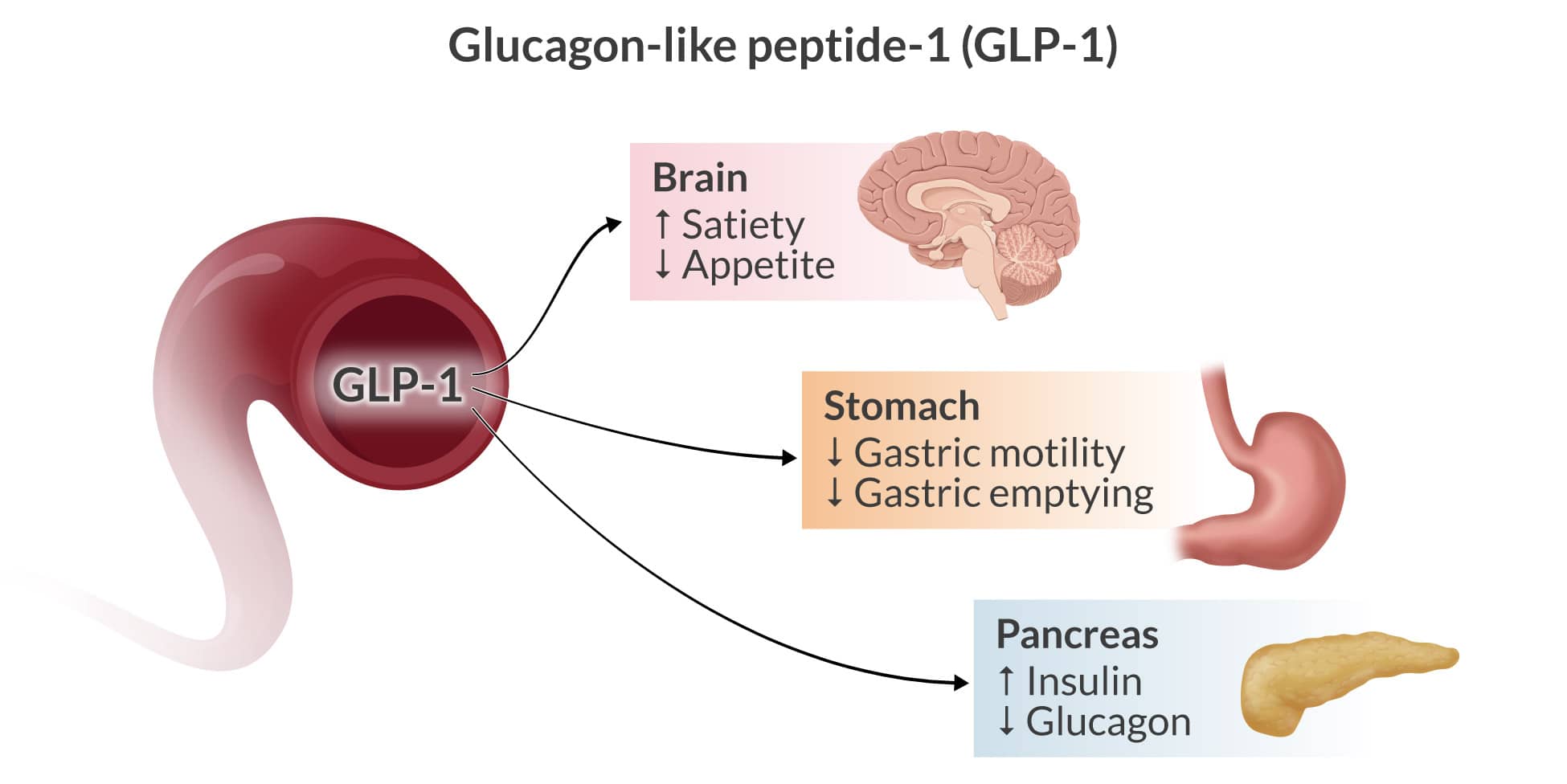
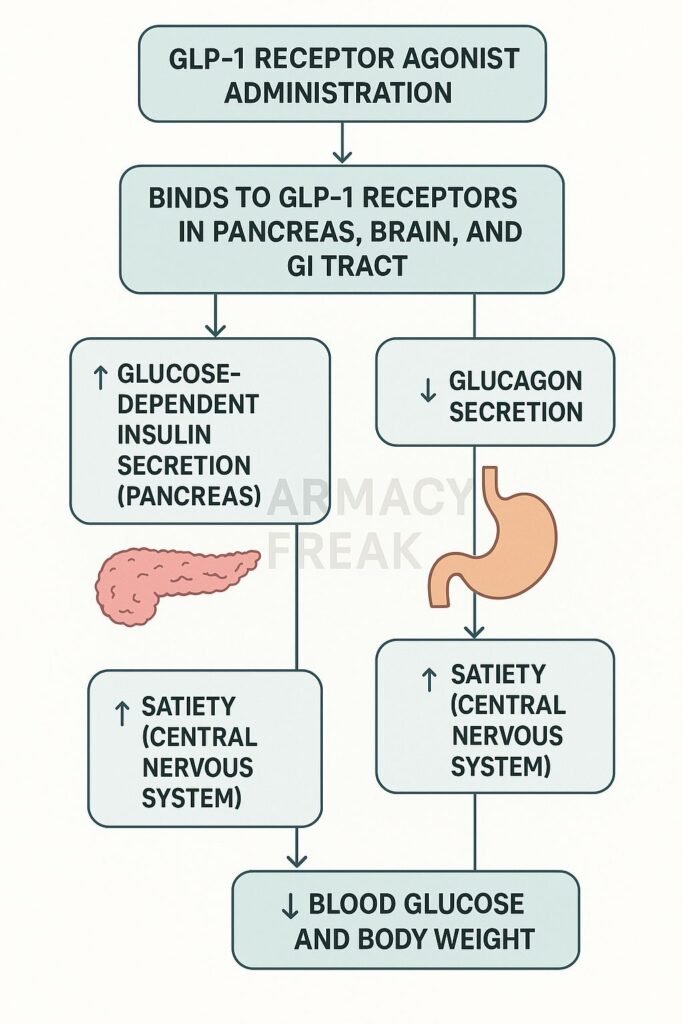
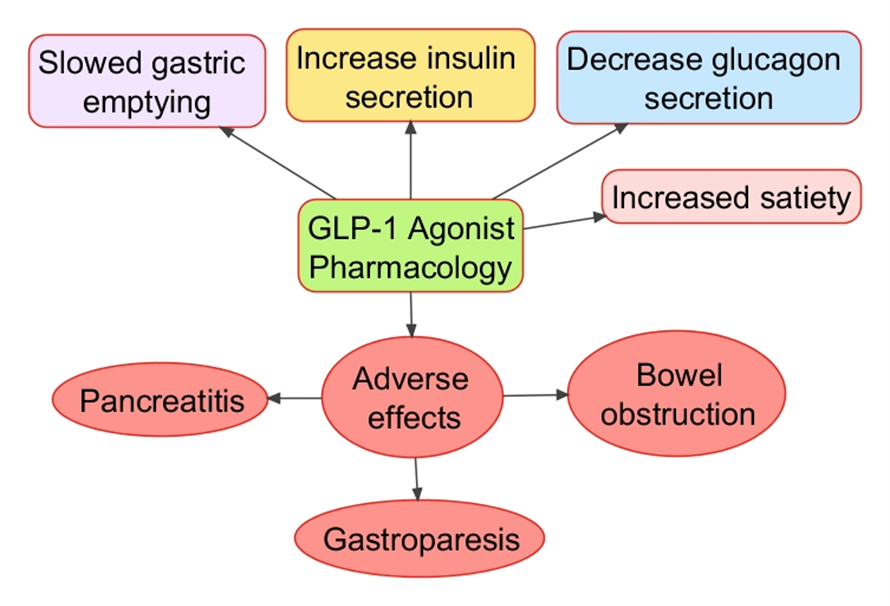
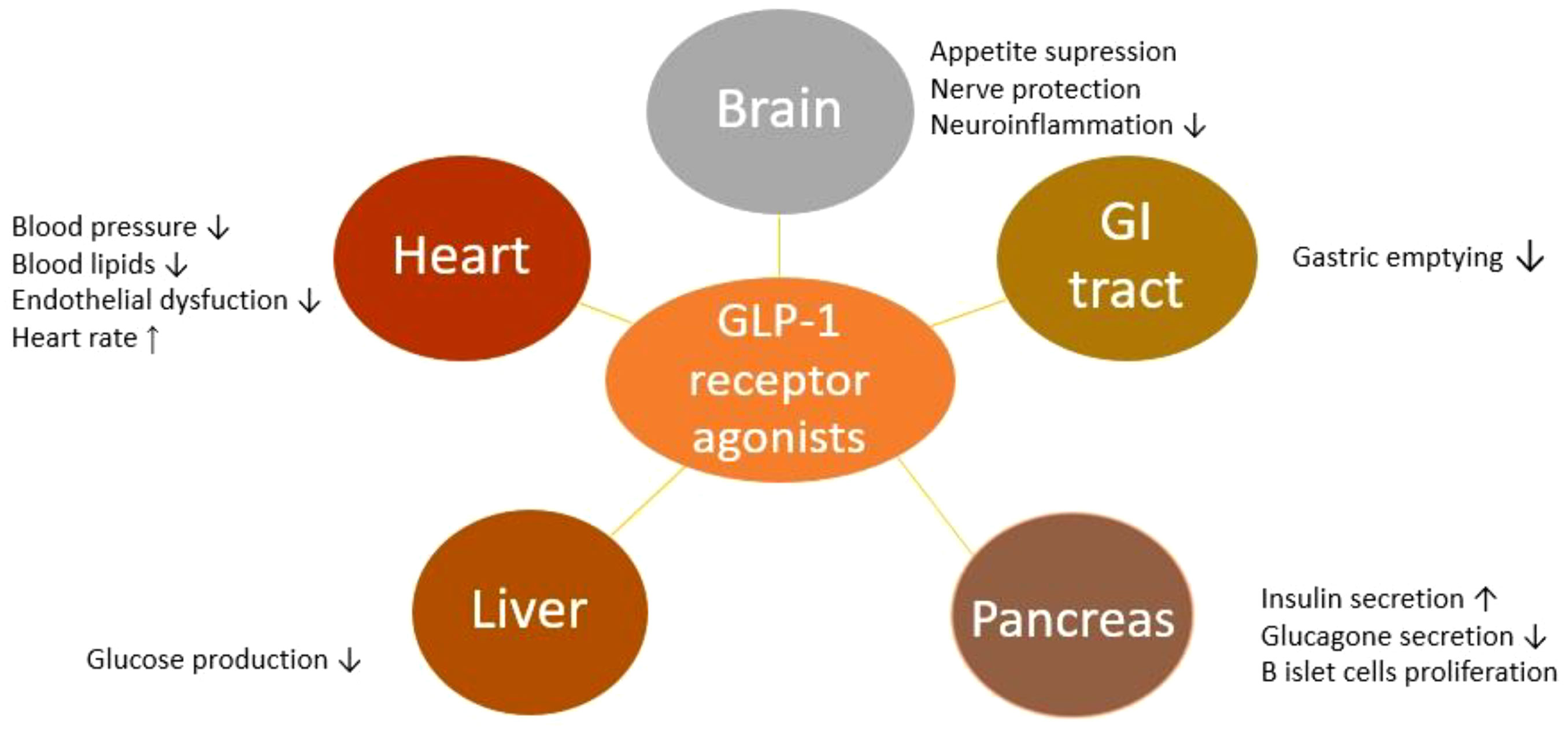
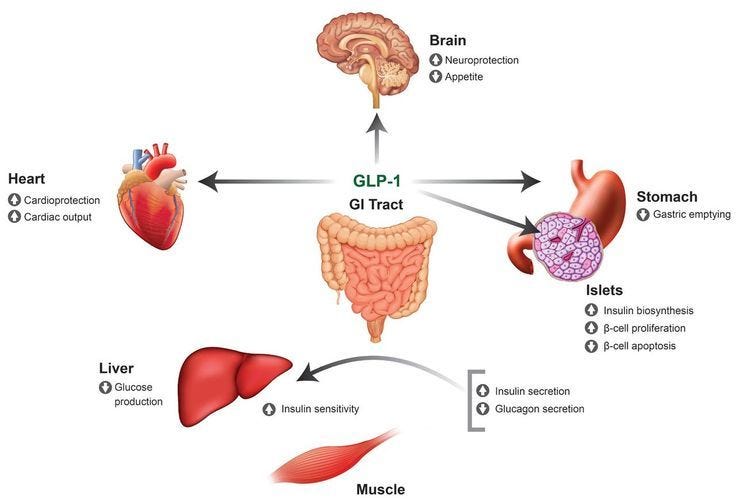
GLP-1 receptor agonists mimic the natural hormone glucagon-like peptide-1 (GLP-1), which is released by the intestines in response to eating. GLP-1 helps regulate blood sugar levels, hunger, and digestion. By mimicking this hormone, GLP-1 receptor agonists can slow down gastric emptying, reducing the rate at which food enters the small intestine and is absorbed into the bloodstream.
Common Digestive Issues Associated with GLP-1 Agonists
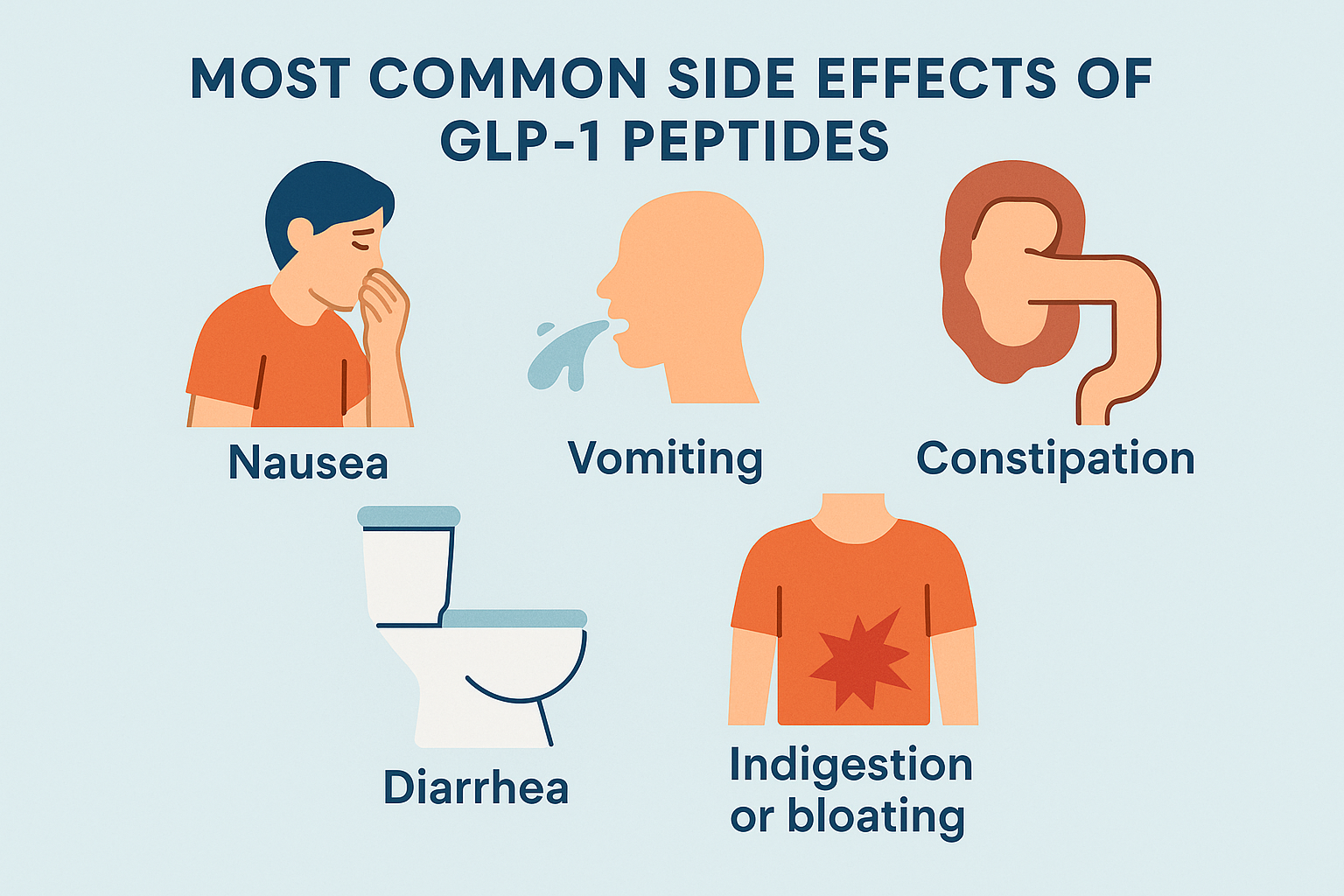
The most common digestive issues associated with GLP-1 receptor agonists include:

- Nausea and vomiting
- Diarrhea and bloating
- Constipation and abdominal pain
- Gastroparesis, a condition characterized by delayed emptying of the stomach
- Bowel obstruction, a condition characterized by a blockage in the small intestine
Why Do GLP-1 Agonists Cause Digestive Issues?
There are several reasons why GLP-1 receptor agonists can cause digestive issues. These medications:
- Slow down gastric emptying, leading to feelings of fullness and nausea
- Affect the balance of gut bacteria, leading to changes in digestion and bowel movements
- Can cause inflammation in the gastrointestinal tract, leading to symptoms like abdominal pain and diarrhea