A Comprehensive Guide to Export Licensing: Navigating the Complex World of International Trade
The world of international trade is a complex web of regulations, laws, and requirements that can be daunting for even the most experienced business owners. One critical aspect of this process is export licensing, which can seem like a puzzle waiting to be solved. In this article, we will guide you through the intricacies of export licensing, providing you with a clear understanding of the process, necessary documentation, and compliance tips to ensure a smooth path to navigating the export licensing process.
What is an Export License?
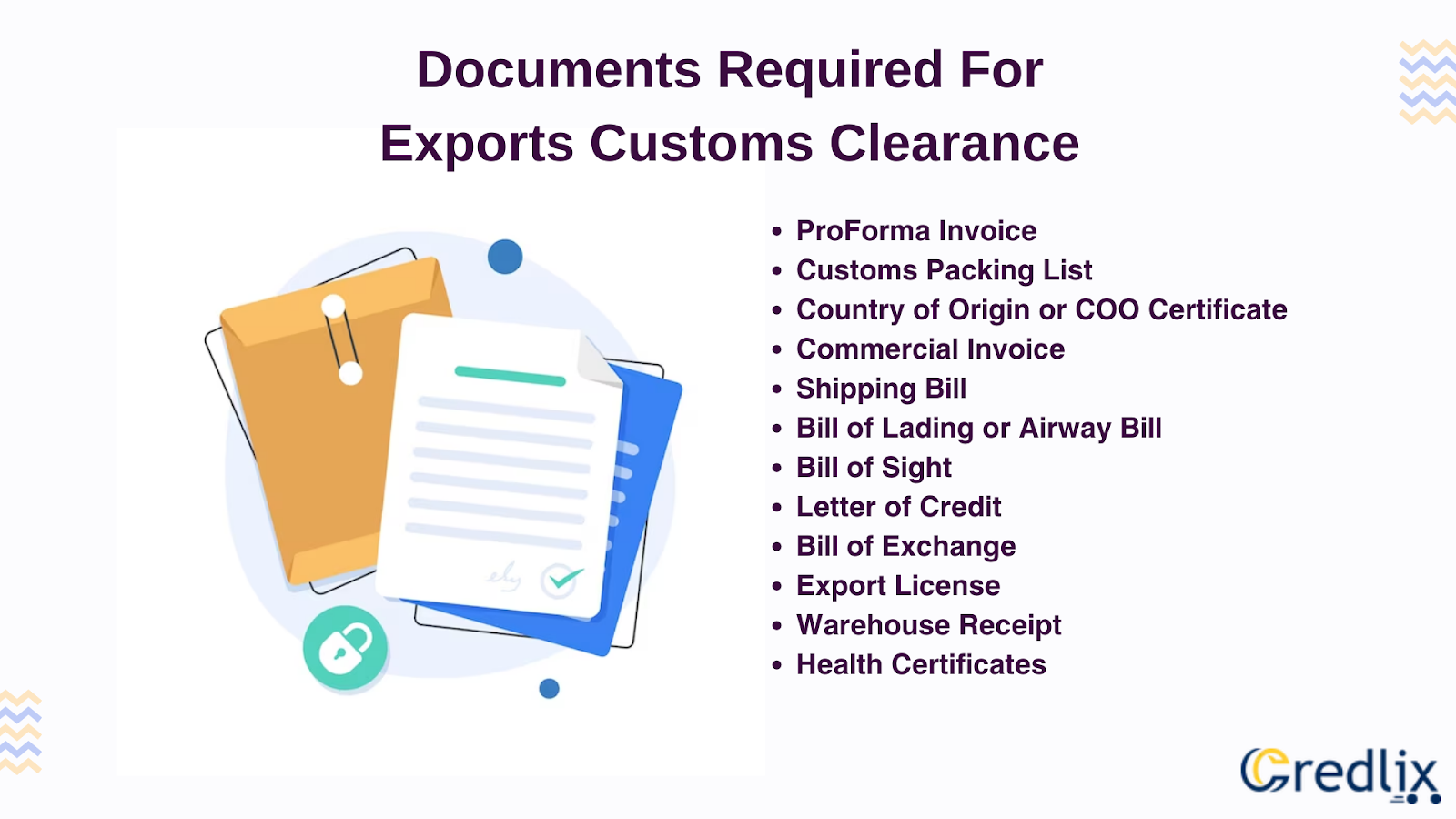
An export license is an official authorization from a government agency granting permission to conduct a specific export transaction, including the export of technology. Governments use export licenses to control sensitive items like defense equipment or dual-use technology, ensuring that they are not misused or fall into the wrong hands. By following this step-by-step guide, businesses can successfully navigate the complexities of the export licensing process and ensure compliance with federal regulations.

Understanding Export Licensing Requirements
The Bureau of Industry and Security (BIS) regulates the export and re-export of commodities, software, and technologies, both commercial and military in nature. Some exports require a BIS license, which can be obtained by submitting a deemed export or deemed re-export license application. The application process involves providing detailed information about the export transaction, including the type of item being exported, the country of destination, and the end-user.