Understanding Export Permit Requirements: A Comprehensive Guide
Exporting goods from one country to another requires compliance with various regulations and laws. Obtaining the necessary export permits is a crucial step in ensuring seamless international trade. In this article, we will delve into the world of export permit requirements, helping you navigate the complex web of customs procedures, licensing, and documentation.
What is an Export Permit?
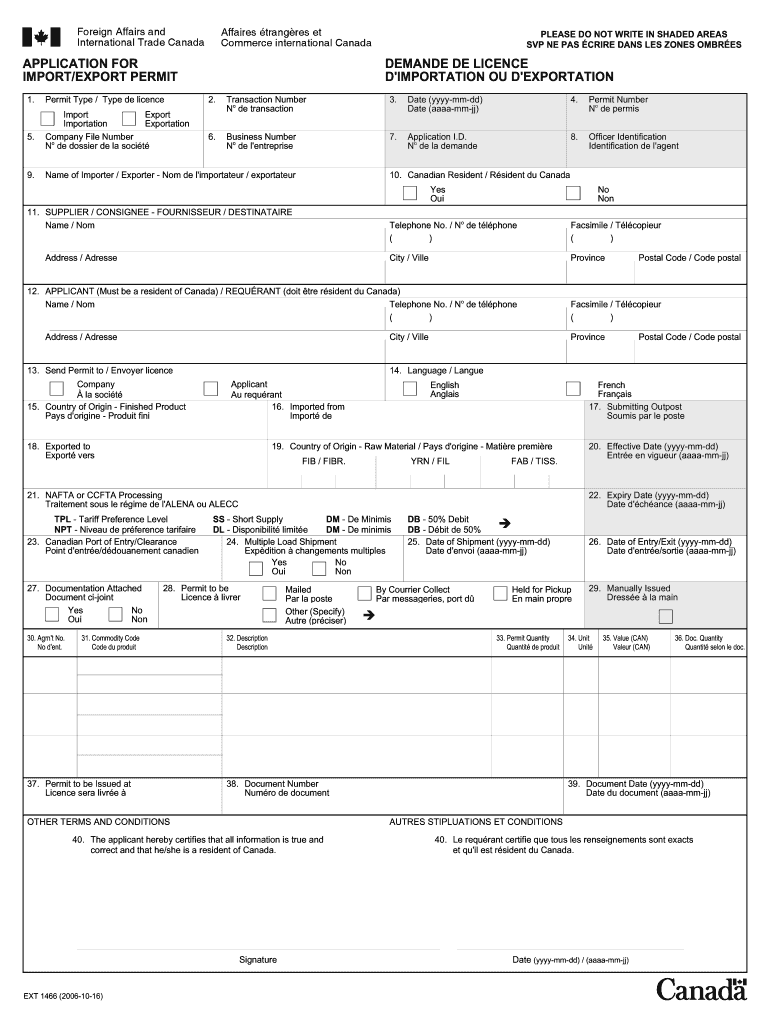
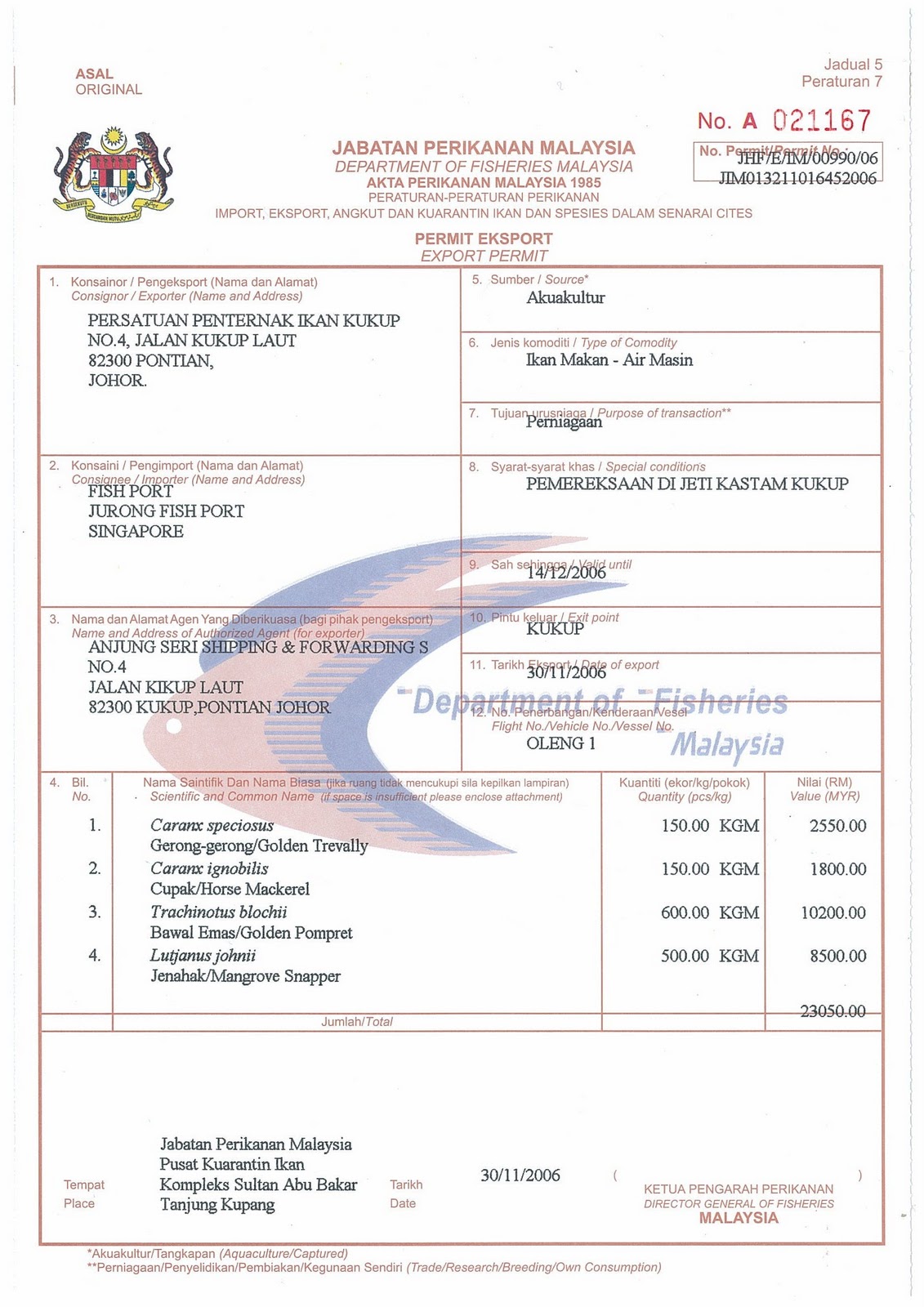
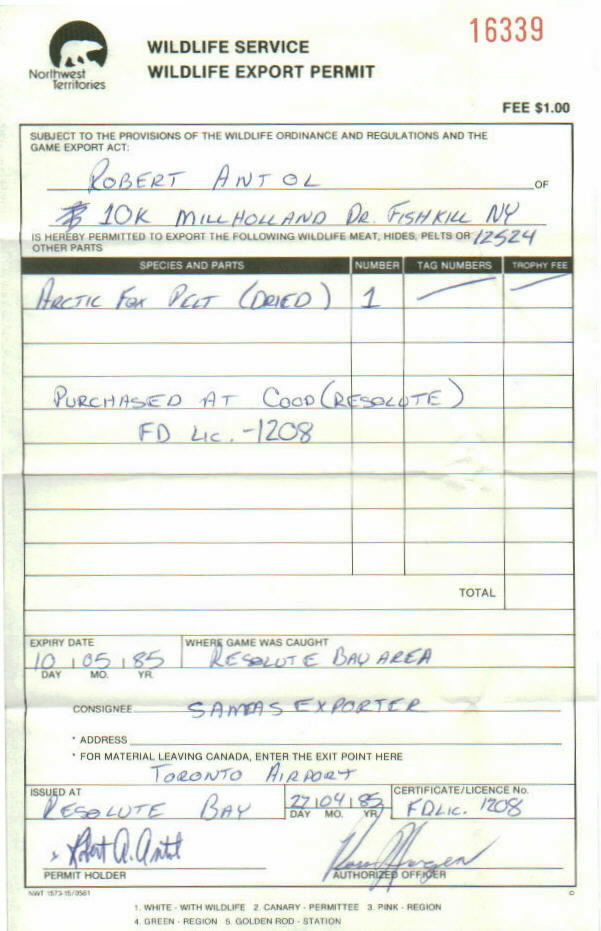
An export permit is a government-issued document that grants permission to export specific goods from a country. The purpose of this permit is to regulate the outflow of strategic goods, prevent smuggling, and ensure compliance with international agreements. Export permits play a vital role in maintaining a country's economic and security interests.
Do I Need an Export Permit?
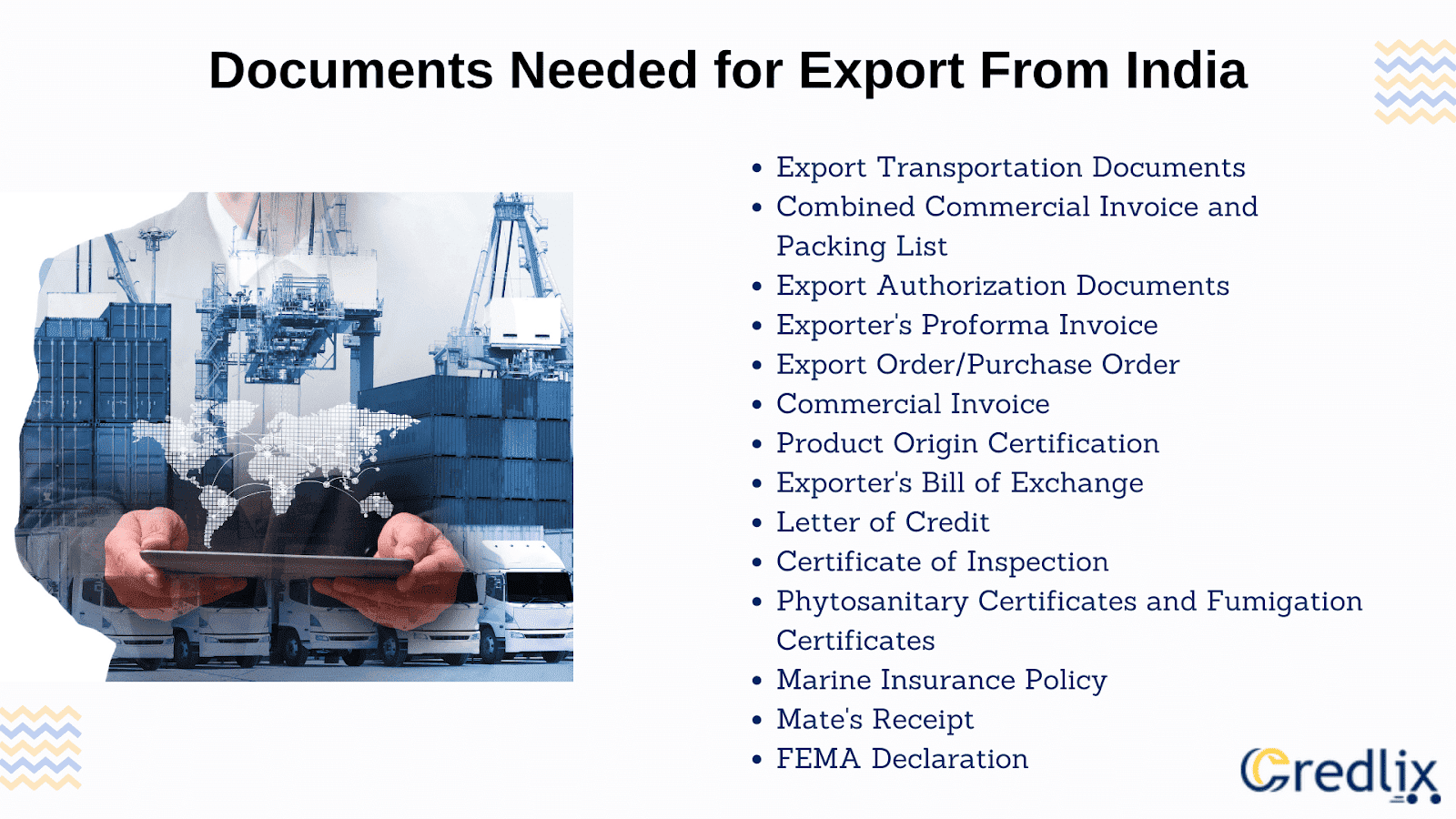
The necessity of an export permit depends on various factors, including the type of goods being exported, the destination country's regulations, and the mode of transportation. Generally, export permits are required for goods valued above a certain threshold or for strategic items that pose a risk to national security or the environment.
- Goods of strategic nature, such as military equipment, dual-use items, or controlled substances, often require a permit.
- High-value goods, exceeding a certain threshold, may need to be declared and cleared through customs with an export permit.
- Some countries have specific regulations for the export of certain products, such as hazardous materials or cultural artifacts.