Export Licensing Requirements: A Comprehensive Guide for International Trade
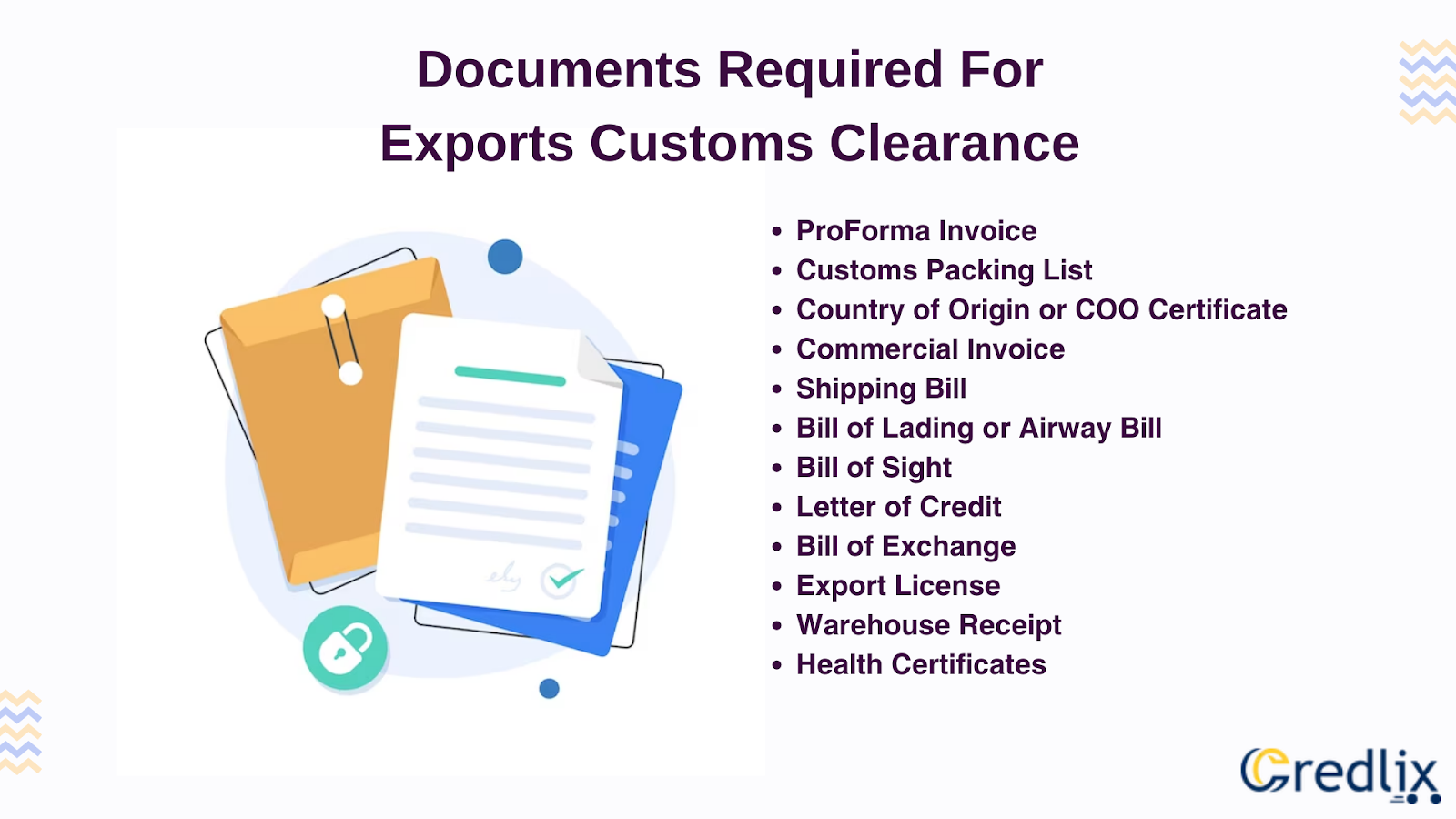
Exporting goods from one country to another requires a deep understanding of the various regulations and requirements that govern international trade. One of the most critical aspects of exporting is obtaining the necessary export licenses, which can be complex and time-consuming to navigate. In this article, we will provide an overview of the export licensing requirements, including the types of licenses, application processes, and compliance tips to ensure smooth international trade operations.
What are Export Licensing Requirements?
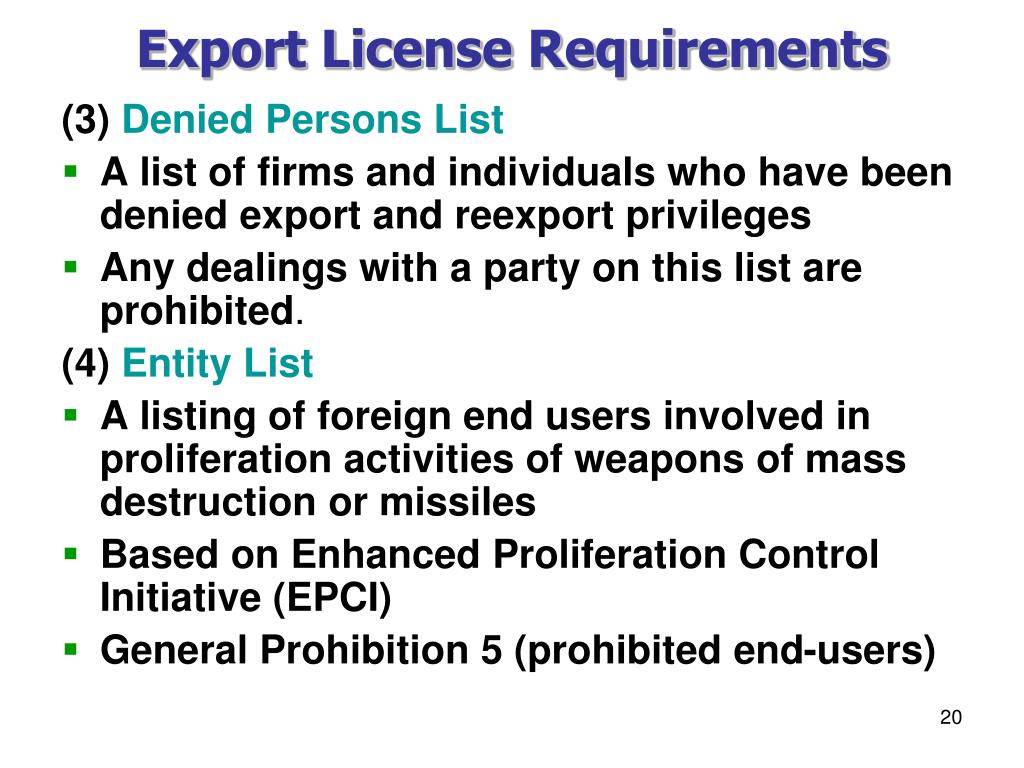
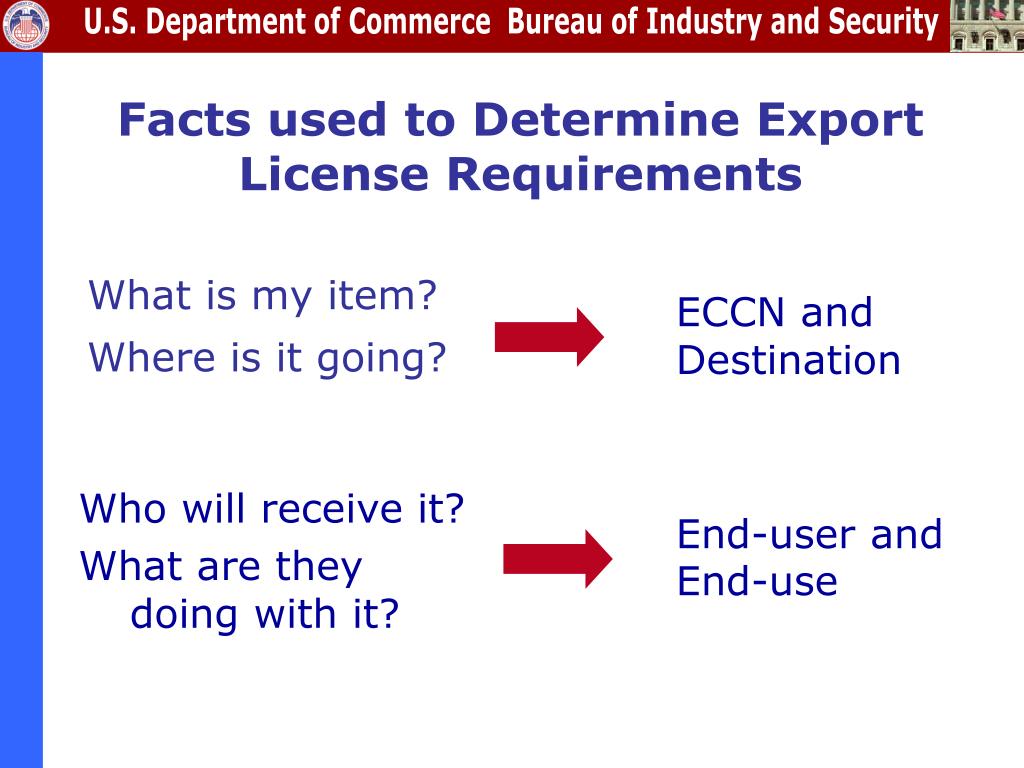
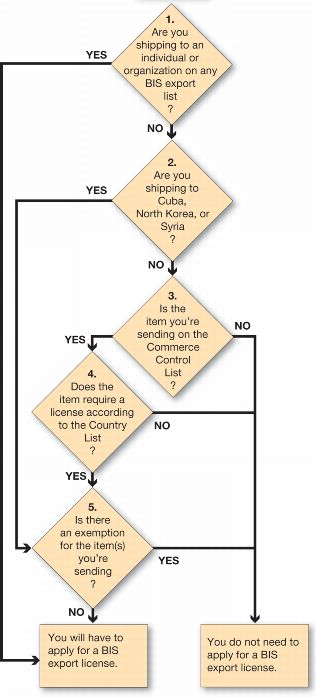
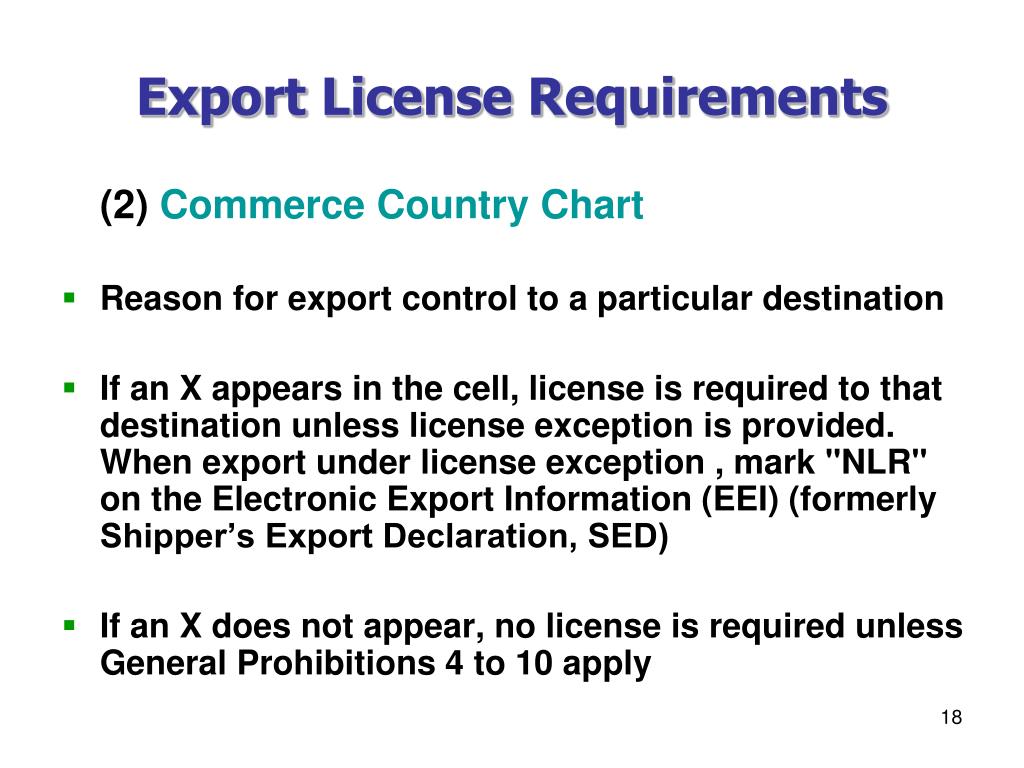
Export licensing requirements refer to the regulations and procedures that govern the export of goods from one country to another. These requirements are typically set by the exporting country's government, and they vary depending on the type of goods being exported, the destination country, and other factors. Export licenses are a critical component of international trade, as they ensure that the exporting country is compliant with its own laws and regulations, as well as those of the importing country.
Types of Export Licenses
There are several types of export licenses, each with its own set of requirements and regulations. Some of the most common types of export licenses include:
- General Export License: This type of license allows exporters to export goods without the need for a specific license, but they must still comply with general export regulations.
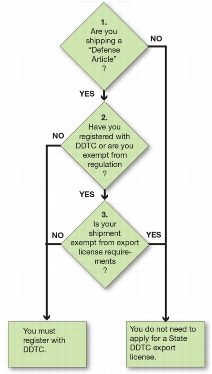
- Specific Export License: This type of license is required for the export of specific goods, such as military equipment, dual-use items, or technologies. li>Temporary Export License: This type of license is required for the temporary export of goods, such as equipment or materials, that are intended to be returned to the exporting country.