Understanding Export Licenses: A Crucial Document for International Trade
When it comes to exporting goods, technologies, or services from one country to another, a crucial document plays a vital role in facilitating smooth international trade. This document is called an export license, and it is a government-issued permit that authorizes the export of specific items to certain destinations under defined conditions. In this article, we will explore the world of export licenses, including what they are, why they are necessary, and how to obtain one.
What is an Export License?
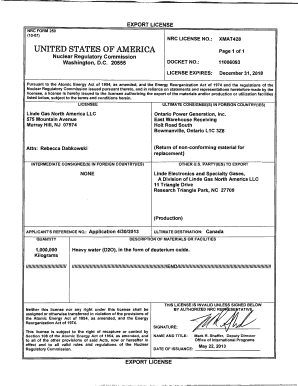
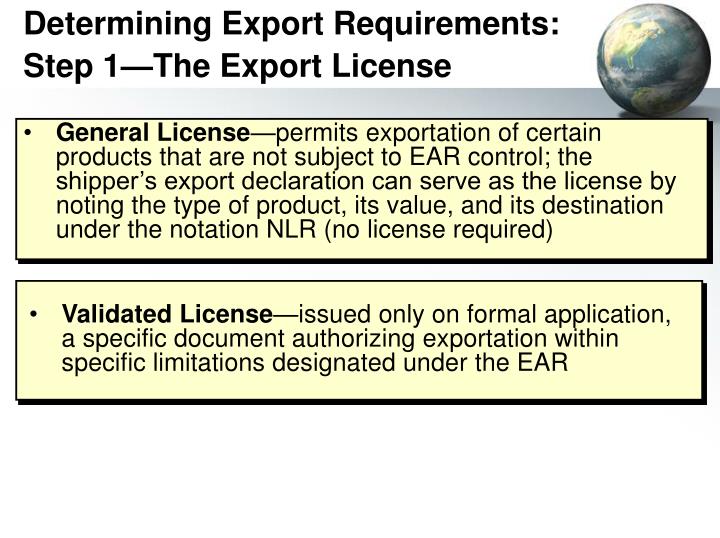
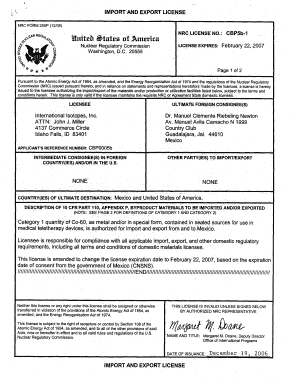
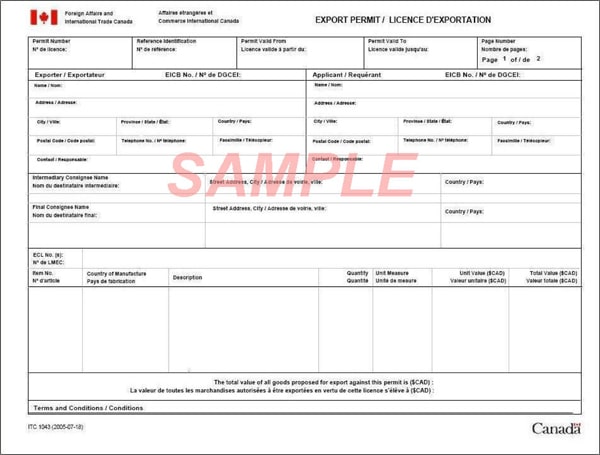
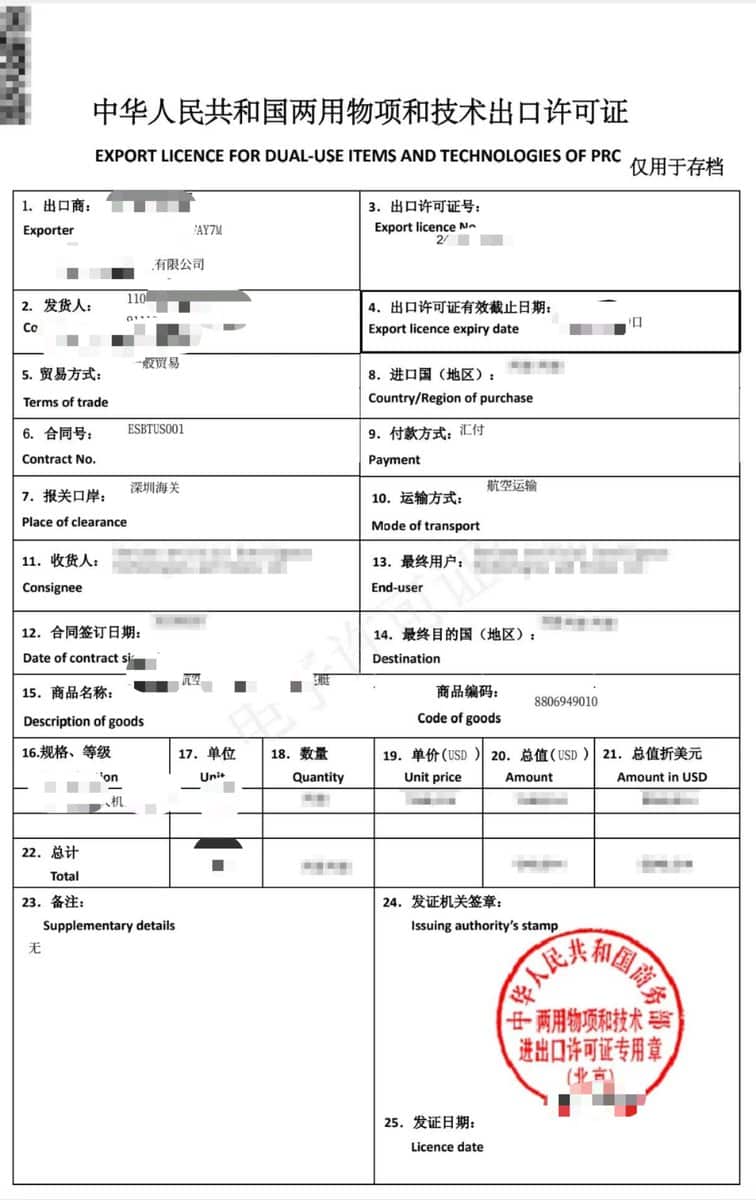
An export license is a government document that authorizes the export of specific goods, technologies, or services to certain destinations under defined conditions. This type of license is instrumental in regulating exports that could impact a country's national security, foreign policy, and economic interests. Export licenses are typically issued by the government agency responsible for regulating international trade, such as the U.S. Department of Commerce's Bureau of Industry and Security (BIS).
Why is an Export License Necessary?
Export licenses are necessary to ensure that exports do not harm a country's national security, foreign policy, or economic interests. In some cases, exports may be restricted due to the sensitive nature of the technology or goods being exported. For example, exports of military-related items, dual-use items, and items controlled by the Arms Export Control Act (AECA) require an export license. Additionally, exports to countries subject to U.S. sanctions or embargoes also require a license.