The Impact of GLP-1 on Pre-Diabetes Dietary Restrictions
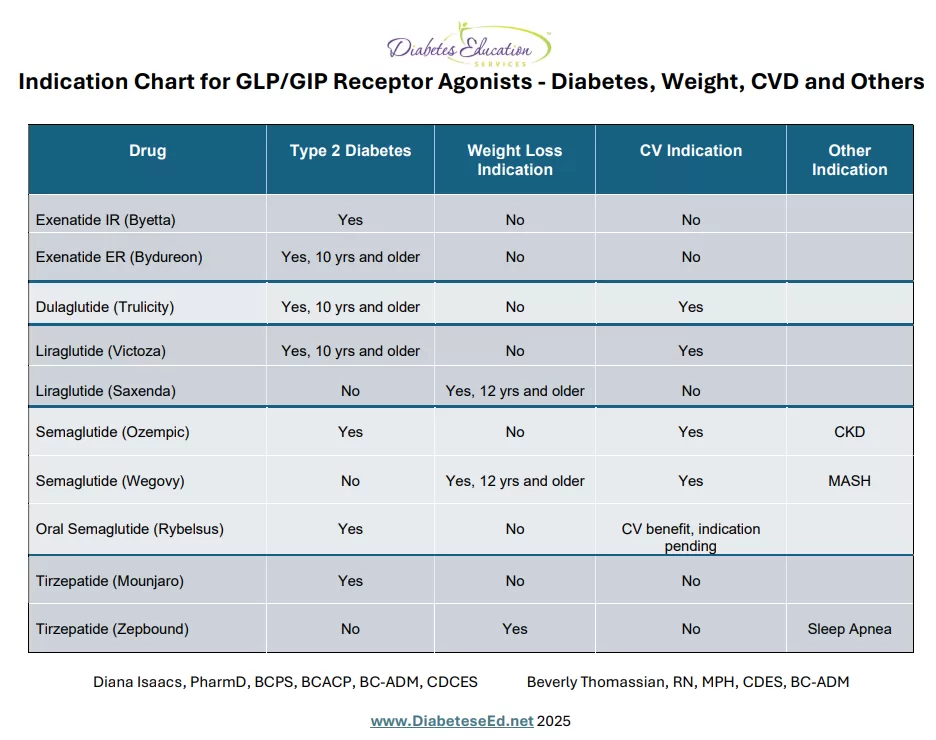
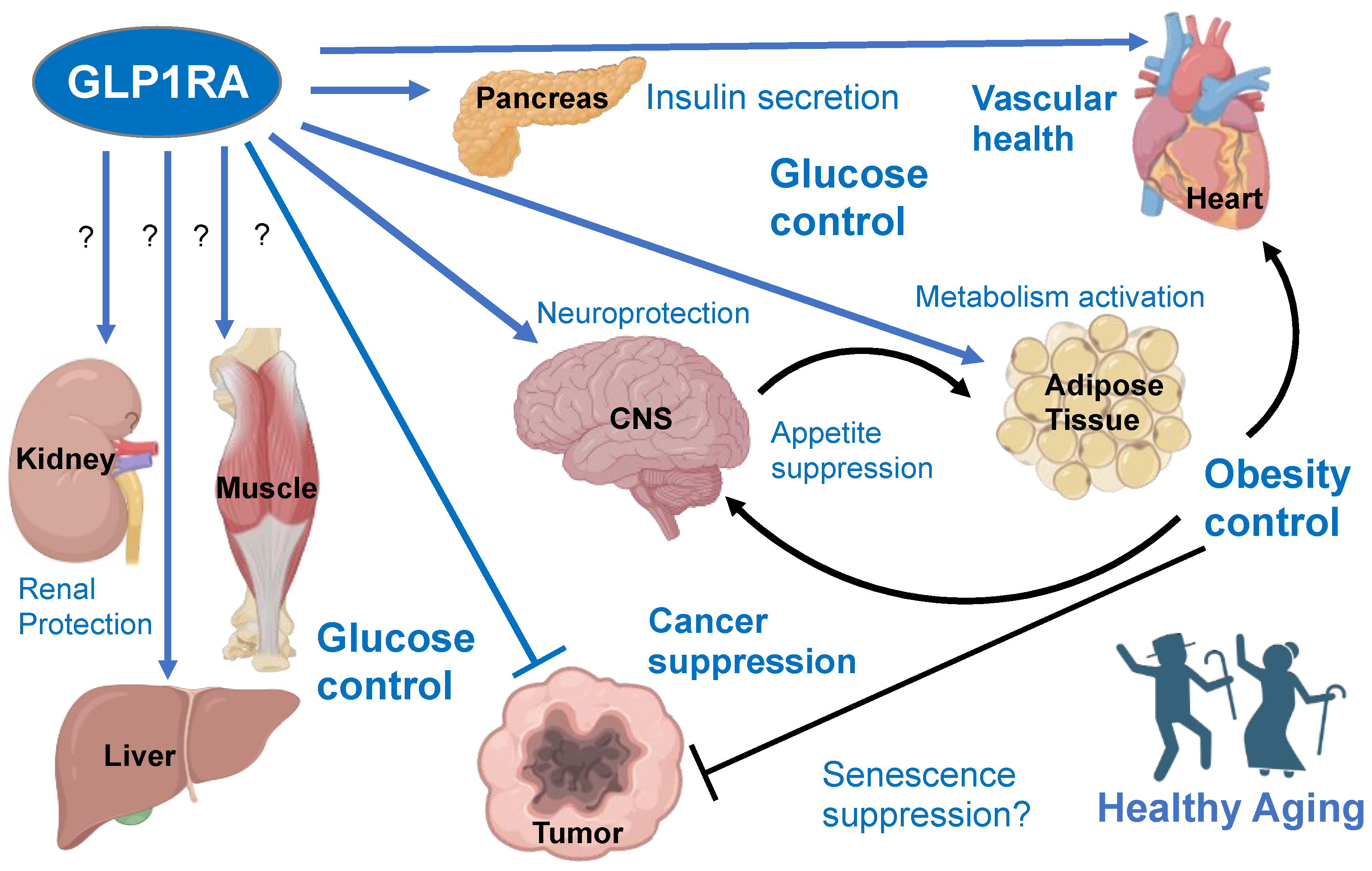
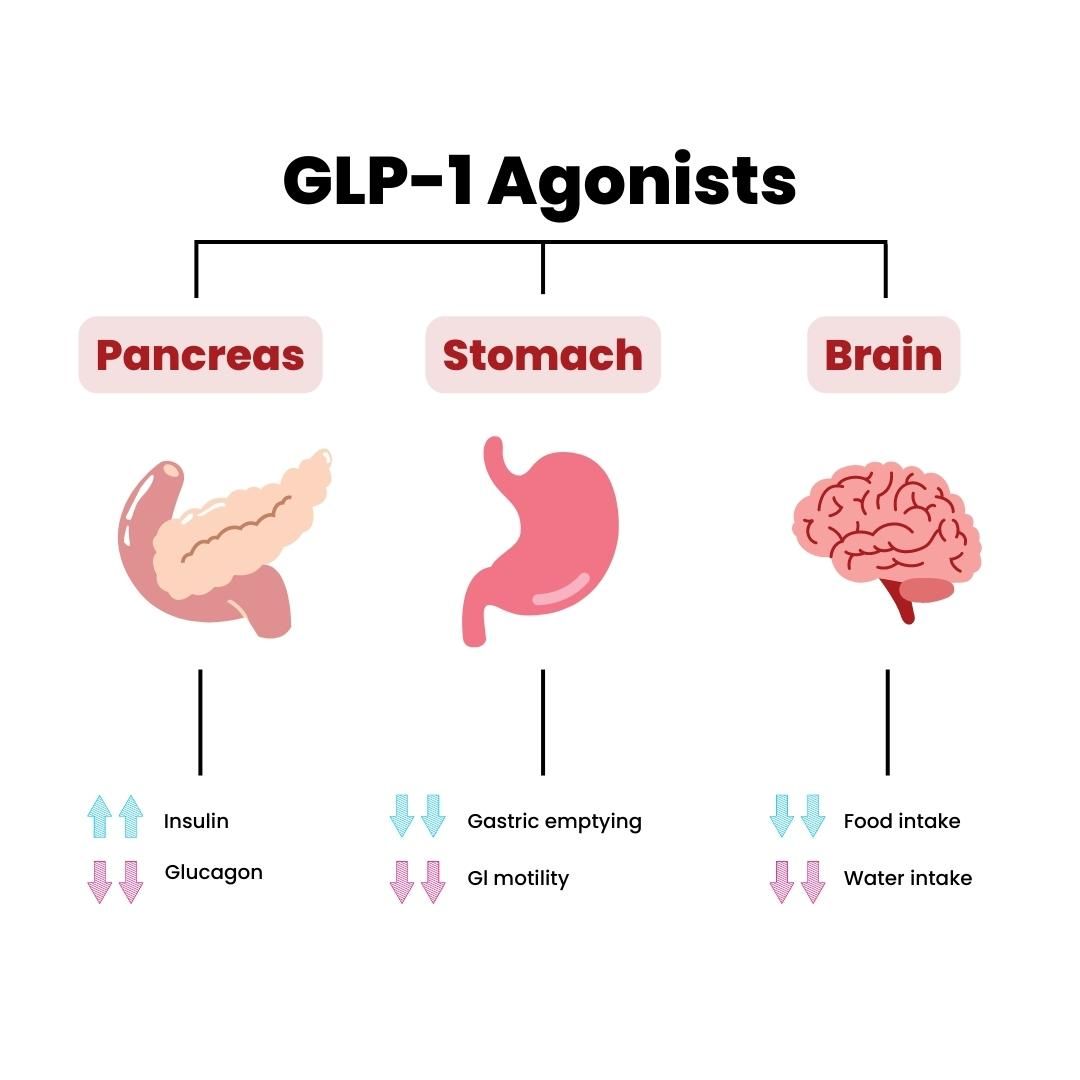
The glucagon-like peptide-1 (GLP-1) analogues have emerged as a promising therapeutic option for managing pre-diabetes. These medications have been shown to improve glucose homeostasis, insulin secretion, and satiety, ultimately leading to weight loss and a reduction in cardiovascular disease risk. However, the impact of GLP-1 on pre-diabetes dietary restrictions is not yet fully understood.
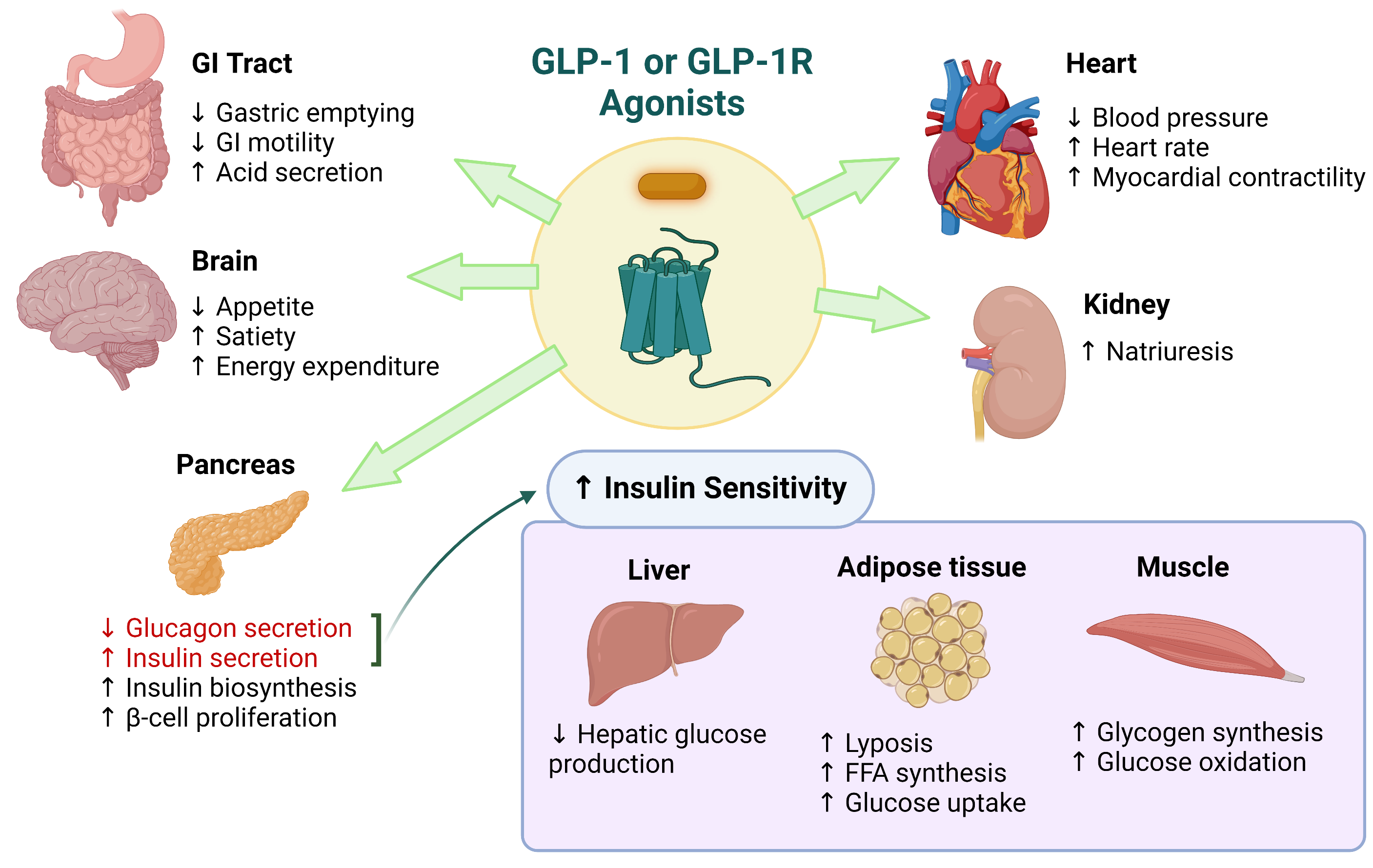
Physiological Roles of GLP-1
GLP-1 has been extensively studied for its physiological roles in regulating glucose homeostasis, insulin secretion, and satiety. This review delves into the physiological roles of GLP-1, exploring its impact on glucose homeostasis, insulin secretion, and satiety.
The Impact of GLP-1 on Pre-Diabetes Dietary Restrictions
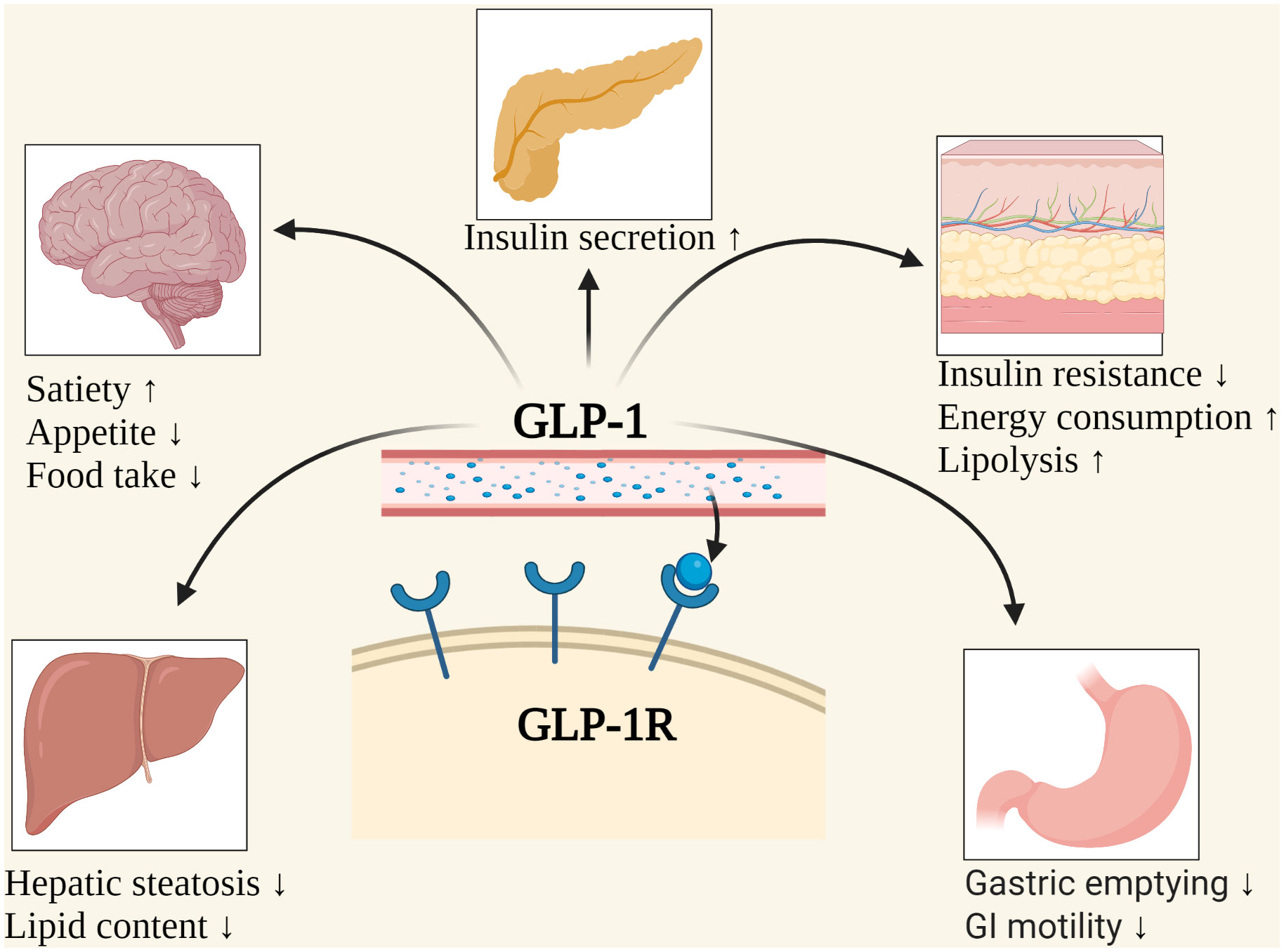
Research has shown that GLP-1 analogues can improve dietary patterns and nutrient intakes in patients with obesity and pre-diabetes. A secondary analysis of a randomized controlled trial found that liraglutide, a GLP-1 receptor agonist, improved dietary patterns and nutrient intakes in patients with obesity and pre-diabetes.
Adjusting Diet for Optimal GLP-1 Response
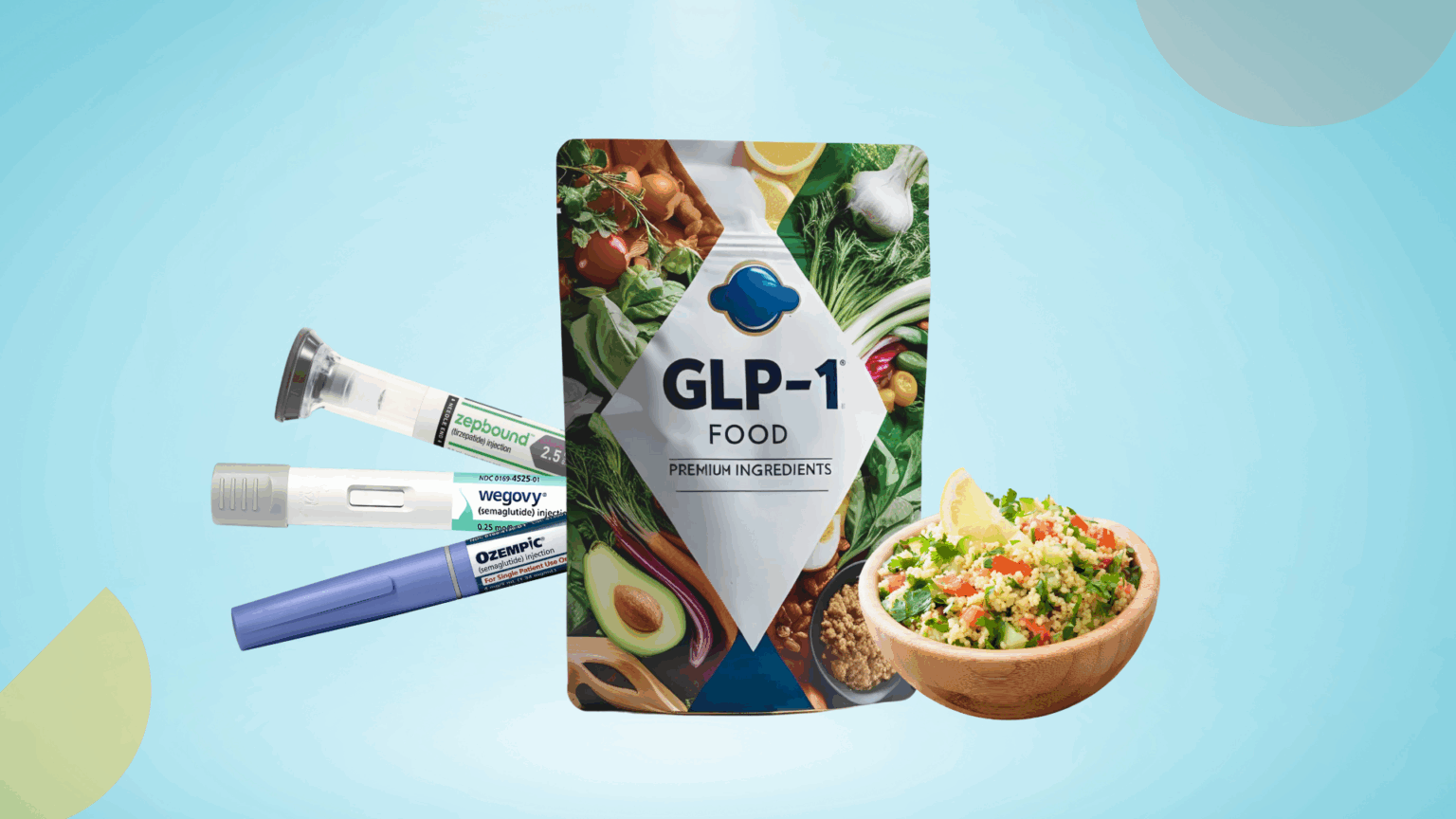
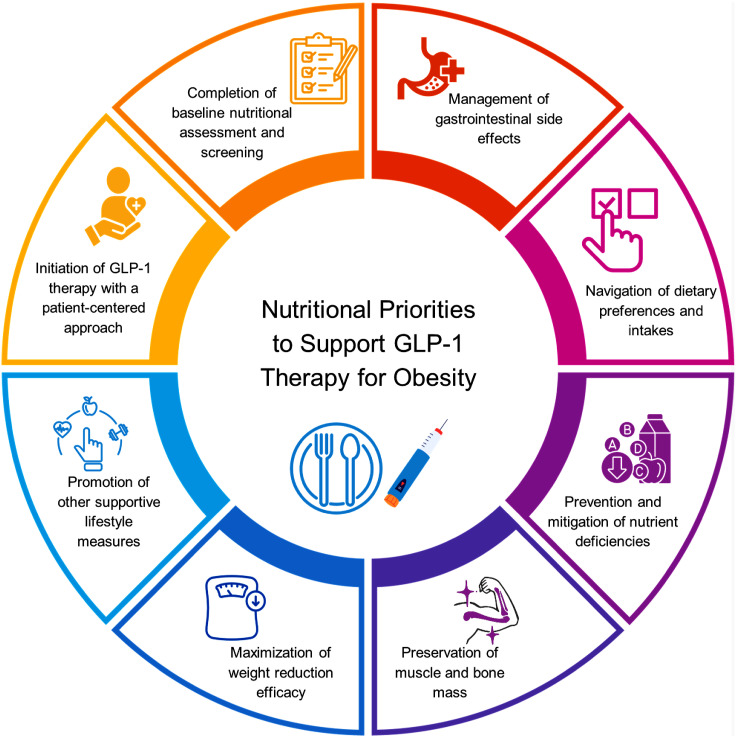
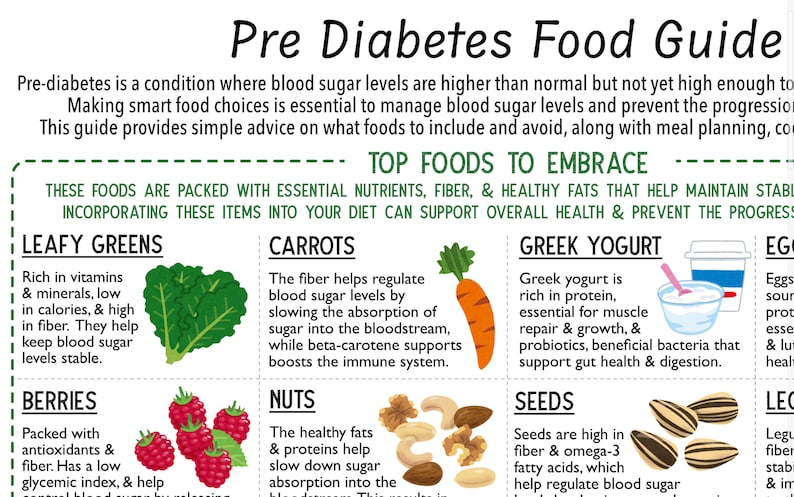
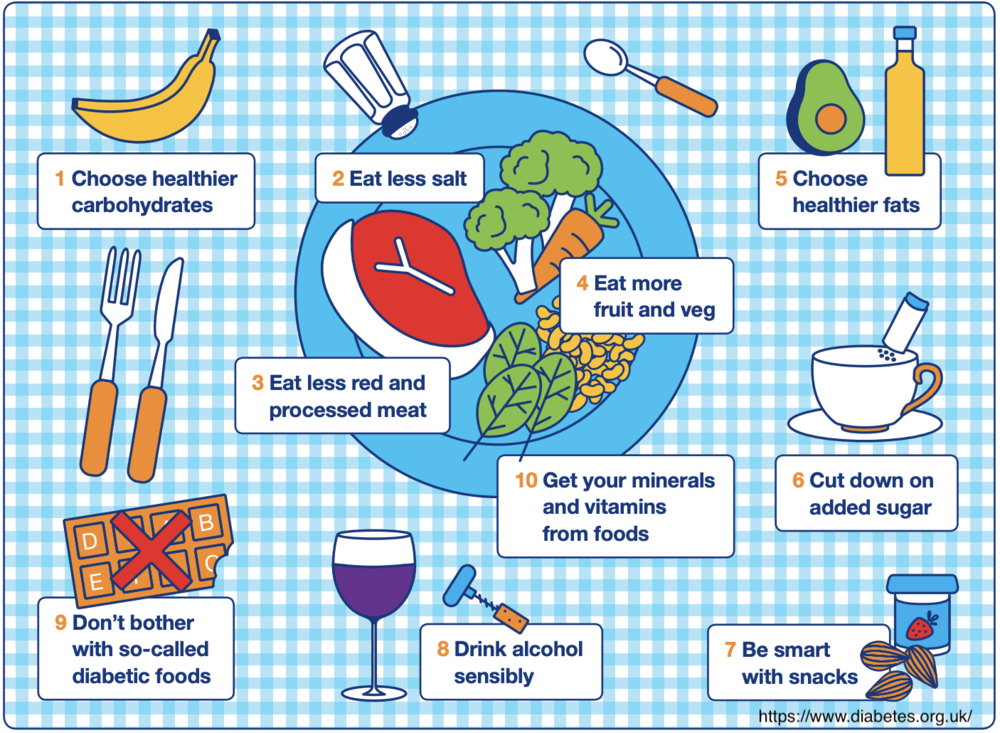
To get the most out of GLP-1 therapy, it's essential to adjust your diet to enhance the interaction with G-protein-coupled receptors (GPCRs) or absorption via membrane transporters. Consuming a diet rich in whole, nutrient-dense foods, such as fruits, vegetables, healthy fats, and whole grains, can help maximize the benefits of GLP-1 therapy.