The Relationship Between GLP-1, Hunger and Calorie Intake
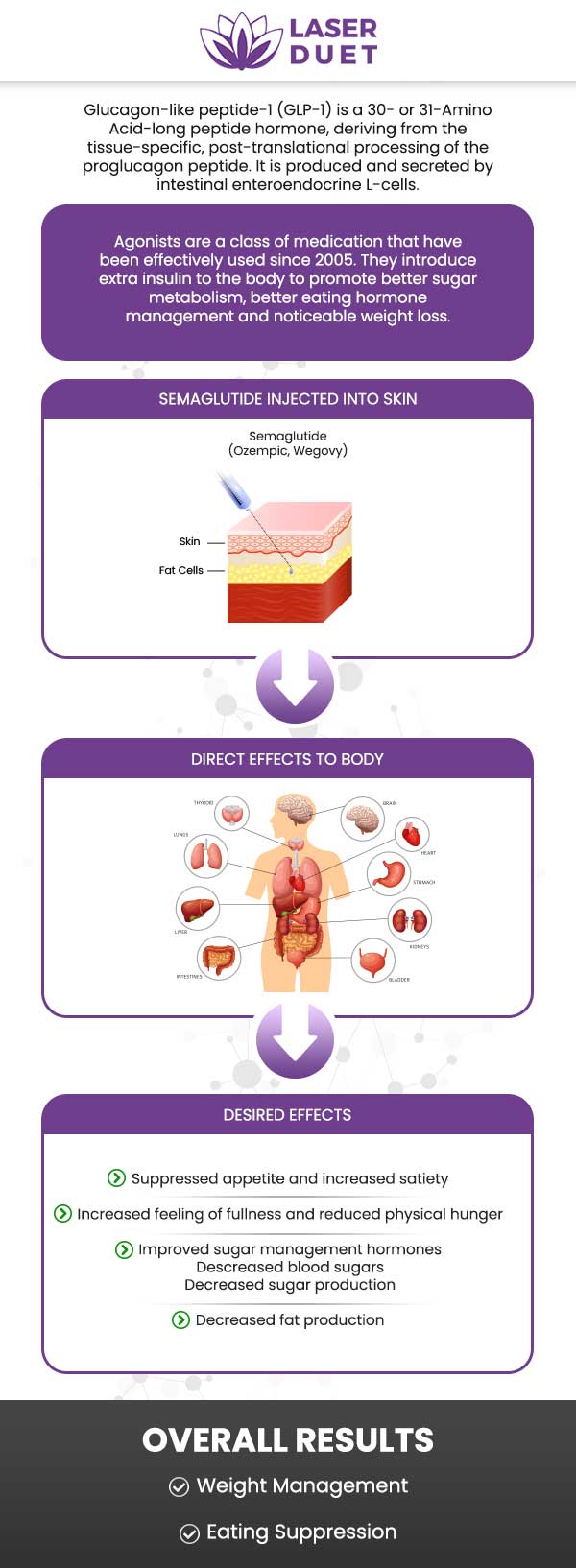
Glucagon-like peptide-1 (GLP-1) is a hormone that plays a crucial role in regulating hunger and calorie intake. Secreted by L cells in the intestine, GLP-1 helps to modulate glucose metabolism and has been found to have a significant impact on appetite and food intake.
How GLP-1 Influences Hunger and Calorie Intake
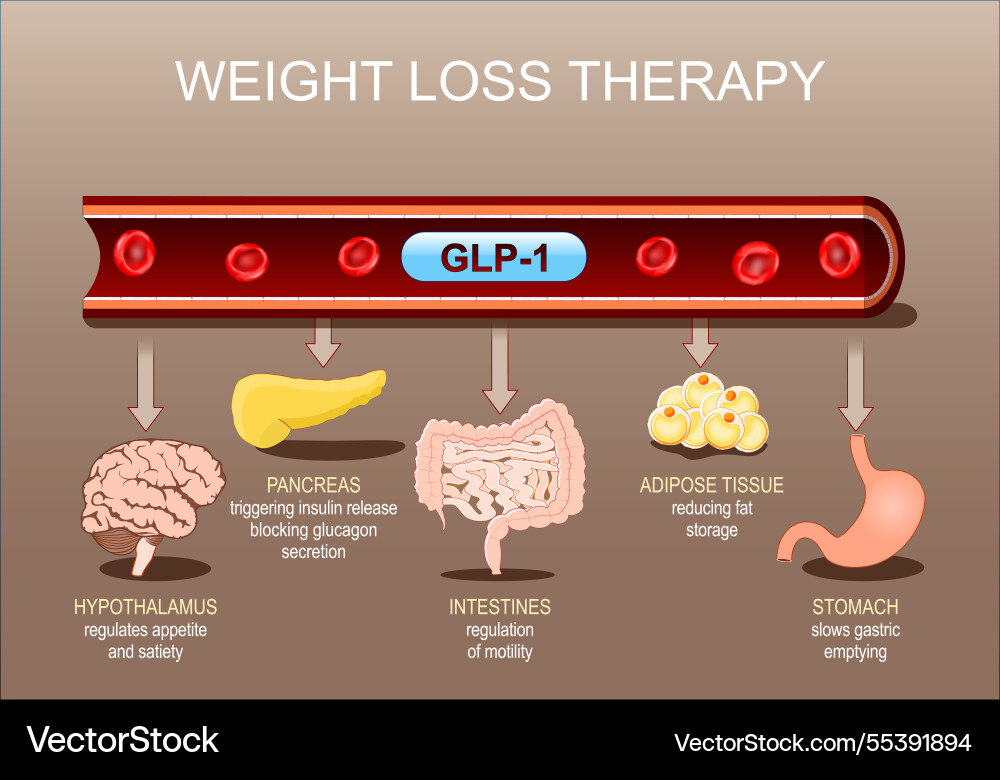
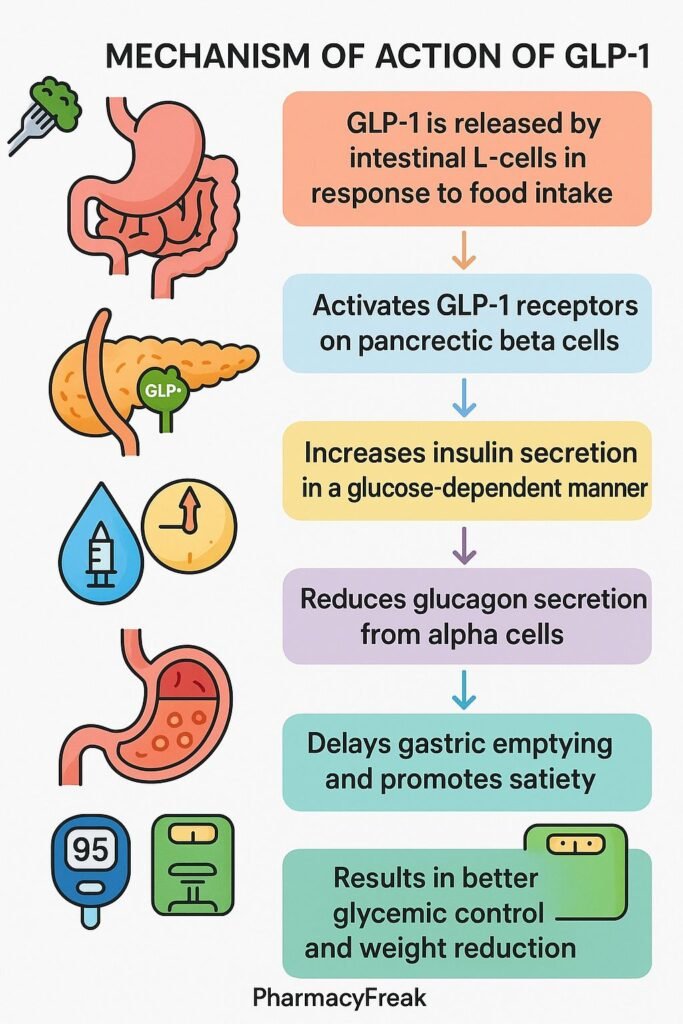
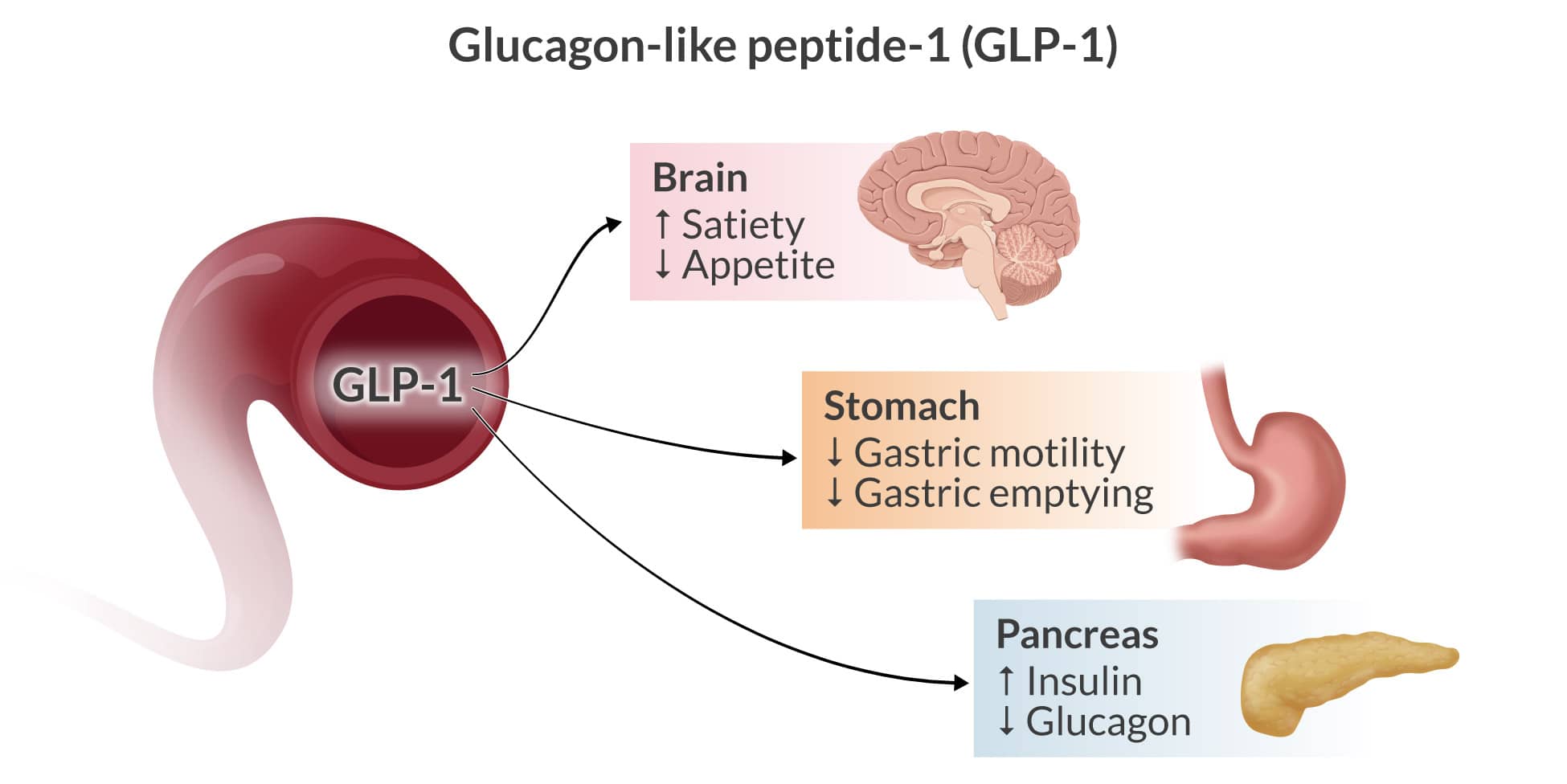
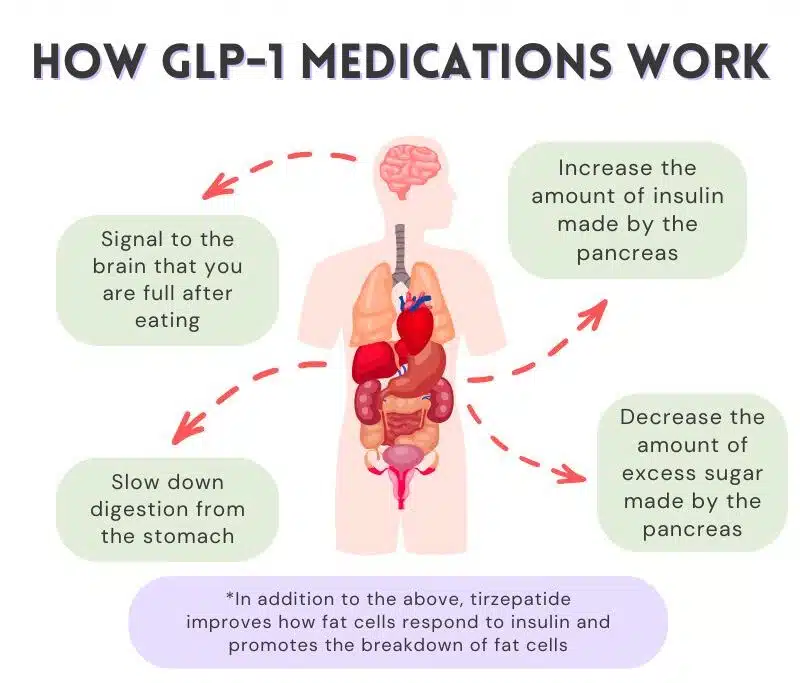
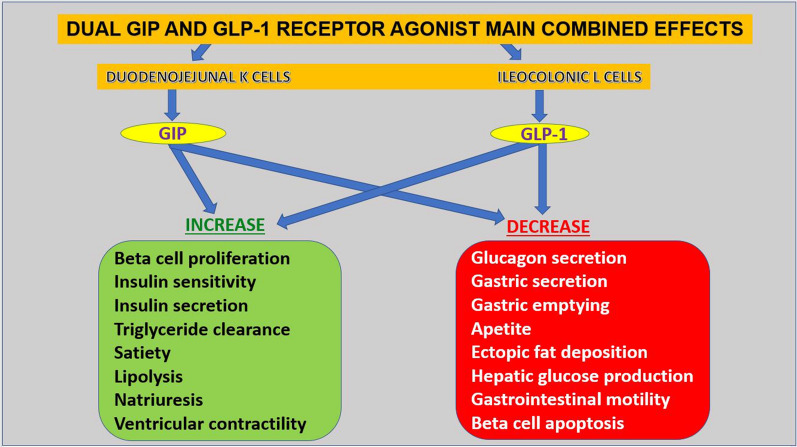
GLP-1 works by stimulating the release of insulin, suppressing the release of glucagon, and slowing gastric emptying. This combination of effects leads to a decrease in hunger and an increase in feelings of fullness, making it easier to maintain a healthy calorie deficit.
GLP-1 Medications and Weight Loss

GLP-1 medications, such as semaglutide and tirzepatide, have been shown to be effective in promoting weight loss by reducing hunger and increasing feelings of fullness. These medications work by amplifying the natural signal of GLP-1, leading to a reduction in calorie intake and an increase in weight loss.
The Science Behind GLP-1 and Hunger
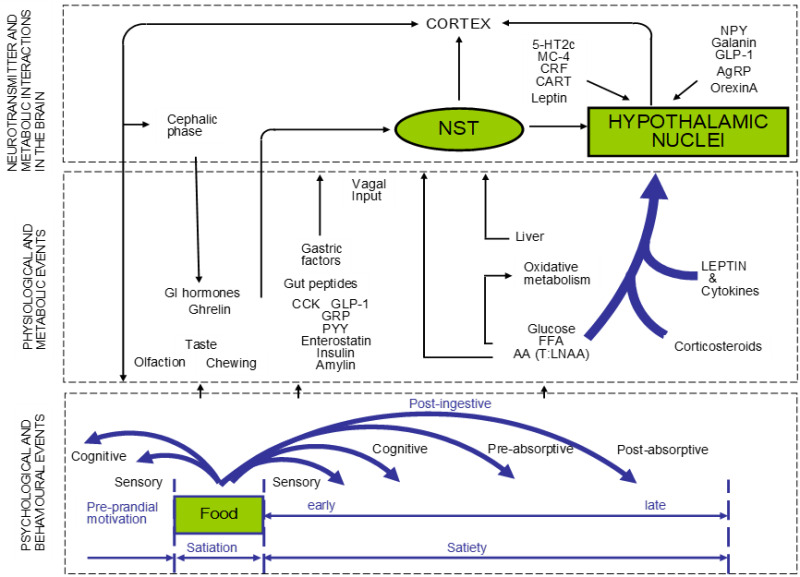
The relationship between GLP-1 and hunger is complex and involves the interplay between multiple hormones, including leptin, ghrelin, and insulin. Leptin is often referred to as the "satiety hormone," while ghrelin is known as the "hunger hormone." GLP-1 works by stimulating the release of leptin and suppressing the release of ghrelin, leading to a decrease in hunger and an increase in feelings of fullness.