The Hidden Connection: T2D and Stress Eating
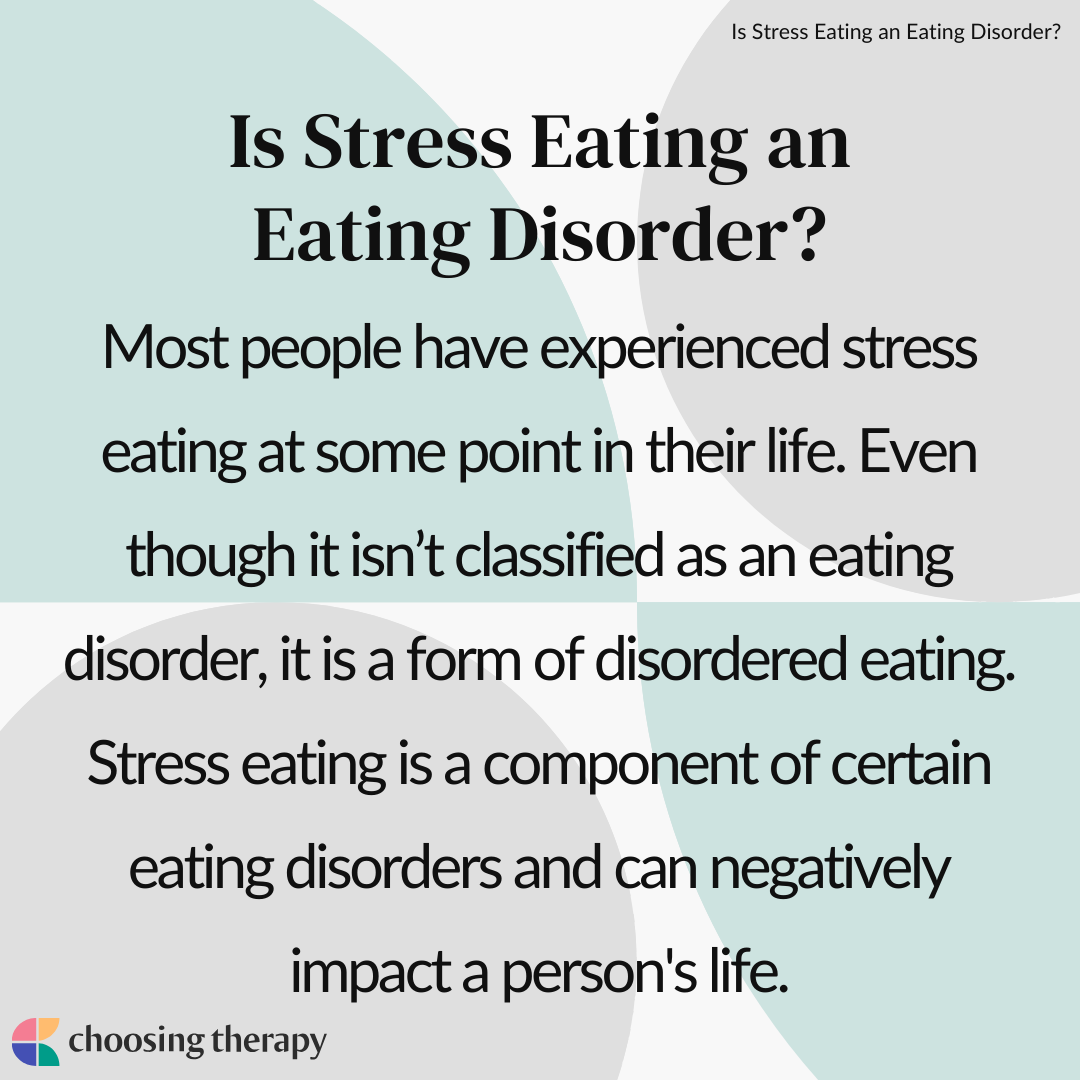
Have you ever found yourself reaching for comfort food when you're feeling stressed or overwhelmed? You're not alone. Stress eating is a common phenomenon that can have serious consequences for individuals living with type 2 diabetes (T2D). In this article, we'll explore the complex relationship between T2D and stress eating, and provide tips on how to manage this vicious cycle.
Chronic Stress and T2D
Chronic stress contributes to the onset of type 2 diabetes, yet the underlying etiological mechanisms are not fully understood. Stress activates the hypothalamus-pituitary-adrenal axis, releasing glucocorticoids and catecholamines, which can disrupt glucose metabolism and insulin sensitivity. This can lead to insulin resistance, a hallmark of T2D. In addition, stress can also lead to disordered eating patterns, including stress eating, which can exacerbate blood sugar fluctuations.

The Stress-Eating Cycle
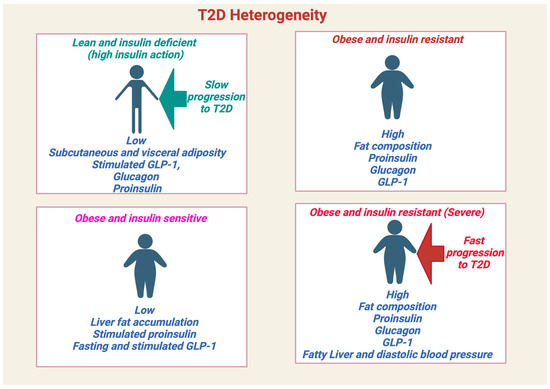
Stress eating can be a coping mechanism for individuals with T2D, but it can also perpetuate a cycle of inflammation, oxidative stress, and metabolic dysfunction. When we eat in response to stress, our bodies release cortisol and other hormones that can lead to insulin resistance and glucose intolerance. This can further contribute to T2D development and progression. Moreover, stress eating can also lead to overeating, which can result in weight gain, insulin resistance, and other metabolic complications.