Optimize Sleep Schedule for Better Concentration
Getting a good night's sleep is essential for cognitive performance and overall well-being. A consistent sleep schedule helps regulate the body's internal clock, promotes better sleep patterns, and improves concentration. In this article, we'll explore the importance of optimizing your sleep schedule for better concentration and provide tips on how to establish a healthy sleep routine.
The Science of Sleep and Concentration
Research has shown that sleep plays a critical role in cognitive function, including concentration, memory, and problem-solving skills. During sleep, the brain processes and consolidates information, transfers short-term memories to long-term storage, and refines neural pathways. Adequate sleep is essential for optimal brain function, and a consistent sleep schedule helps to regulate this process.
When we sleep, our brains go through different stages, including slow-wave sleep and rapid eye movement (REM) sleep. Slow-wave sleep is essential for physical recovery, while REM sleep is crucial for mental restoration. A well-rested brain can focus and concentrate better, making it easier to learn new information, solve problems, and make better decisions.
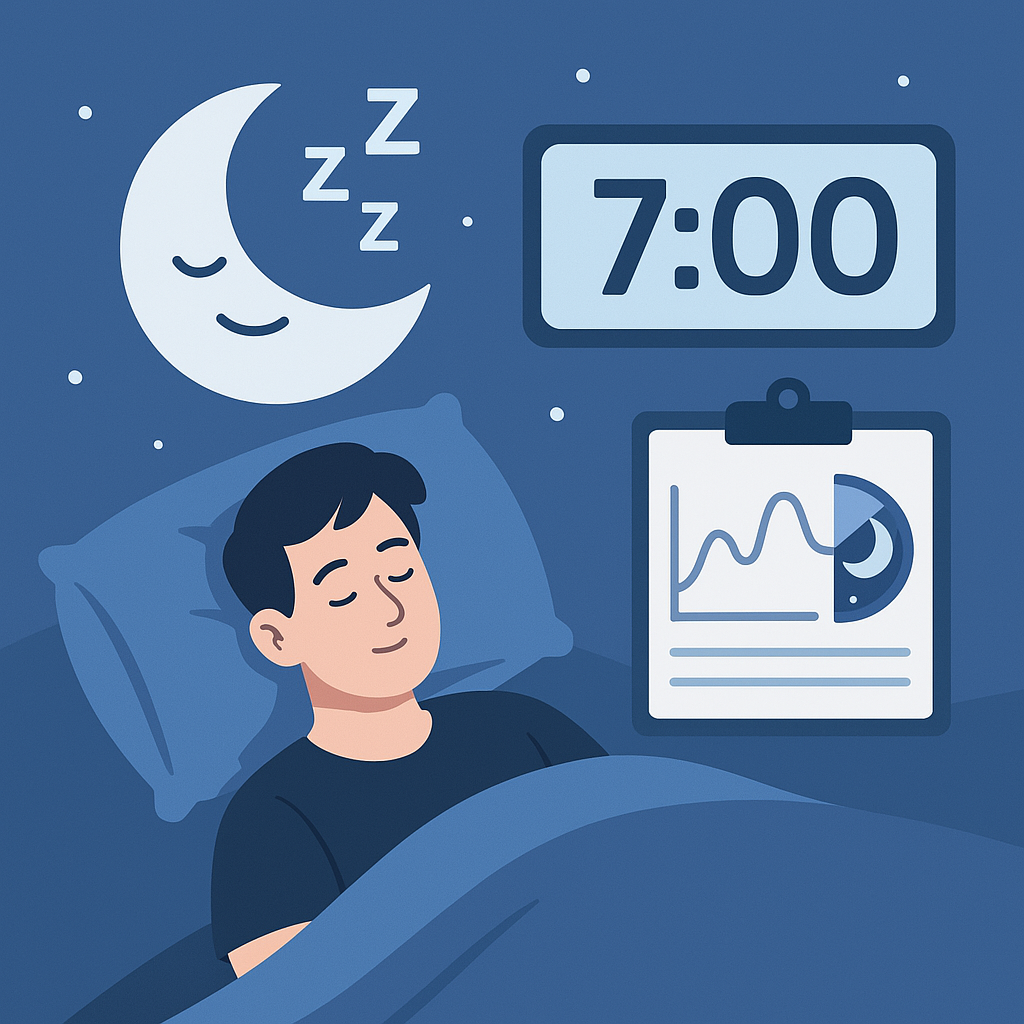
Tips for Optimizing Your Sleep Schedule
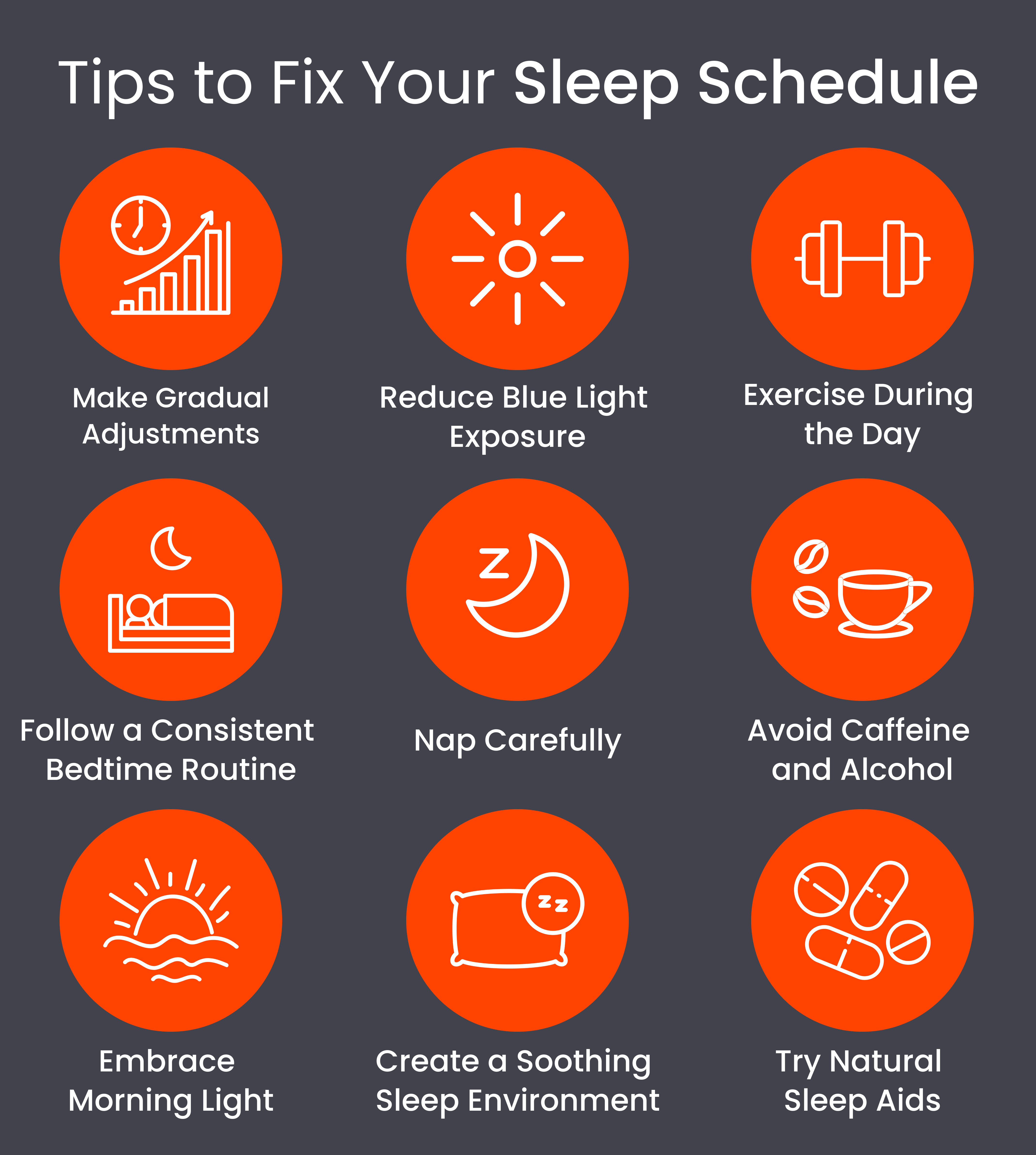
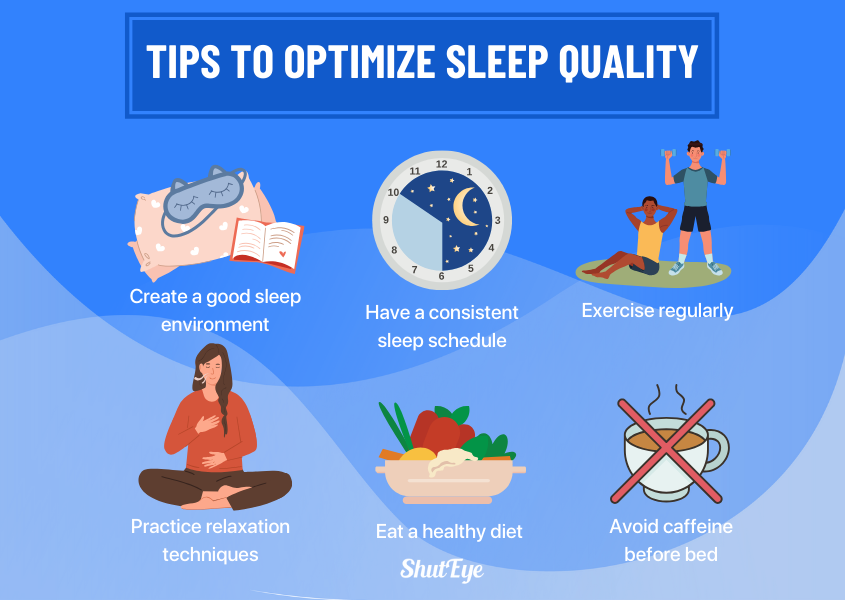
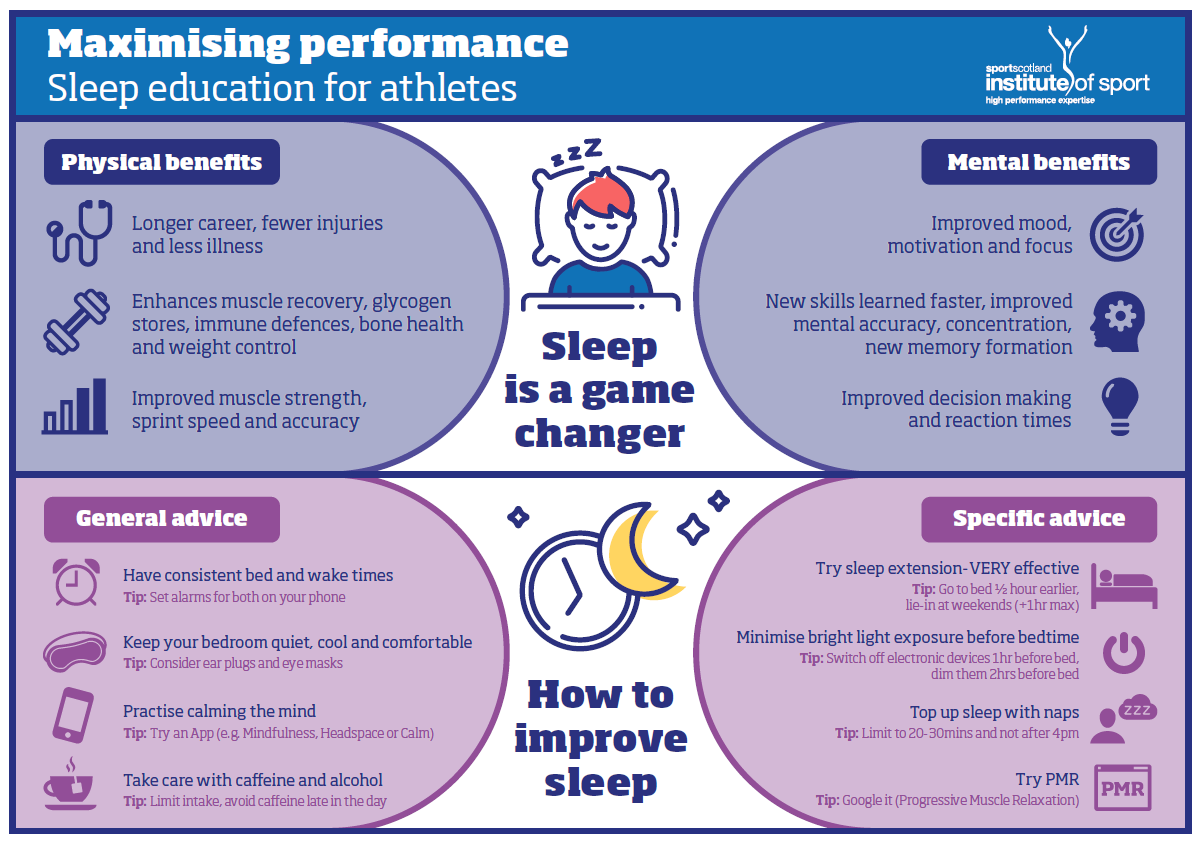
Here are some tips to help you optimize your sleep schedule for better concentration:
- Establish a Consistent Sleep Schedule: Go to bed and wake up at the same time every day, even on weekends. This helps regulate your body's internal clock and improves the quality of your sleep.
- Create a Bedtime Routine: Develop a calming pre-sleep routine, such as reading a book, taking a warm bath, or practicing relaxation techniques like meditation or deep breathing.
- Optimize Your Sleep Environment: Make your bedroom a sleep sanctuary by ensuring it's dark, quiet, and cool. Invest in a comfortable mattress and pillows, and consider using earplugs, a white noise machine, or blackout curtains if necessary.
- Limits Screens Before Bed: Avoid screens for at least an hour before bedtime, as the blue light emitted can interfere with your sleep-wake cycle.
- Avoid Stimulating Activities Before Bed: Avoid engaging in stimulating activities like exercise, watching TV, or playing video games before bedtime, as they can make it harder to fall asleep.
- Limit Caffeine and Nicotine: Avoid consuming caffeine and nicotine in the afternoon or evening, as they can disrupt your sleep patterns and make it harder to concentrate.
- Get Morning Sunlight: Exposure to natural sunlight in the morning helps regulate your circadian rhythms and can improve your sleep quality.