Lawn Dethatching and Aerating: A Comprehensive Guide to a Healthier Lawn
Maintaining a healthy lawn requires more than just regular mowing and watering; it involves understanding the needs of your grass and soil. Two common yard care methods, dethatching and aerating, are often used to improve lawn health, but they serve different purposes and should be applied at different times.
Dethatching vs. Aerating: What's the Difference?
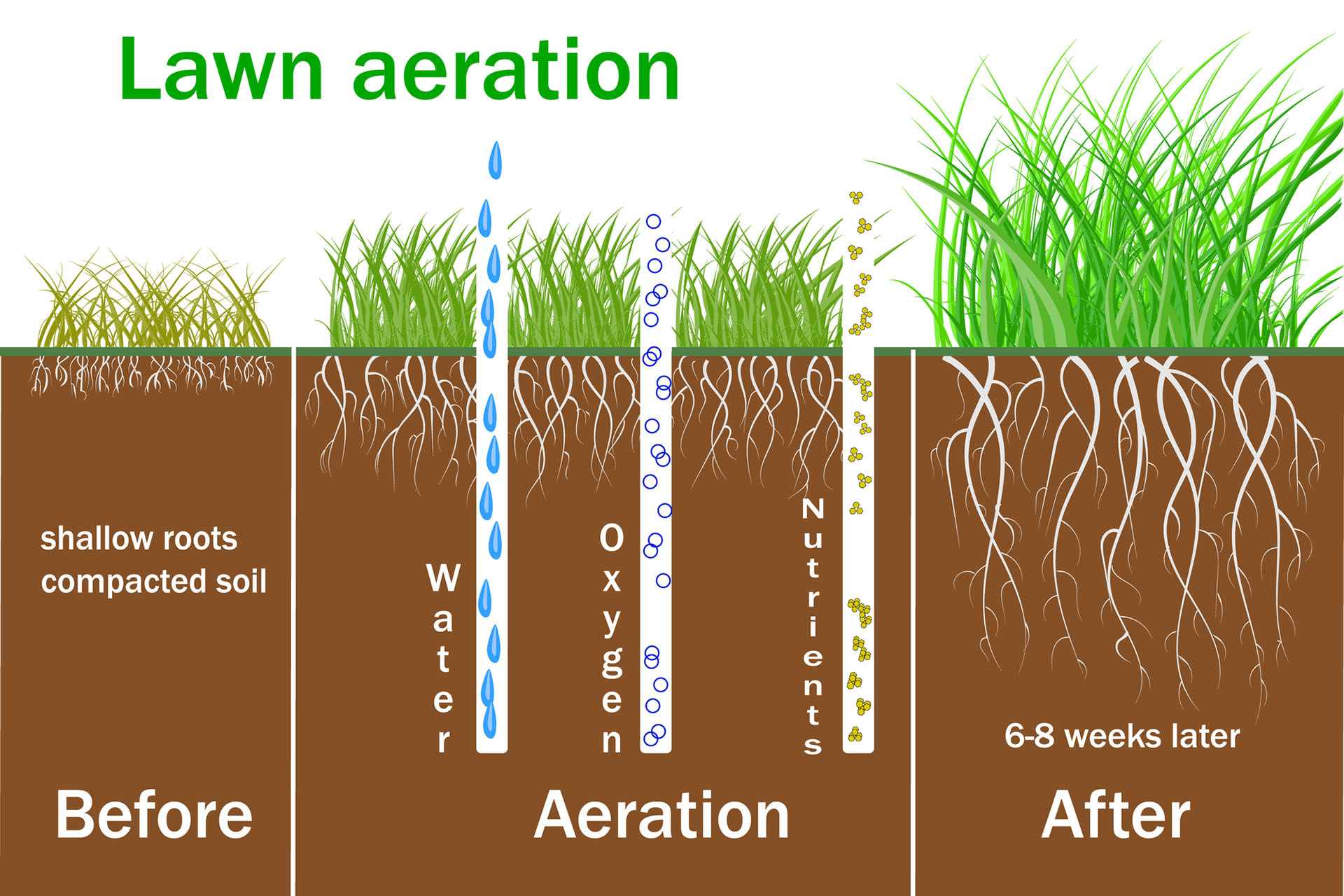
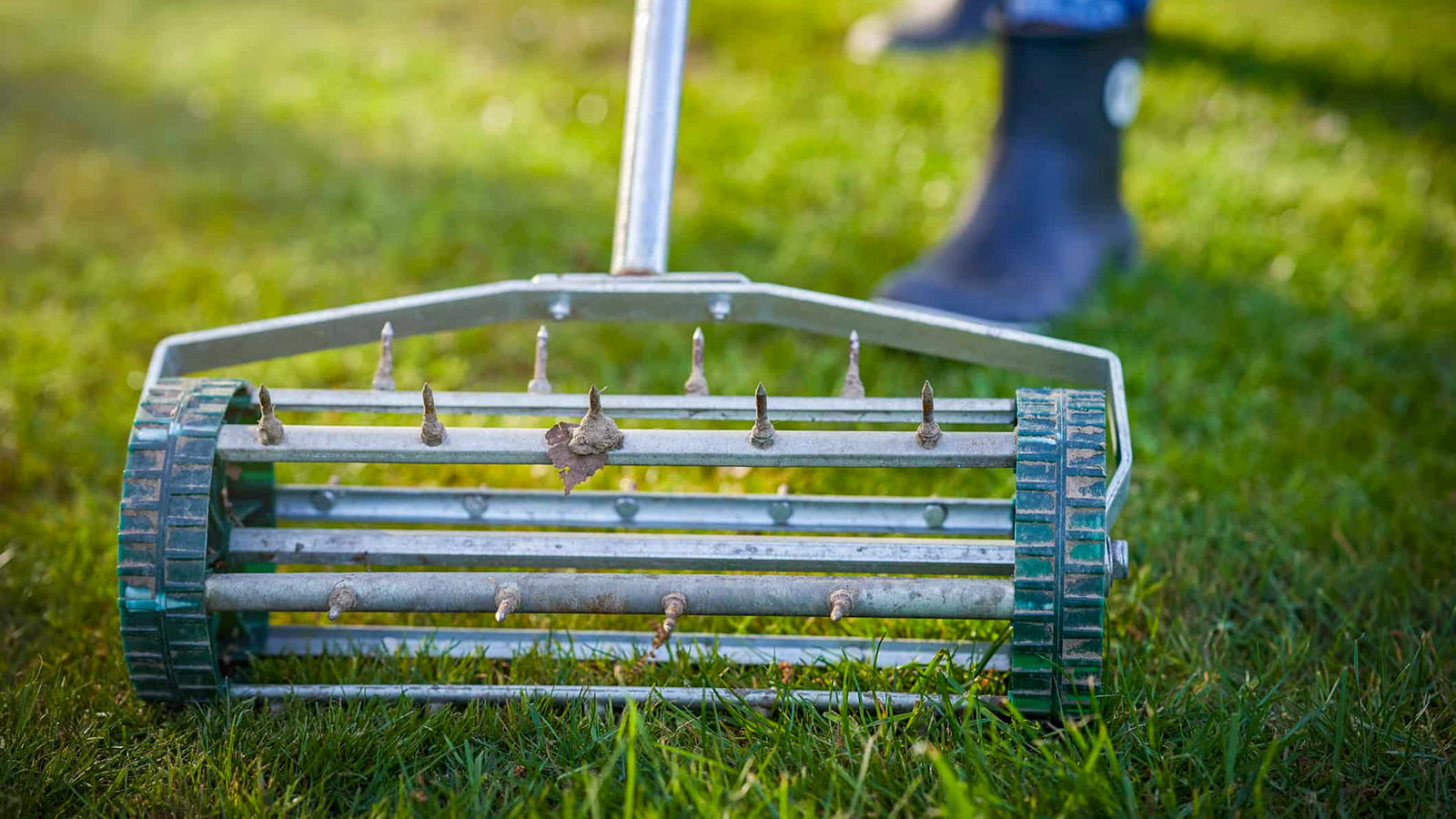
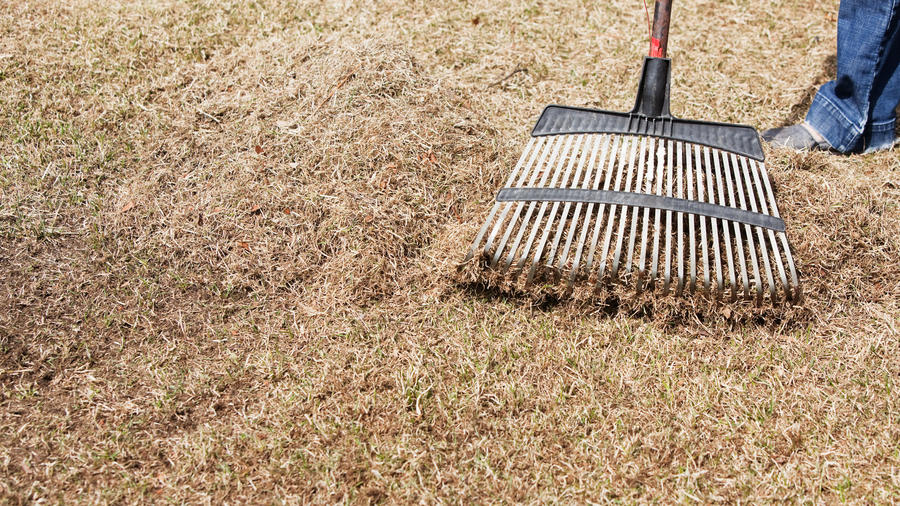
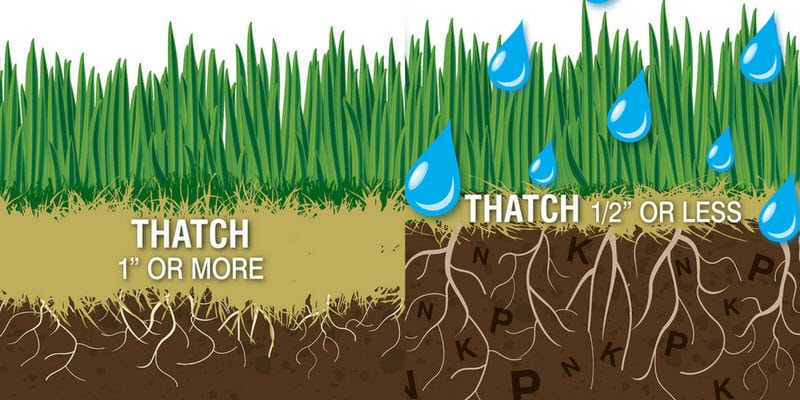
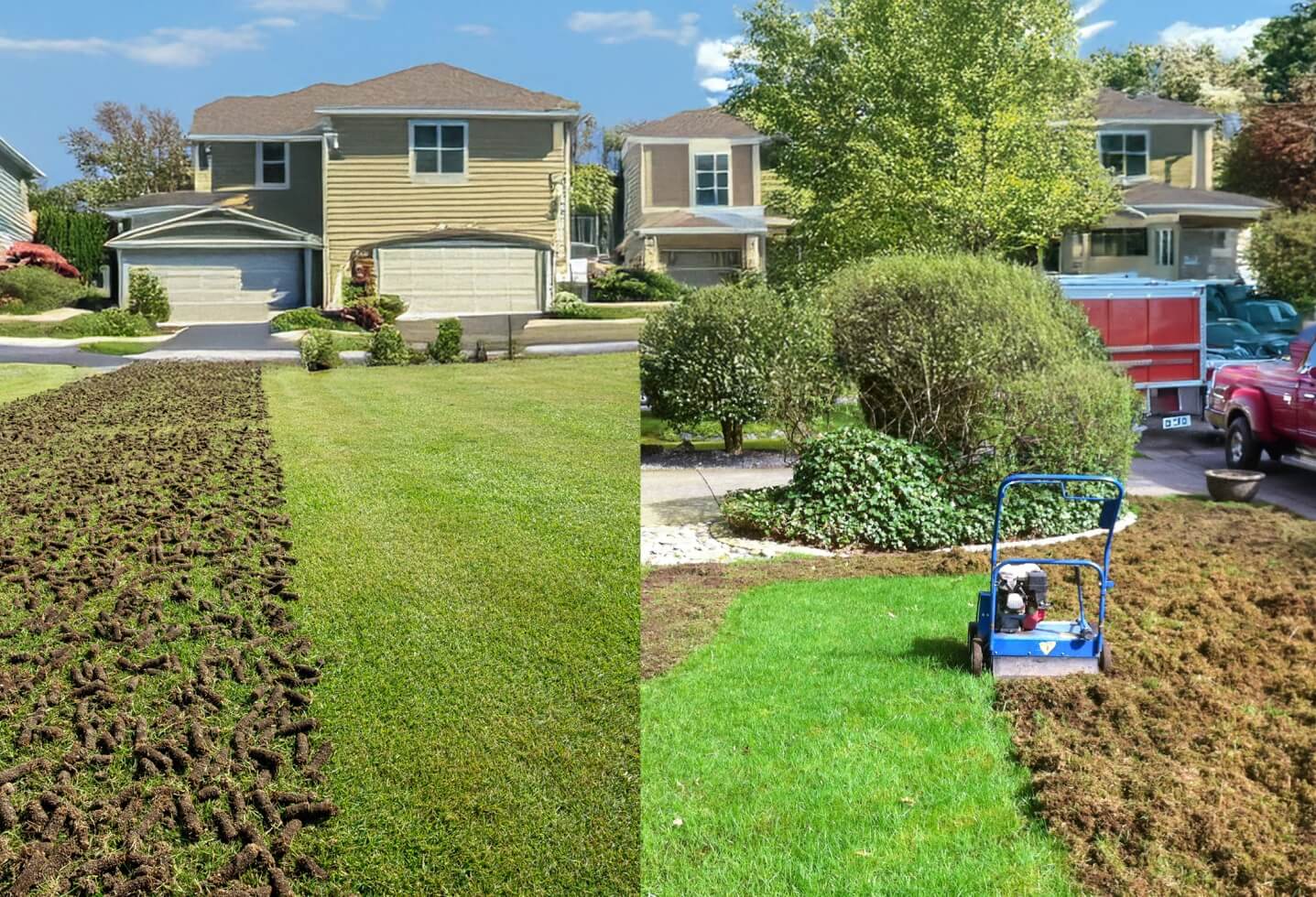
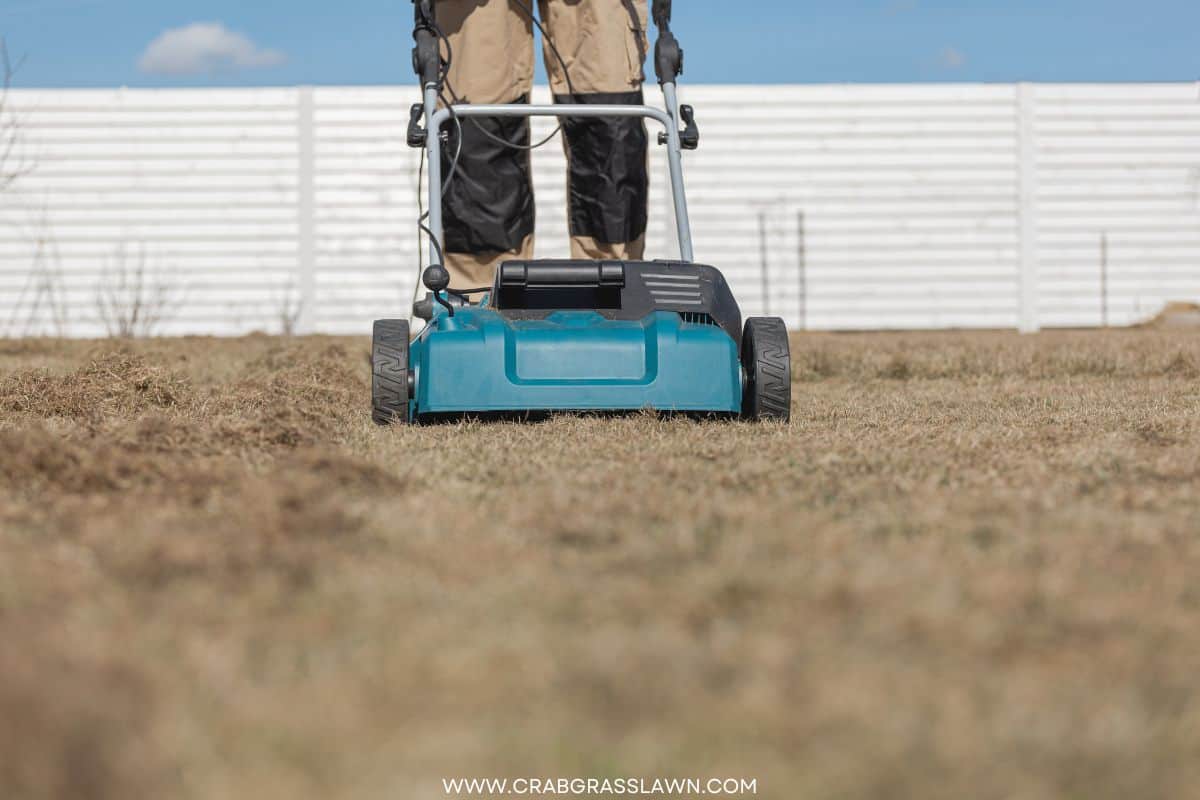
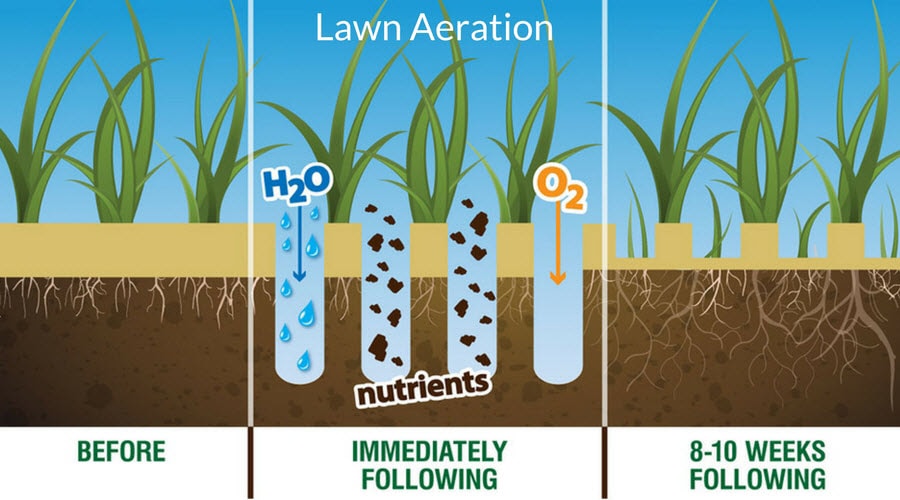
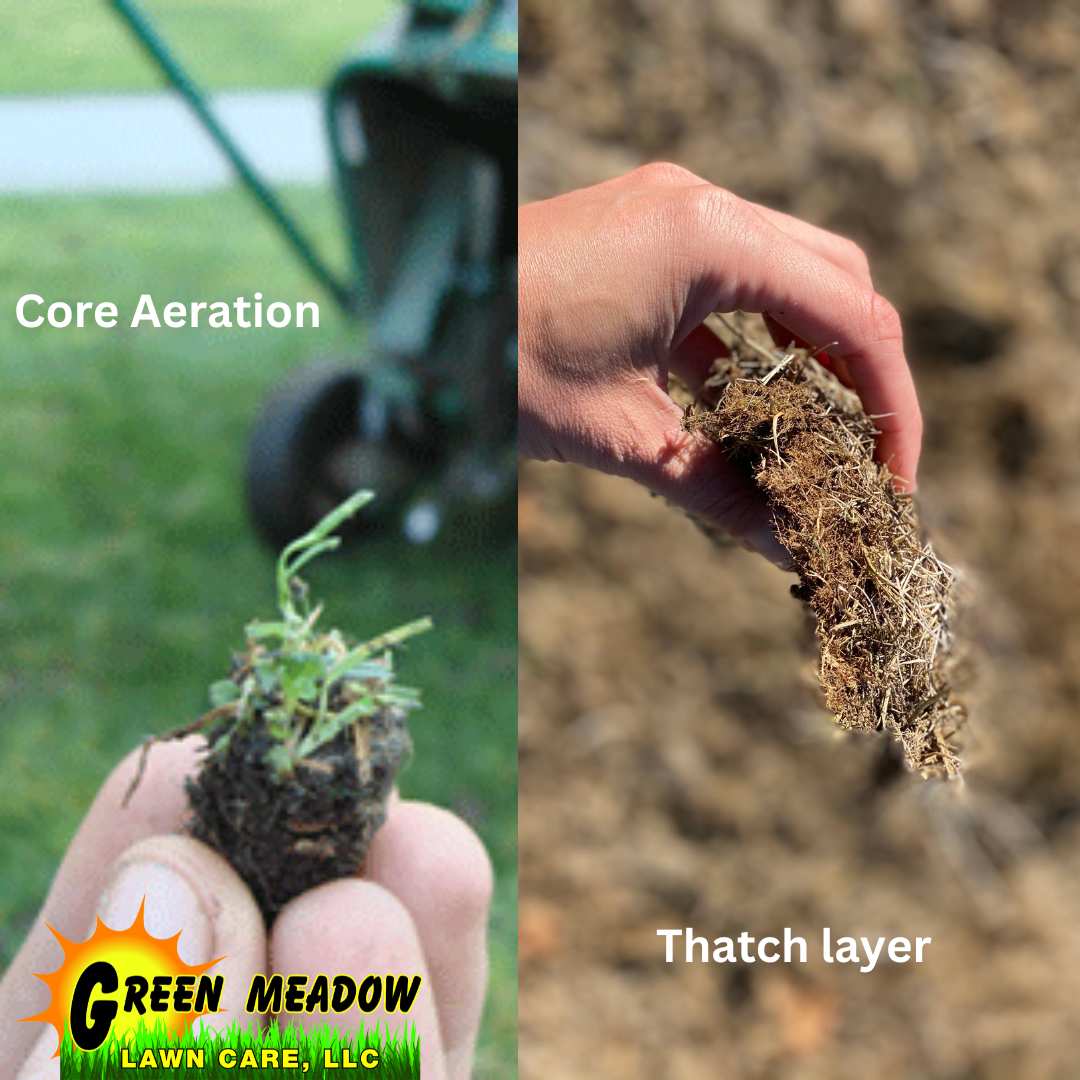
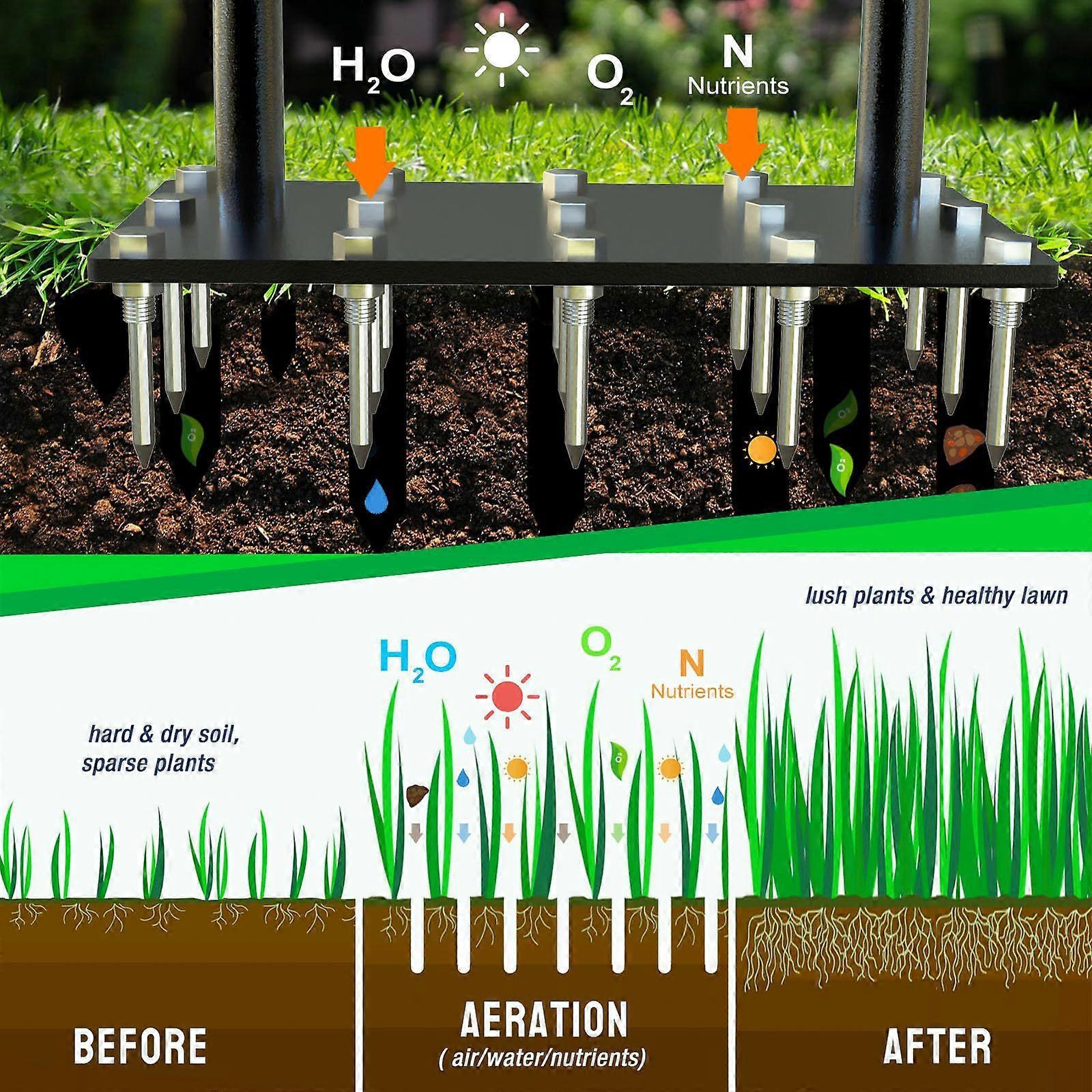
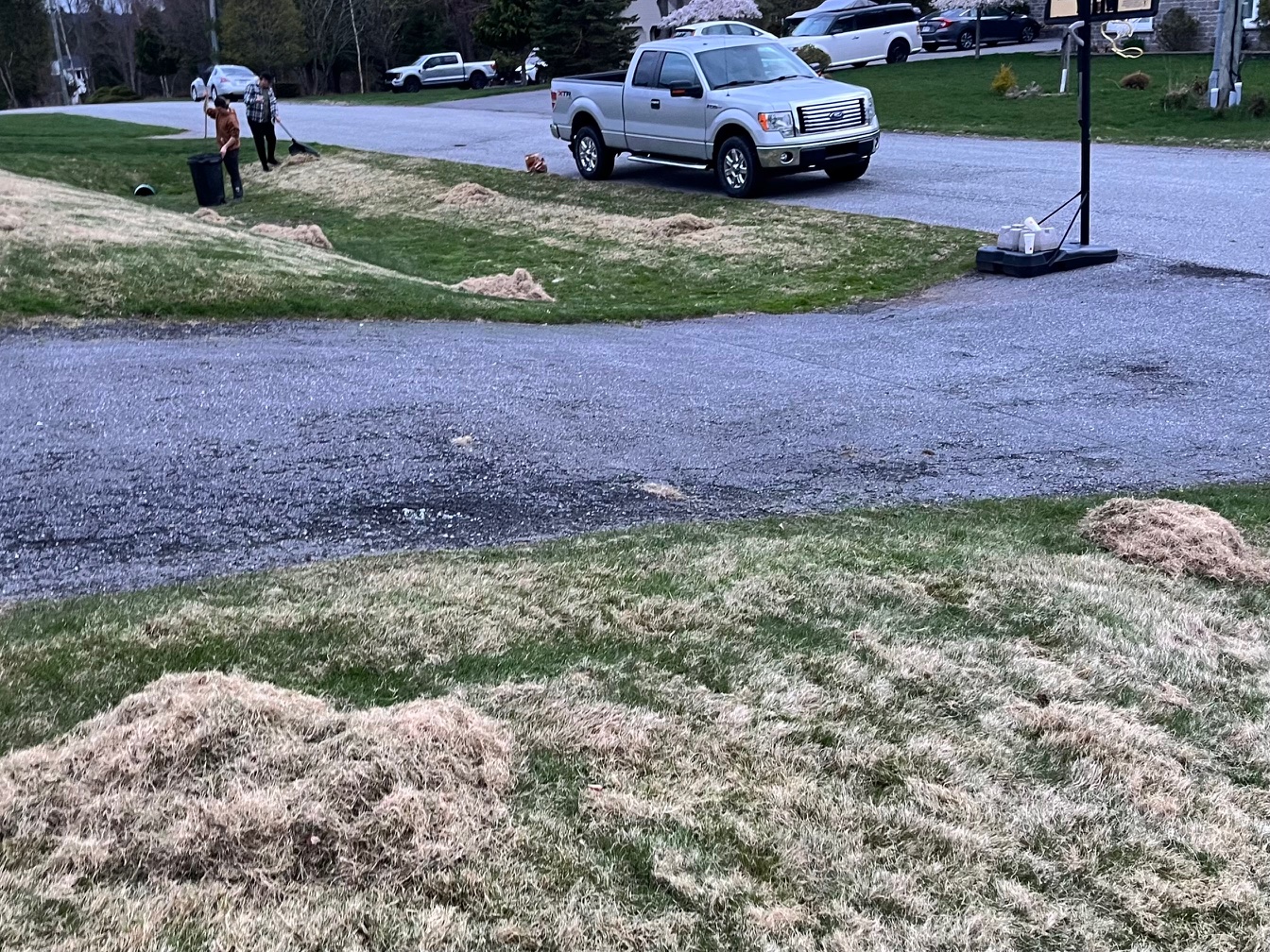
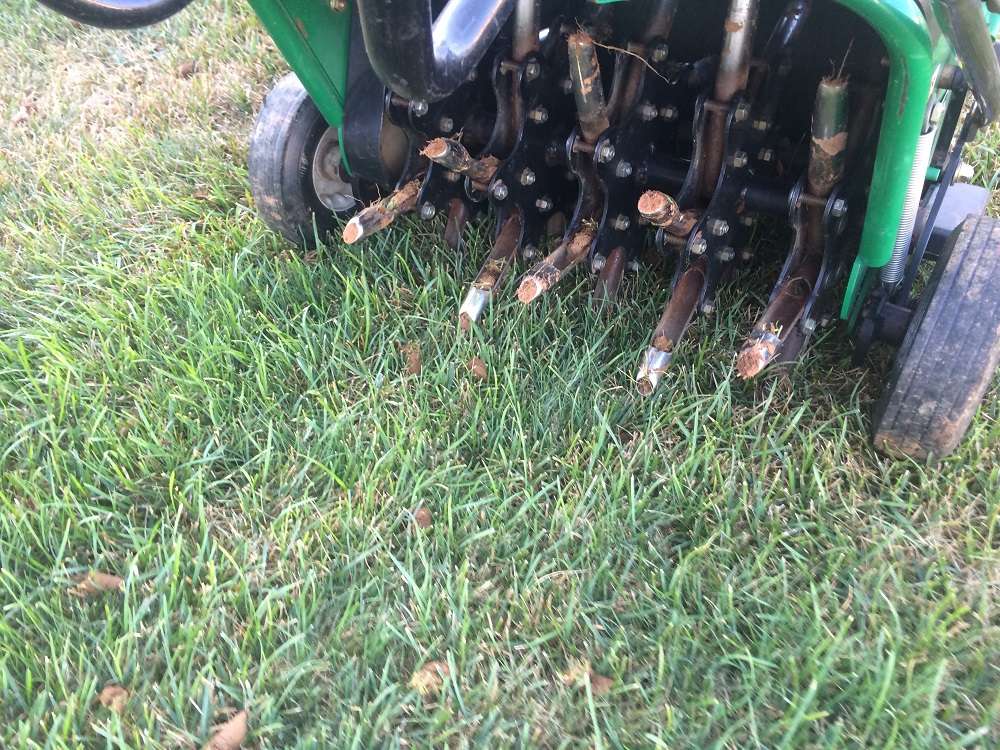
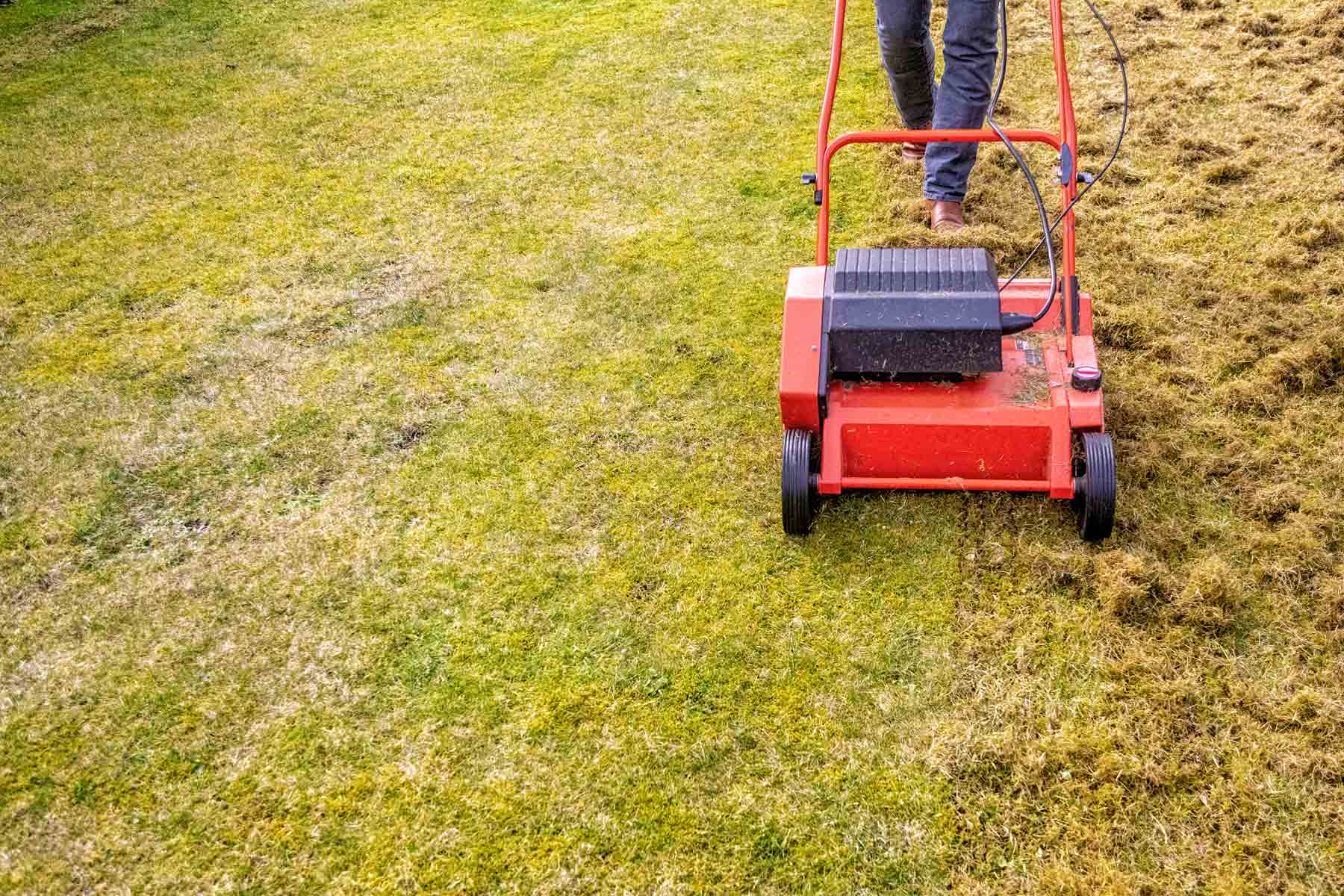
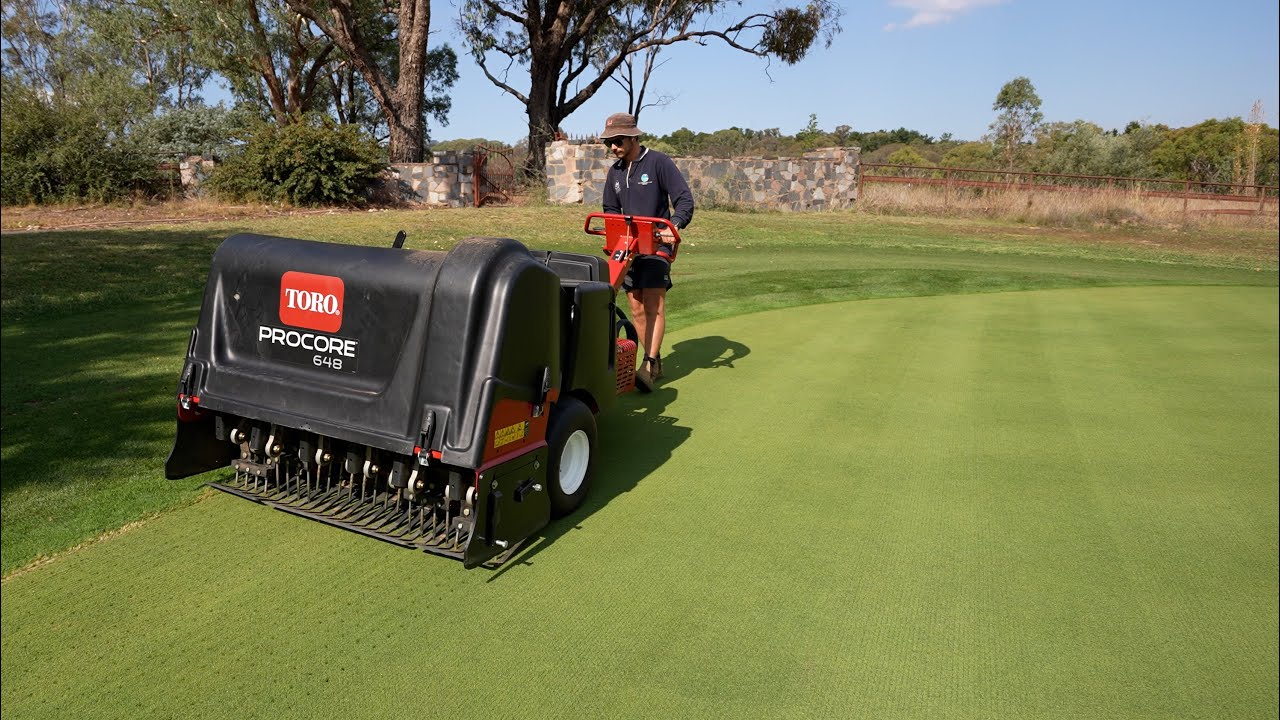
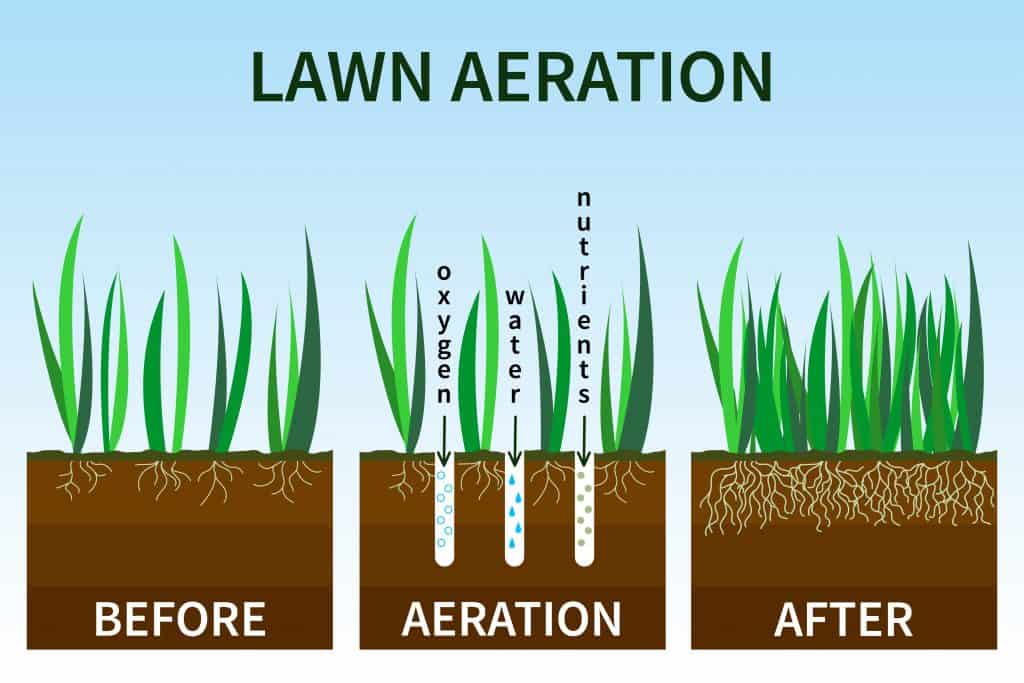
Dethatching is the removal of dead grass and debris, commonly referred to as thatch, that accumulates on the lawn surface. Thatch hinders the absorption of water and nutrients, resulting in unhealthy grass and a lackluster lawn. This can be done by hand or with a machine. Aerating, on the other hand, involves perforating the soil with small holes to improve water, air, and nutrient penetration.
When to Dethatch and Aerate Your Lawn
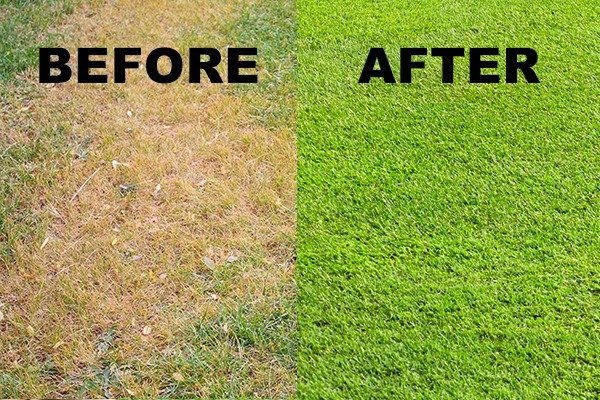
Not sure if your lawn needs aeration or dethatching? Learn the key differences, common mistakes, and how to choose the right treatment for a healthier lawn. If your lawn feels soft and spongy or water puddles on it after a drizzle, don't fret; these signals mean your turf is calling for a serious refresh. Dethatching and aerating together act like a spa day for your grass: they breathe in new life, restore root strength, and reconnect grass blades to vital nutrients in the soil.