Incretin Effect GLP-1 Therapy: A Revolutionary Approach to Managing Type 2 Diabetes
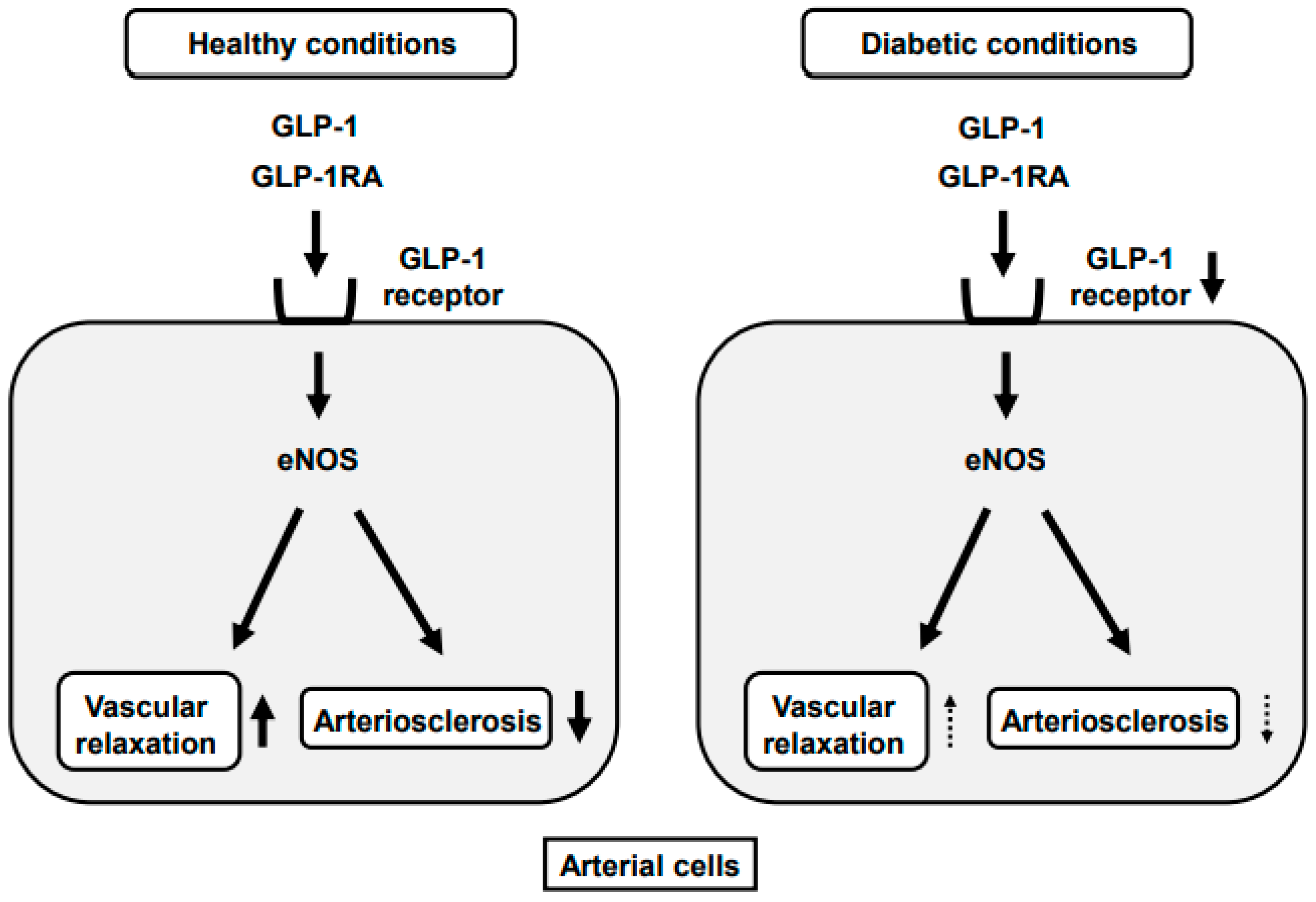
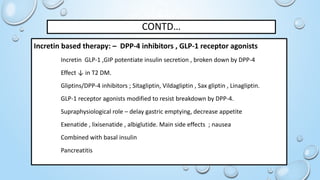
Glucagon-like peptide-1 (GLP-1) receptor agonists have been a game-changer in the treatment of type 2 diabetes, offering a unique combination of glycemic control, weight reduction, and a low risk of hypoglycemia. In this article, we'll delve into the intricacies of the incretin effect and GLP-1 therapy, exploring its mechanisms, benefits, and potential side effects.
The Incretin Effect: A Key to Understanding GLP-1 Therapy
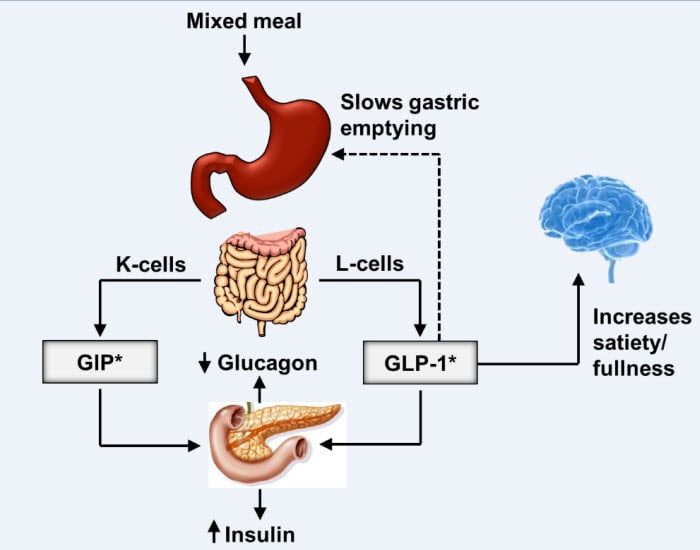
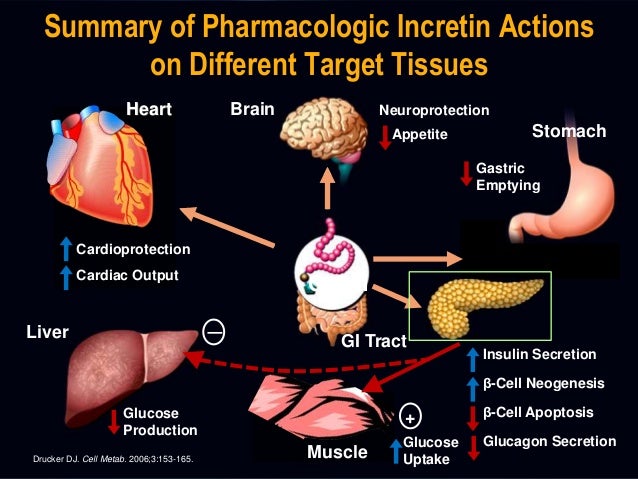
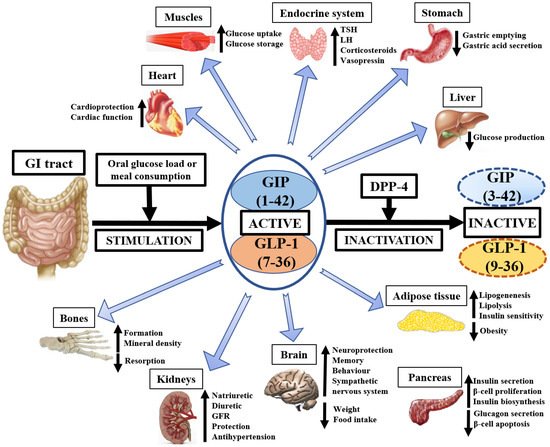
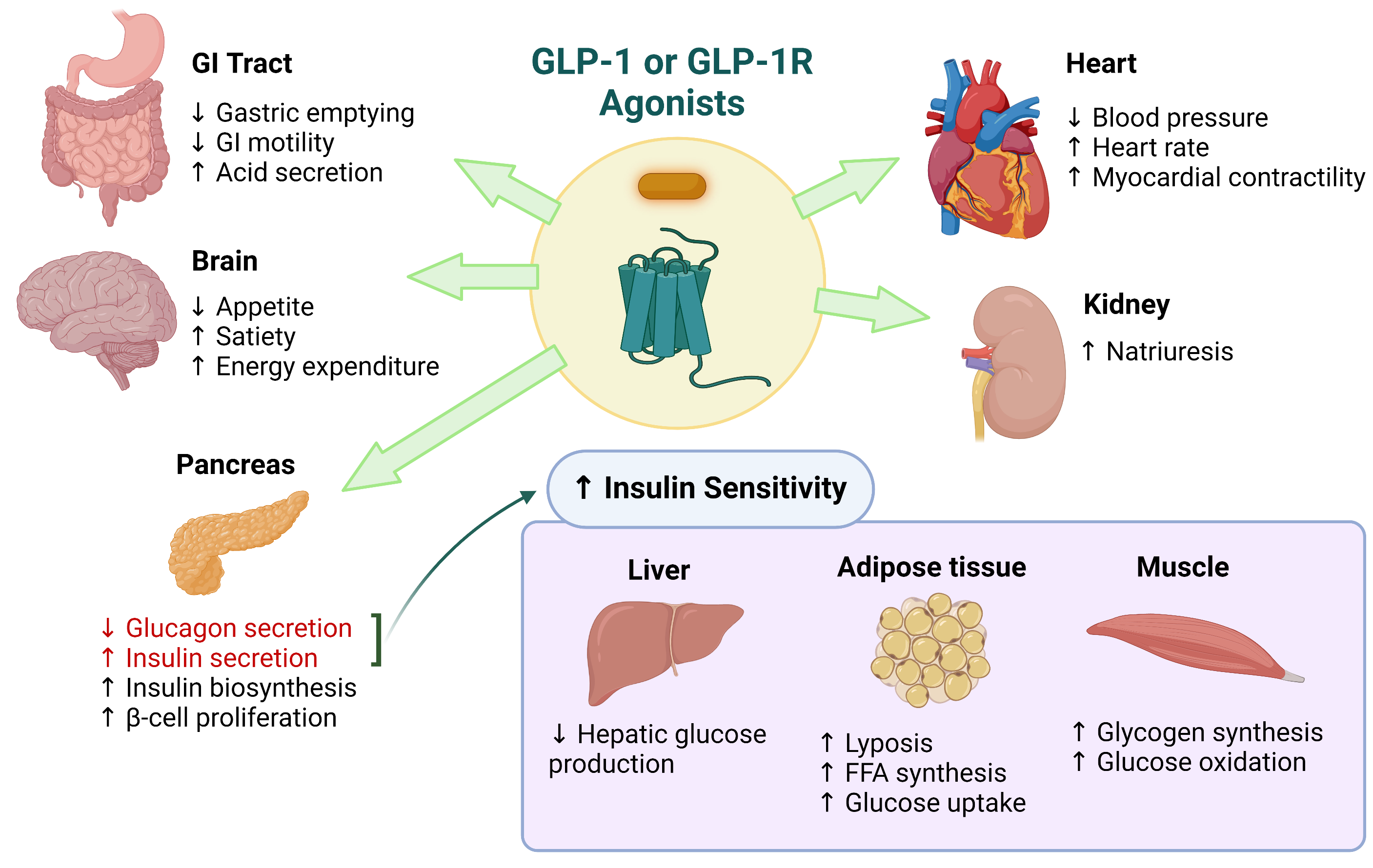
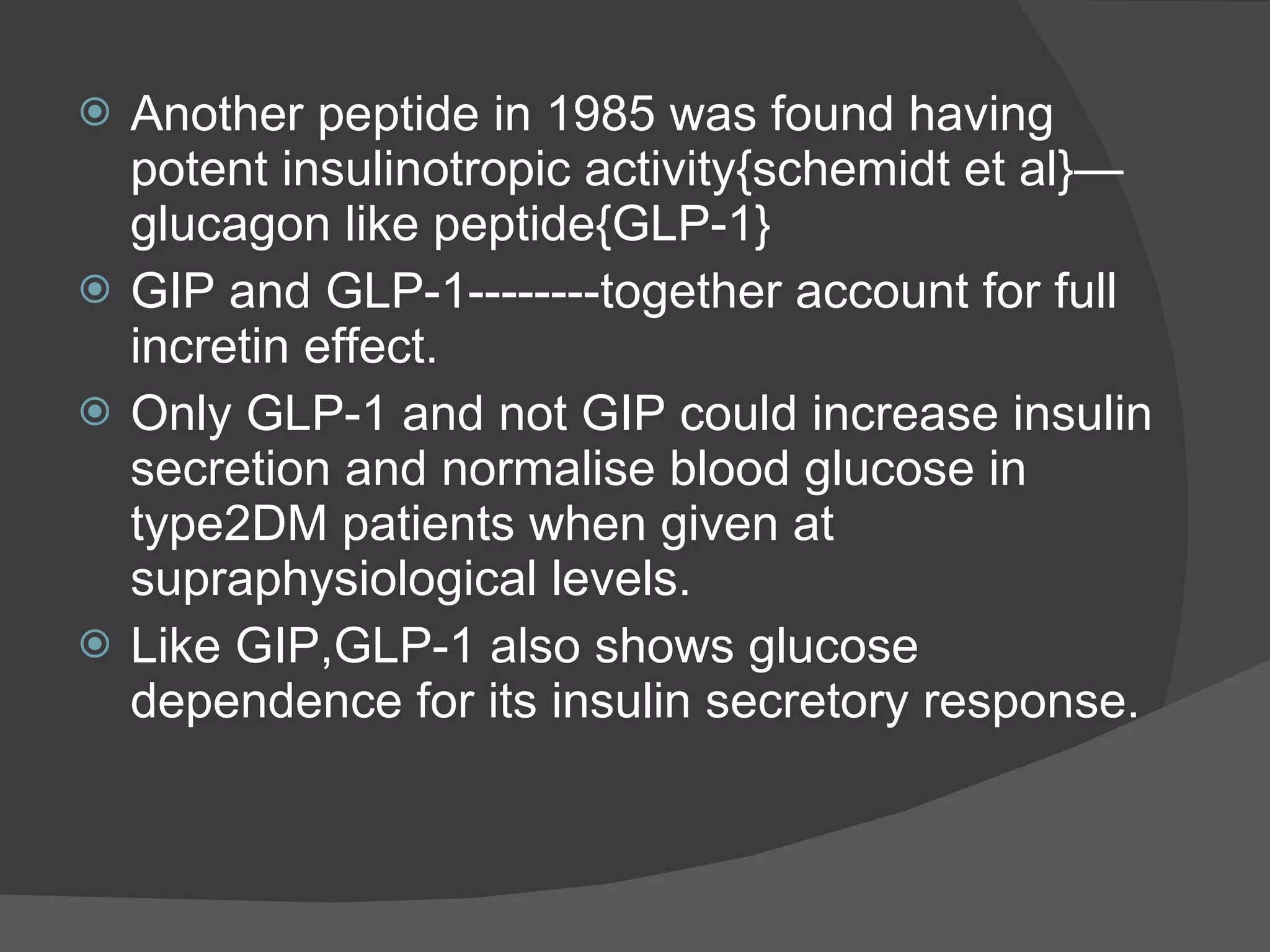
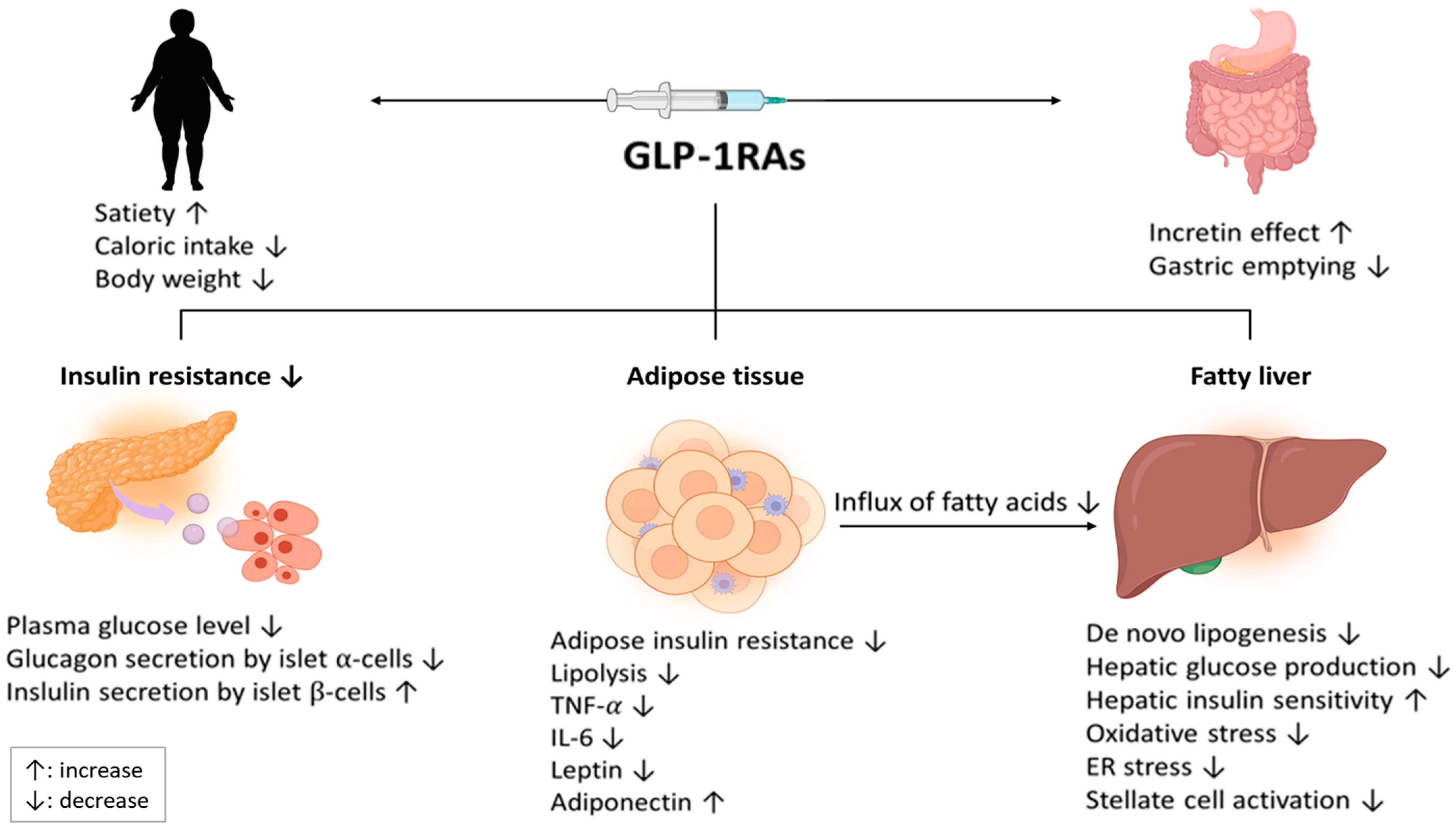
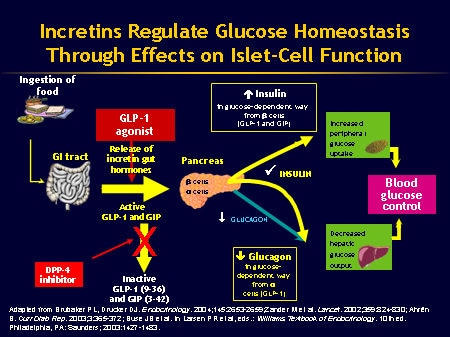
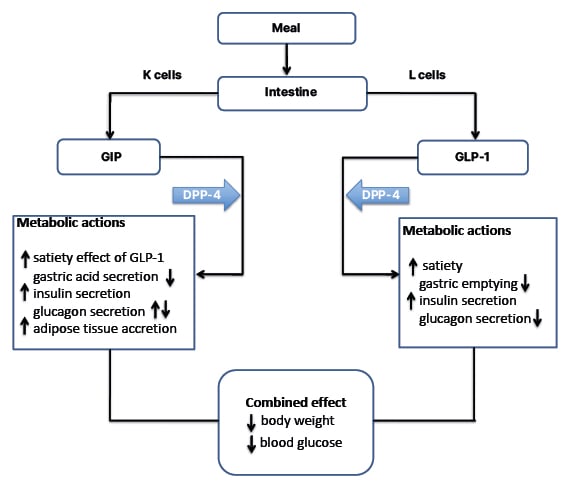
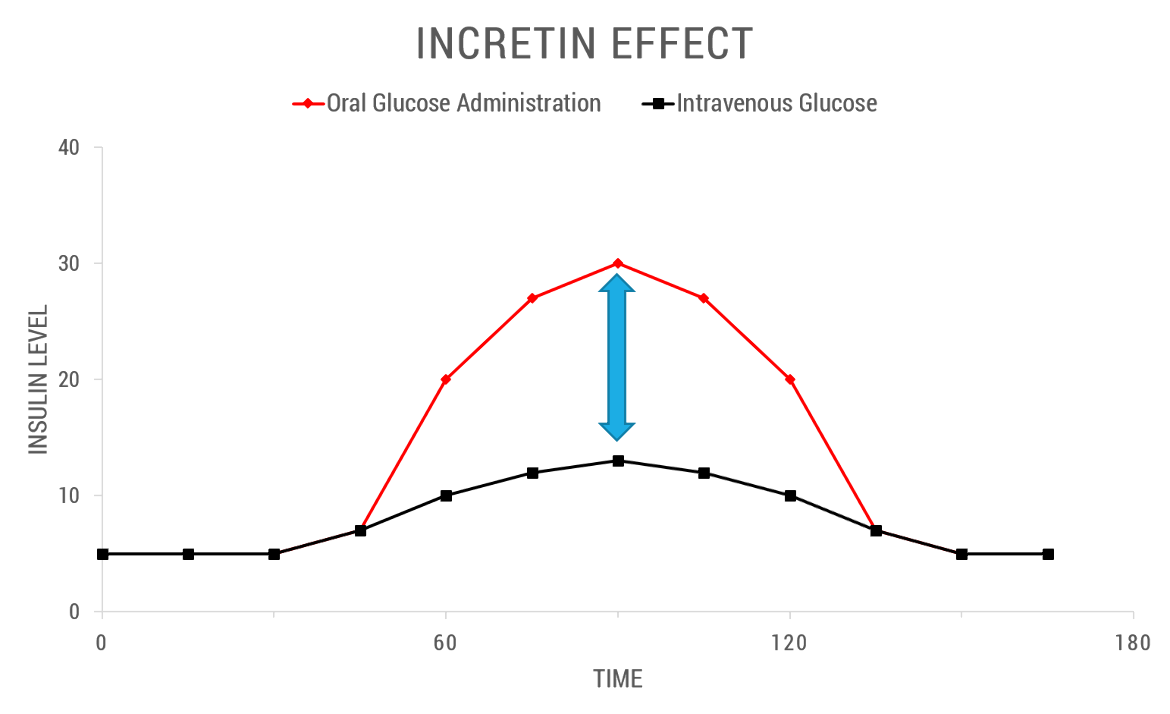
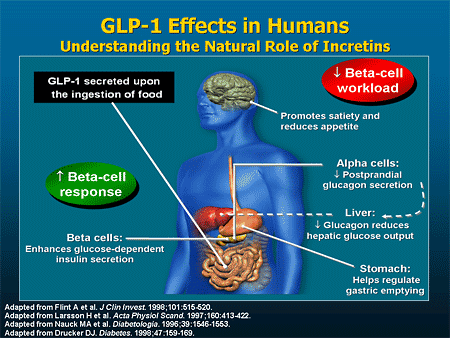
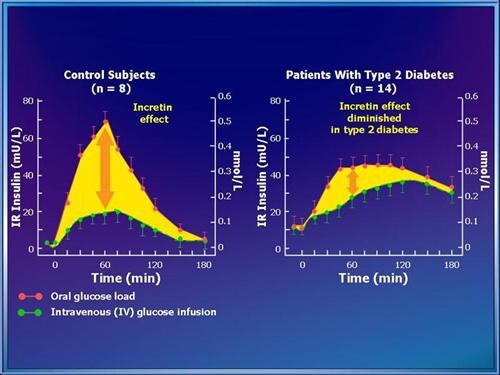
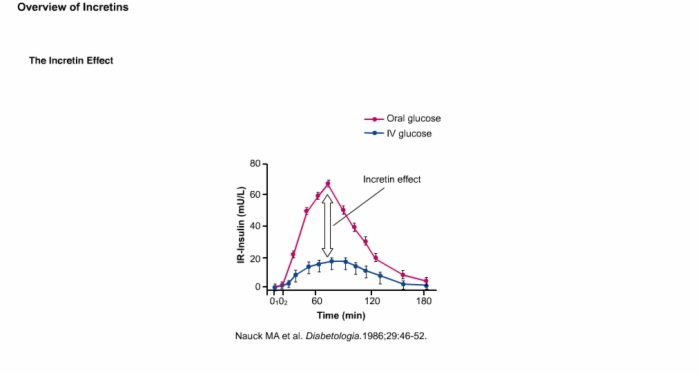
The incretin effect refers to the augmented insulin secretion in response to nutrient intake, which is partly attributed to the release of intestinal hormones such as GLP-1. GLP-1 plays a crucial role in regulating blood sugar levels by stimulating insulin release, inhibiting glucagon secretion, and slowing gastric emptying. In type 2 diabetes, the incretin effect is impaired, leading to inadequate insulin secretion and hyperglycemia.

How GLP-1 Receptor Agonists Work
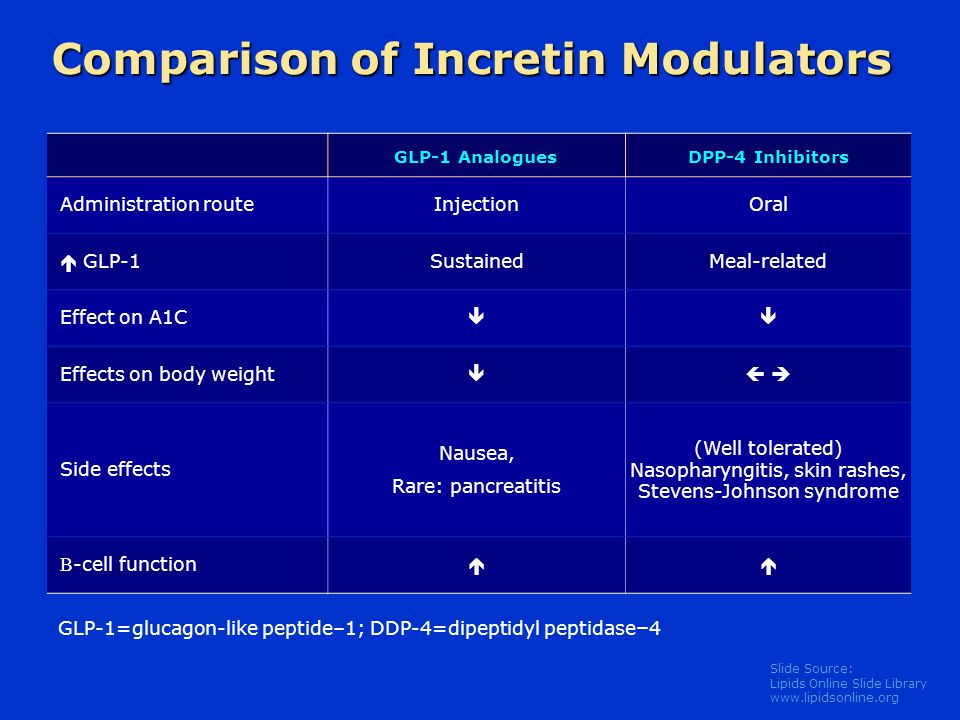
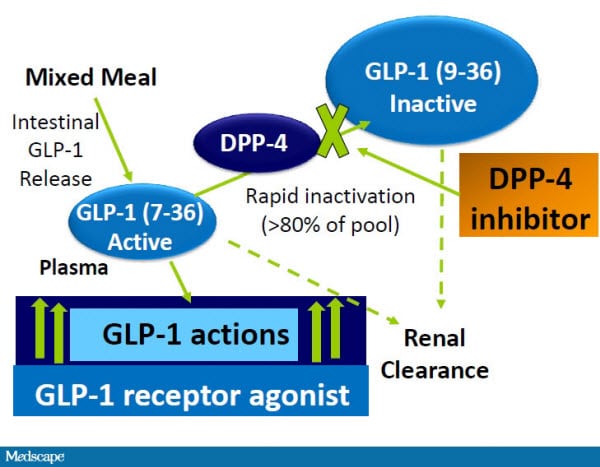
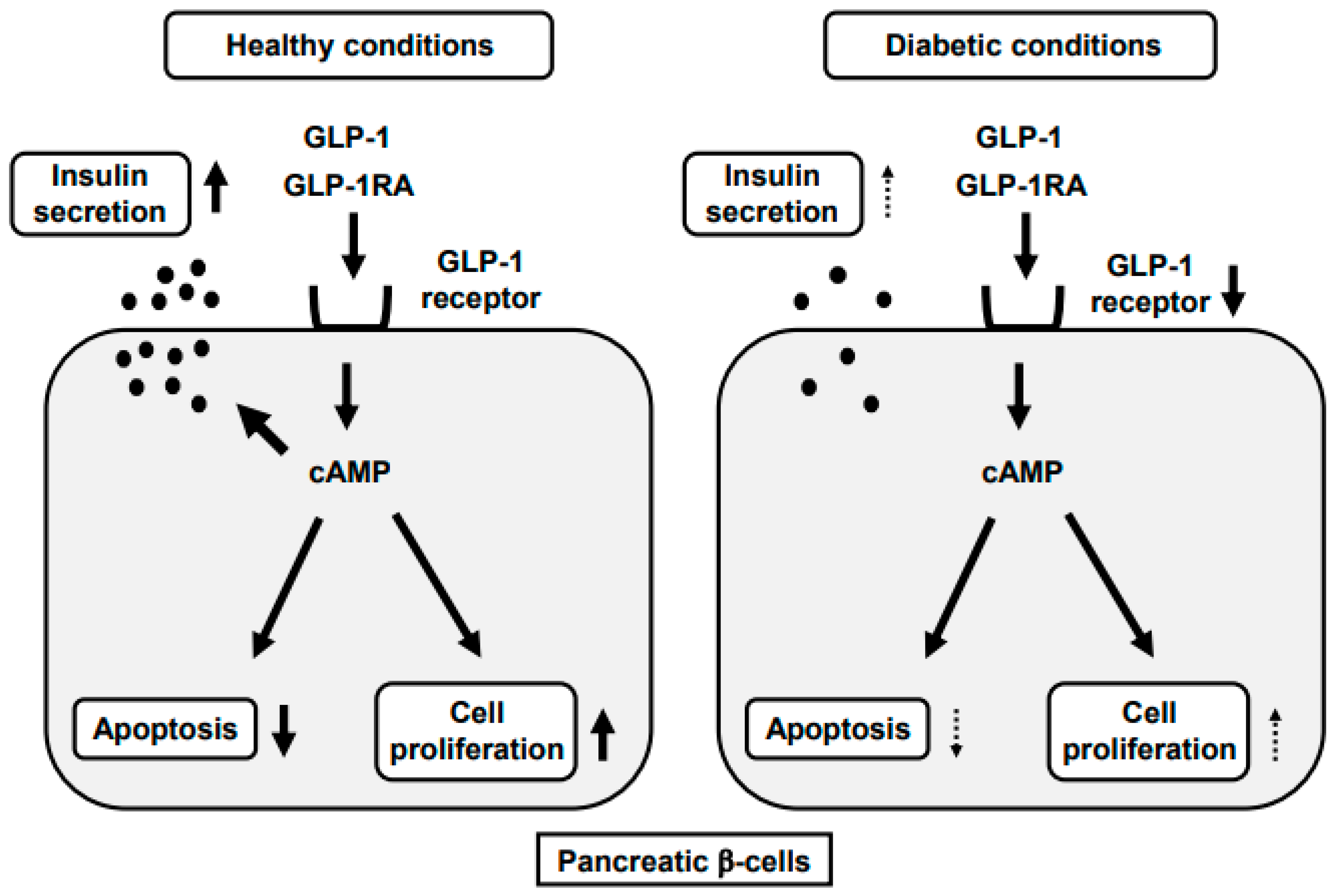
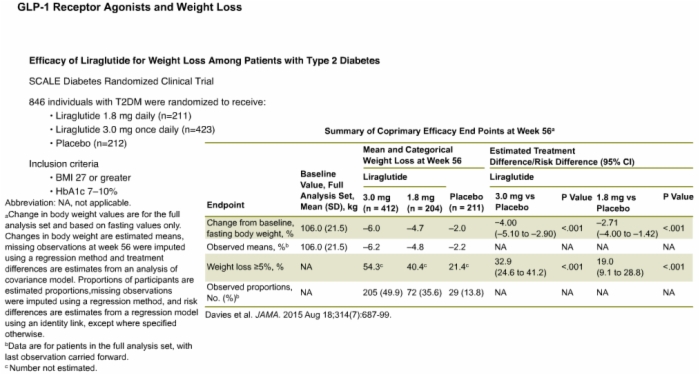
GLP-1 receptor agonists, such as exenatide and liraglutide, mimic the actions of endogenous GLP-1 by binding to its receptor on pancreatic β-cells. This binding stimulates insulin release, suppresses glucagon secretion, and slows gastric emptying, resulting in improved glycemic control and weight reduction. GLP-1 agonists also have a low risk of causing hypoglycemia, making them an attractive option for patients with type 2 diabetes.