G Wireless Network Configuration for Community Networks: A Comprehensive Guide
Introduction
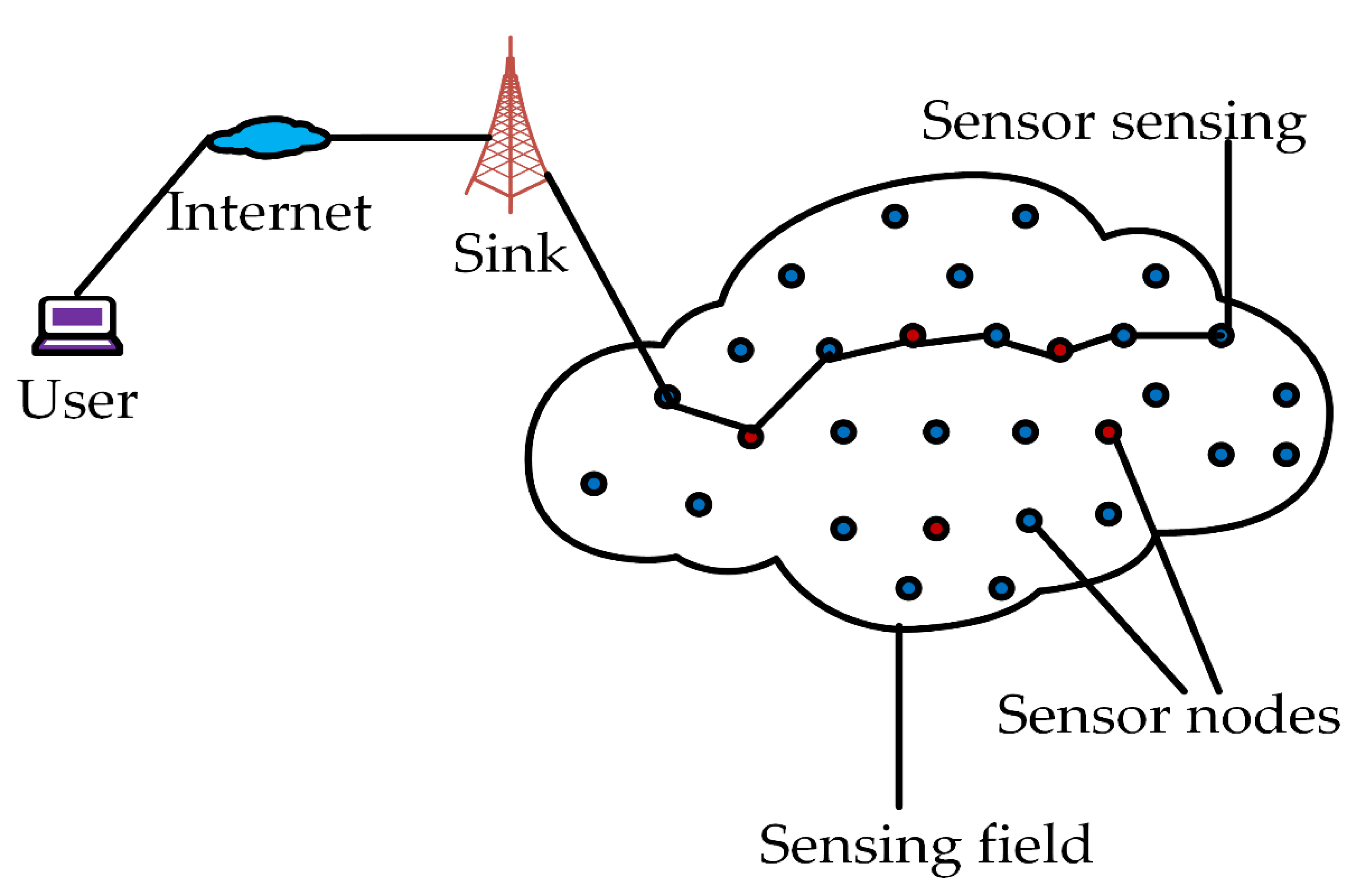
A wireless community network, also known as a community network or community wireless project, is a grassroots, volunteer-led initiative that deploys and manages wireless infrastructure to deliver internet access to communities, often using unlicensed spectrum bands and off-the-shelf hardware to bypass commercial internet service providers. In this guide, we will explore the G wireless network configuration for community networks, discussing the objectives, viability studies, link budgets, and network topologies.Objectives
At the end of this module, learners will be able to:- Explain wireless network options and standards for community networks
- Explain how to conduct a viability study for a wireless community network
- Calculate a link budget
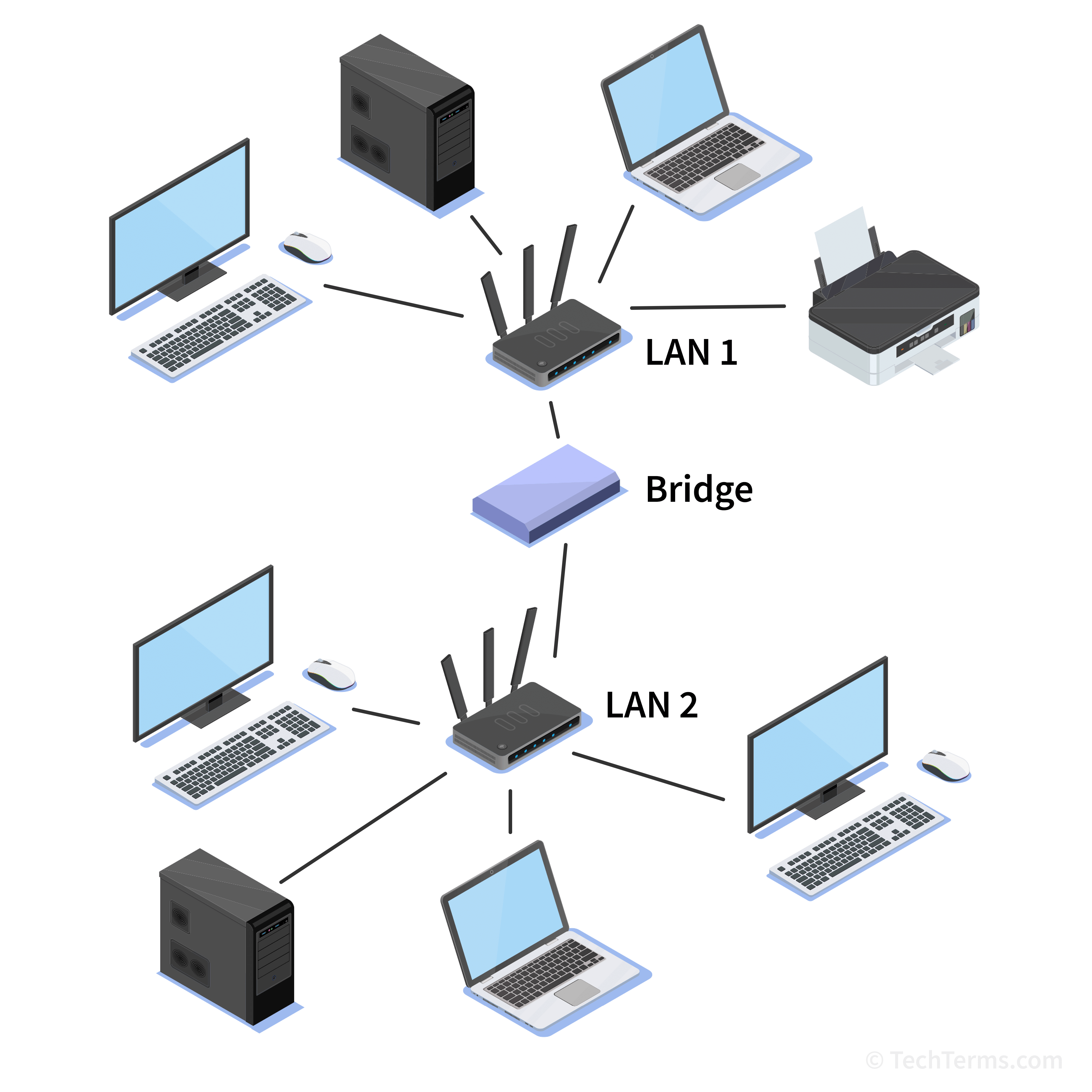
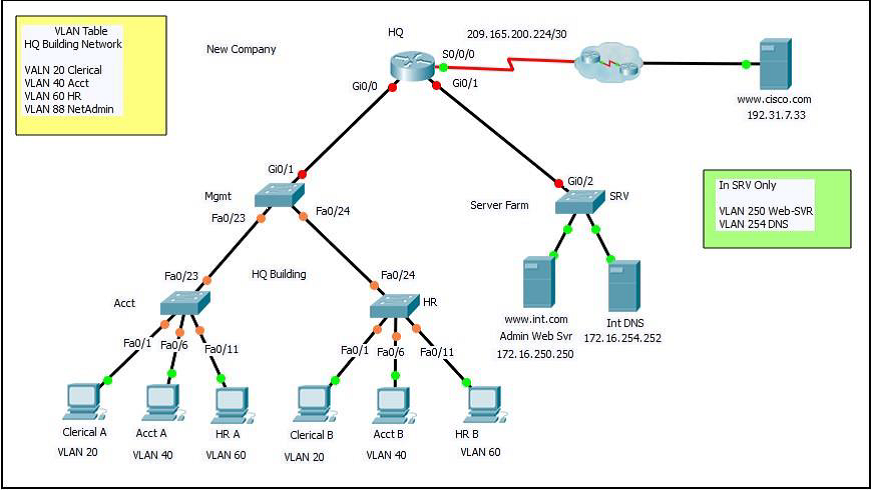
- Distinguish between various components of a network
Understanding Community Networks
A community network is a decentralized, self-managed, and collaborative computer network organized in a grassroots fashion by communities, non-governmental organizations, and cooperatives to provide a viable alternative to municipal wireless networks for consumers.Wireless Network Configuration for Community Networks
To set up a wireless community network, several steps must be taken:- Identify the community's needs: Understand the community's requirements for internet access, including the number of users, coverage area, and data capacity.
- Conduct a viability study: Conduct a thorough analysis to determine the feasibility of the project, including the costs, benefits, and technical requirements.
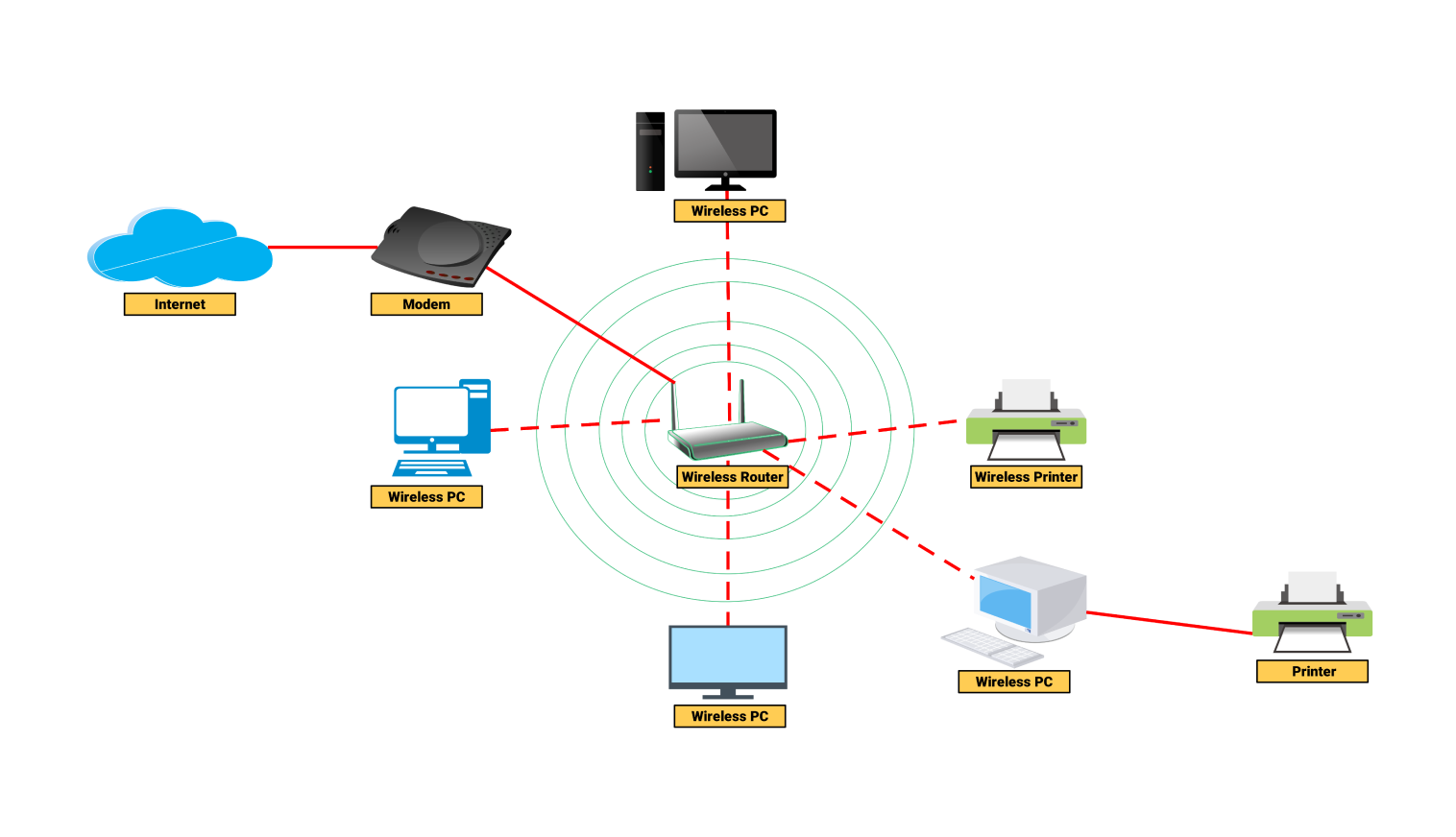
- Design the network topology: Choose a suitable network topology, such as a mesh or star topology, to meet the community's needs.
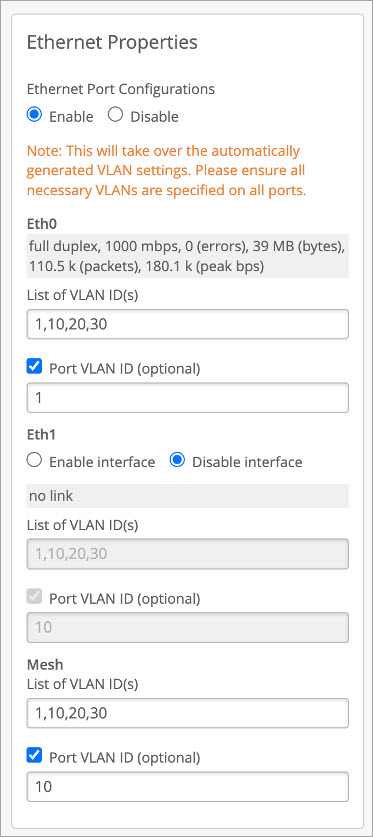
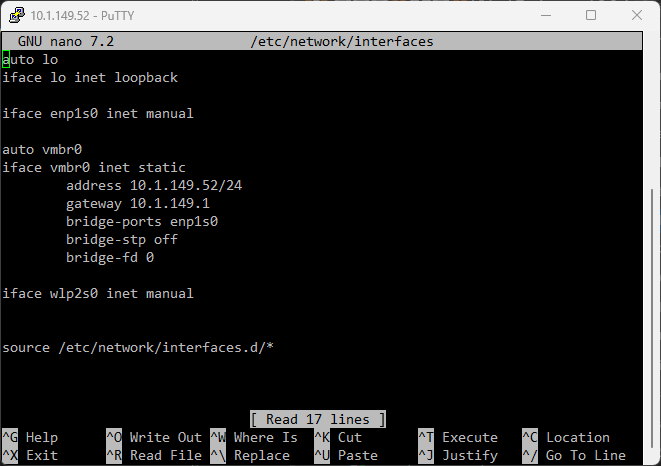
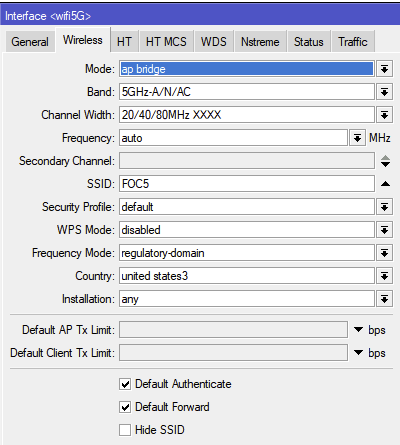
- Configure the network: Set up the wireless network infrastructure, including the access points, routers, and switches.
- Test and optimize: Test the network to ensure it meets the required standards and optimize its performance as needed.