Understanding Hyperphagia and GLP-1: A Key to Unlocking Obesity and Weight Management
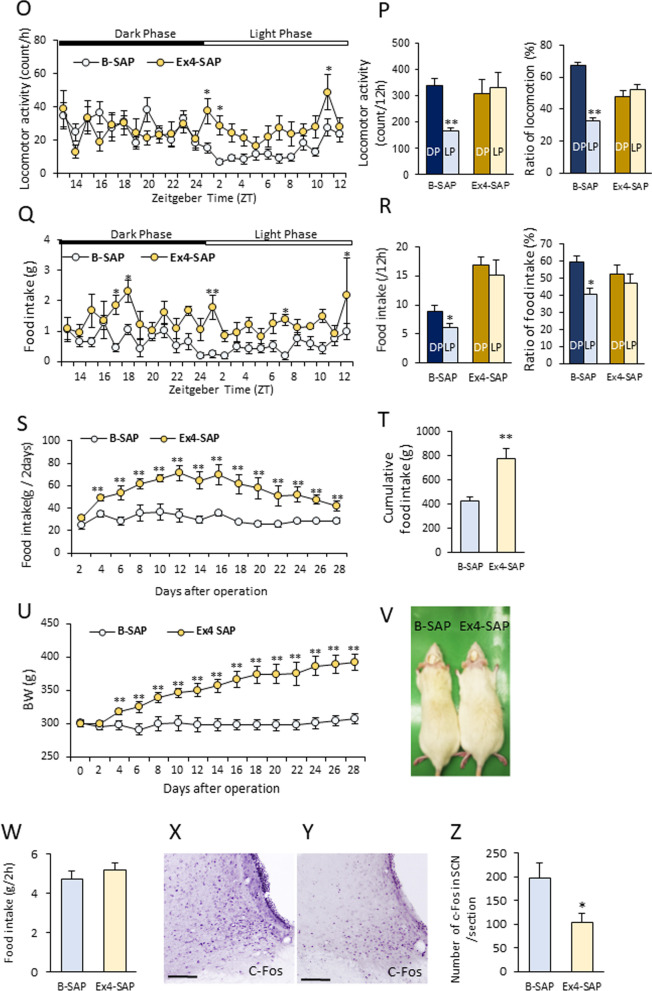
Obesity has become a global health epidemic, affecting millions of people worldwide. The prevalence of obesity has nearly tripled over the past four decades, with over 42% of US adults now living with obesity. Despite the complexity of obesity, research has identified a key player in the control of appetite and weight management: glucagon-like peptide-1 (GLP-1).
Hyperphagia: A Devastating Consequence of Obesity
Hyperphagia, characterized by excessive hunger and food cravings, is a devastating consequence of obesity. It is a specific form of monogenic obesity, affecting individuals with Prader-Willi Syndrome (PWS), a rare genetic disorder. Hyperphagia can lead to significant weight gain, compromising quality of life and increasing the risk of various health complications.
GLP-1: A Natural Regulator of Appetite and Metabolism
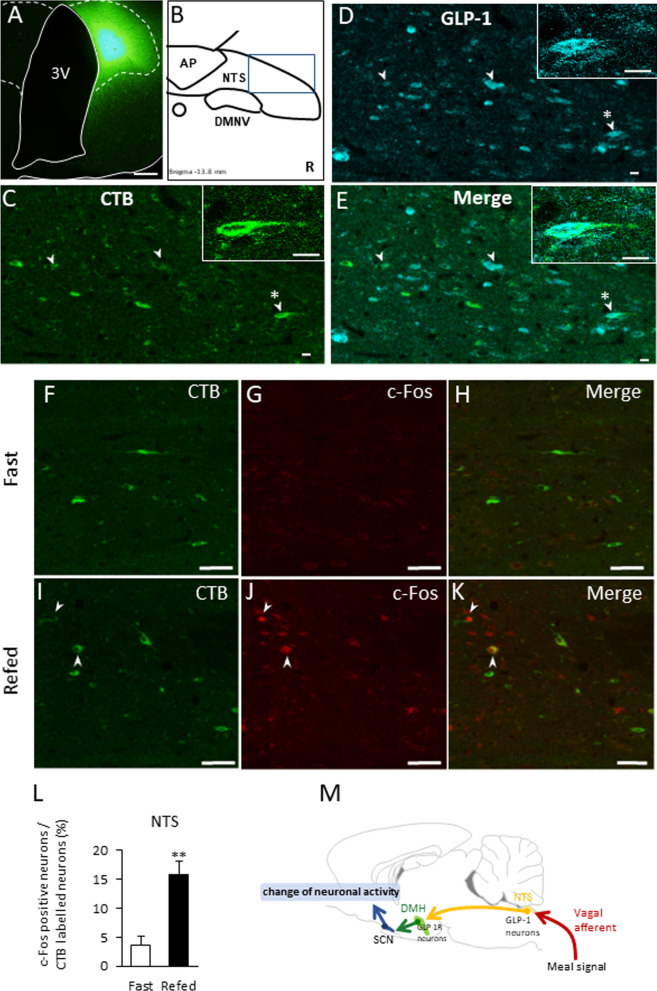
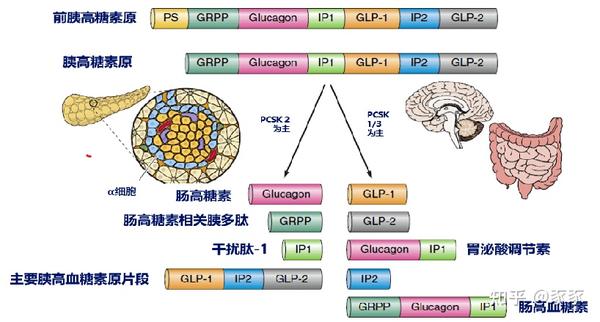
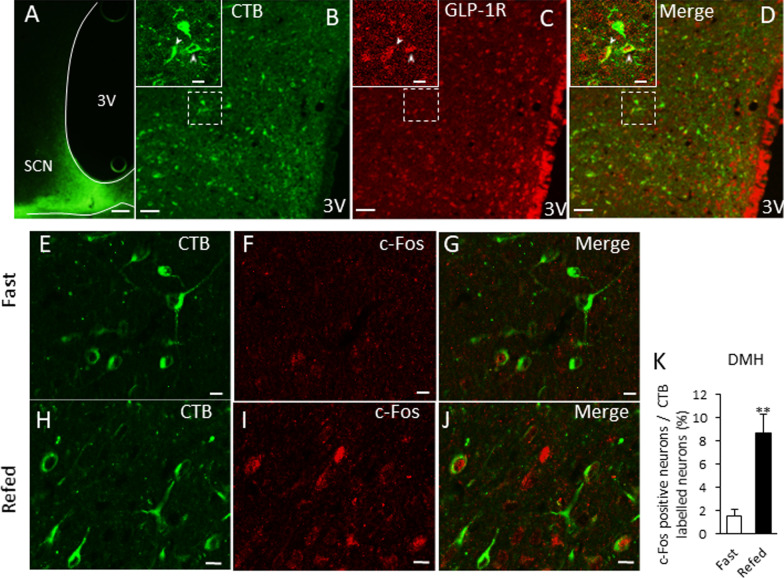
GLP-1 is a gut-brain hormone produced in the intestines in response to food consumption. It plays a crucial role in regulating appetite, energy balance, and glucose metabolism. GLP-1 acts by binding to the glucagon-like peptide-1 receptor (GLP-1R), which is expressed in the central and autonomic nervous system. The activation of GLP-1R triggers a cascade of signals that reduce appetite and enhance feelings of satiety. This hormone has been recognized as an endogenous satiation signal, influencing food intake and body weight.