How to Increase Testosterone on a GLP-1 Diet
The role of testosterone in human physiology is multifaceted, with its importance extending to both endocrine and metabolic functions. In recent years, there has been a significant interest in the relationship between glucagon-like peptide-1 receptor agonists (GLP-1RAs), which are commonly prescribed for type 2 diabetes and obesity, and testosterone levels. While the scientific understanding of this connection is still evolving, there is mounting evidence to suggest that a well-designed diet, combined with other lifestyle modifications, can help increase testosterone on a GLP-1 diet.
Understanding GLP-1 and Testosterone
GLP-1 is a hormone secreted by the gut in response to eating, and it plays a crucial role in regulating blood sugar levels, hunger, and digestion. Research has shown that GLP-1 receptor agonists, such as semaglutide and dulaglutide, may increase testosterone levels in men with obesity and type 2 diabetes. The exact mechanisms behind this effect are not fully understood, but it is believed to involve changes in gut hormone secretion and altered insulin signaling.

The Importance of Diet and Lifestyle
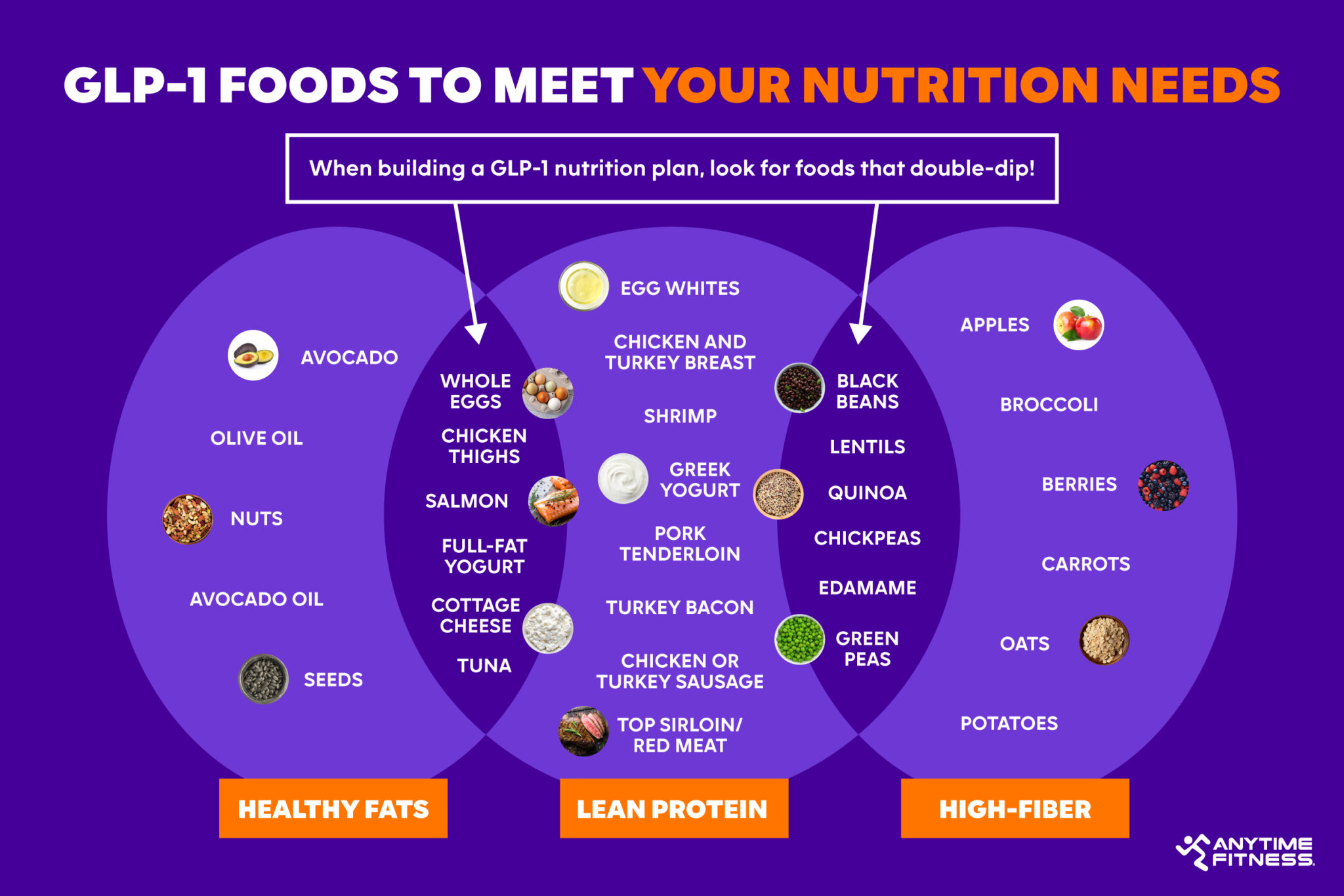
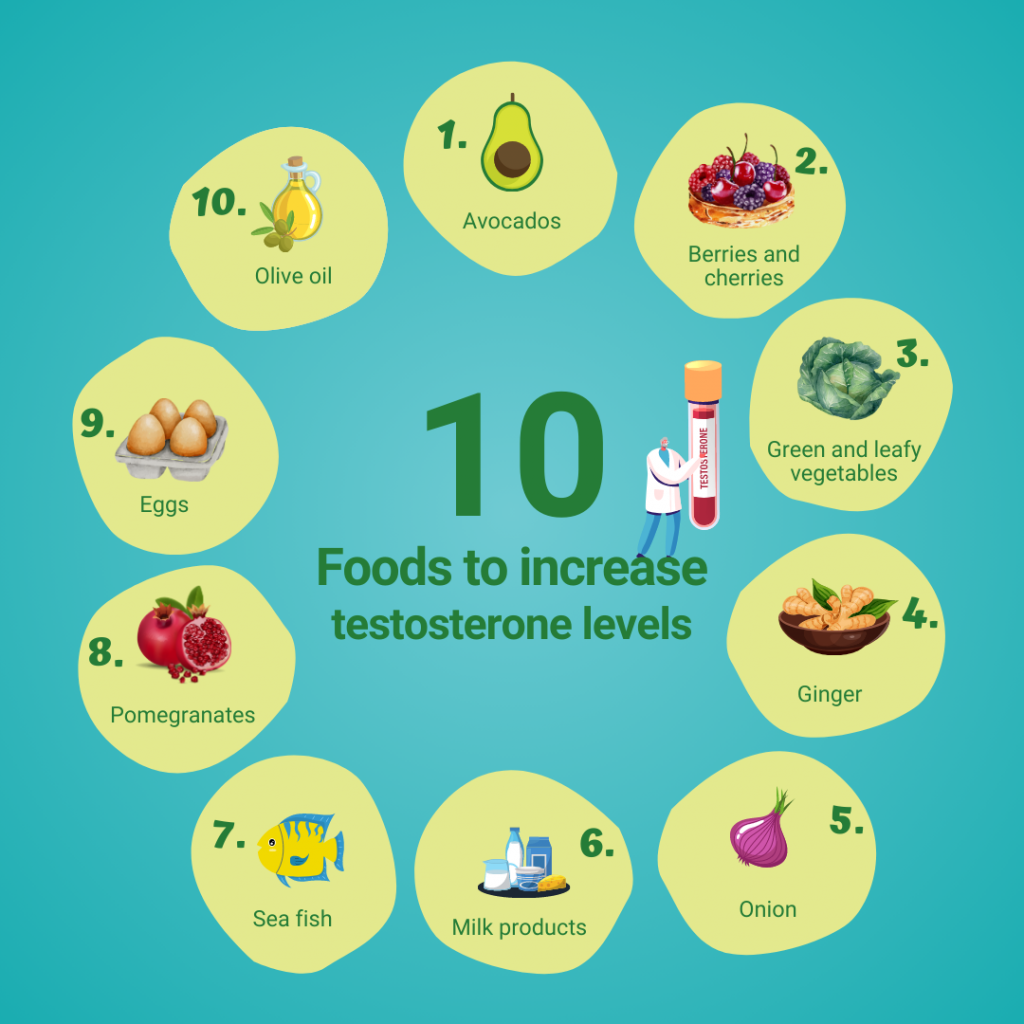
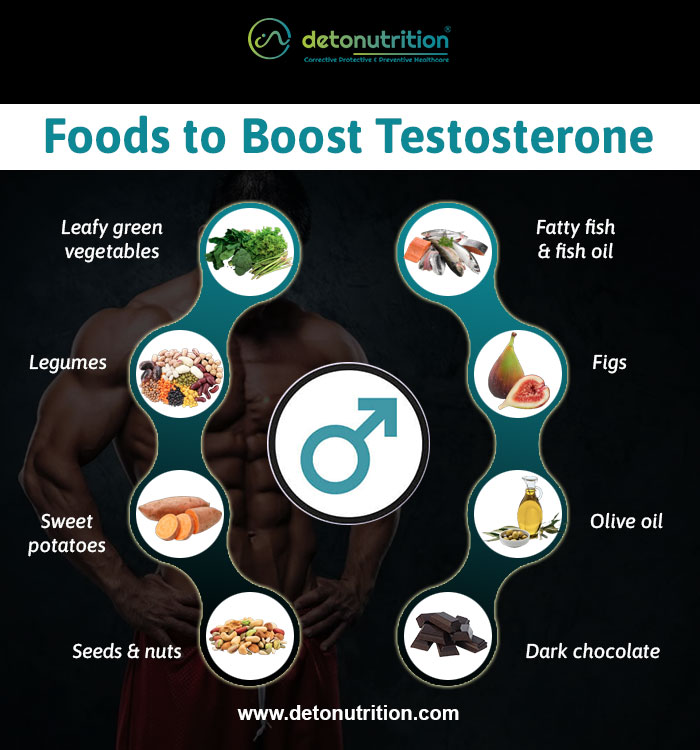
A well-designed diet, combined with regular exercise and other lifestyle modifications, can have a profound impact on testosterone levels. Foods that are high in saturated fat, sugar, and refined carbohydrates can disrupt hormone balance, while a diet rich in fruits, vegetables, whole grains, and lean protein can help support testosterone production.