How Does a DNA Health Test Work?
DNA testing has revolutionized the way we approach genetics, family dynamics, medical diagnostics, and even legal matters. For anyone curious about paternity, ancestry, or potential health risks, DNA tests provide scientifically backed answers. But what exactly is DNA testing, and how does it work? This comprehensive guide explores the basics of DNA testing, its applications, and its benefits.
The Basics of DNA Testing
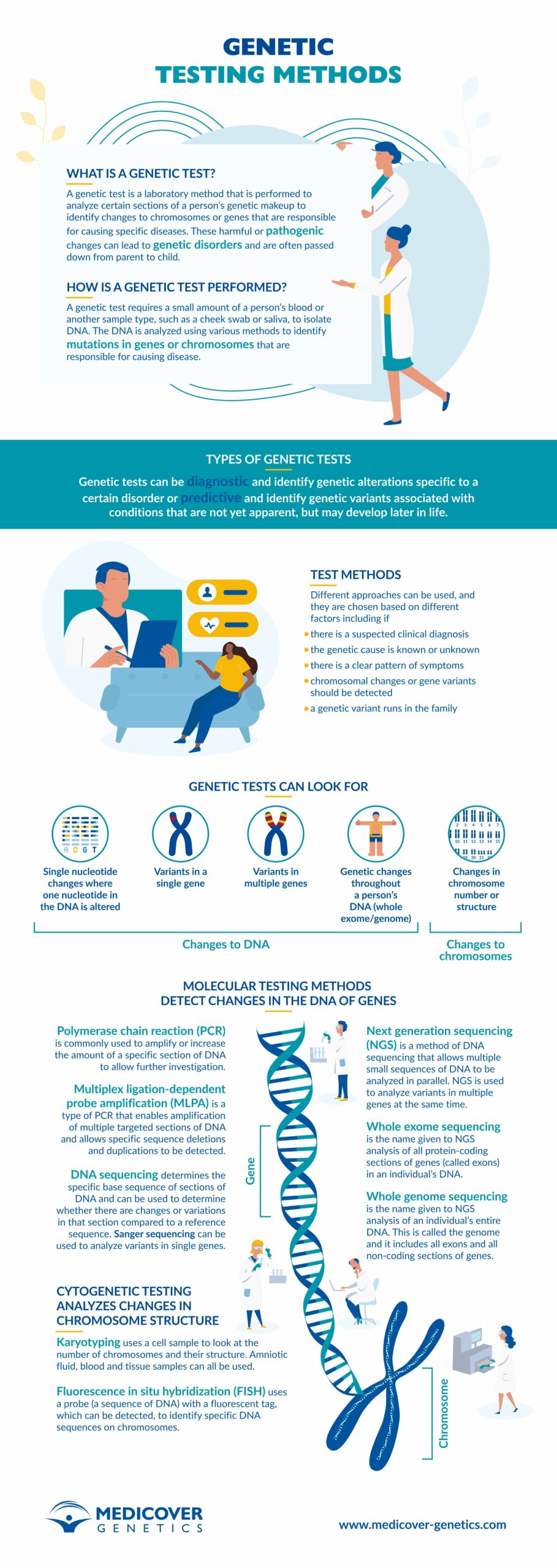
DNA testing looks at DNA, which is the set of instructions for how the body works. Genetic testing can show DNA changes in genes that may affect health. Healthcare professionals also can use genetic testing to choose treatments or see how well treatments might work. Genetic testing can give important information for screening, diagnosing, and treating health conditions, but it has its limitations and potential risks.
What is a Genetic Test?
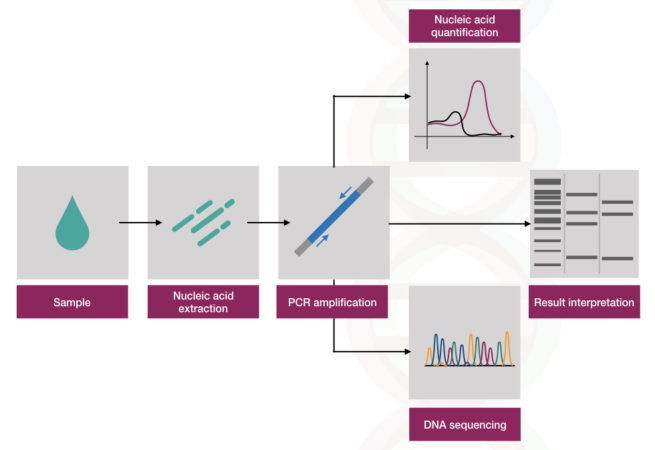
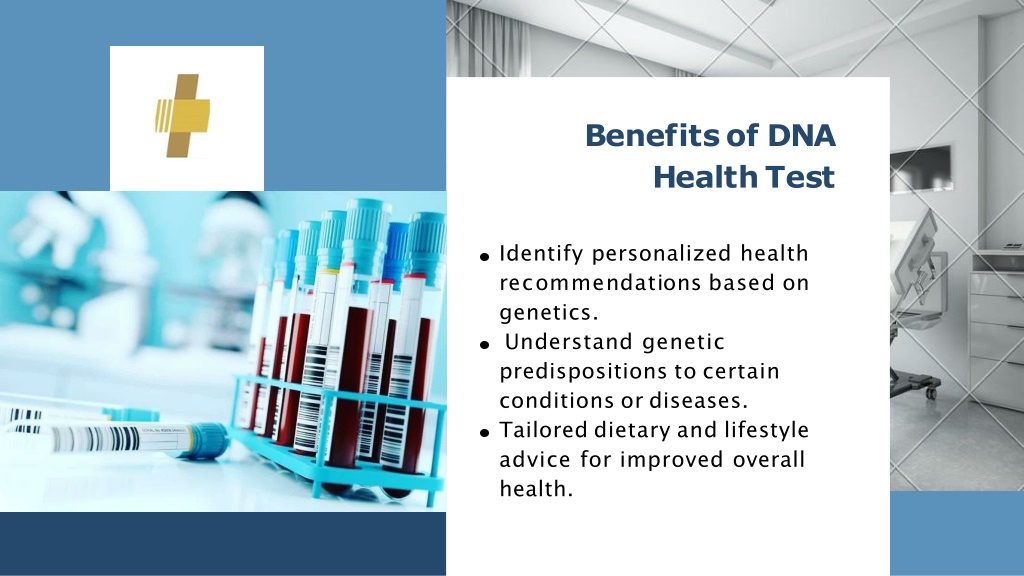
A genetic test looks at your DNA to find changes (variants) that cause disease or put you at greater risk to develop disease. DNA is the code our bodies use to make genes, and genes are the instructions for our bodies. In the past, it was possible to screen or test only one gene at a time to try to find the cause of a disease. This method is still used for many genetic conditions, but modern DNA testing has made it possible to analyze multiple genes simultaneously.