Unlocking Therapeutic Benefits: GLP-1 and Extreme Fasting
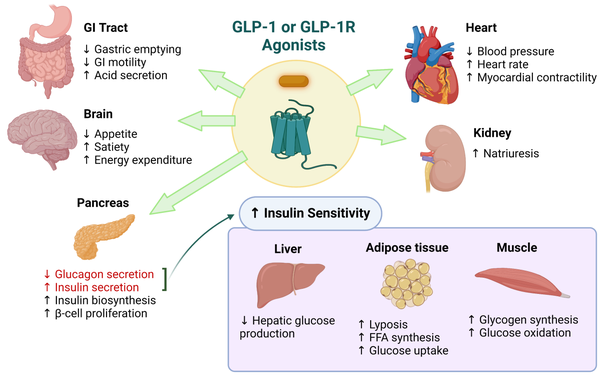
Obesity remains a major global health challenge, with glucagon-like peptide-1 receptor agonists (GLP-1RAs) providing substantial yet sensitive benefits in weight reduction, glycemic control, and cardiovascular protection. However, real-world persistence is limited by cost, tolerability, and hedonic adaptation. Intermittent fasting and time-restricted eating offer an innovative approach to complement GLP-1 treatments, leading to enhanced therapeutic benefits.
The Science Behind GLP-1 and Fasting
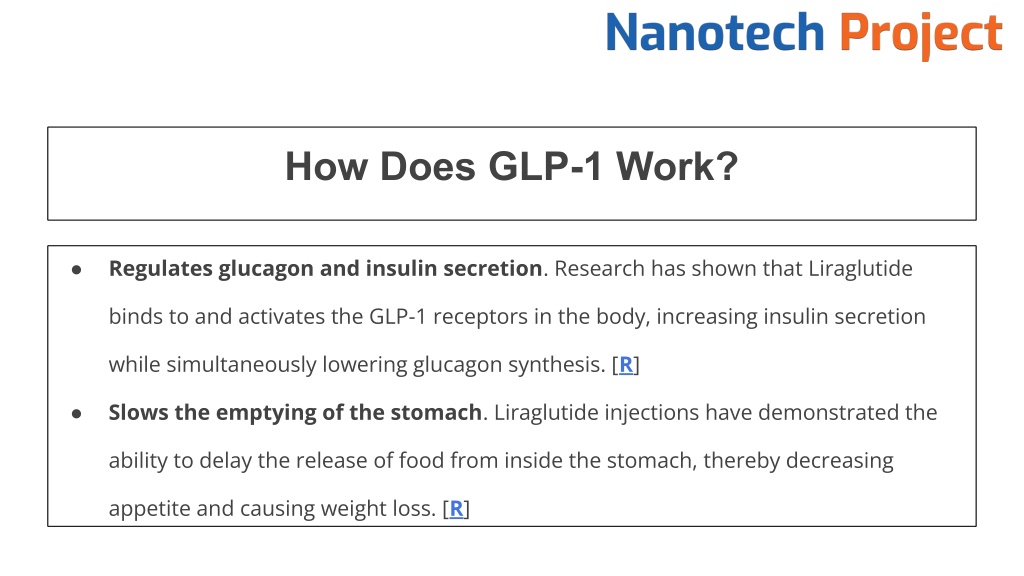
The secretion of GLP-1 is partly mediated by nutrient binding to G-protein-coupled receptors (GPCRs) or by absorption via membrane transporters, which are expressed by enteroendocrine L cells in the gastrointestinal tract. This postprandial GLP-1 secretion also has therapeutic potential, and adjusting the diet to increase interaction with these molecules could enhance GLP-1 effects. By combining GLP-1 medications with fasting, individuals can amplify the benefits of weight reduction, improved glycemic control, and cardiovascular protection.

Fasting Protocols for GLP-1 Users
- Alternate-day fasting: Fasting every other day may be too extreme for some individuals, but for others, it can be an effective way to amplify the benefits of GLP-1 treatments.
- 16:8 Method: A moderate fasting protocol that involves restricting eating to an 8-hour window and fasting for 16 hours can be a good starting point for many GLP-1 users.