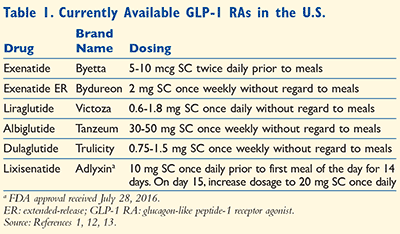
GLP-1 Receptor Agonists for Glucose Control: A Cutting-Edge Treatment for Type 2 Diabetes
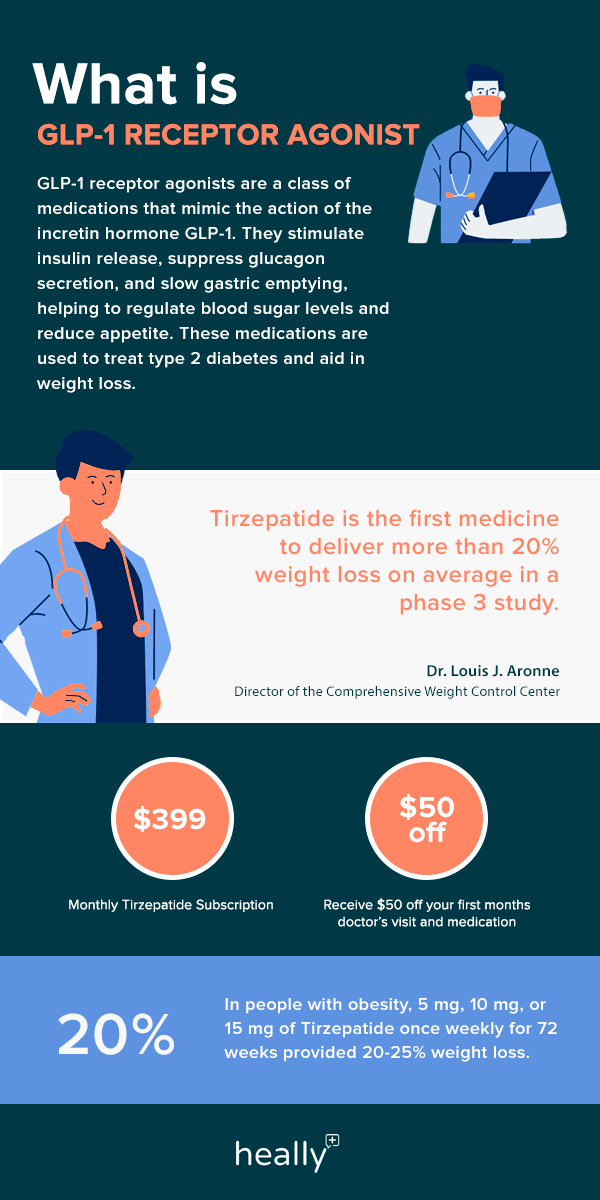
Glucagon-like peptide-1 (GLP-1) receptor agonists have revolutionized the treatment of type 2 diabetes, offering a groundbreaking approach to managing glucose levels and associated metabolic disorders. These agents not only improve glycemic control by increasing insulin secretion and suppressing glucagon release, but also provide benefits for weight management, cardiovascular health, and renal function.
How GLP-1 Receptor Agonists Work
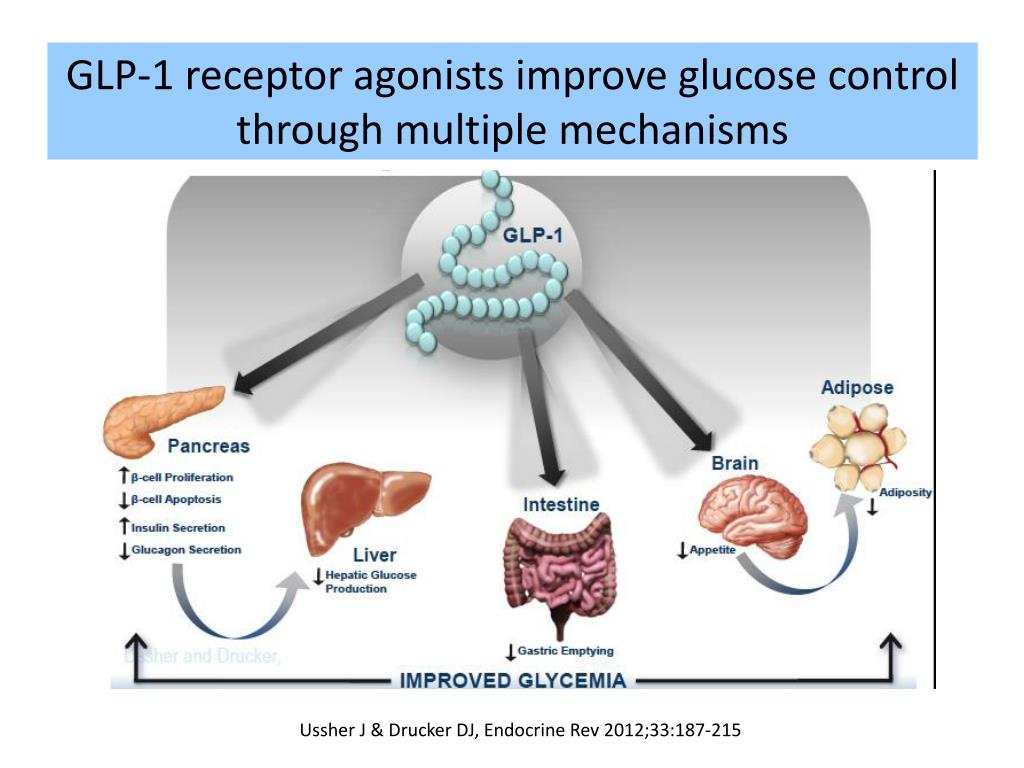
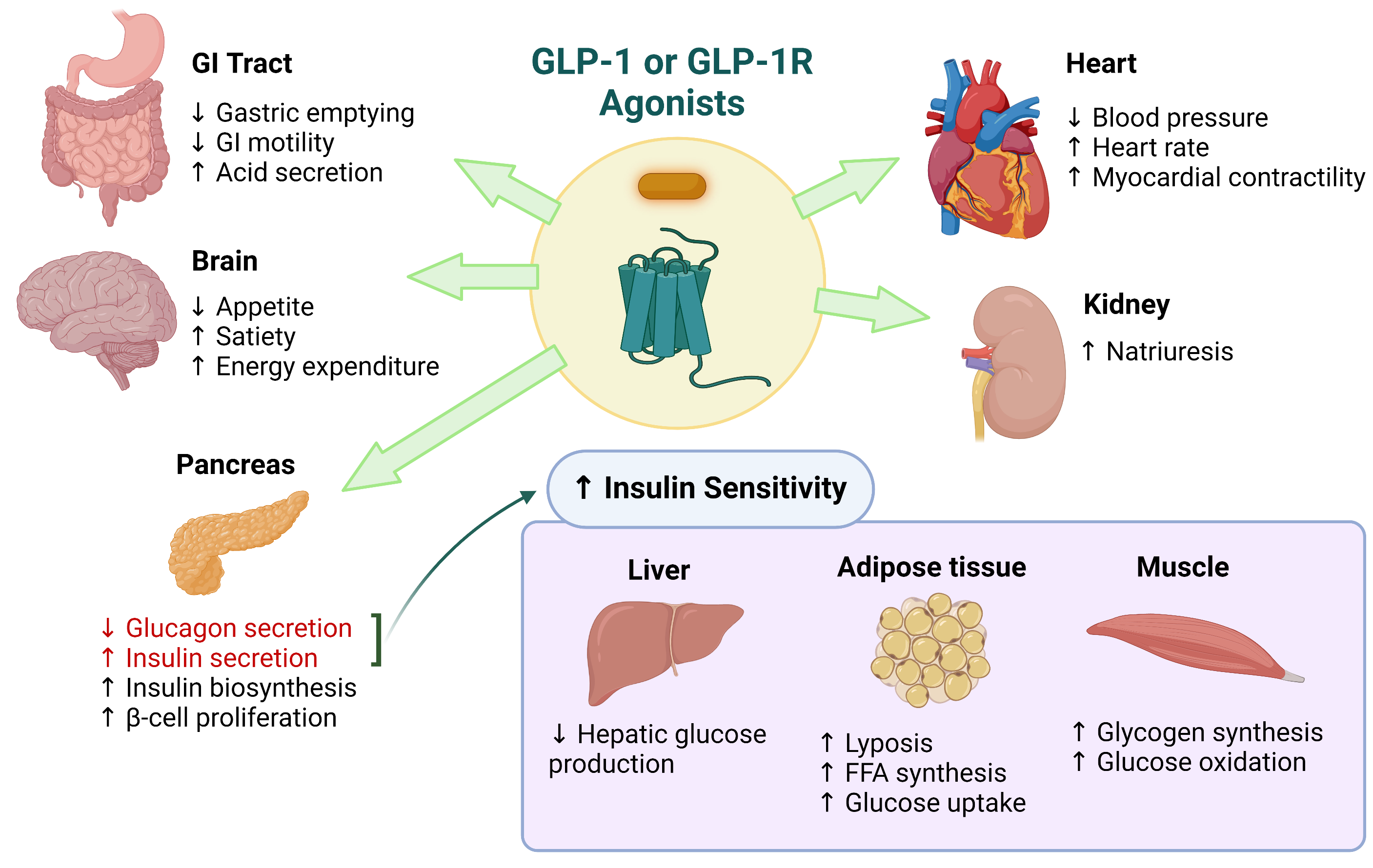
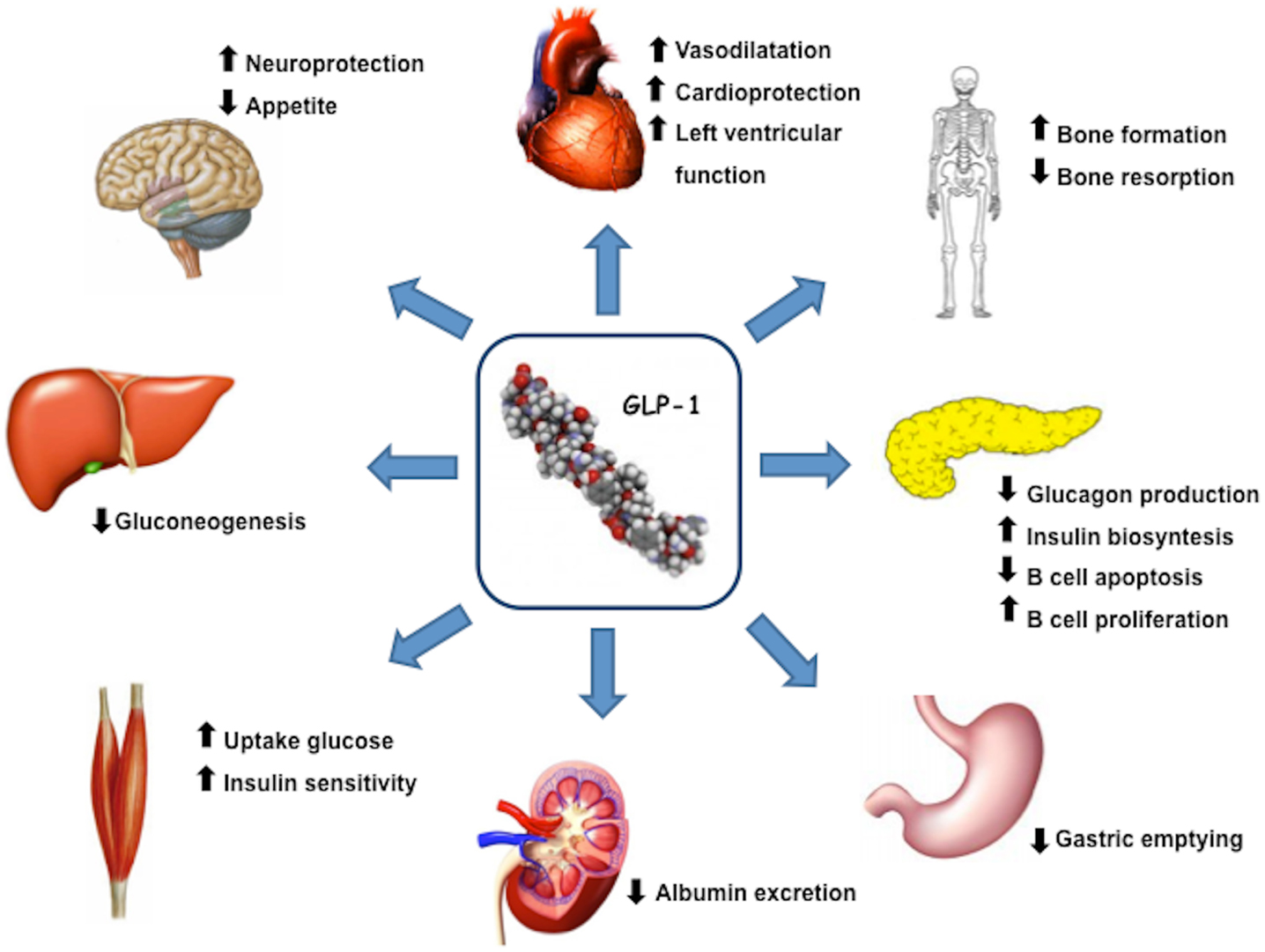
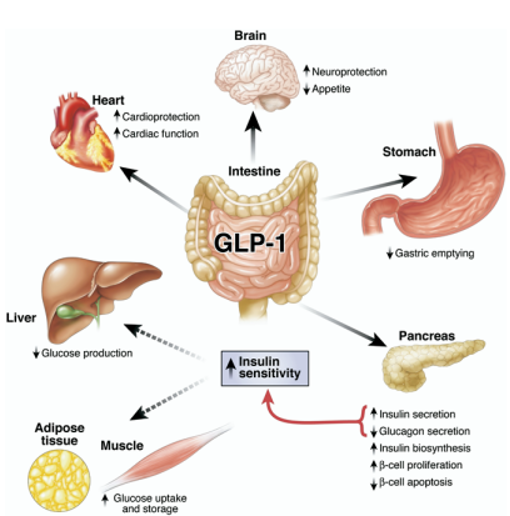
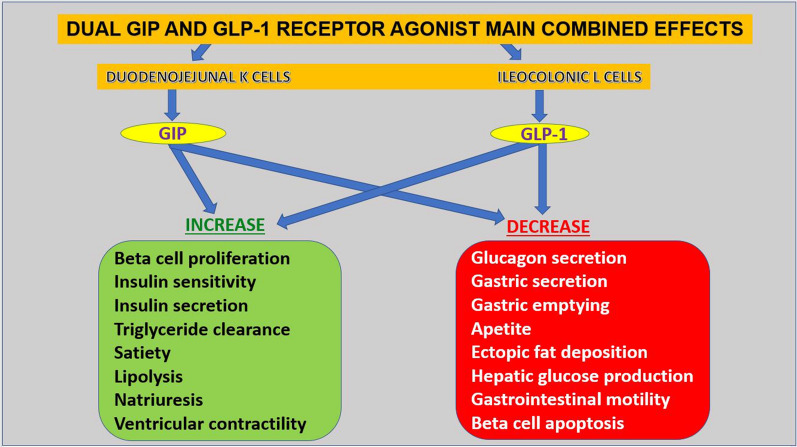
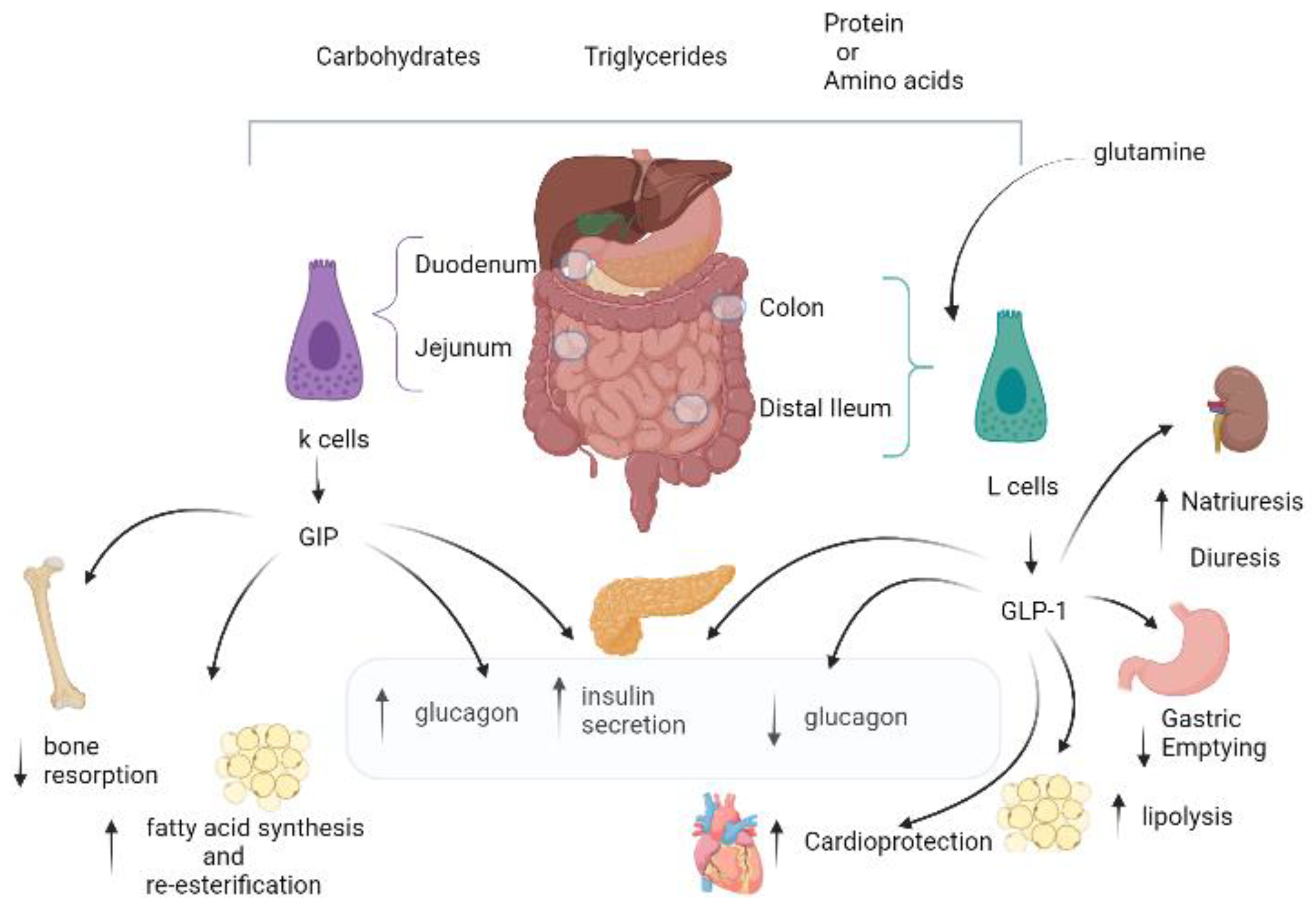
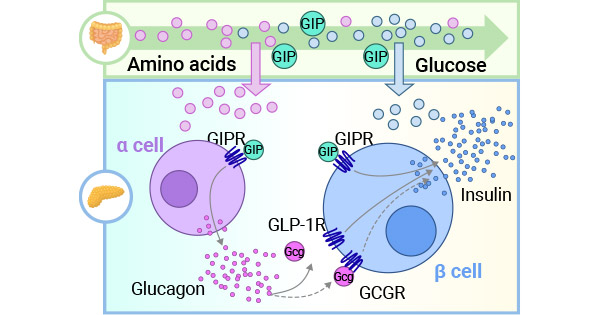
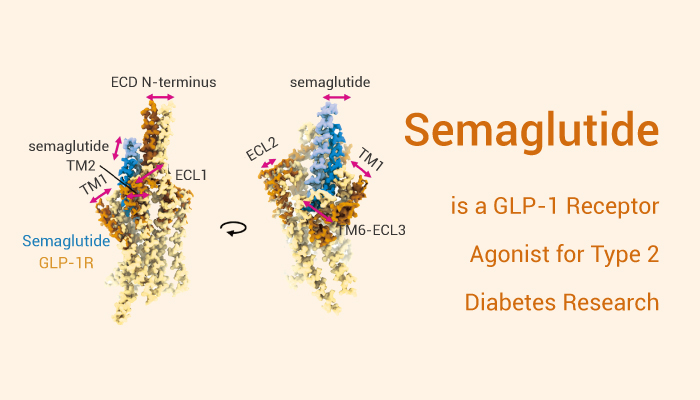
GLP-1 receptor agonists mimic the action of the gut hormone GLP-1, which plays a crucial role in regulating blood glucose levels. By binding to the GLP-1 receptor, these agents stimulate the release of insulin from the pancreas, while inhibiting the release of glucagon. This results in improved glucose-dependent insulin secretion and suppressed glucagon release, leading to enhanced glycemic control.
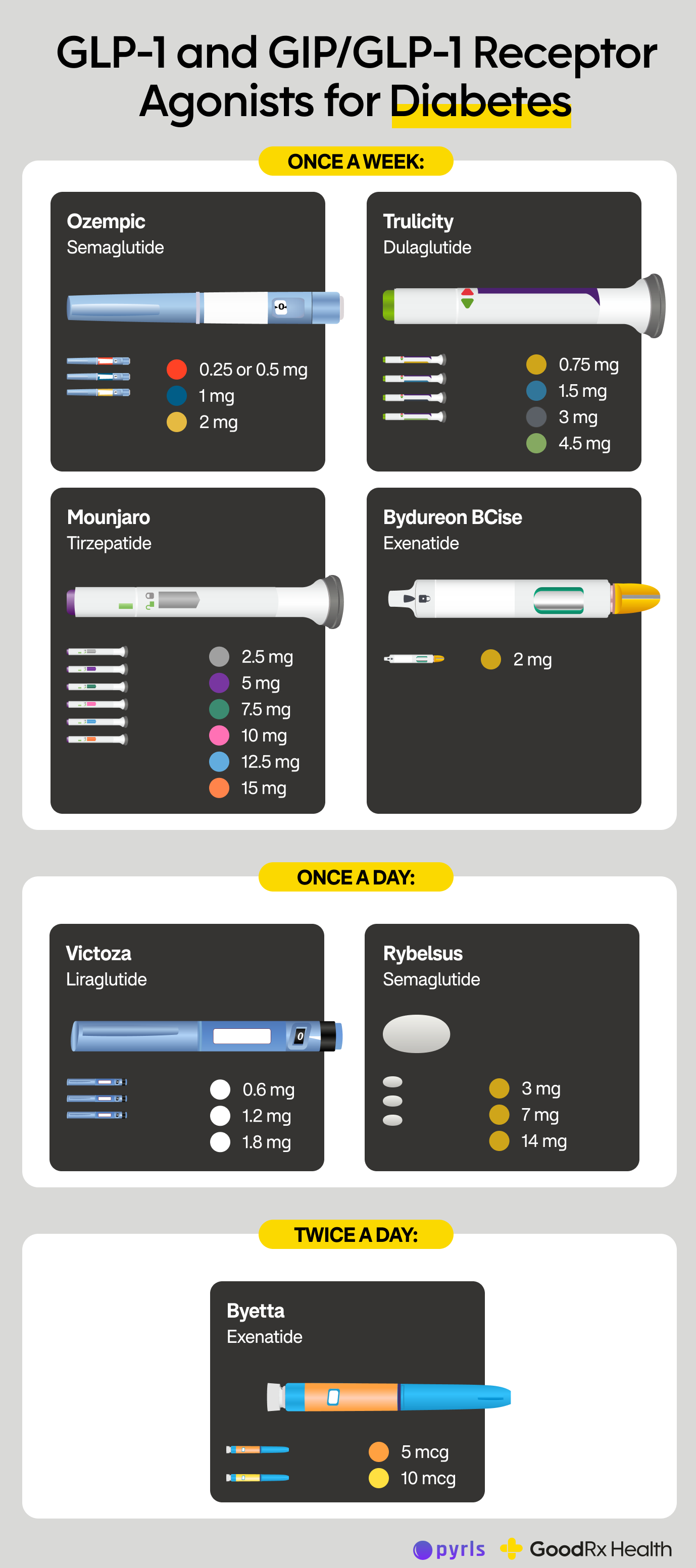
Benefits of GLP-1 Receptor Agonists
- Improved glycemic control: GLP-1 receptor agonists enhance insulin secretion and suppress glucagon release, leading to improved blood glucose levels.
- Weight management: These agents have been shown to promote weight loss and reduce body mass index (BMI) in patients with type 2 diabetes and obesity.
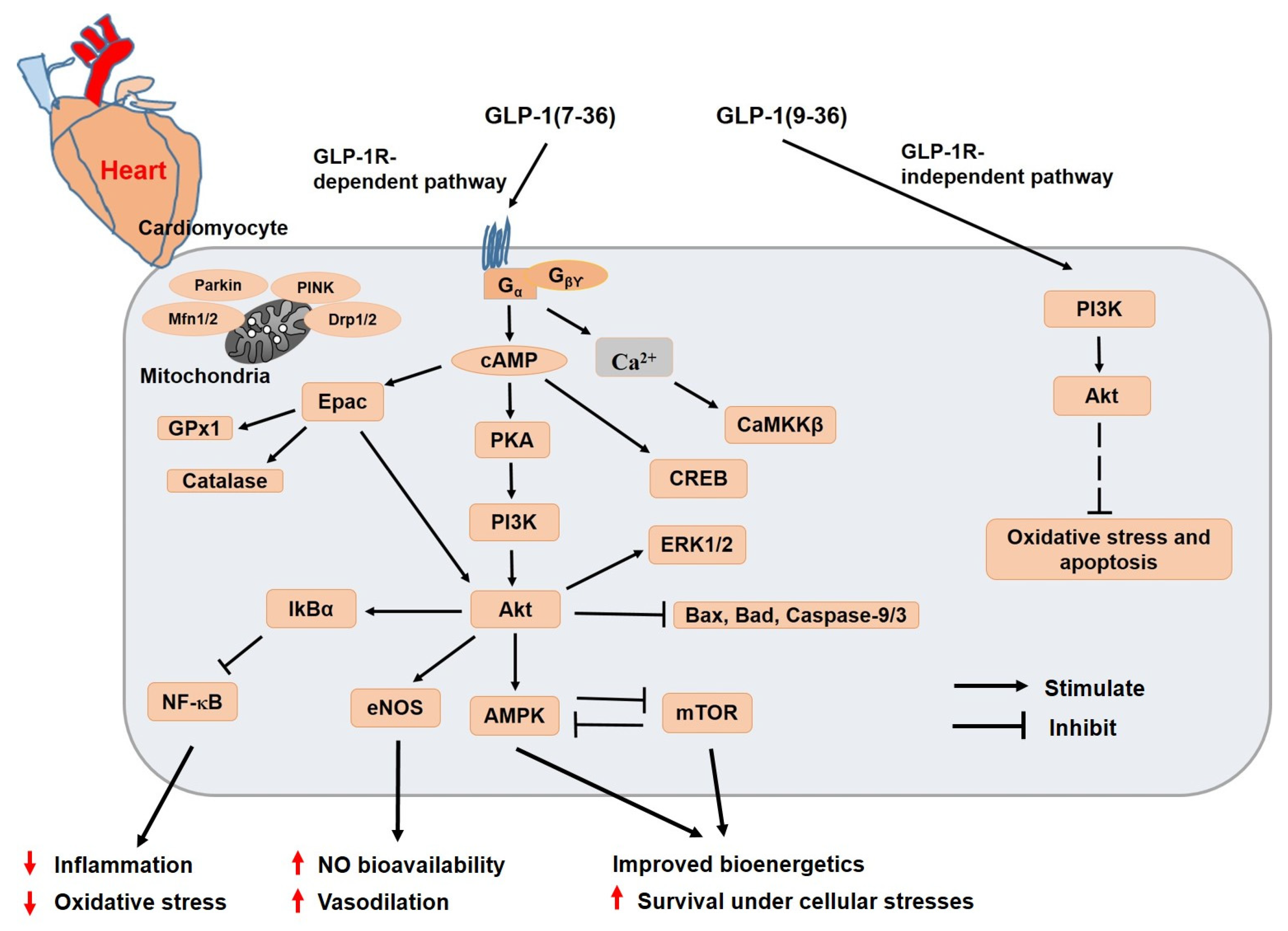
- Cardiovascular protection: GLP-1 receptor agonists have been found to reduce the risk of major adverse cardiovascular events, including heart attack, stroke, and cardiovascular death.
- Renal protection: These agents have been shown to slow the progression of kidney disease and reduce the risk of end-stage renal disease.
- Anti-inflammatory effects: GLP-1 receptor agonists have been found to exert anti-inflammatory effects, which may contribute to their cardiovascular and renal protective effects.