GLP-1 Receptor Agonists for Blood Sugar Self-Management
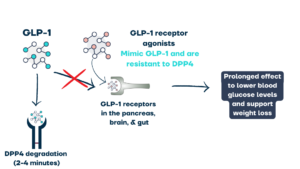
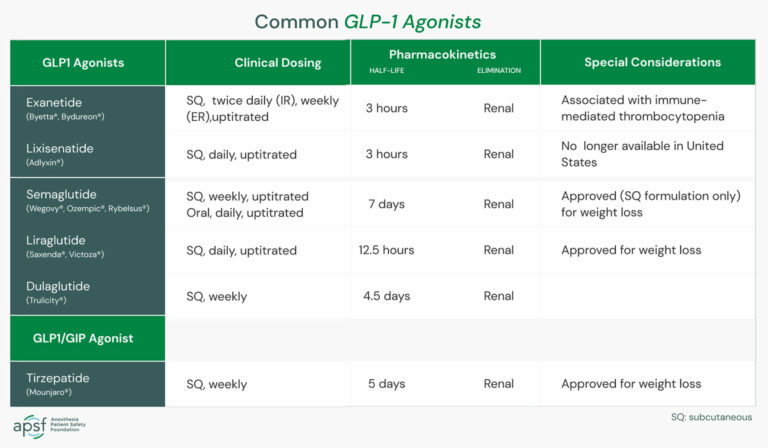
GLP-1 receptor agonists are a class of medications that have gained significant attention in recent years for their effectiveness in managing blood sugar levels, weight loss, and other metabolic disorders. These medications work by mimicking the action of the natural hormone glucagon-like peptide-1 (GLP-1) in the body.
What are GLP-1 Receptor Agonists?
GLP-1 agonists are used to treat type 2 diabetes, a condition characterized by the body's inability to produce enough insulin or properly use the insulin it produces. By mimicking the action of GLP-1, these medications help regulate blood sugar levels, increase insulin secretion, and reduce appetite.

How Do GLP-1 Receptor Agonists Work?
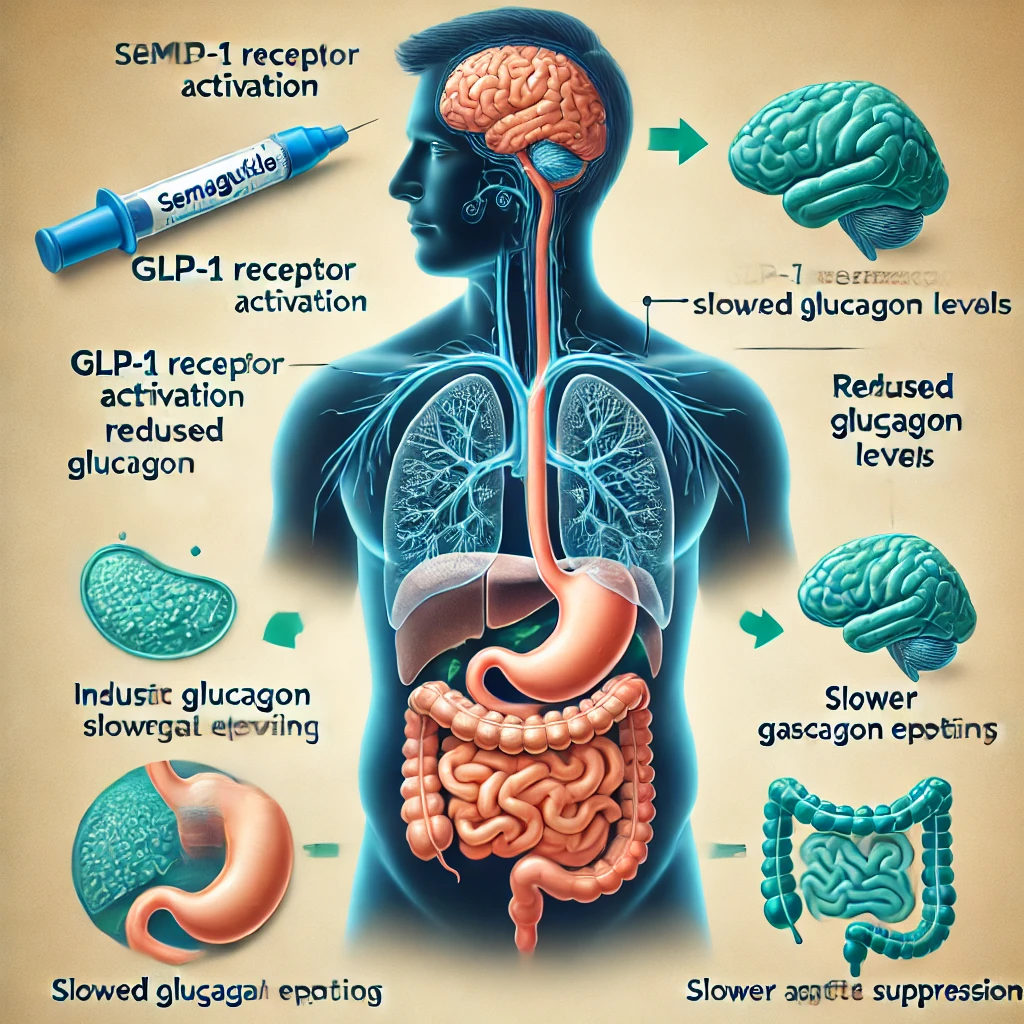
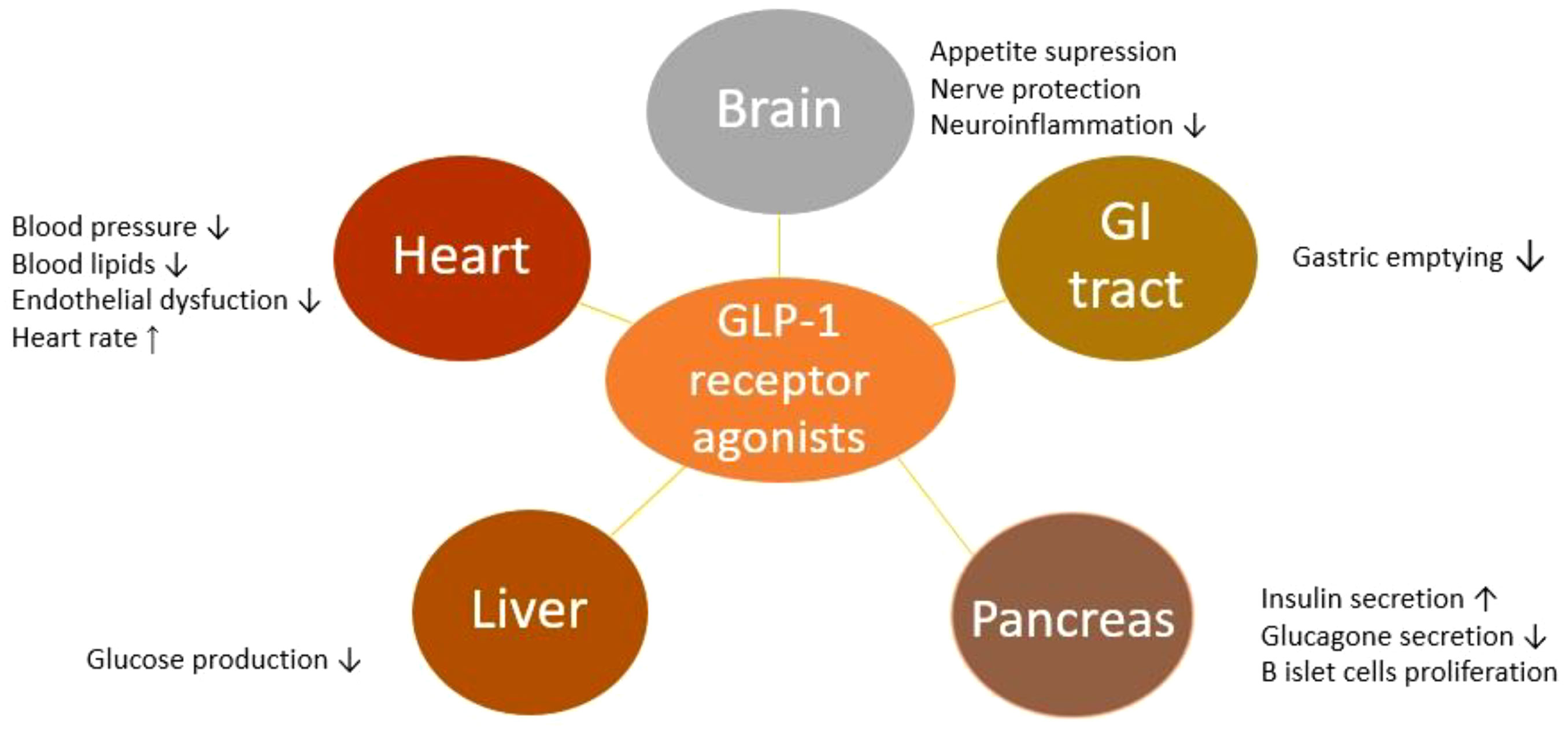
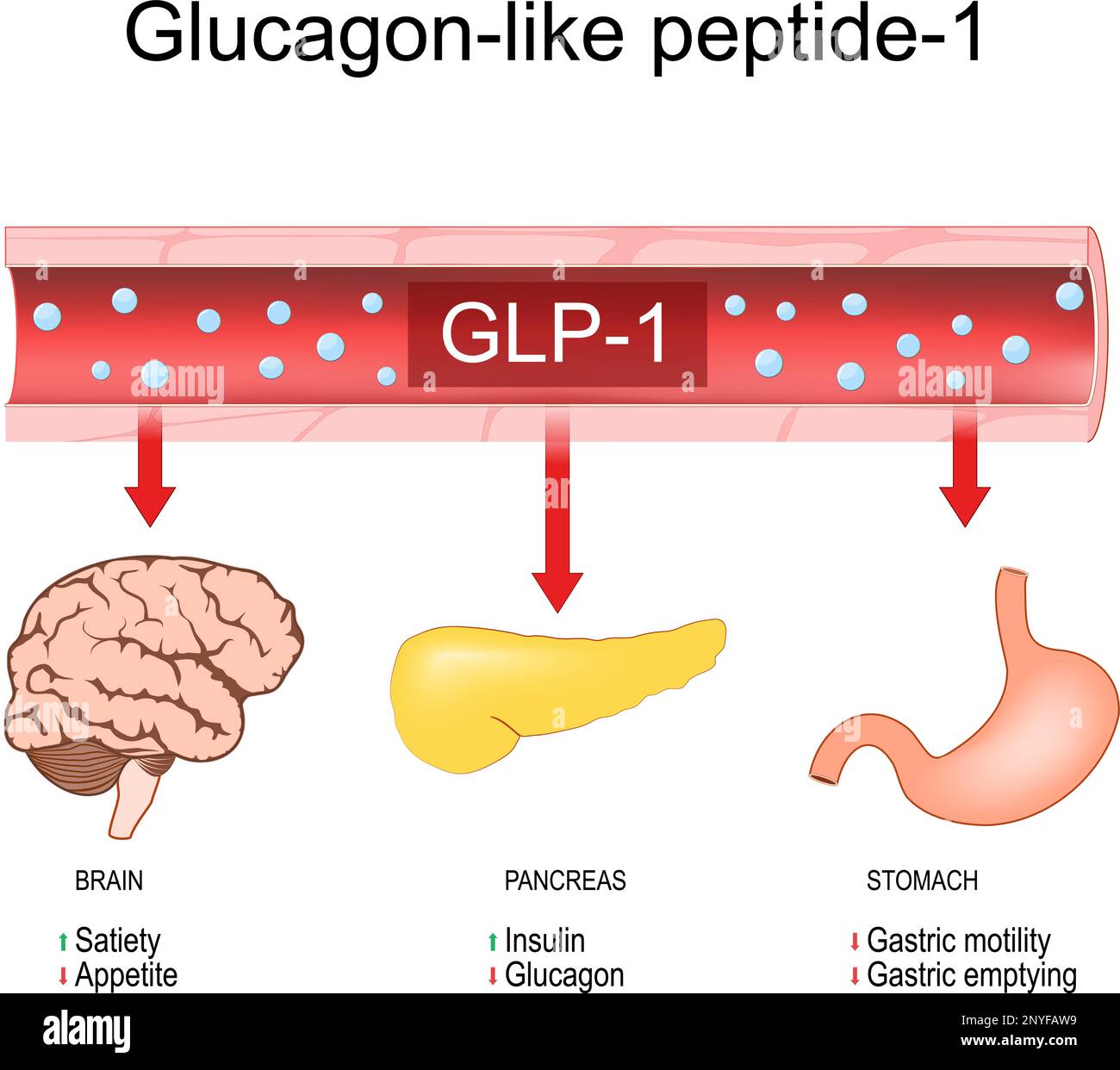
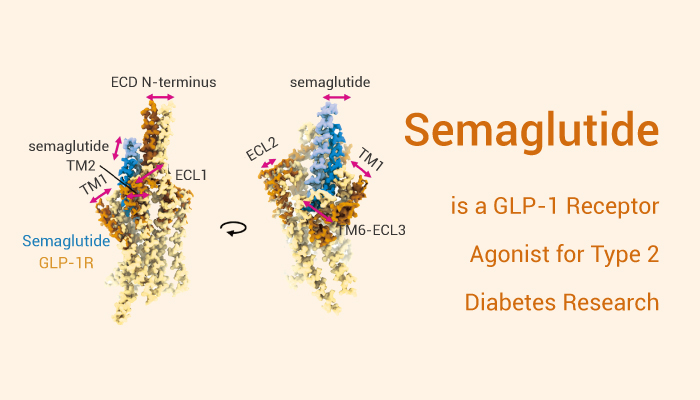
GLP-1 receptor agonists work by binding to the same receptors as the natural GLP-1 hormone in the body. The hormone GLP-1 is released in response to food intake and plays a crucial role in regulating blood sugar levels, appetite, and digestion. By stimulating the GLP-1 receptors, GLP-1 agonists help to:
- Increase insulin secretion: GLP-1 agonists stimulate the release of insulin from the pancreas, which helps to reduce blood sugar levels.
- Decrease glucose production: GLP-1 agonists also decrease the amount of glucose produced by the liver, further reducing blood sugar levels.
- Slow down gastric emptying: GLP-1 agonists slow down the movement of food from the stomach to the small intestine, which helps to reduce blood sugar spikes after meals.