Optimizing GLP-1 Receptor Agonist Dosing Schedule for Maximum Efficacy and Safety
Glucagon-like peptide-1 (GLP-1) receptor agonists are a class of medications that have revolutionized the management of type 2 diabetes and obesity. These agents mimic the natural hormone GLP-1, which plays a crucial role in regulating glucose and energy homeostasis. To maximize the efficacy and safety of GLP-1 receptor agonists, it is essential to understand the optimal dosing schedule.
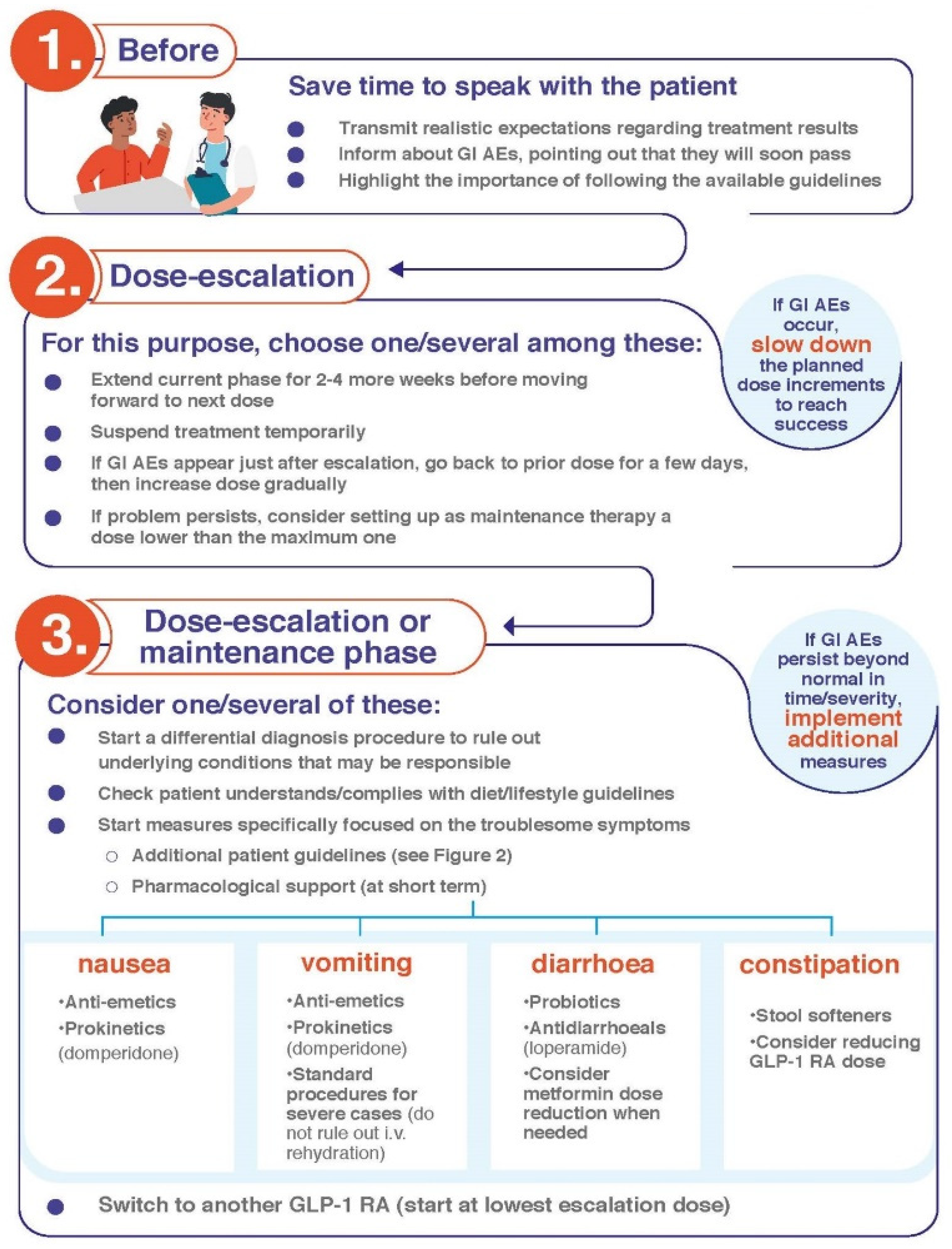
The Importance of Gradual Dose Escalation
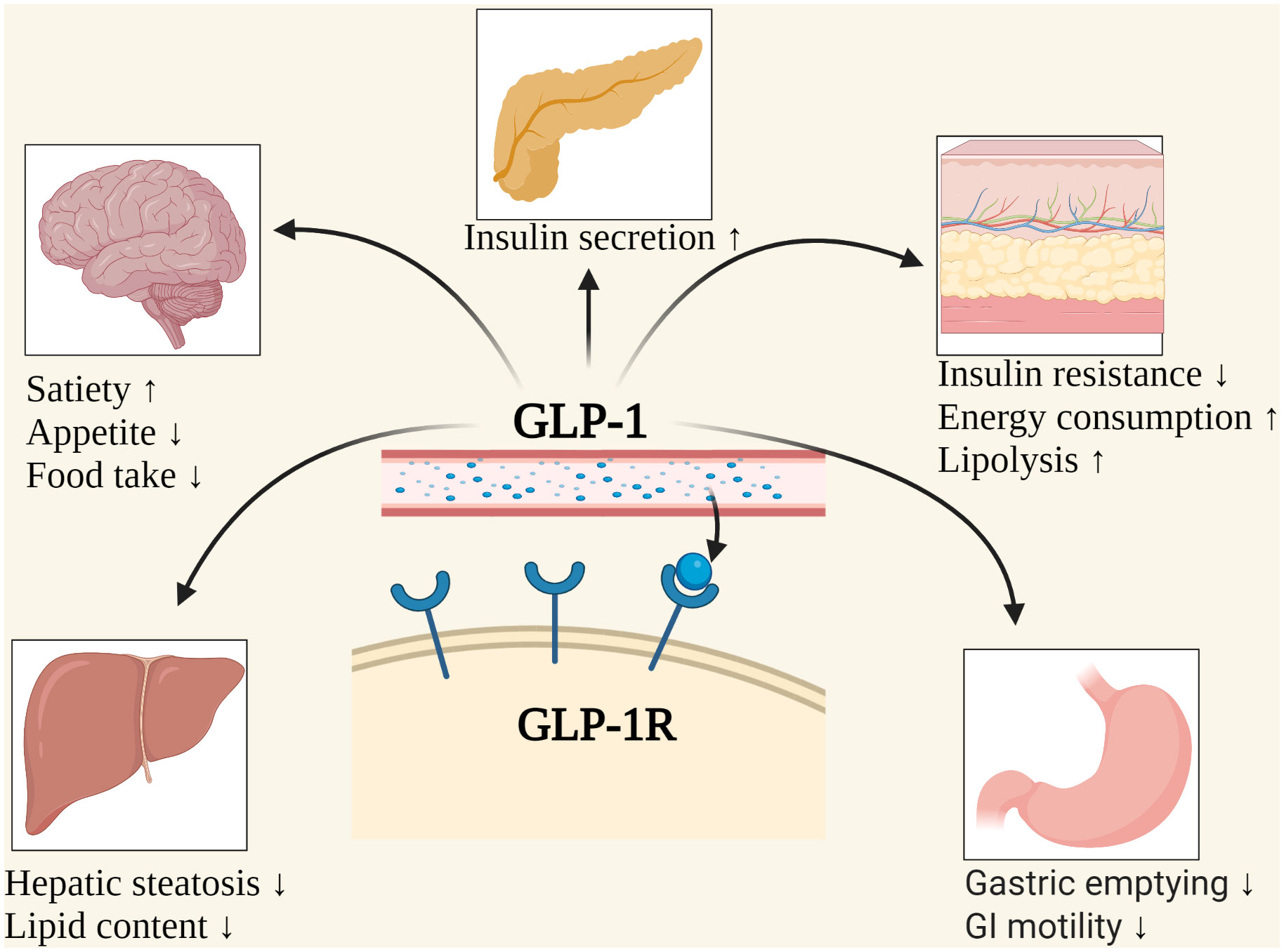
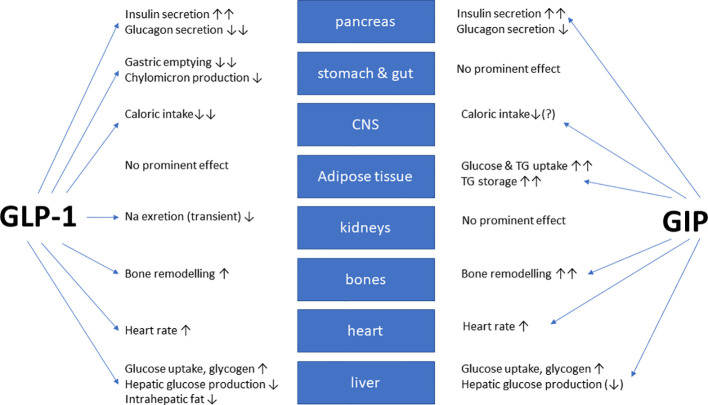
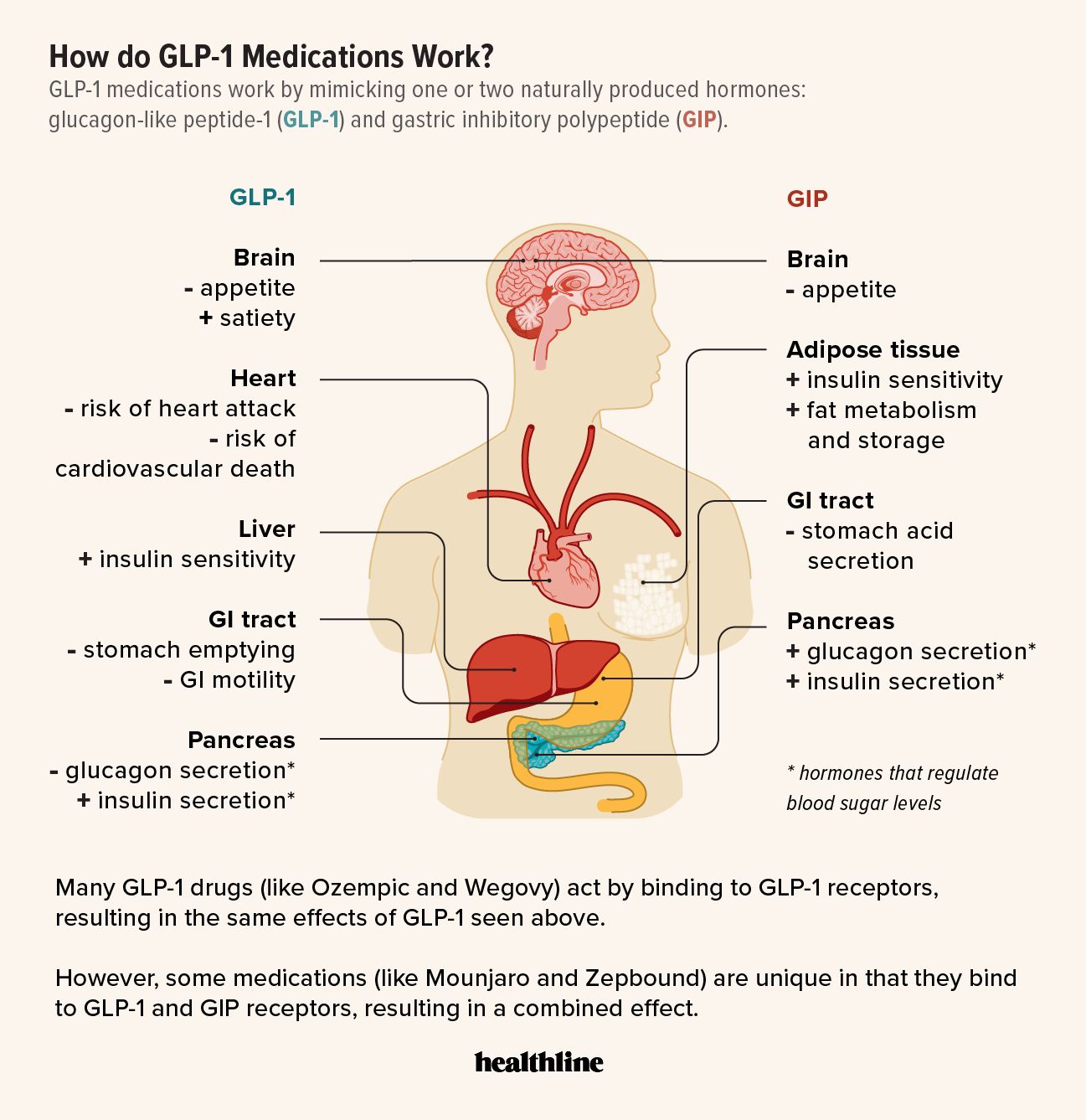
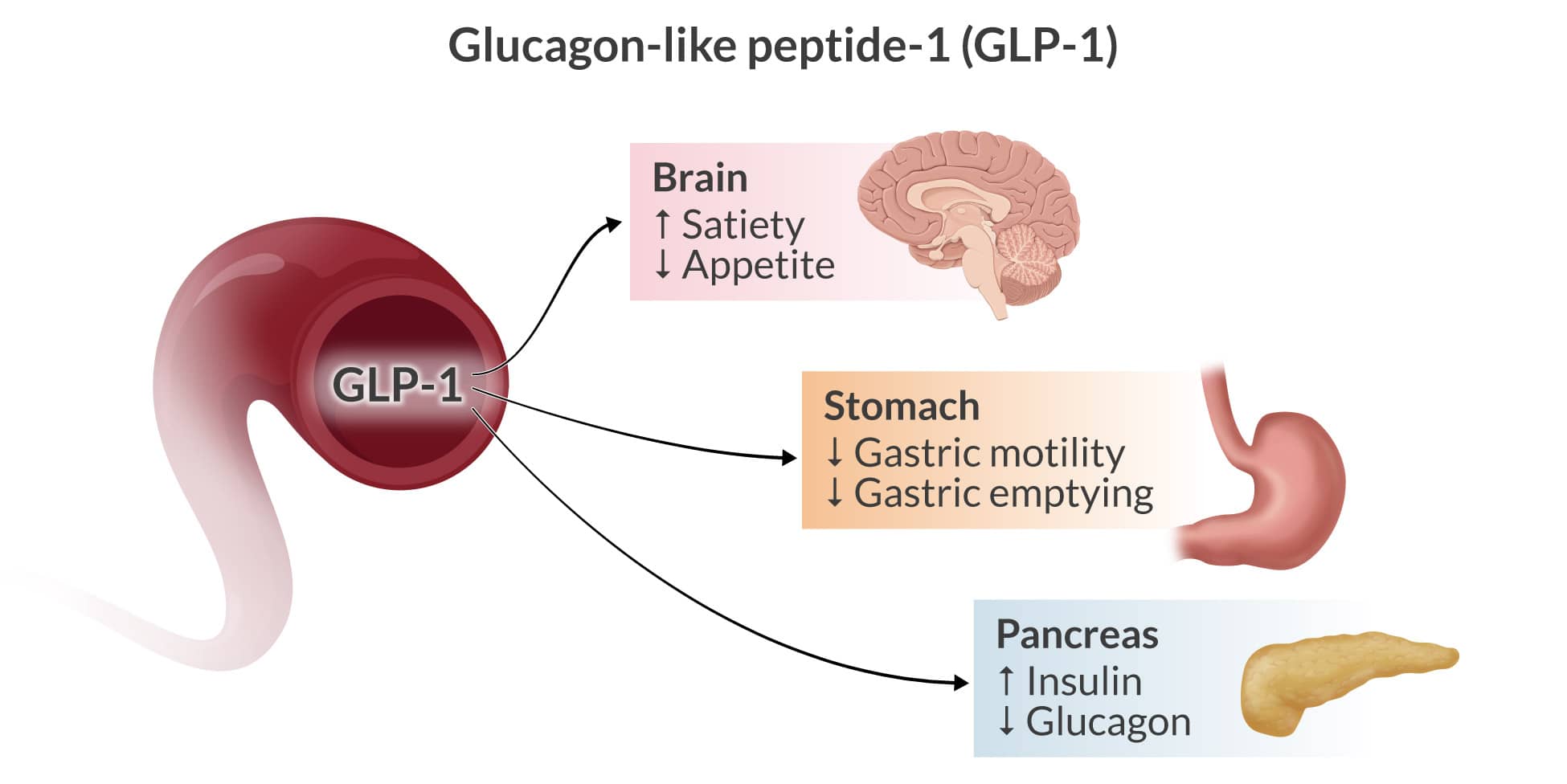
GLP-1 receptor agonists, such as semaglutide and liraglutide, work by slowing gastric emptying, acting on brain appetite centers, and reducing glucose levels. However, this increased activity can lead to gastrointestinal side effects, such as nausea, vomiting, and abdominal discomfort, which are the most common adverse events associated with these medications. To minimize these side effects, gradual dose escalation is crucial.
Understanding the GLP-1 Receptor Agonist Dosing Schedule
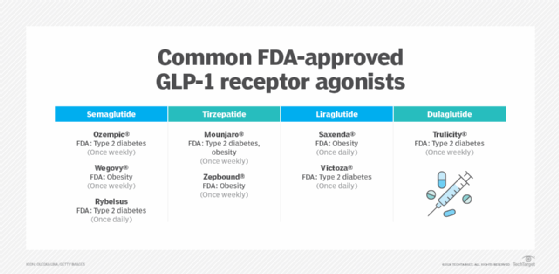
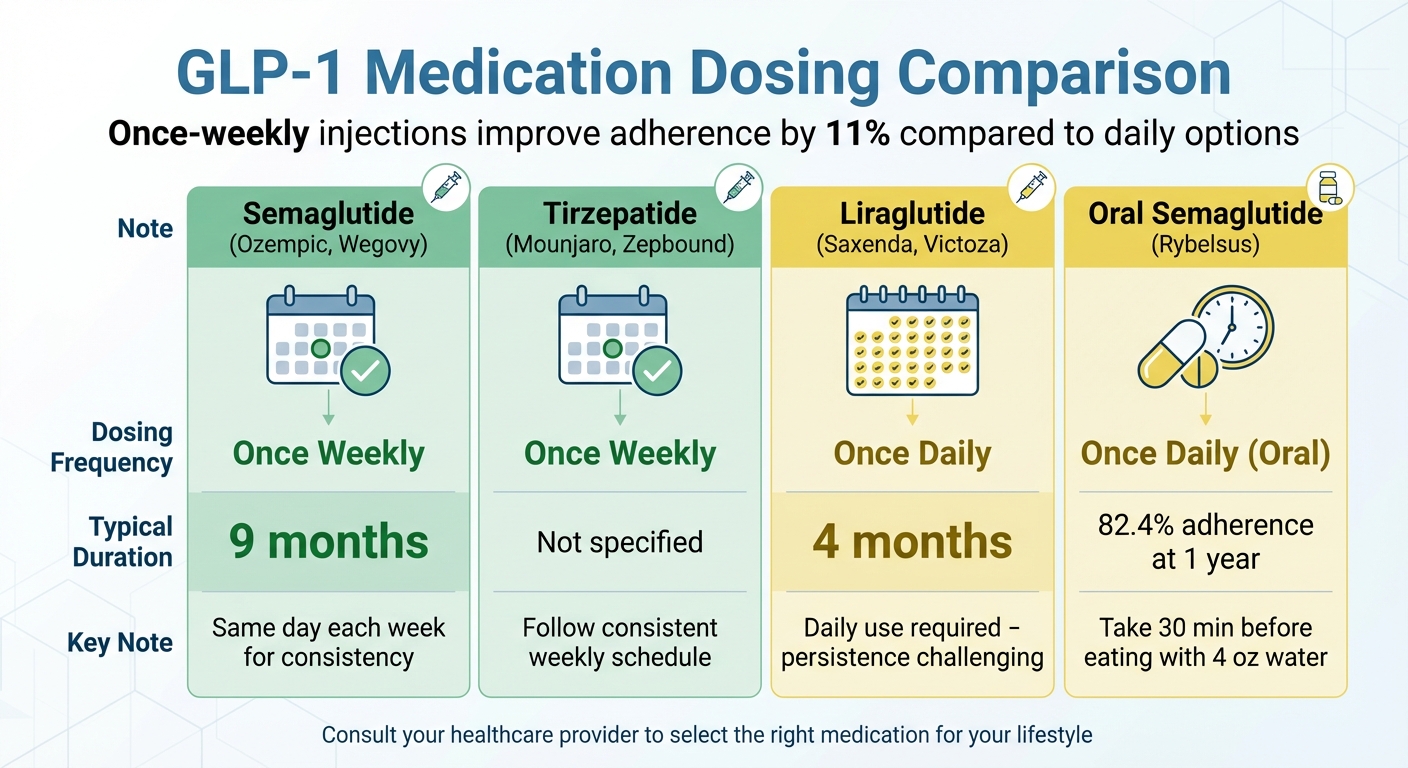
The dosing schedule for GLP-1 receptor agonists varies depending on the specific medication, treatment indication, and individual patient response. Some medications, such as semaglutide, are initiated at a lower dose and then gradually escalated to the maintenance dose. Others, such as liraglutide, may have a more rapid dose escalation schedule.