GLP-1 Meal Planning for Prediabetic Patients with Obesity: A Holistic Approach
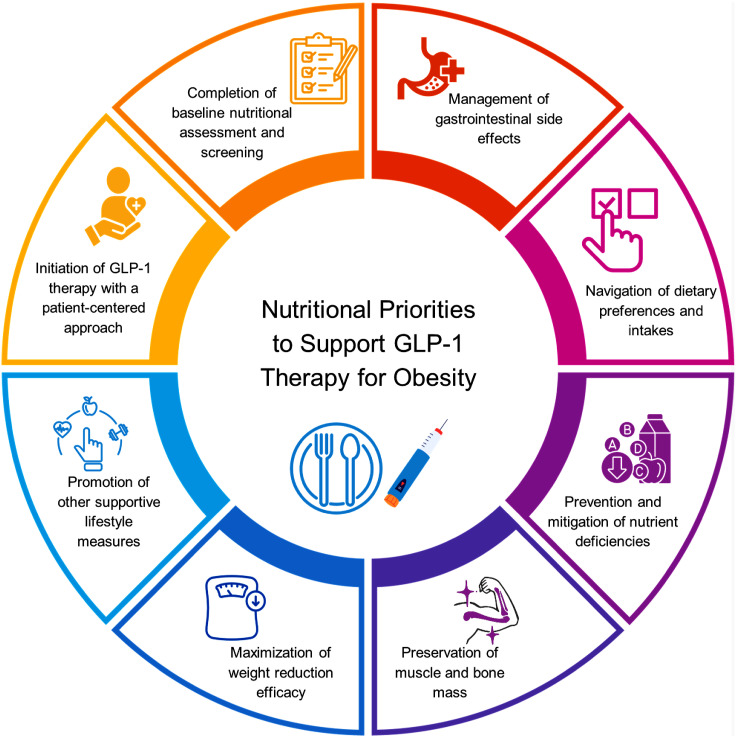
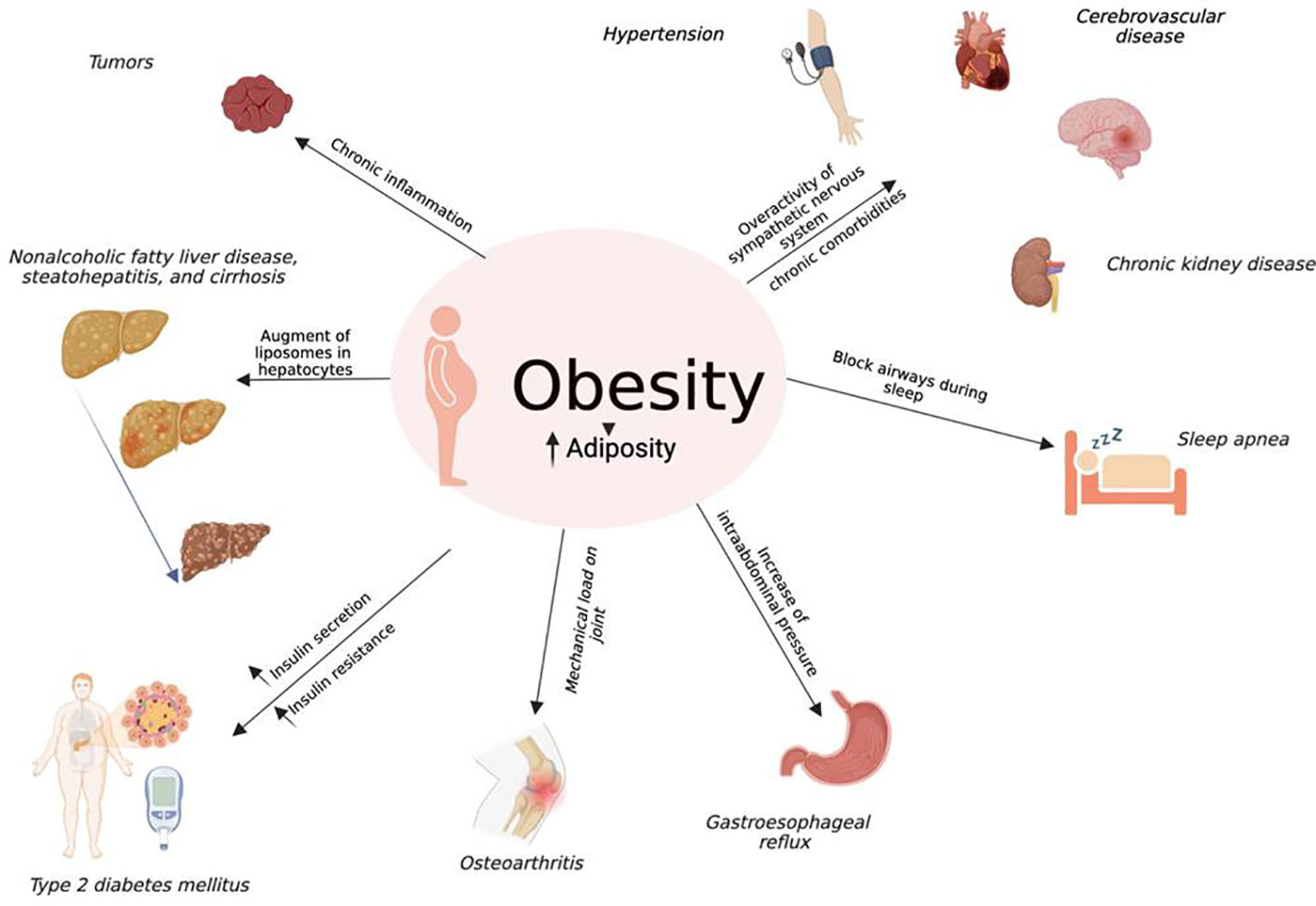
The rapidly evolving landscape of obesity treatment has brought forth a plethora of innovative therapies, including glucagon-like peptide-1 receptor agonists (GLP-1RAs) and combination medications. While these medications have shown remarkable efficacy in managing weight and improving metabolic health, their success is contingent upon the strategic incorporation of nutritional and lifestyle interventions. In this article, we will delve into the nuances of GLP-1 meal planning for prediabetic patients with obesity, providing a comprehensive framework for optimizing treatment outcomes and promoting overall health.
Understanding GLP-1 Medications
GLP-1RAs, such as semaglutide (Ozempic, Wegovy), liraglutide (Saxenda), and tirzepatide (Zepbound), have revolutionized the treatment of obesity and type 2 diabetes. These medications work by mimicking the natural hormone GLP-1, which regulates appetite, glucose metabolism, and energy balance. By enhancing GLP-1 signaling, GLP-1RAs promote weight loss, improve insulin sensitivity, and reduce the risk of cardiovascular events.
The Importance of Nutrition and Lifestyle Interventions
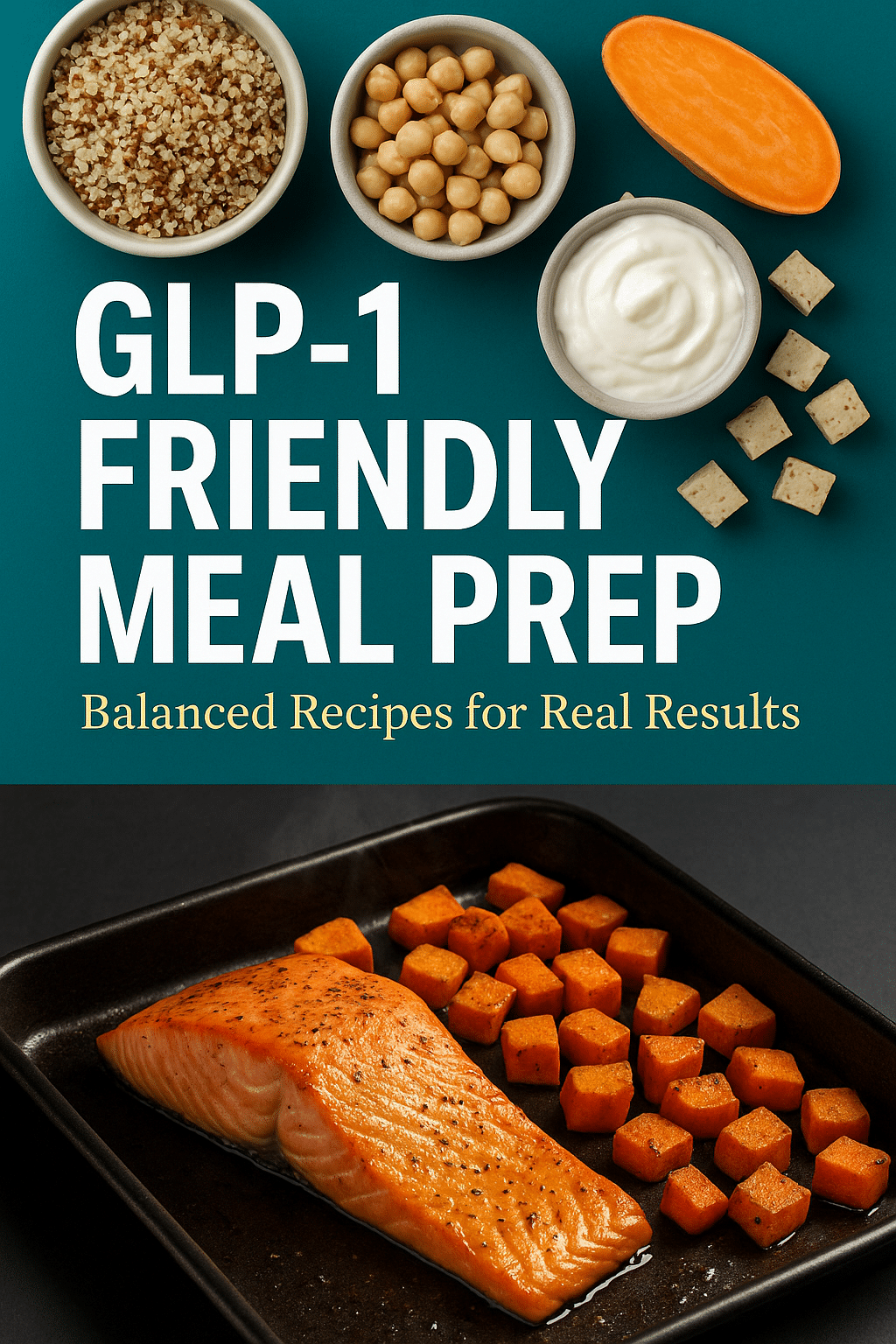
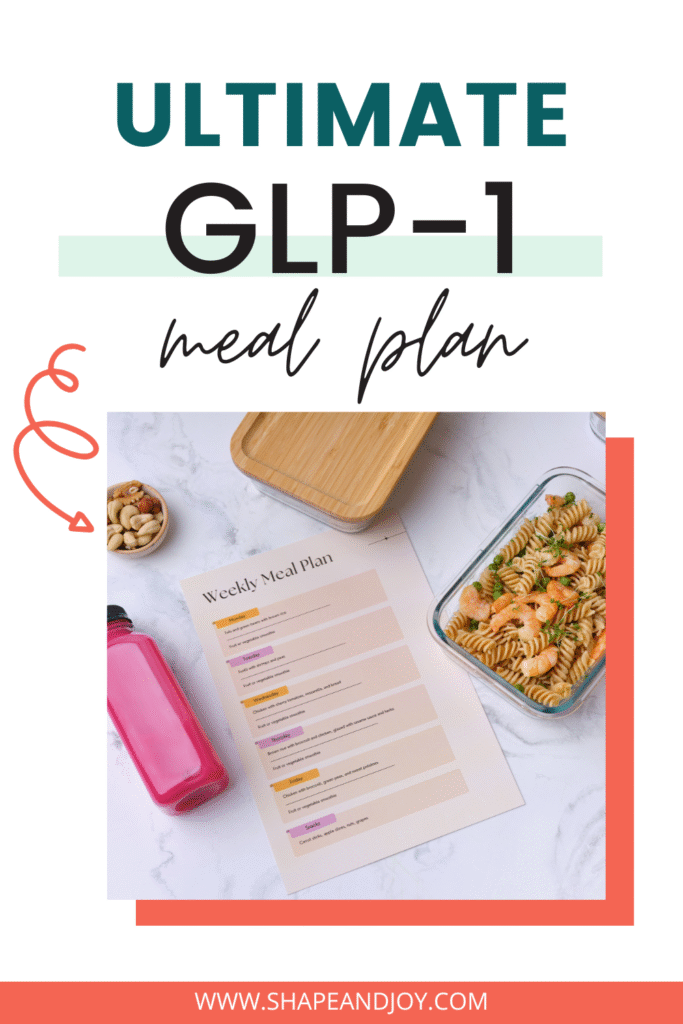
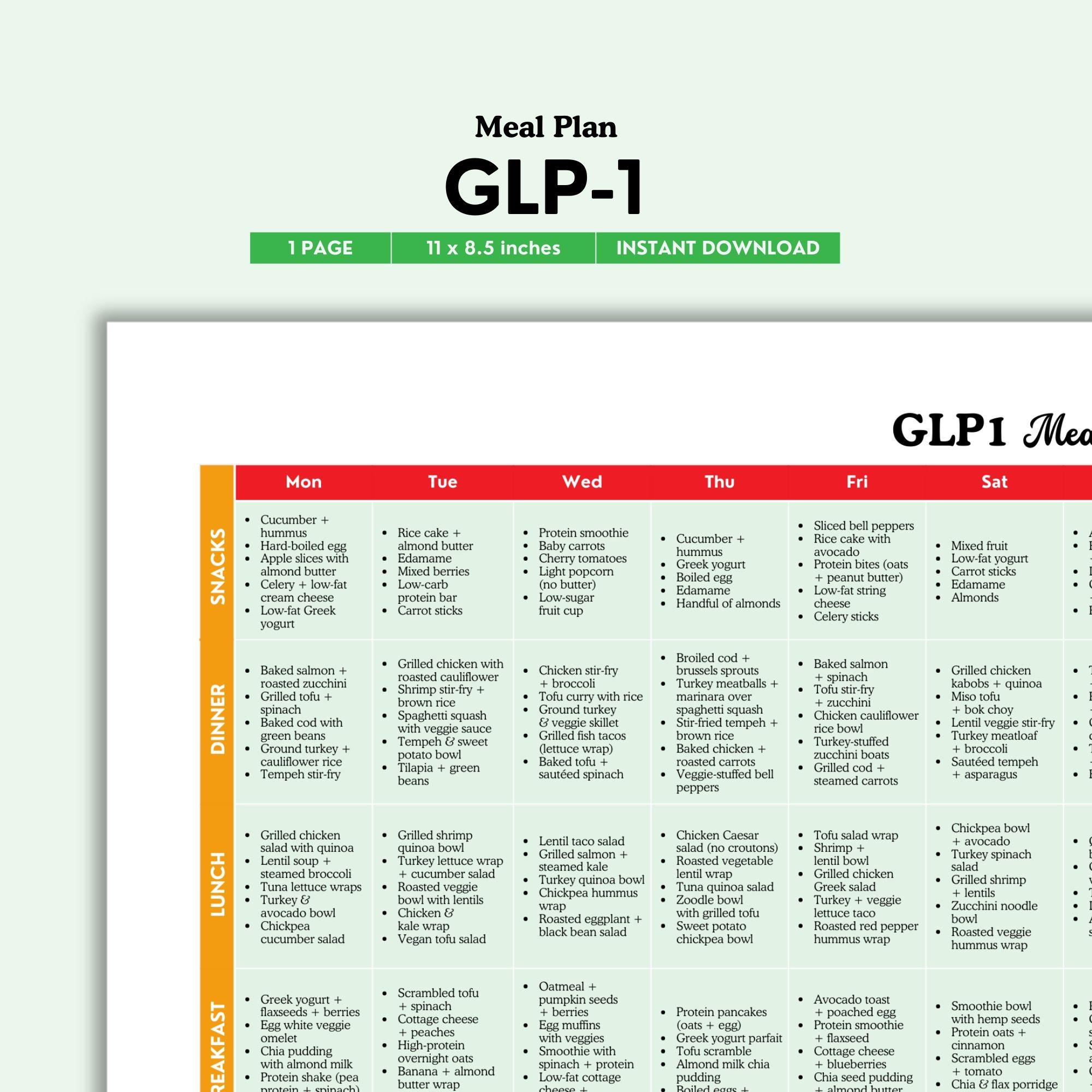
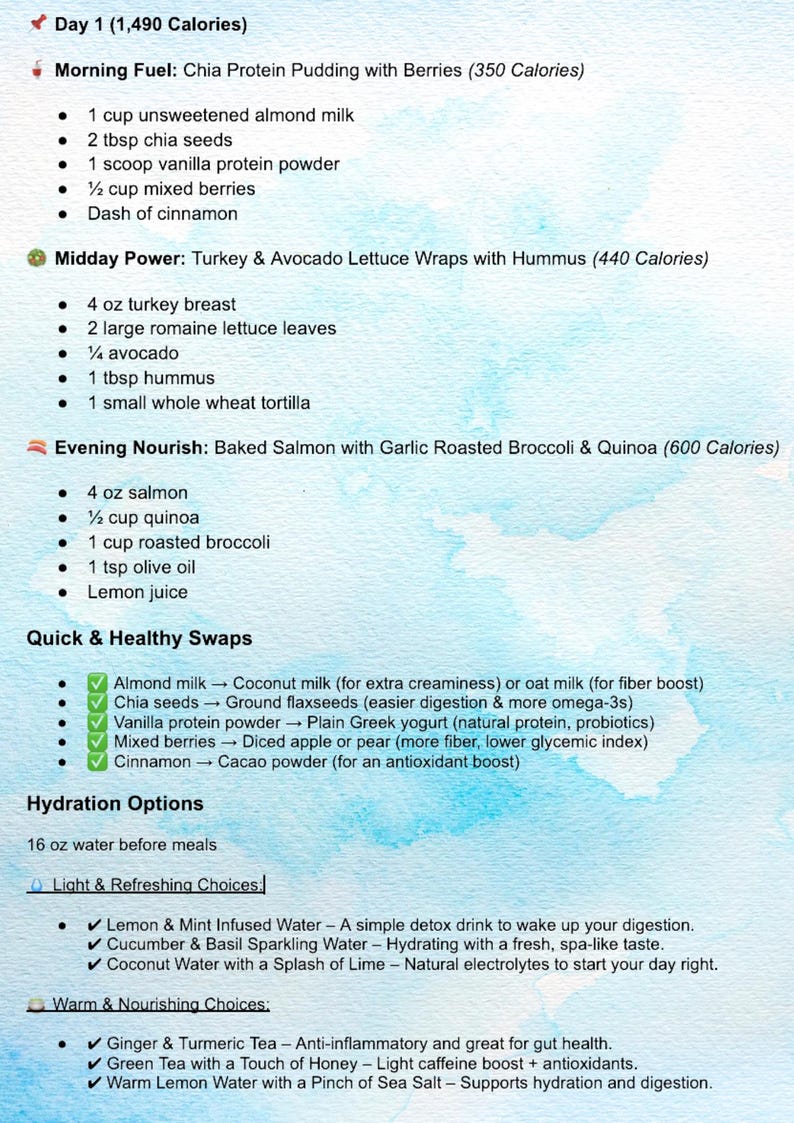
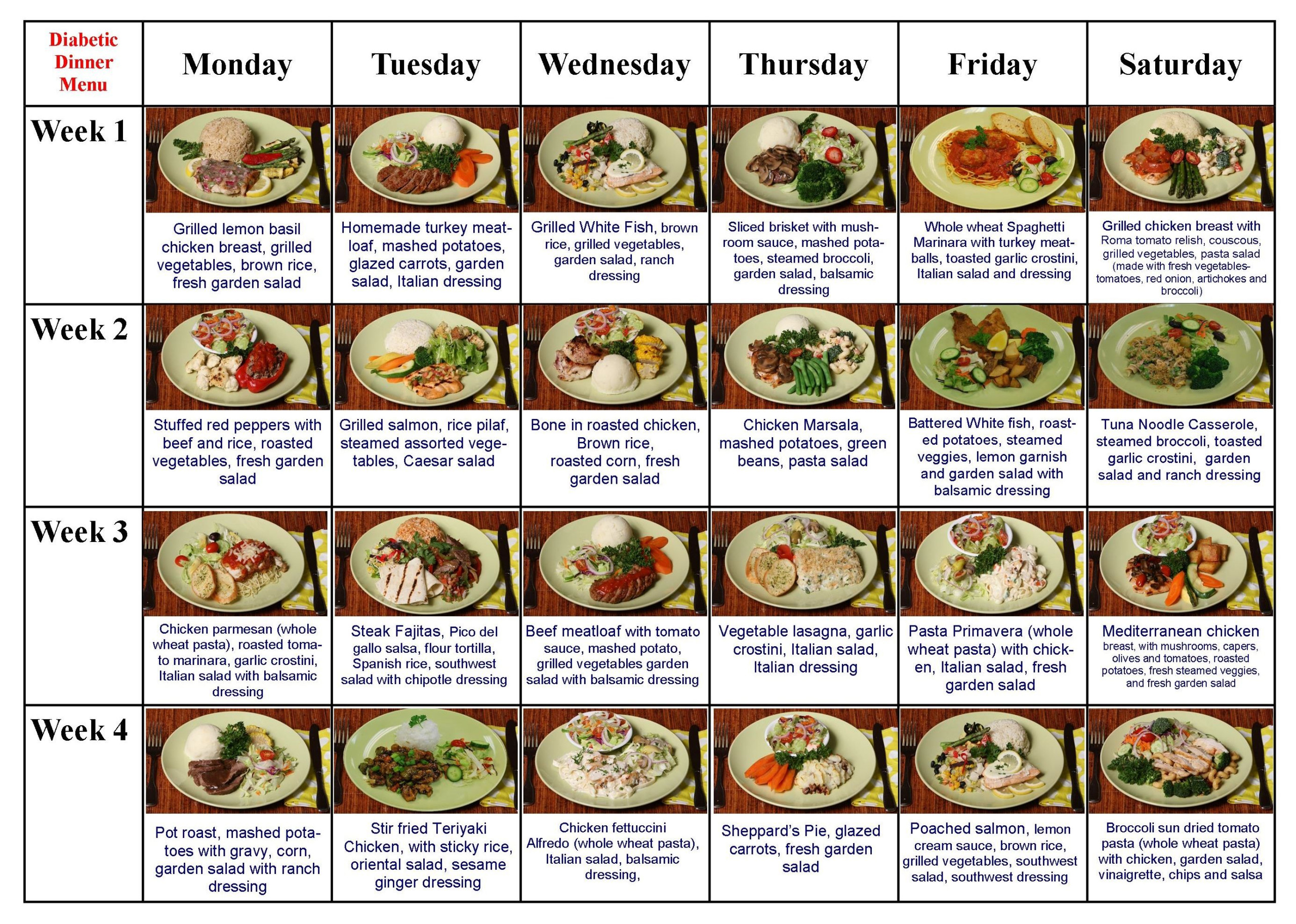
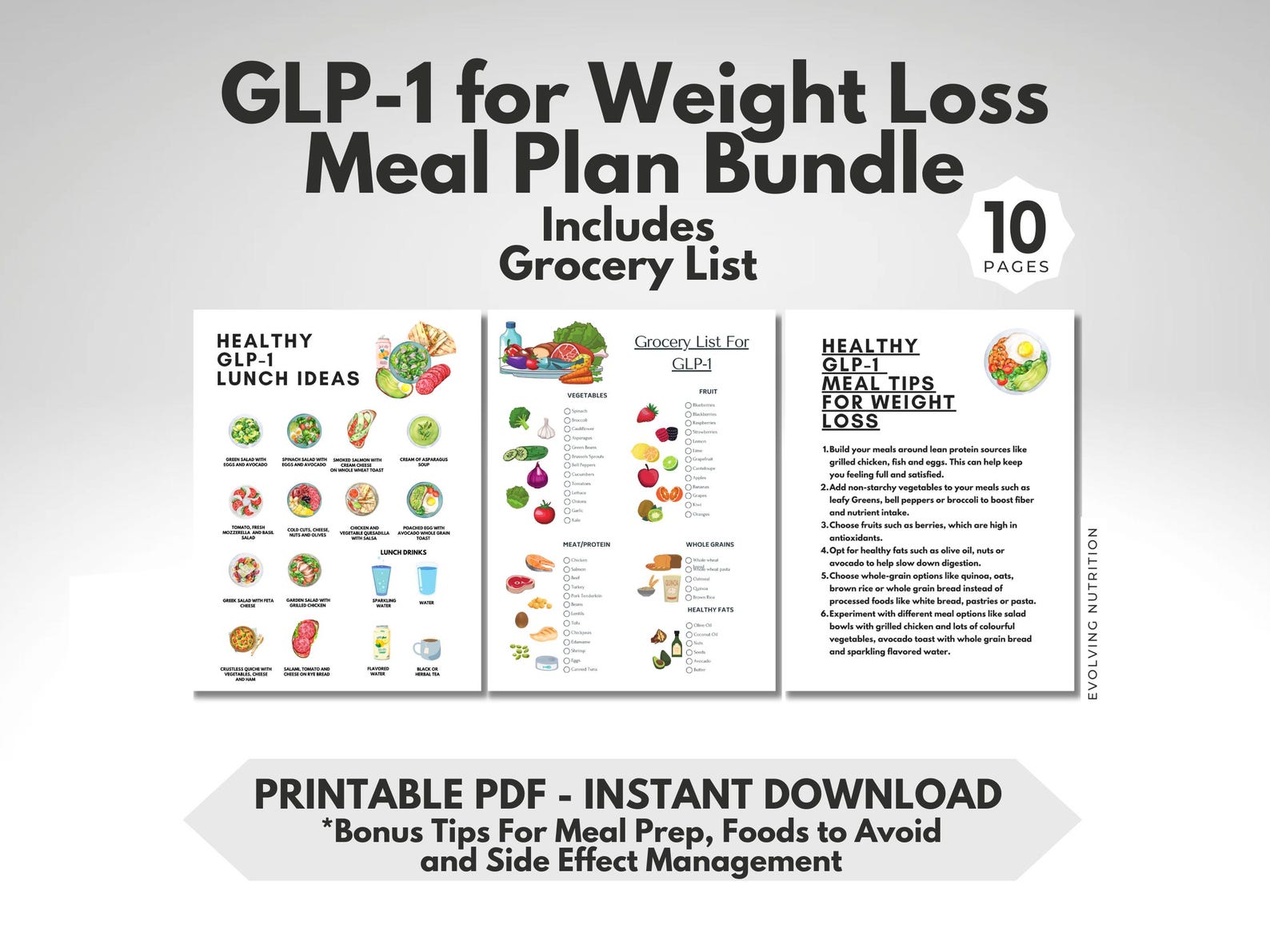
While GLP-1 medications are potent tools in managing obesity and type 2 diabetes, their efficacy is significantly enhanced when combined with balanced, nourishing meals and a healthy lifestyle. Adequate nutrition plays a crucial role in supporting GLP-1 therapy, as it provides the necessary fuel for weight loss, improves insulin sensitivity, and enhances overall metabolic health.