Glucagon-Like Peptide-1 and Thyroid Hormone Balance: The Complex Relationship
The relationship between glucagon-like peptide-1 receptor agonists (GLP-1RAs) and thyroid hormone balance has gained significant attention in recent years. While these medications are widely recognized for their efficacy in managing type 2 diabetes mellitus, their impact on thyroid function has sparked controversy.
What are GLP-1RAs and Thyroid Hormone Balance?
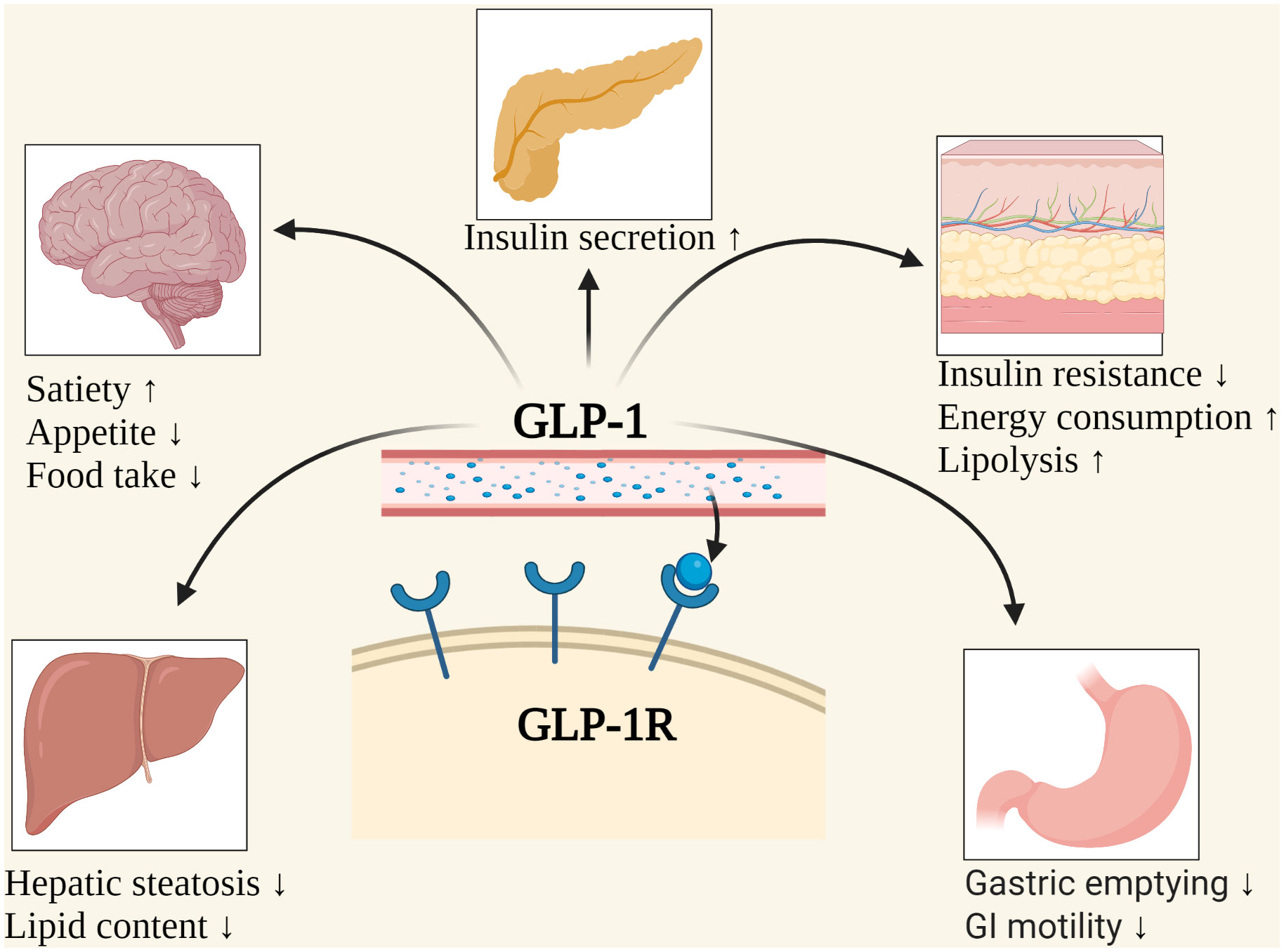
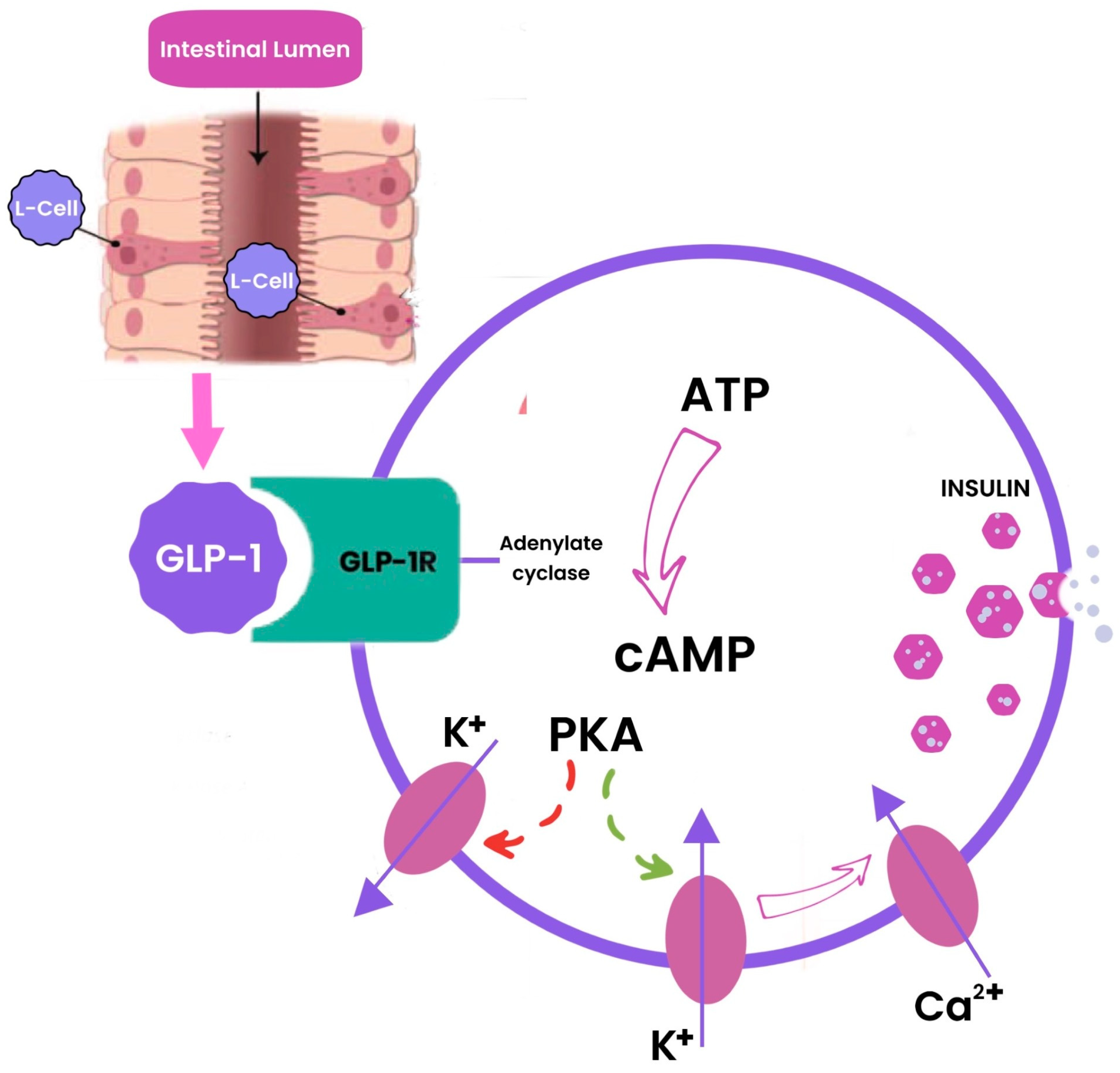
GLP-1RAs are antidiabetic medications that mimic the action of glucagon-like peptide-1, a hormone produced in the intestines that helps regulate blood sugar levels. They are used to treat type 2 diabetes by slowing gastric emptying, reducing appetite, and promoting insulin secretion. Thyroid hormone balance, on the other hand, is crucial for regulating metabolism, energy production, and temperature control.
Conflicting Reports on GLP-1RAs and Thyroid Hormone Balance
Research has yielded conflicting results regarding the relationship between GLP-1RAs and thyroid hormone balance. Some studies suggest that GLP-1RAs may affect thyroid function, particularly in patients with pre-existing thyroid conditions. A study published in November 2024 found that patients with hypothyroidism who started taking GLP-1RAs experienced a significant reduction in thyroid-stimulating hormone (TSH) levels. However, other studies have reported no significant changes in thyroid function in patients taking GLP-1RAs.