Unpacking the Connection Between GLP-1 and Sugar Addiction
The human body is a complex system, and the relationship between hormones, appetite, and addiction is no exception. Recently, there has been a surge of interest in the role of GLP-1 (Glucagon-like peptide-1) in addressing sugar addiction. In this article, we will delve into the world of GLP-1 and its potential in treating sugar addiction, as well as other compulsive behaviors.
What is GLP-1?
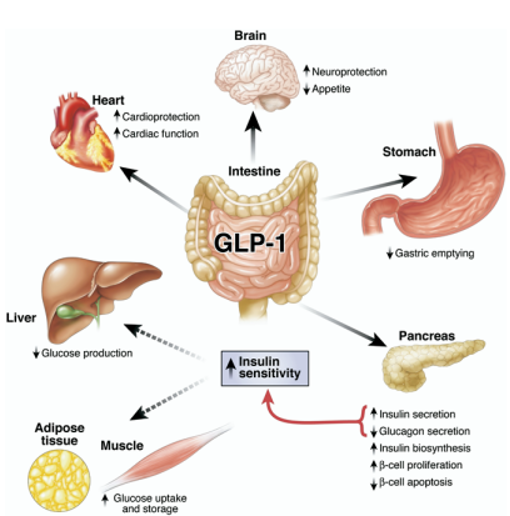
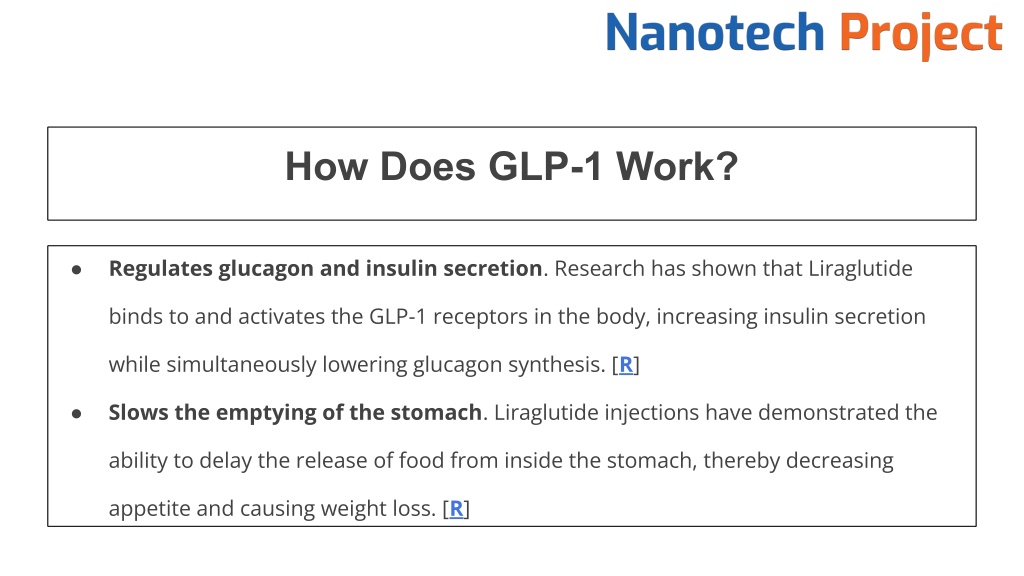
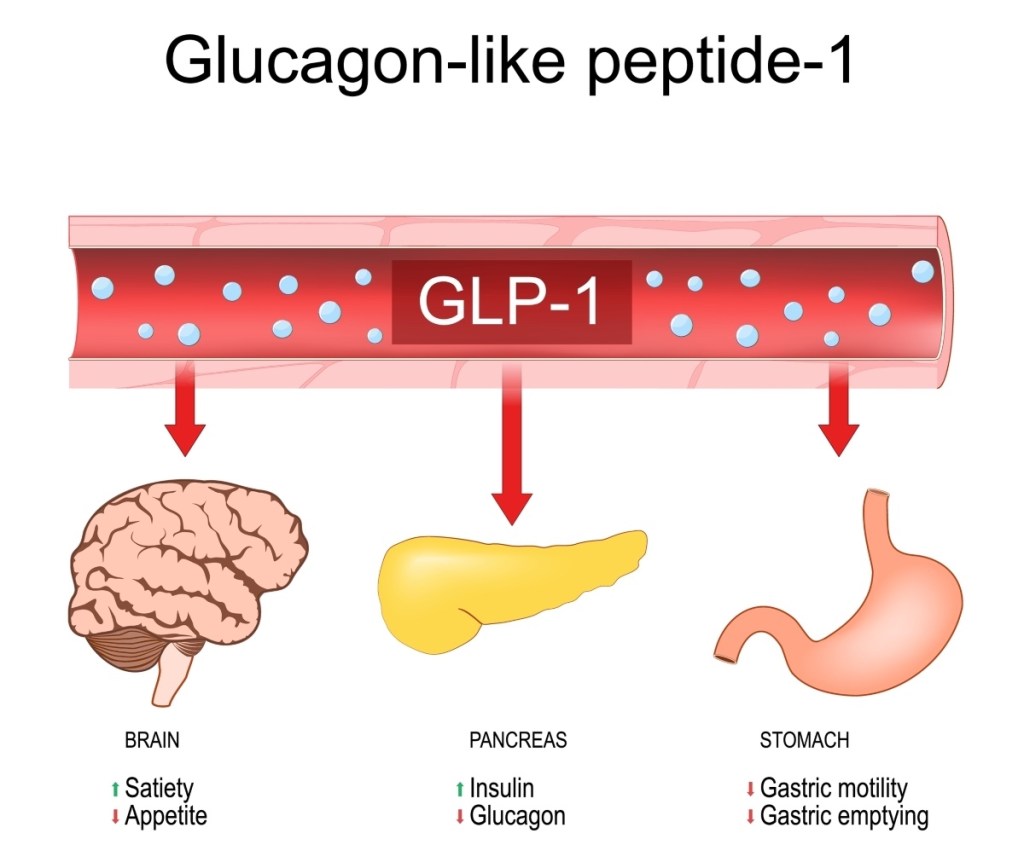
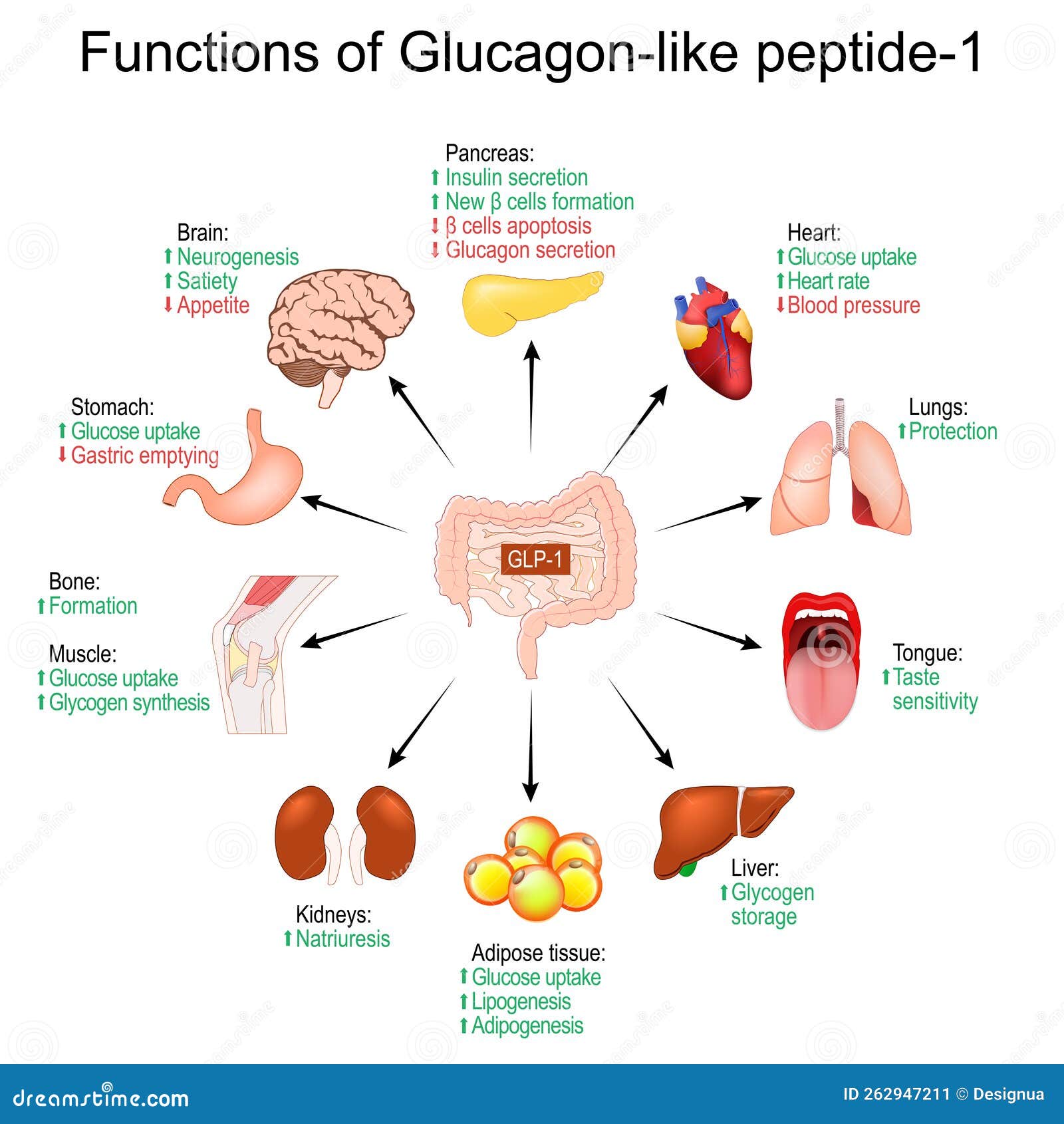
GLP-1 is a hormone naturally produced in the intestines that plays a crucial role in blood sugar regulation and appetite control. When you eat, GLP-1 is released to signal your pancreas to produce insulin, slow gastric emptying, and communicate satiety (feeling of fullness) after eating. This hormone helps regulate blood sugar levels and promotes feelings of fullness, making it a key player in weight management and diabetes treatment.

GLP-1 Receptor Agonists: A New Frontier in Addiction Treatment
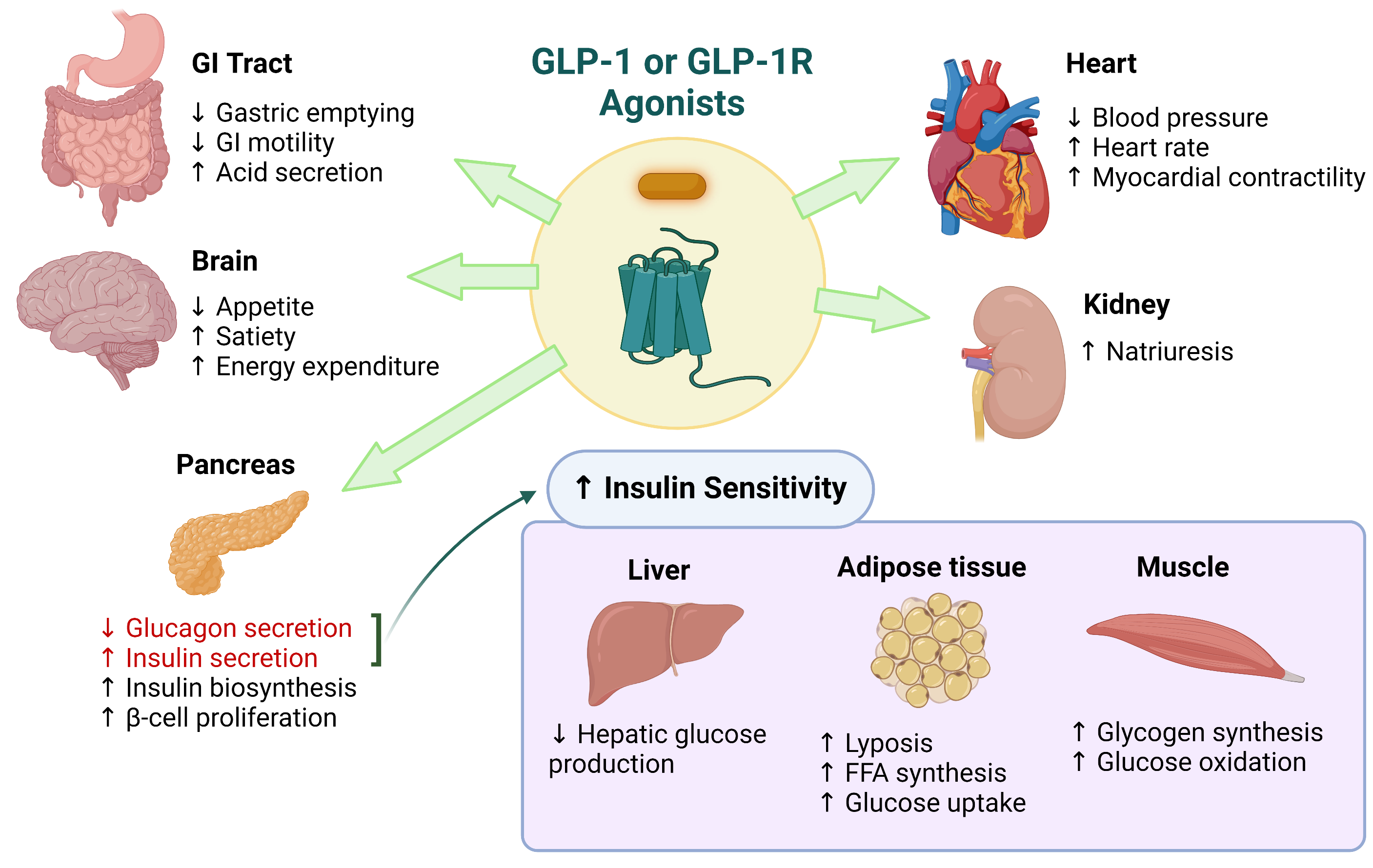
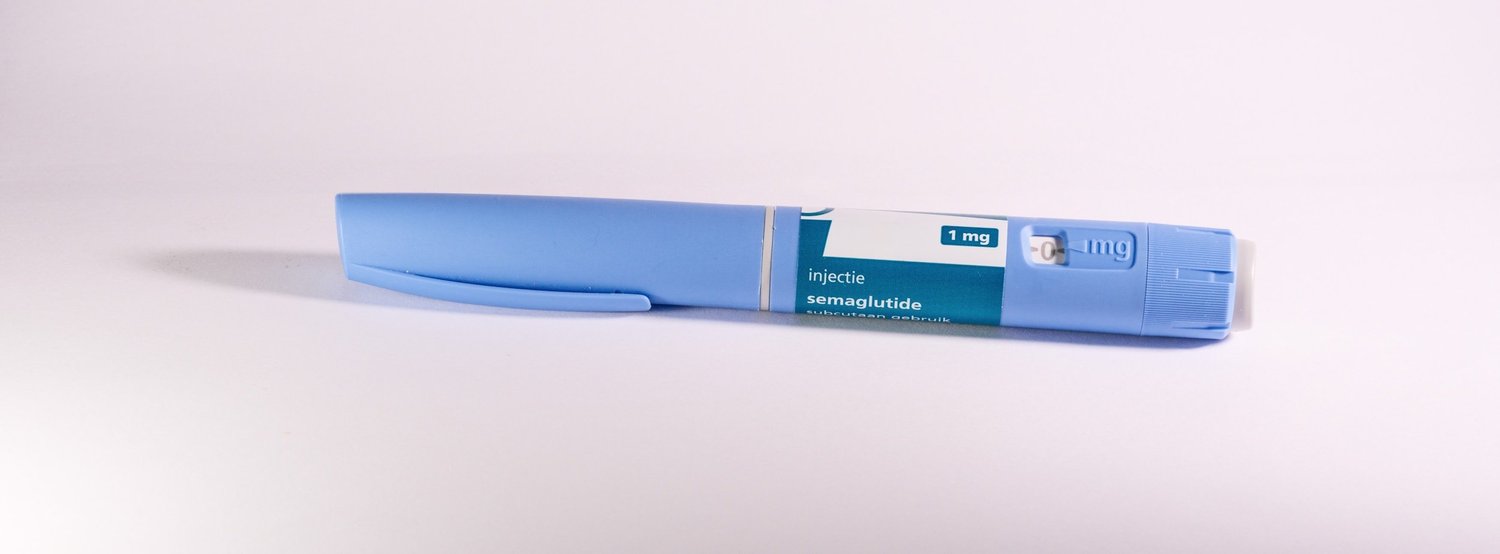
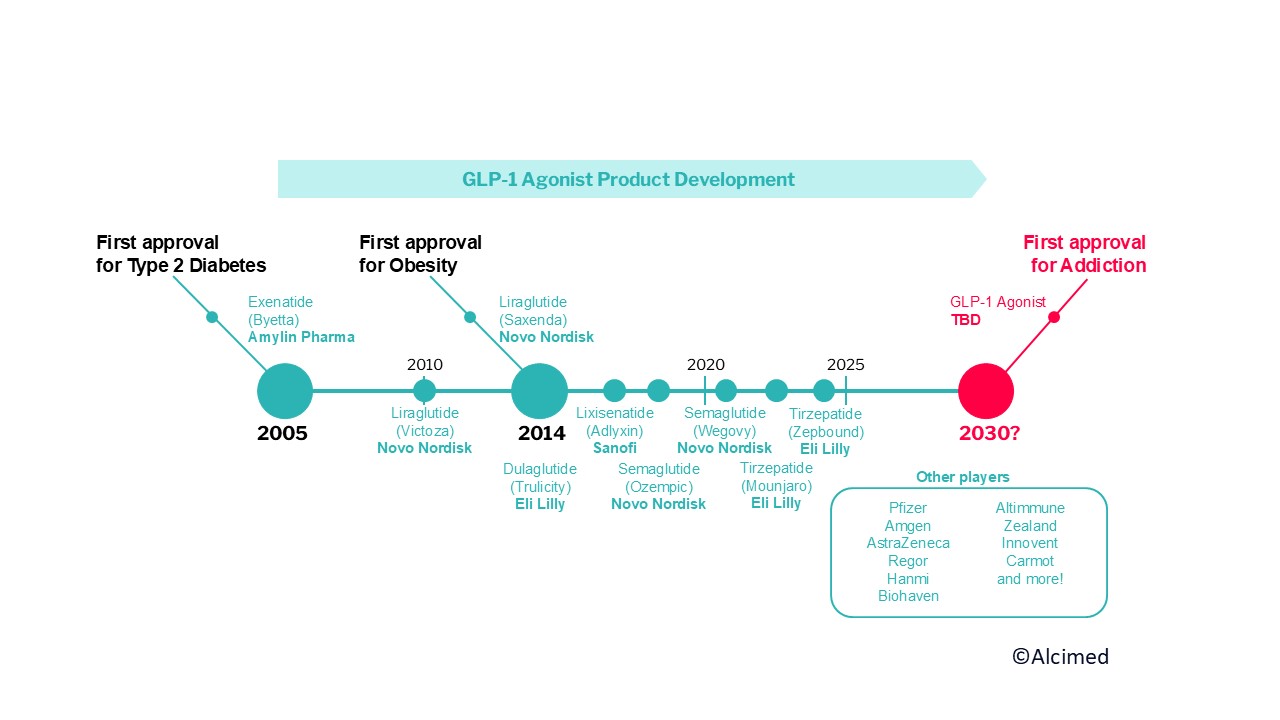
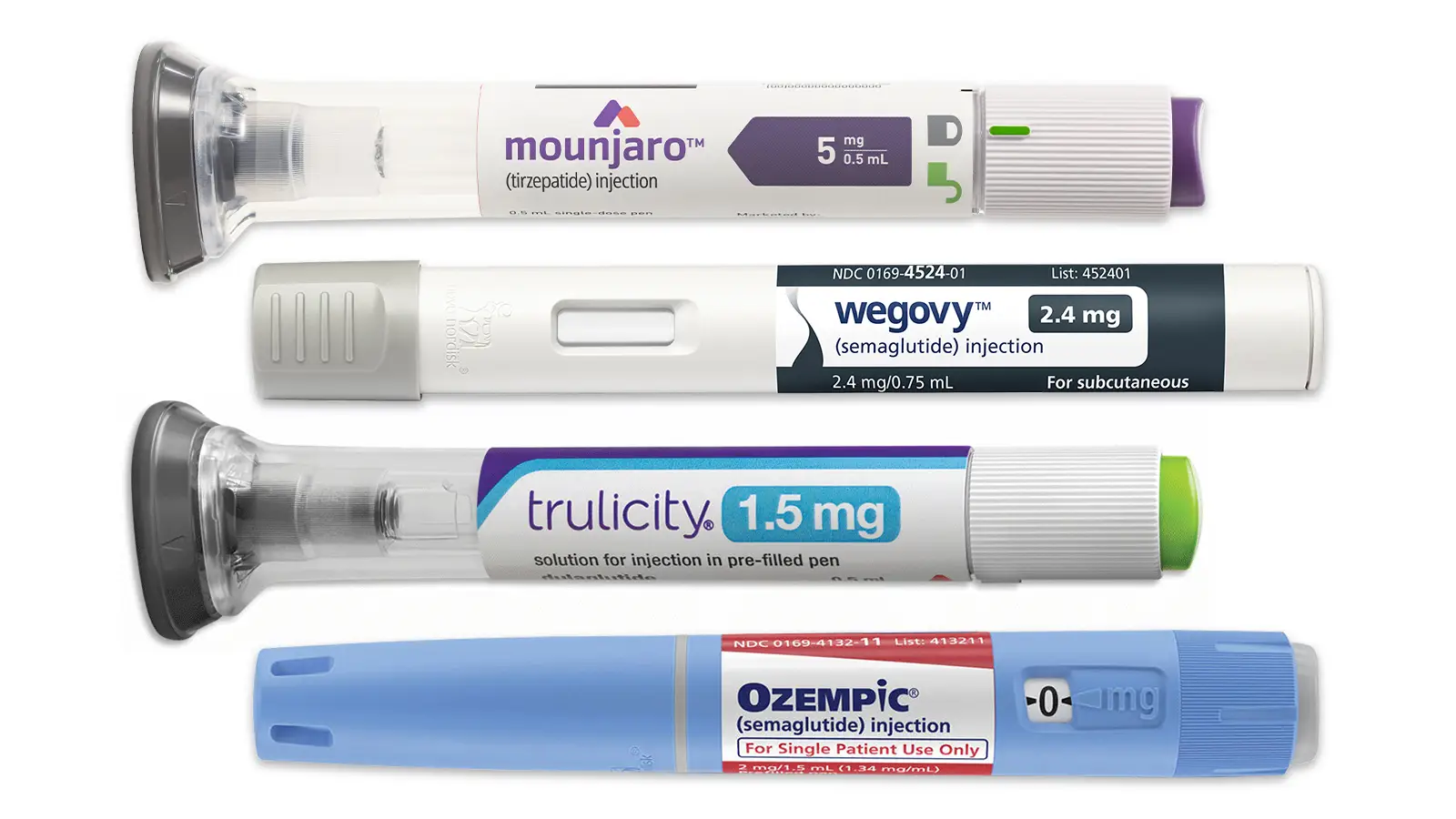
GLP-1 receptor agonists (GLP-1RAs) are medications that mimic the natural effects of GLP-1. These medications have been approved for treating Type 2 diabetes and obesity but have also garnered attention for their potential in addressing addiction. Research suggests that GLP-1RAs may have a significant impact on the brain's reward system, reducing cravings and improving impulse control.