GLP-1 and Lipid Metabolism: Unlocking the Secrets of a Powerful Hormone
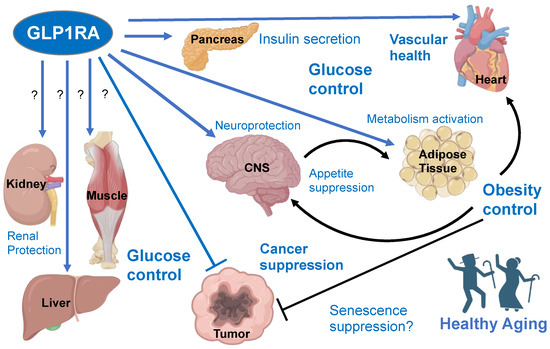
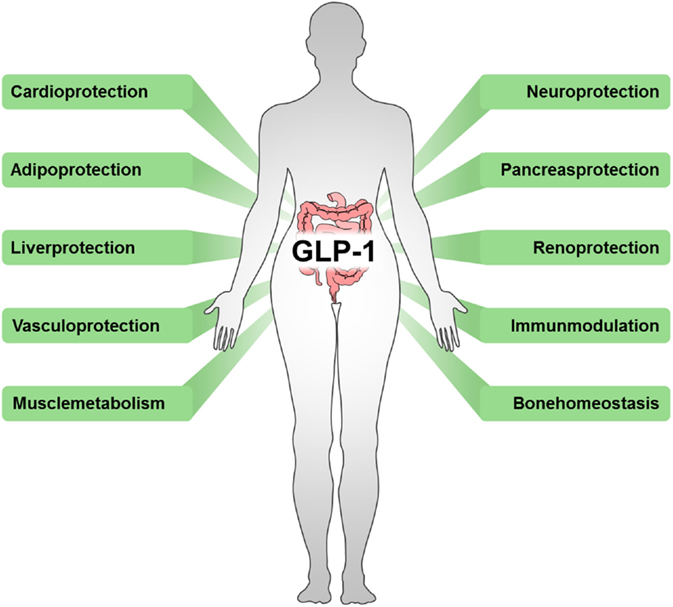
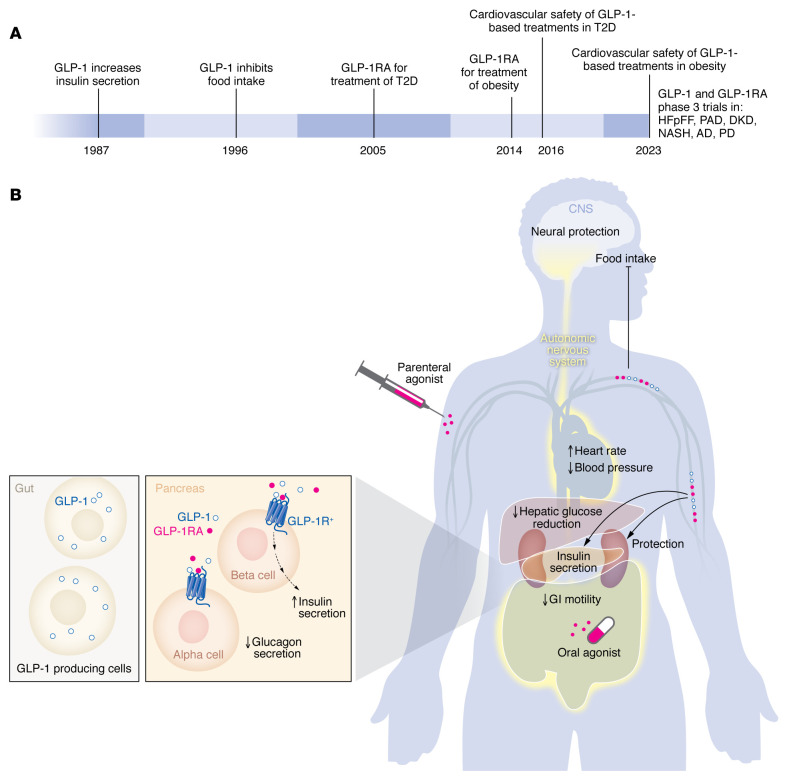
Glucagon-like peptide-1 (GLP-1) is a 30-amino acid peptide hormone that plays a vital role in regulating glucose and lipid metabolism. In recent years, research has revealed that GLP-1 has a profound impact on lipid metabolism, making it a promising target for the treatment of metabolic diseases.
The Complex Relationship Between GLP-1 and Lipid Metabolism
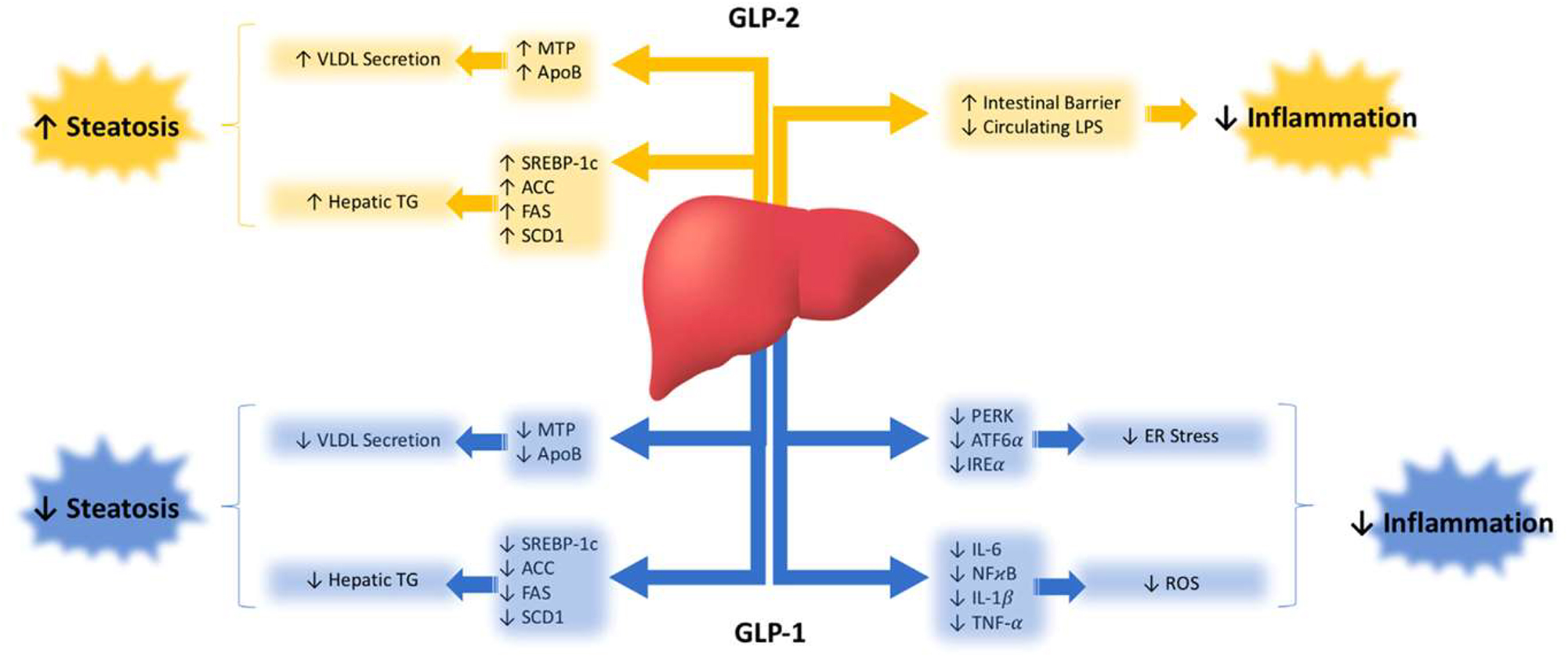
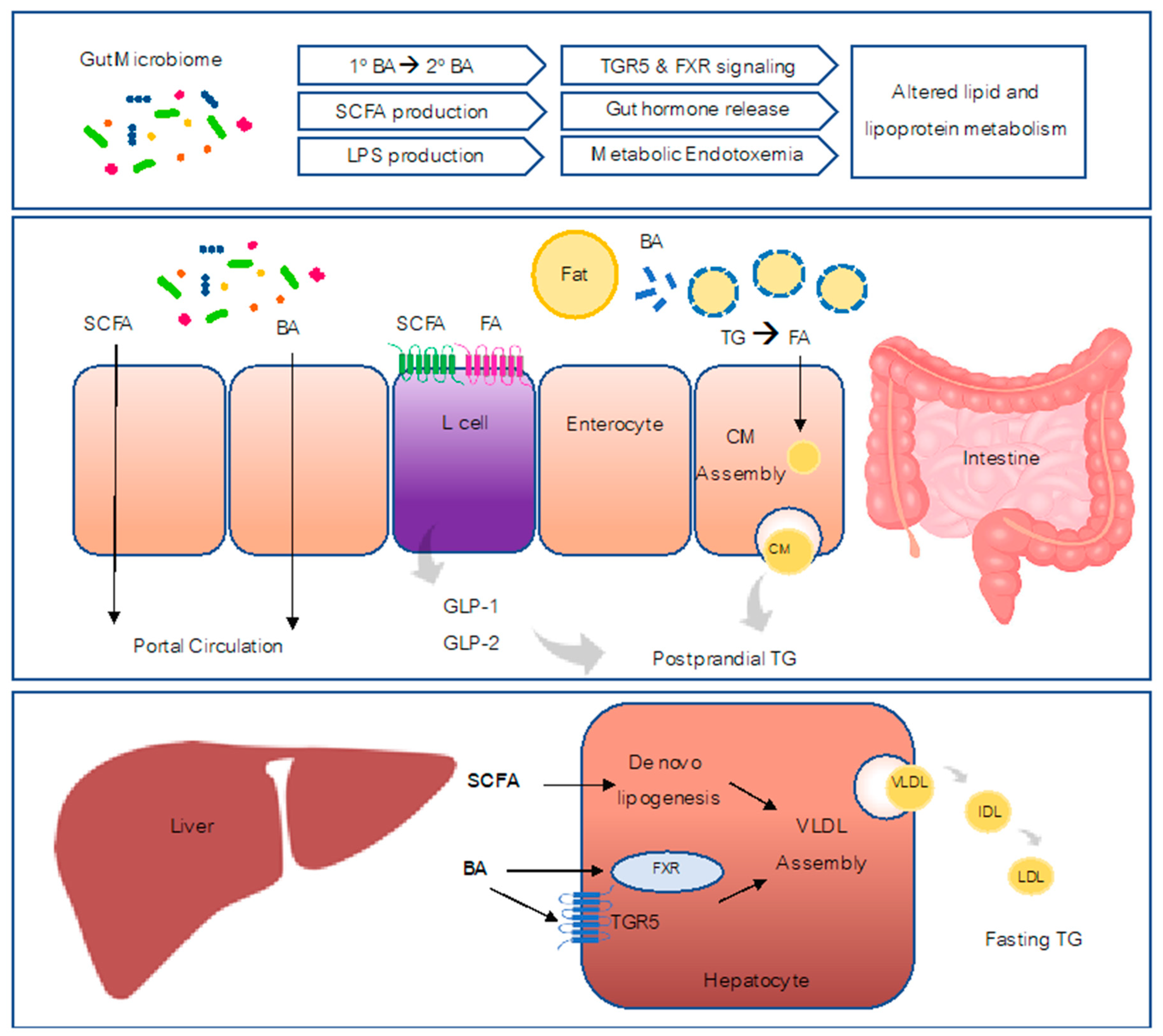
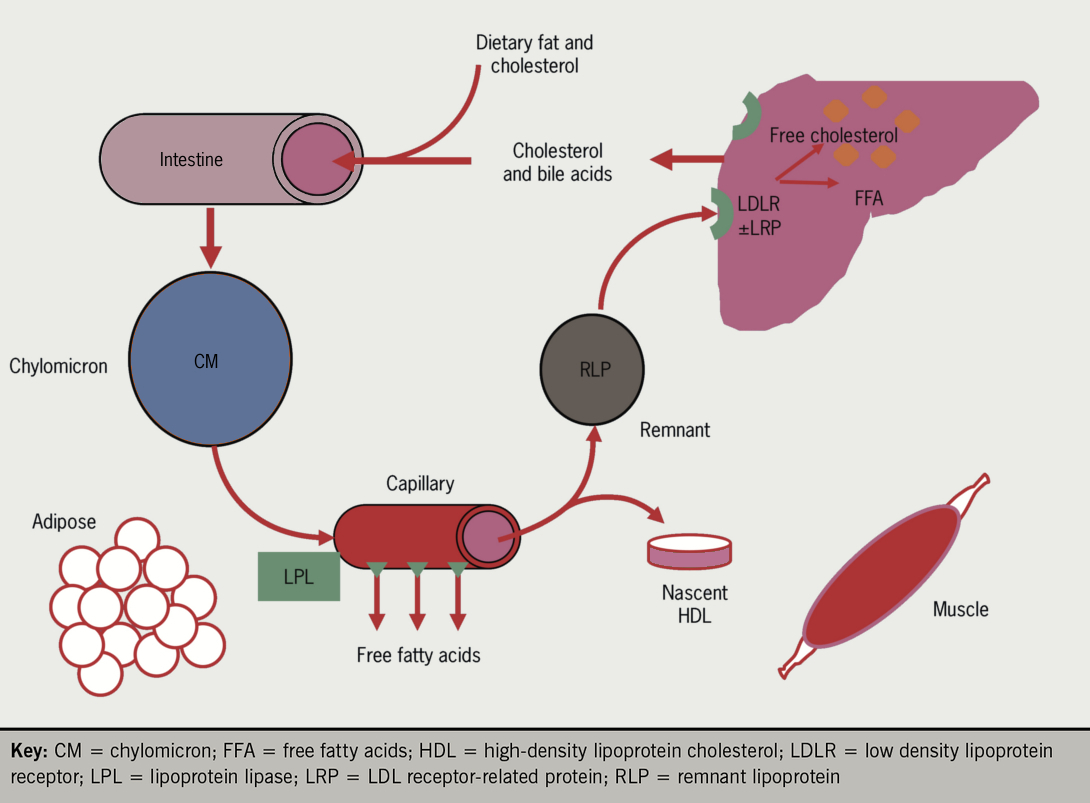
Lipid metabolism is a complex process that involves the breakdown and synthesis of lipids in the body. GLP-1 has been shown to influence lipid metabolism by inhibiting fat synthesis, promoting fat differentiation, enhancing cholesterol metabolism, and promoting the breakdown of fatty acids.

The Effects of GLP-1 on Lipid Metabolism
- Inhibiting fat synthesis: GLP-1 has been shown to inhibit the activity of key enzymes involved in fat synthesis, leading to a reduction in triglyceride levels.
- Promoting fat differentiation: GLP-1 has been shown to promote the differentiation of adipocytes, leading to an increase in fat storage and a reduction in ectopic fat accumulation.
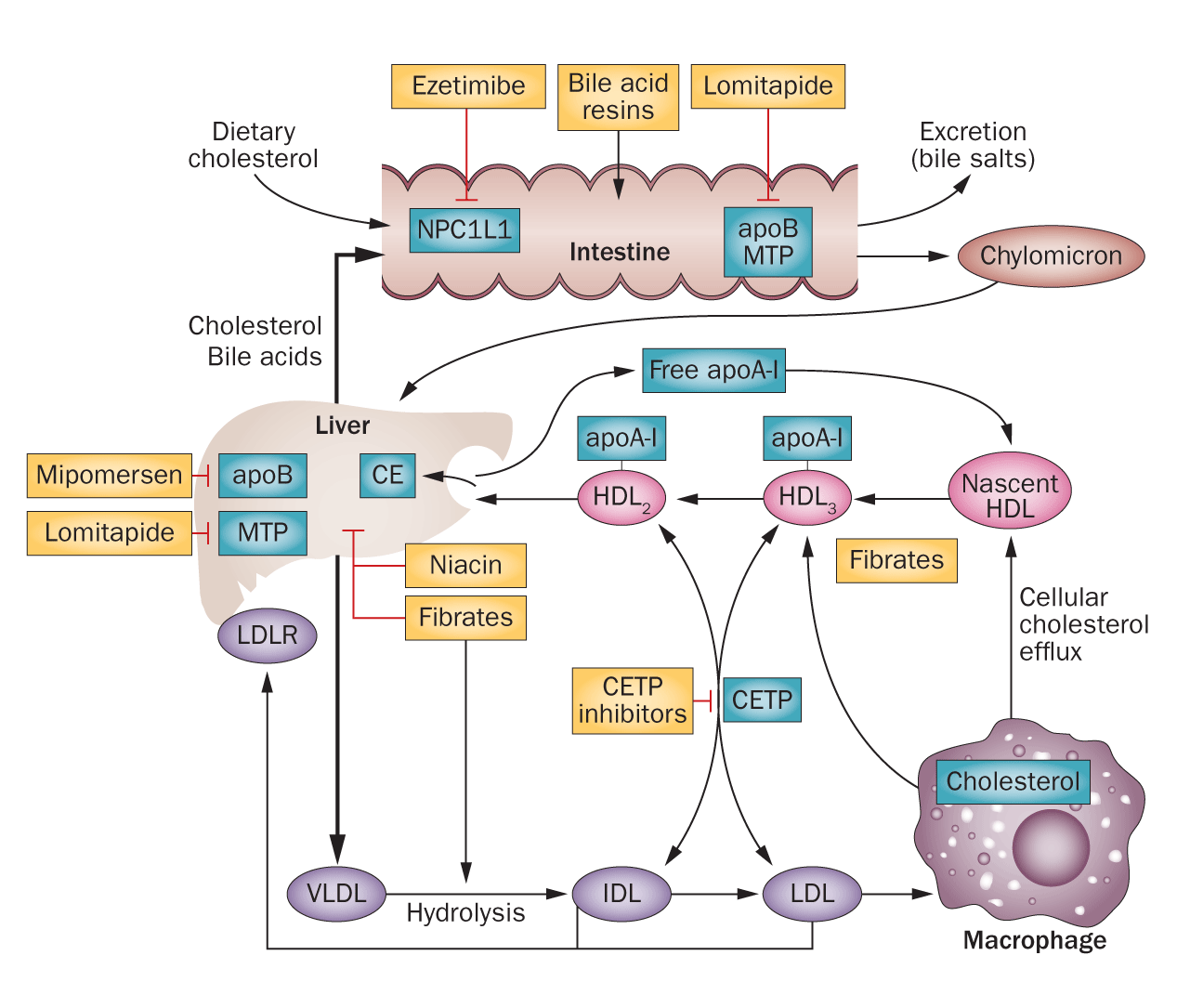
- Enhancing cholesterol metabolism: GLP-1 has been shown to enhance the expression of genes involved in cholesterol metabolism, leading to an increase in high-density lipoprotein (HDL) levels and a decrease in low-density lipoprotein (LDL) levels.
- Promoting fatty acid breakdown: GLP-1 has been shown to promote the breakdown of fatty acids, leading to an increase in fatty acid oxidation and a reduction in fat storage.