GLP-1 and Keto Diet Meal Planning: A Comprehensive Guide
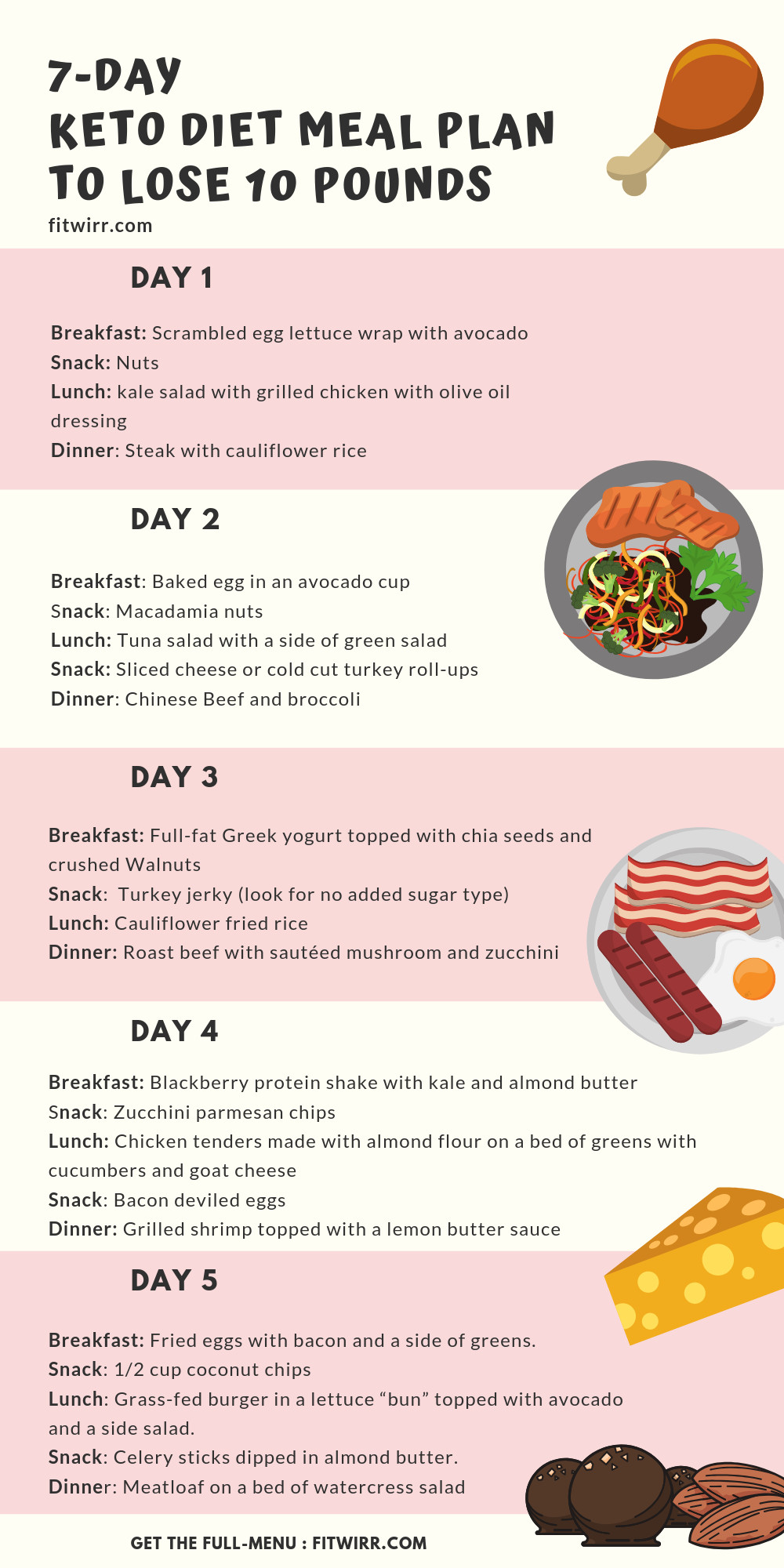
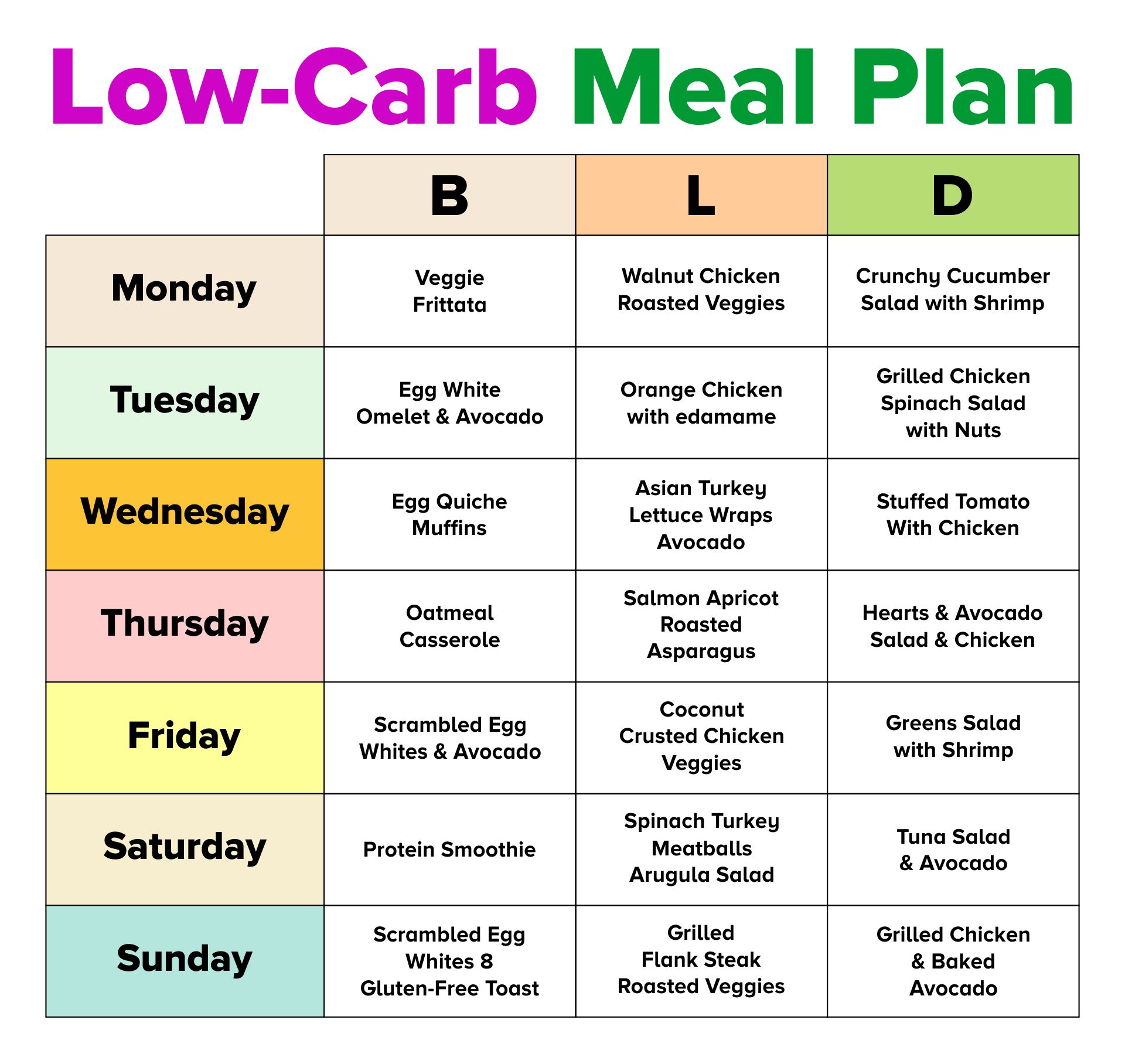
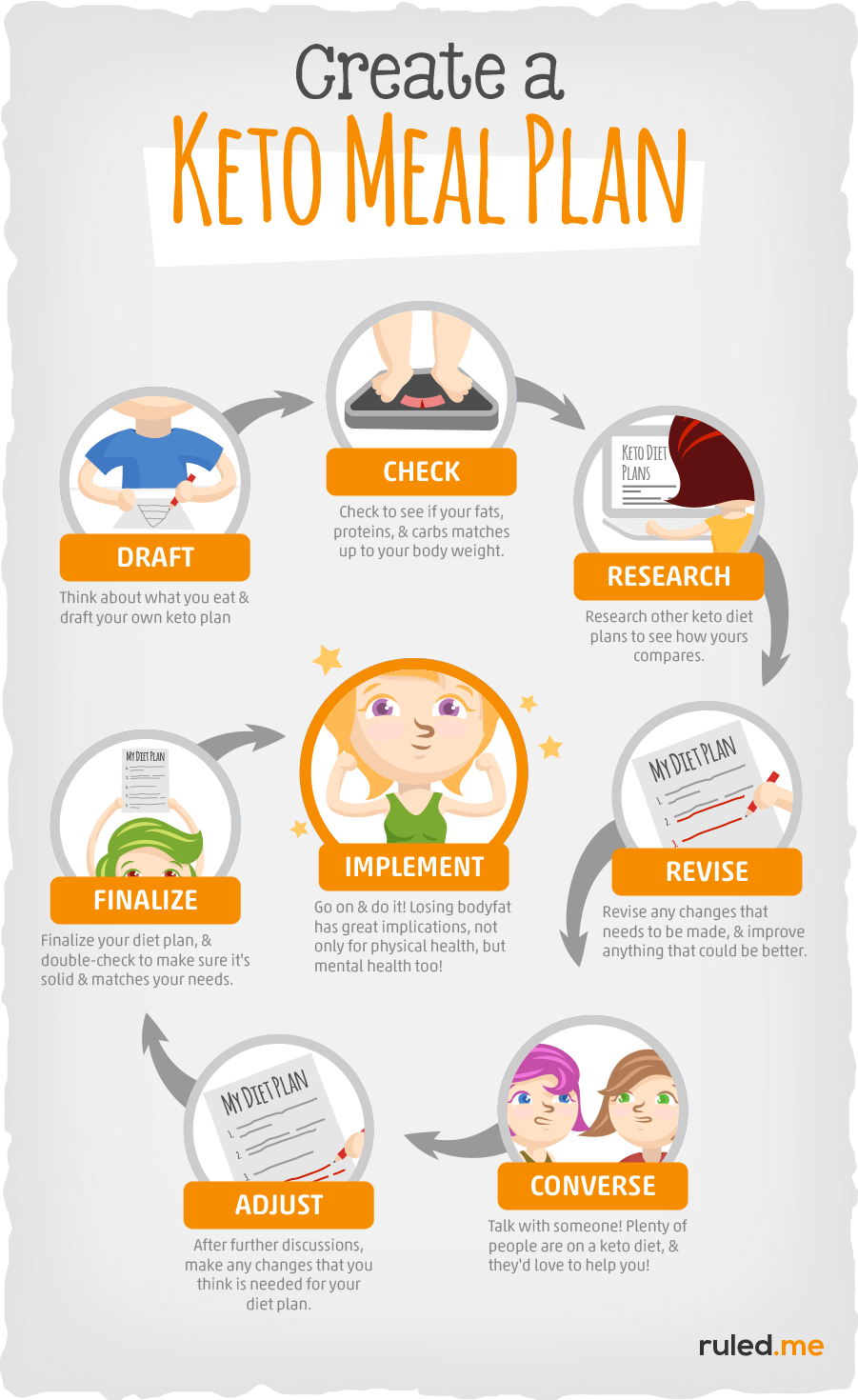
The ketogenic diet, or "keto diet," has gained popularity in recent years due to its potential for weight loss and improved metabolic health. When combined with GLP-1 (glucagon-like peptide-1) medications, the keto diet can be a powerful tool for achieving weight loss and improved glycemic control. However, careful meal planning is essential to ensure that the keto diet is safe and effective when used in conjunction with GLP-1 medications.
Understanding GLP-1 Medications
GLP-1 medications, such as semaglutide and tirzepatide, work by slowing gastric emptying, reducing appetite, and improving insulin sensitivity. These medications have been shown to be effective for weight loss and improved glycemic control in individuals with type 2 diabetes. However, they can also cause side effects such as nausea, constipation, and vomiting, particularly when taken on an empty stomach.

The Keto Diet and GLP-1 Medications
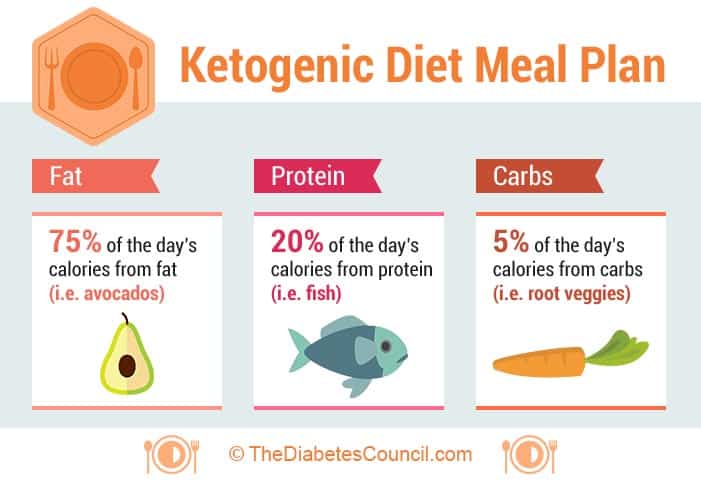
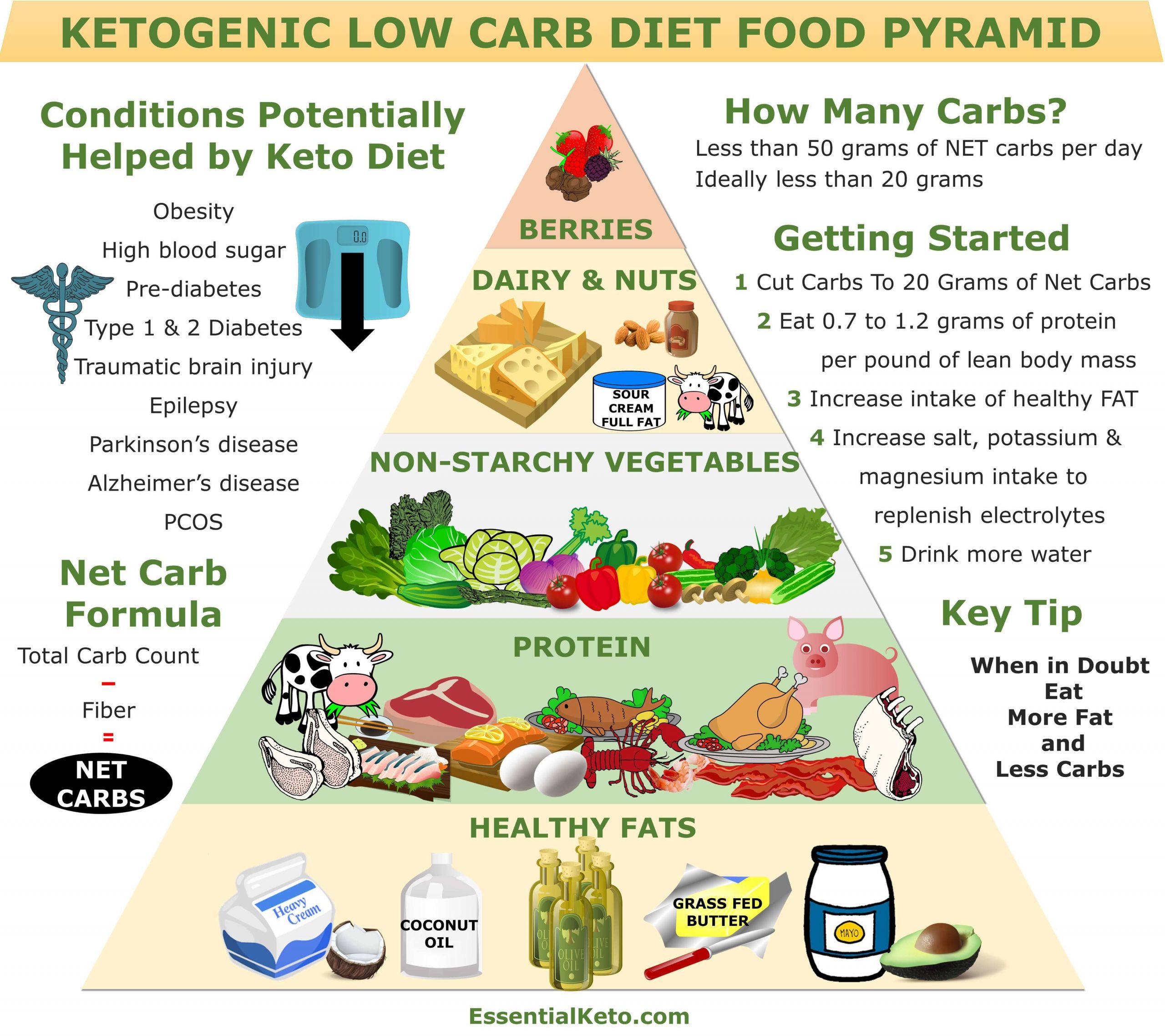
The keto diet is a high-fat, low-carbohydrate diet that has been shown to be effective for weight loss and improved metabolic health. When combined with GLP-1 medications, the keto diet can help to mitigate the side effects associated with these medications, such as nausea and constipation. However, careful meal planning is essential to ensure that the keto diet is safe and effective when used in conjunction with GLP-1 medications.