Unlock the Powerful Link: GLP-1 and Gut Microbiome for Improved Calorie Regulation
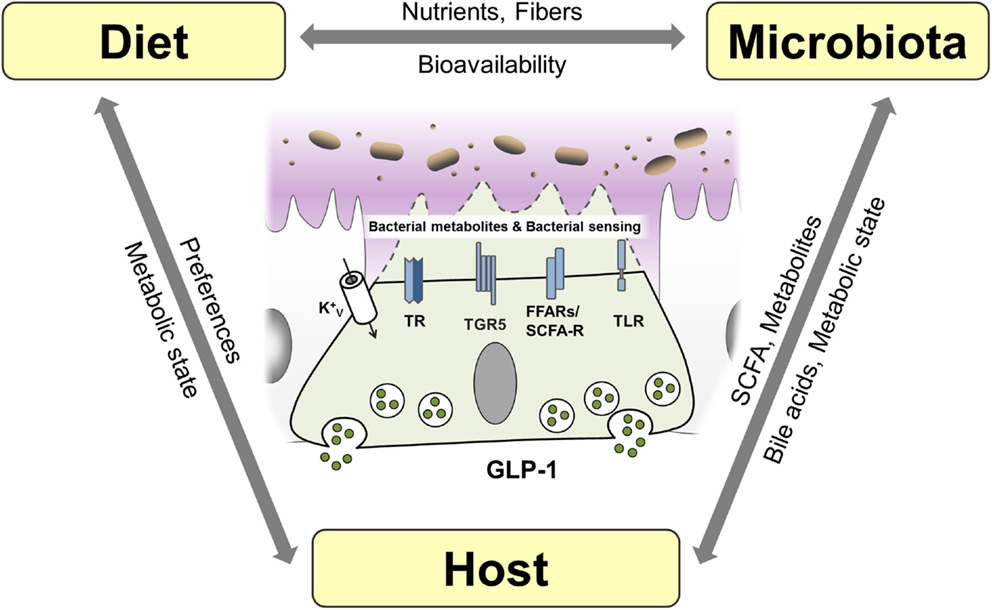
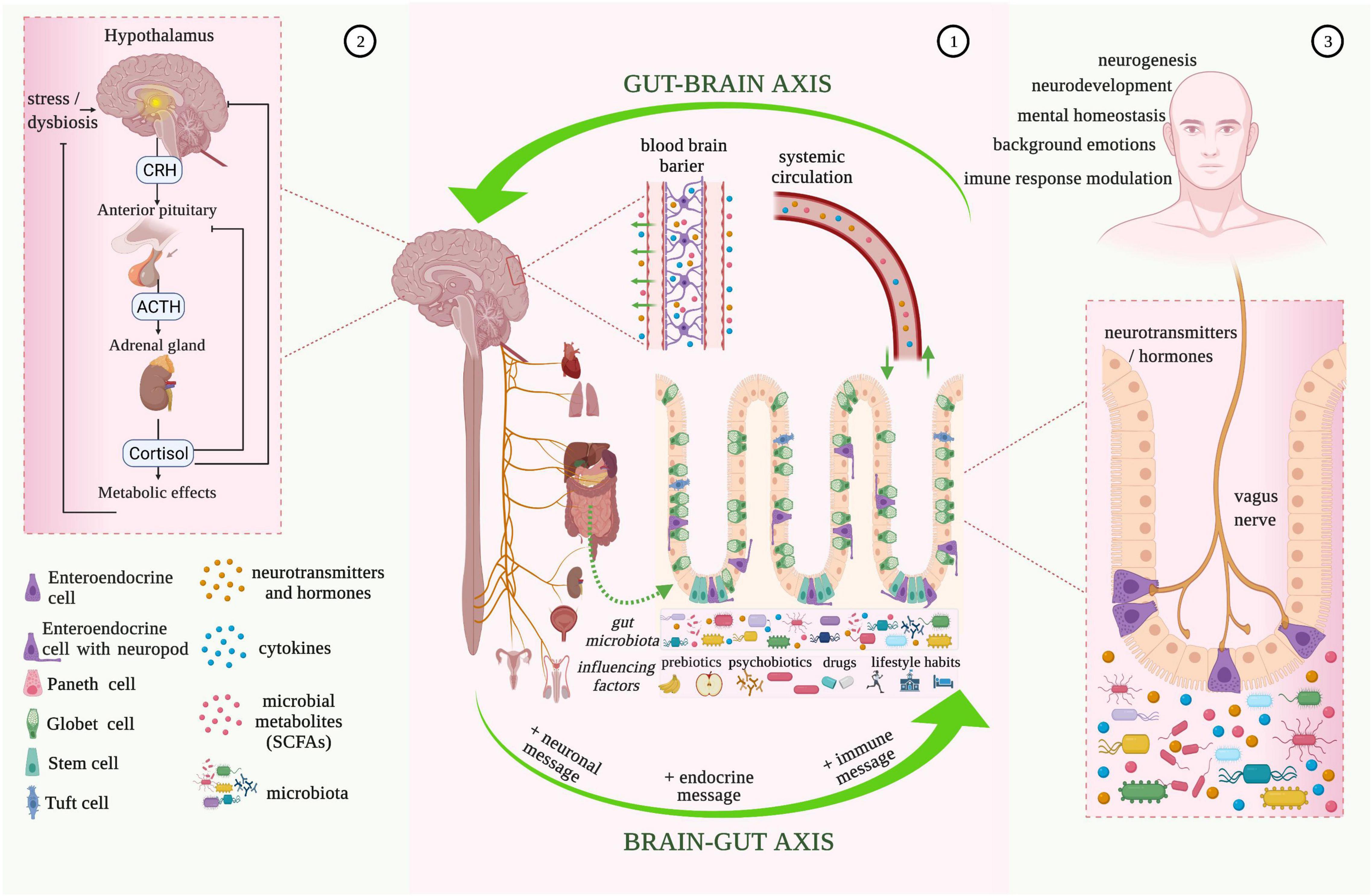
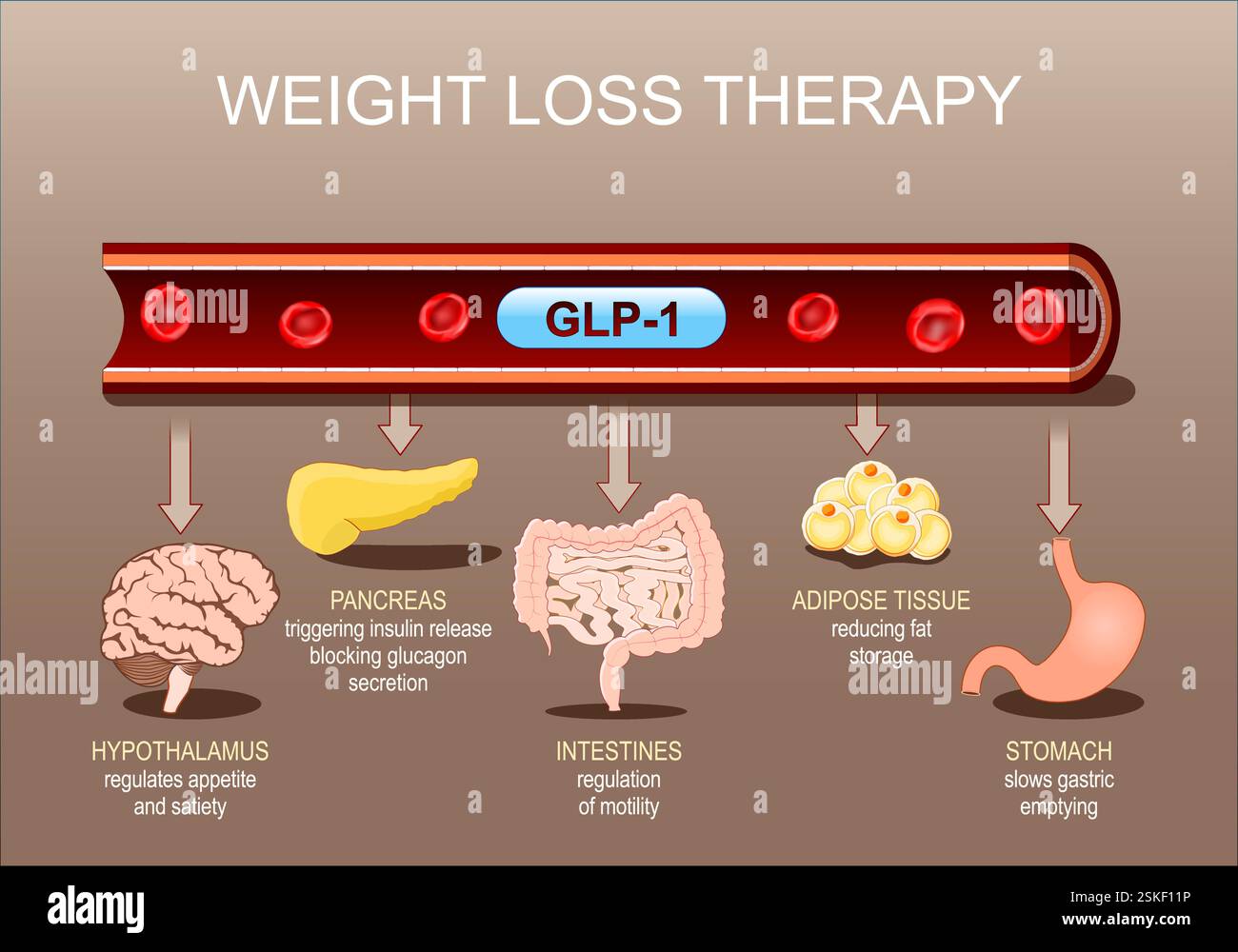
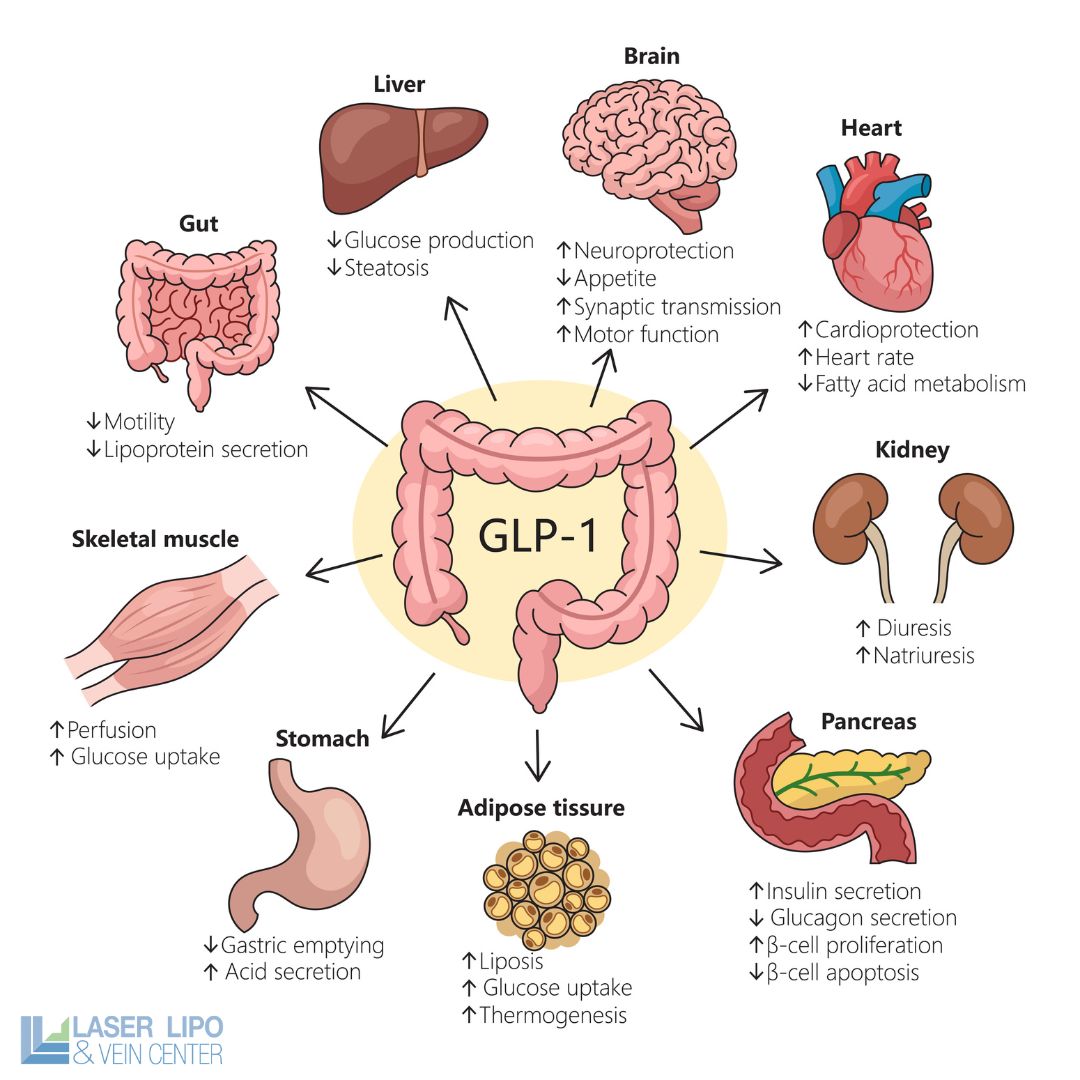
The intricate dance between our gut microbiome and hormones is a fascinating area of research, particularly when it comes to calorie regulation. GLP-1 (Glucagon-like peptide-1), a natural hormone primarily produced by L cells in the gut, plays a crucial role in regulating appetite, blood sugar levels, and energy balance. What's more, emerging evidence suggests that our gut microbiome has a profound impact on GLP-1 production, making the connection between the two a pivotal area of focus for metabolic health.
The Complex Dynamics of the Gut Microbiome
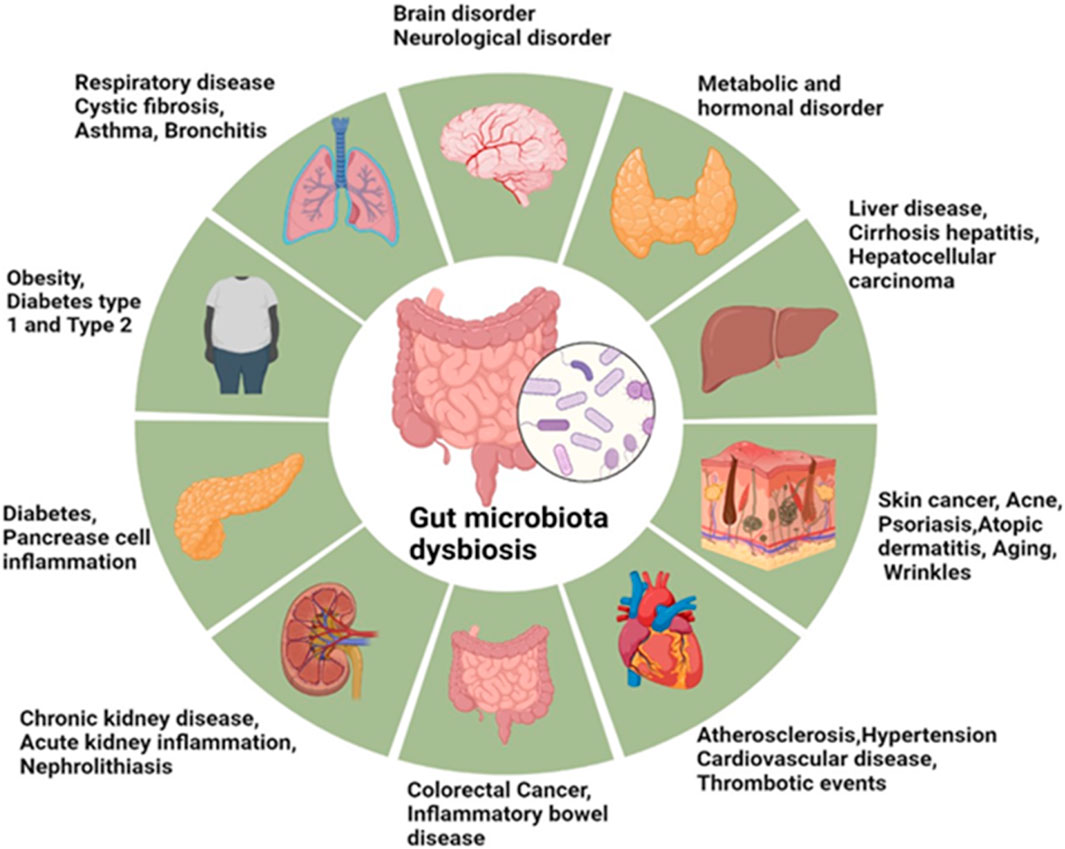
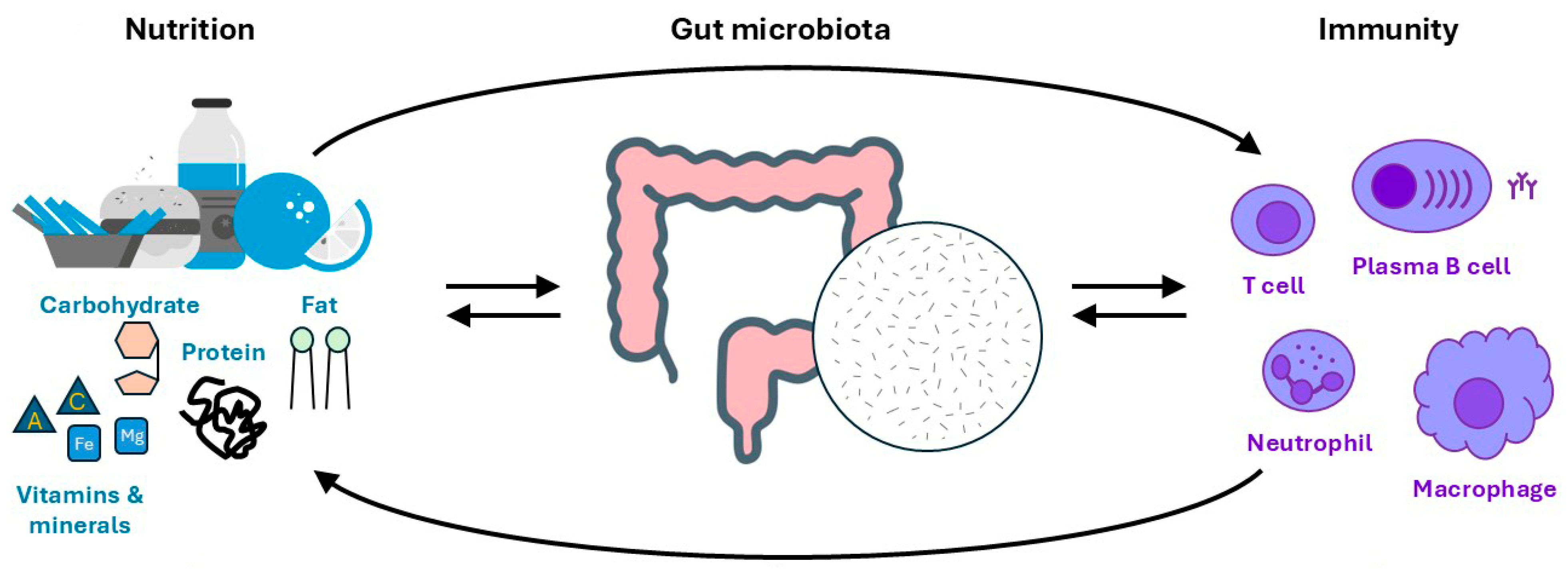
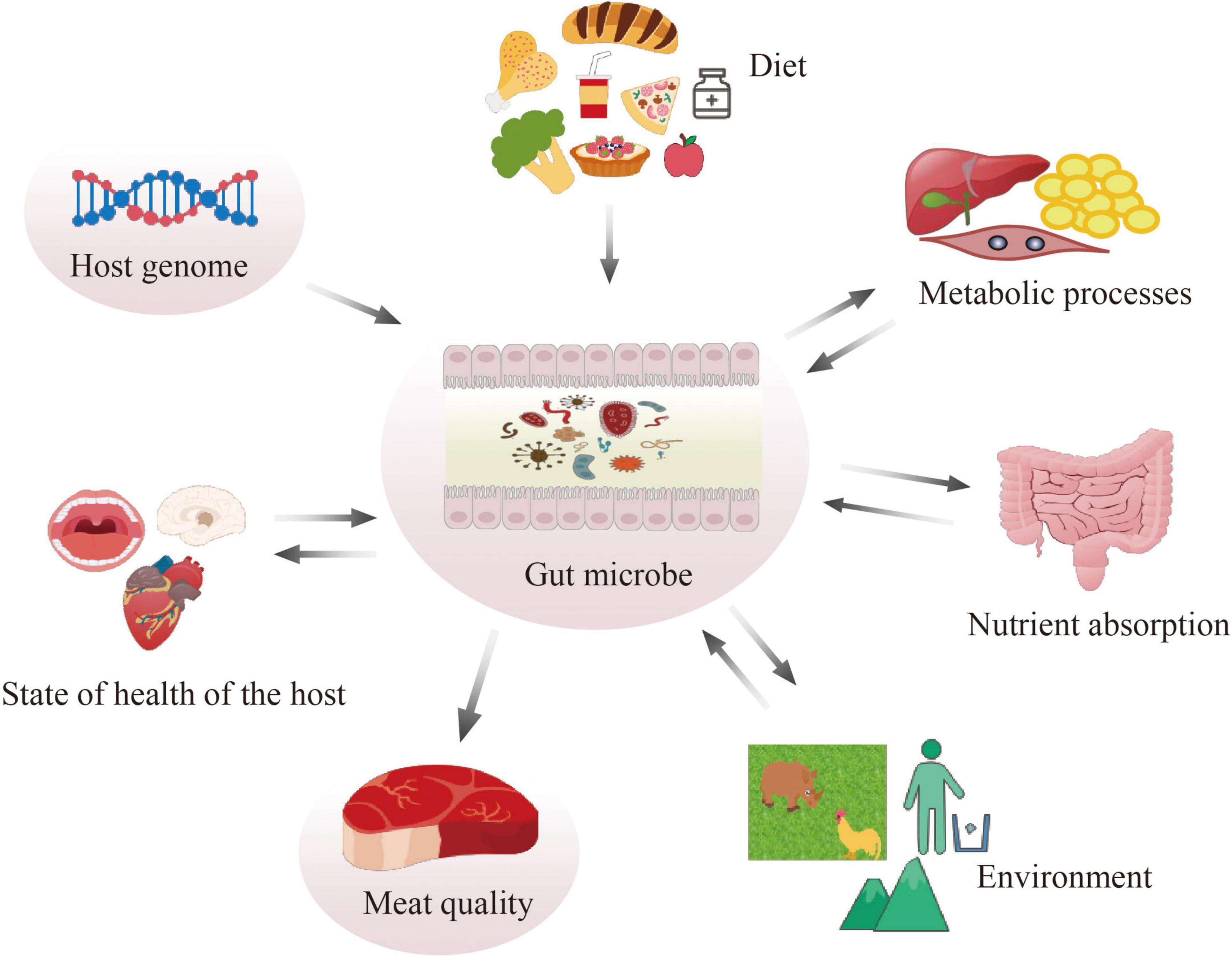
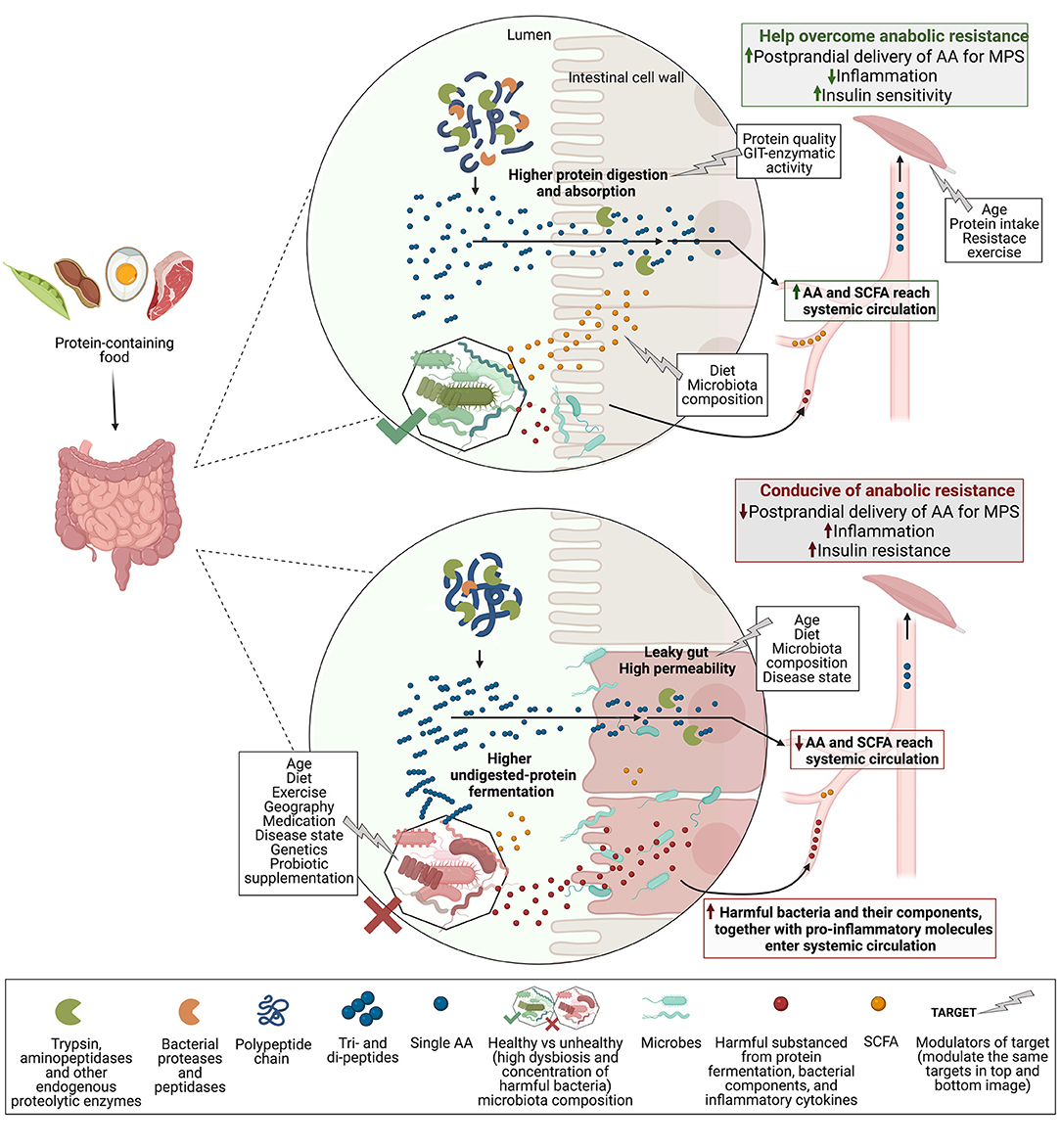
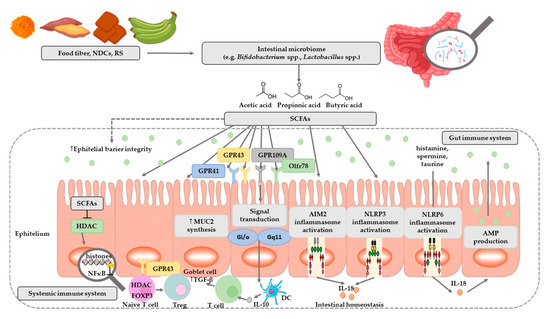
The human gut microbiome is a complex ecosystem of trillions of microorganisms that reside in the gastrointestinal tract. This microbe-rich environment plays a significant role in human health, particularly in metabolic regulation. Research has shown that changes in the gut microbiome can influence various bodily processes, including:

- Gastrointestinal mucosal permeability
- Bile acid metabolism
- Short-chain fatty acid synthesis
- Dietary fiber fermentation
- Farnesoid X receptor/Takeda G protein-coupled receptor 5 (TGR5) signal transduction
The Incretin GLP-1: A Key Player in Calorie Regulation
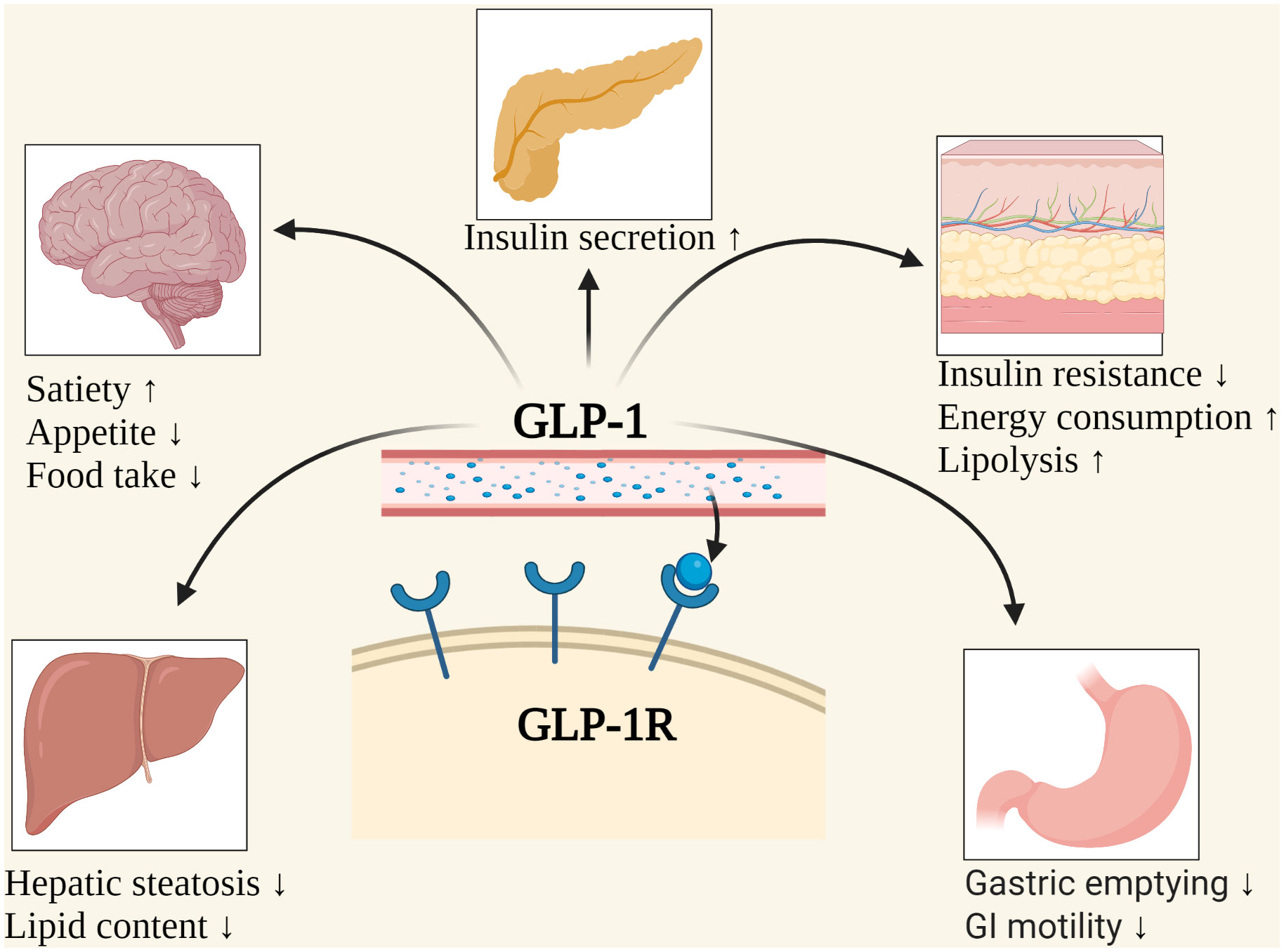
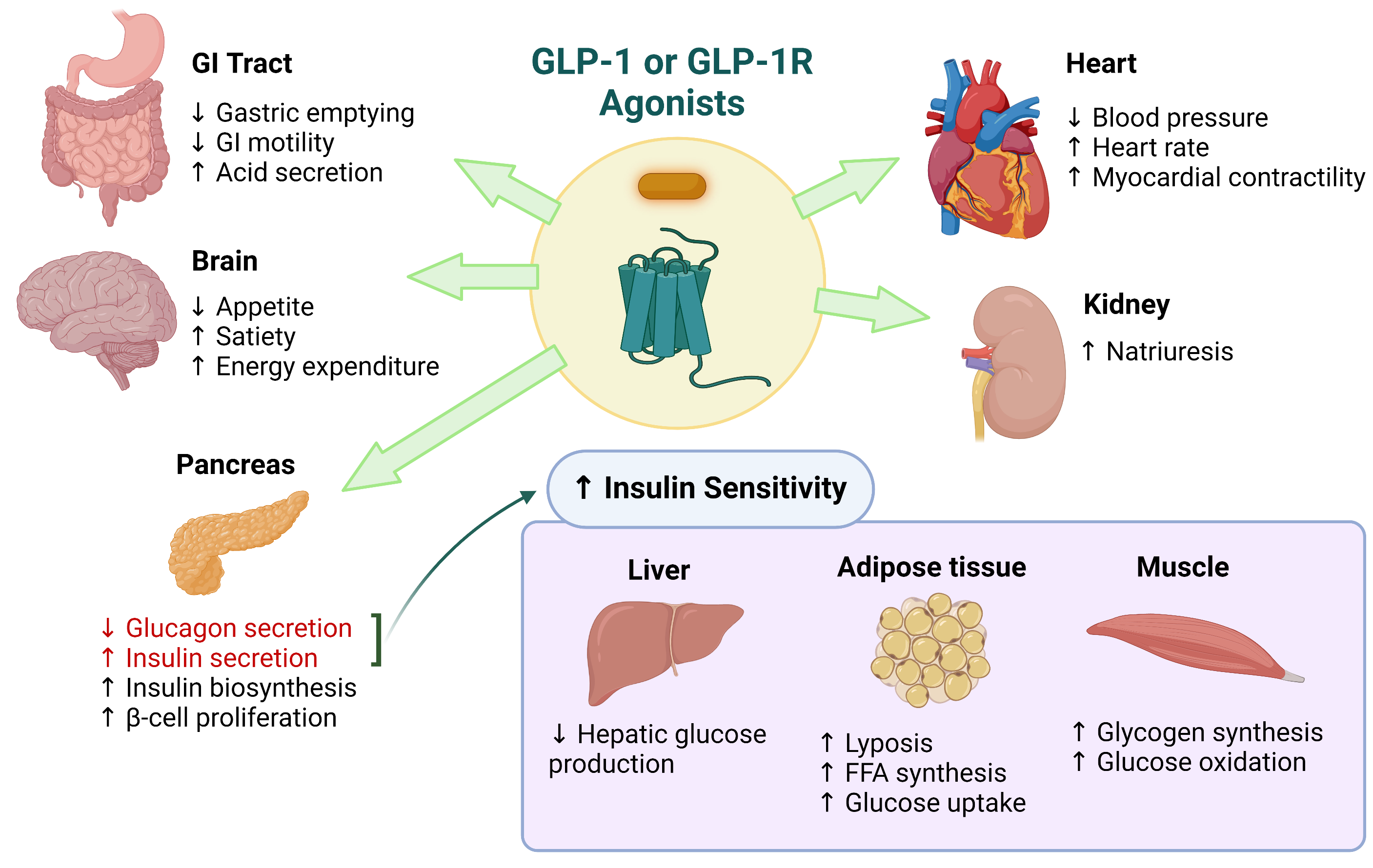
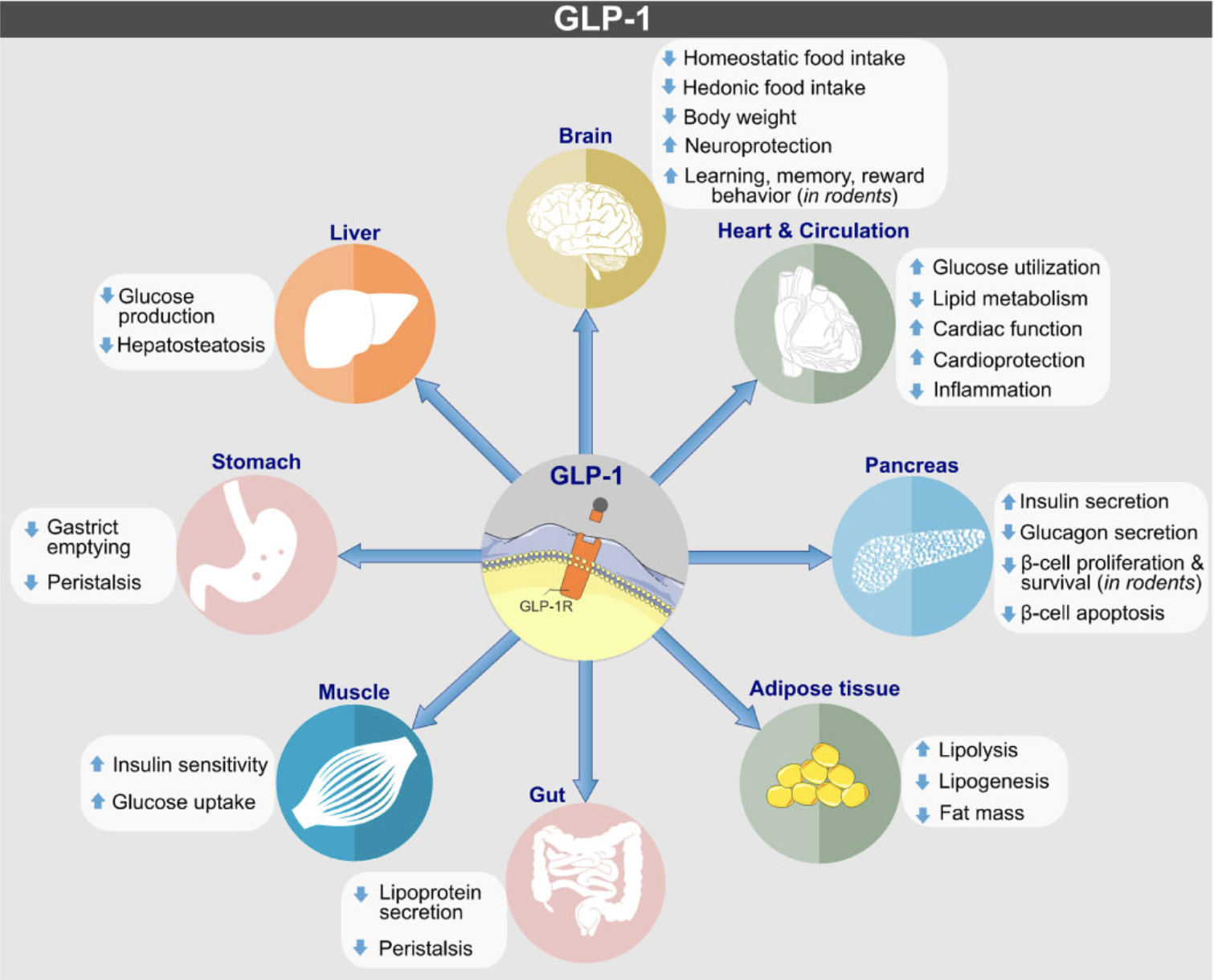
GLP-1 is a peptide hormone primarily secreted by L cells in the gut that regulates postprandial (after-meal) blood glucose levels. It also plays a crucial role in calorie regulation by influencing food intake, absorption, and storage. In healthy individuals, GLP-1 production is triggered after a meal, helping to slow gastric emptying, reduce glucagon levels, and promote satiety.