Unlock the Power of GLP-1 Analogues and Intermittent Fasting for Weight Loss
The quest for effective weight loss has led many to explore innovative solutions, and two approaches are gaining significant attention: GLP-1 analogues and intermittent fasting. While both methods have their roots in scientific research, combining them may hold the key to sustainable weight loss and improved metabolic health.
What are GLP-1 Analogues?
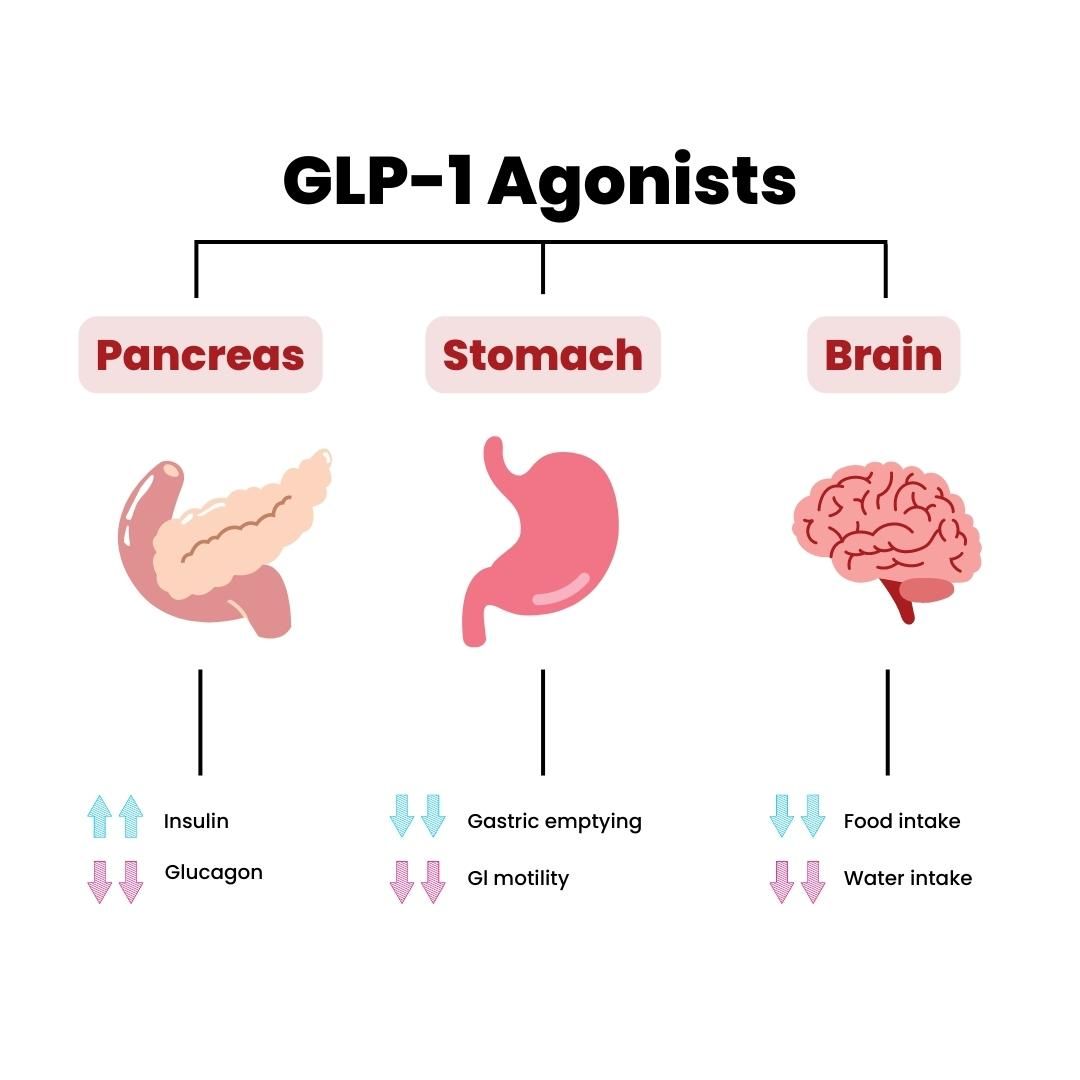
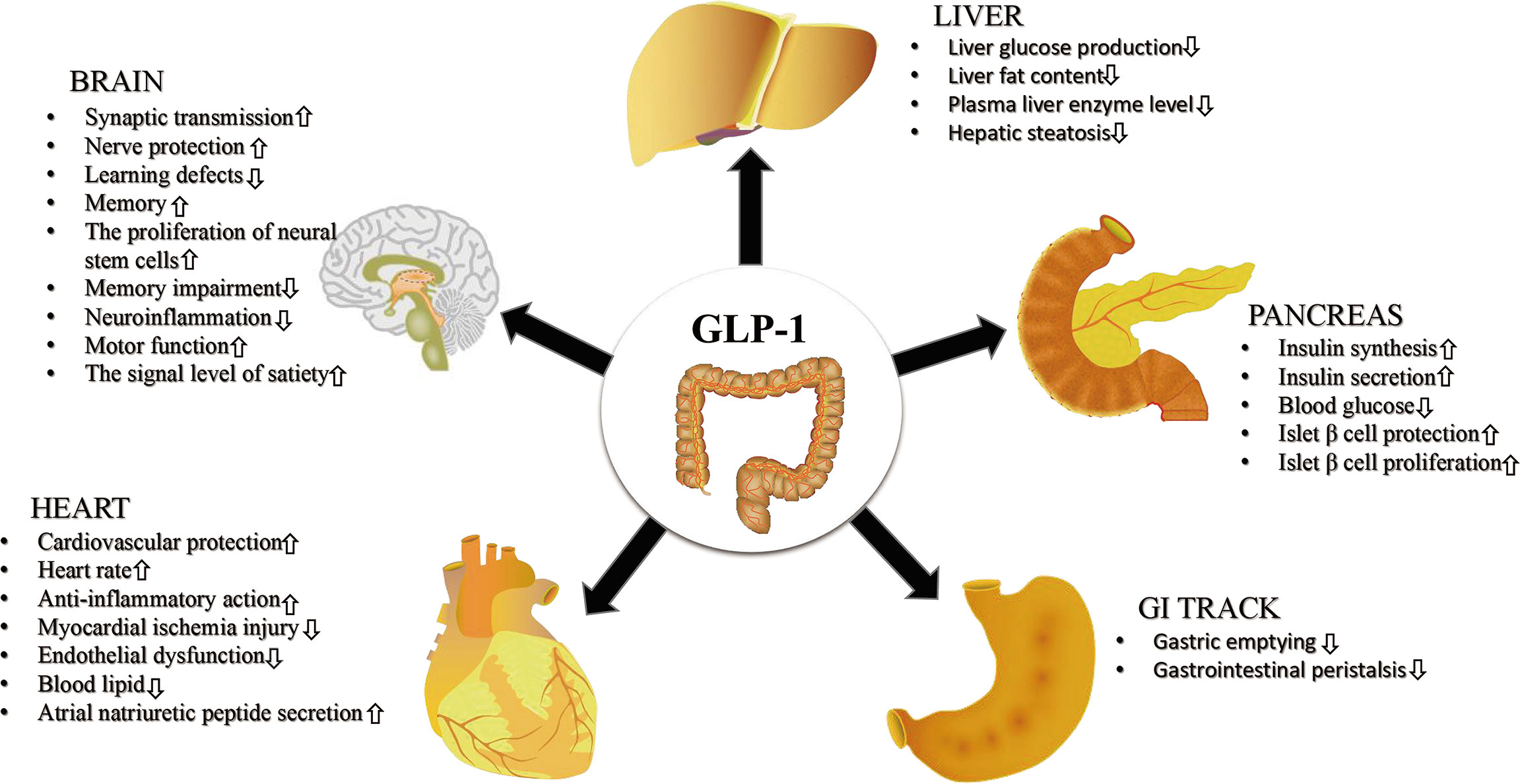
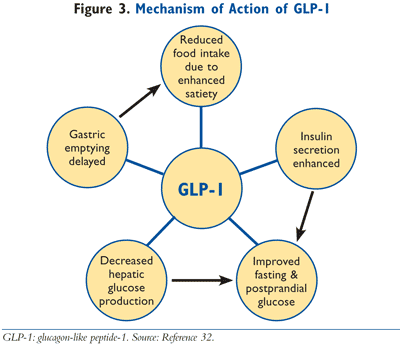
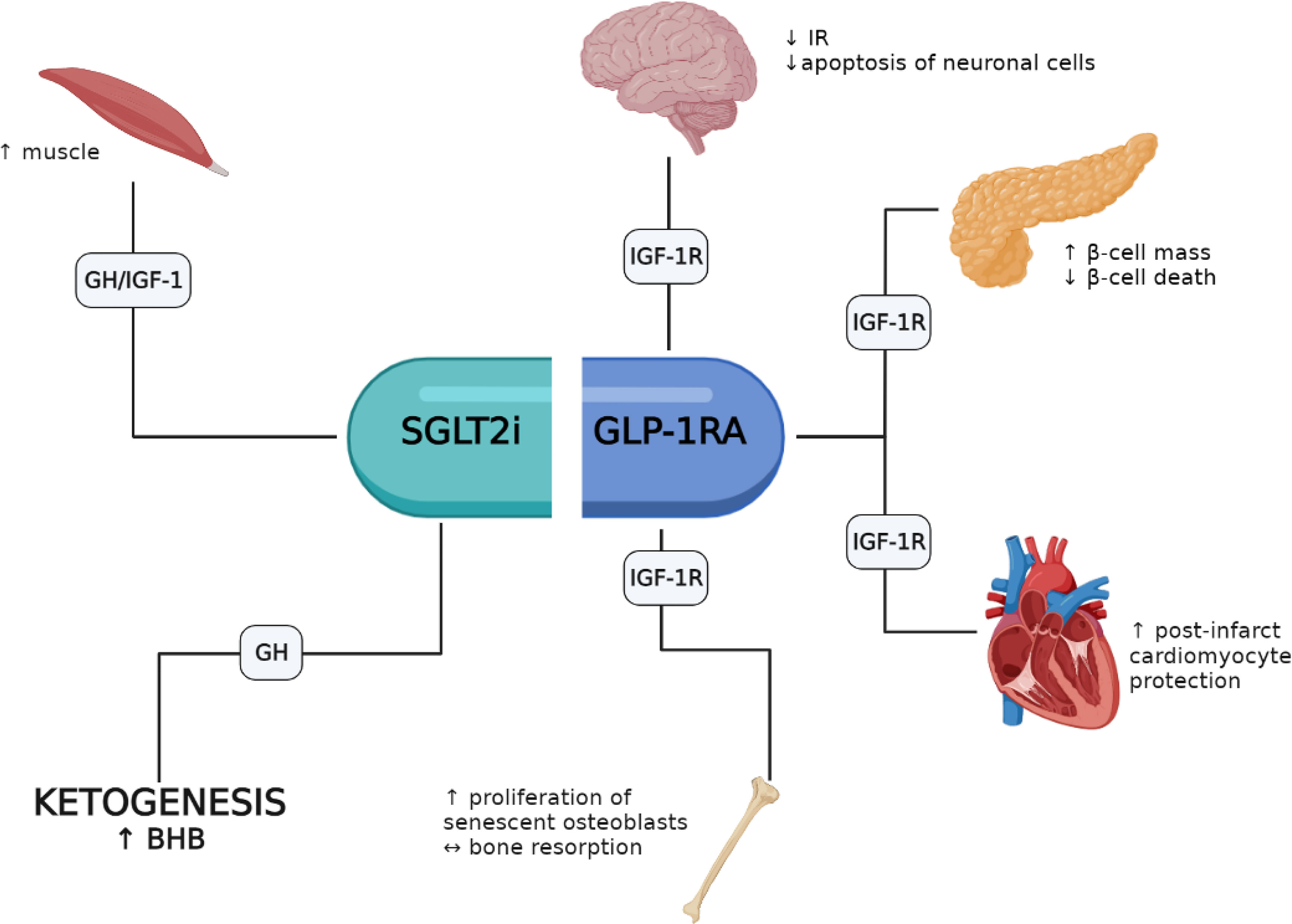
GLP-1 (Glucagon-Like Peptide-1) analogues are synthetic medications that mimic the natural hormone GLP-1, which is involved in glucose regulation and appetite suppression. These medications, such as semaglutide (Ozempic) and liraglutide (Saxenda), stimulate insulin secretion, suppress glucagon release, delay gastric emptying, and promote weight loss.
The Science Behind GLP-1 Analogues

- Stimulates insulin secretion and glucose-dependent insulin secretion
- Suppresses glucagon release, which helps regulate blood sugar levels
- Delays gastric emptying, leading to a feeling of fullness and reduced calorie intake
- Increases feelings of satiety and reduces hunger
What is Intermittent Fasting?
Intermittent fasting (IF) is a eating pattern that involves restricting calorie intake for a designated period, typically 16-24 hours, and eating within a specific window. The most common forms of IF are the 16:8 method, where you fast for 16 hours and eat within an 8-hour window.