Unlocking the Power of GLP-1 Agonist and Appetite Suppression: A Comprehensive Guide
Glucagon-like peptide 1 (GLP-1) agonist and appetite suppression have revolutionized the treatment of obesity and type 2 diabetes, offering a novel approach to managing weight and metabolic health. The complex interplay between GLP-1 signaling, appetite regulation, and metabolic pathways has sparked intense research, resulting in the development of effective medications that harness the therapeutic potential of GLP-1. In this article, we delve into the mechanisms underlying GLP-1 agonist and appetite suppression, exploring the latest advances in this rapidly evolving field.
GLP-1 Agonist: A Glimpse into the Mechanisms
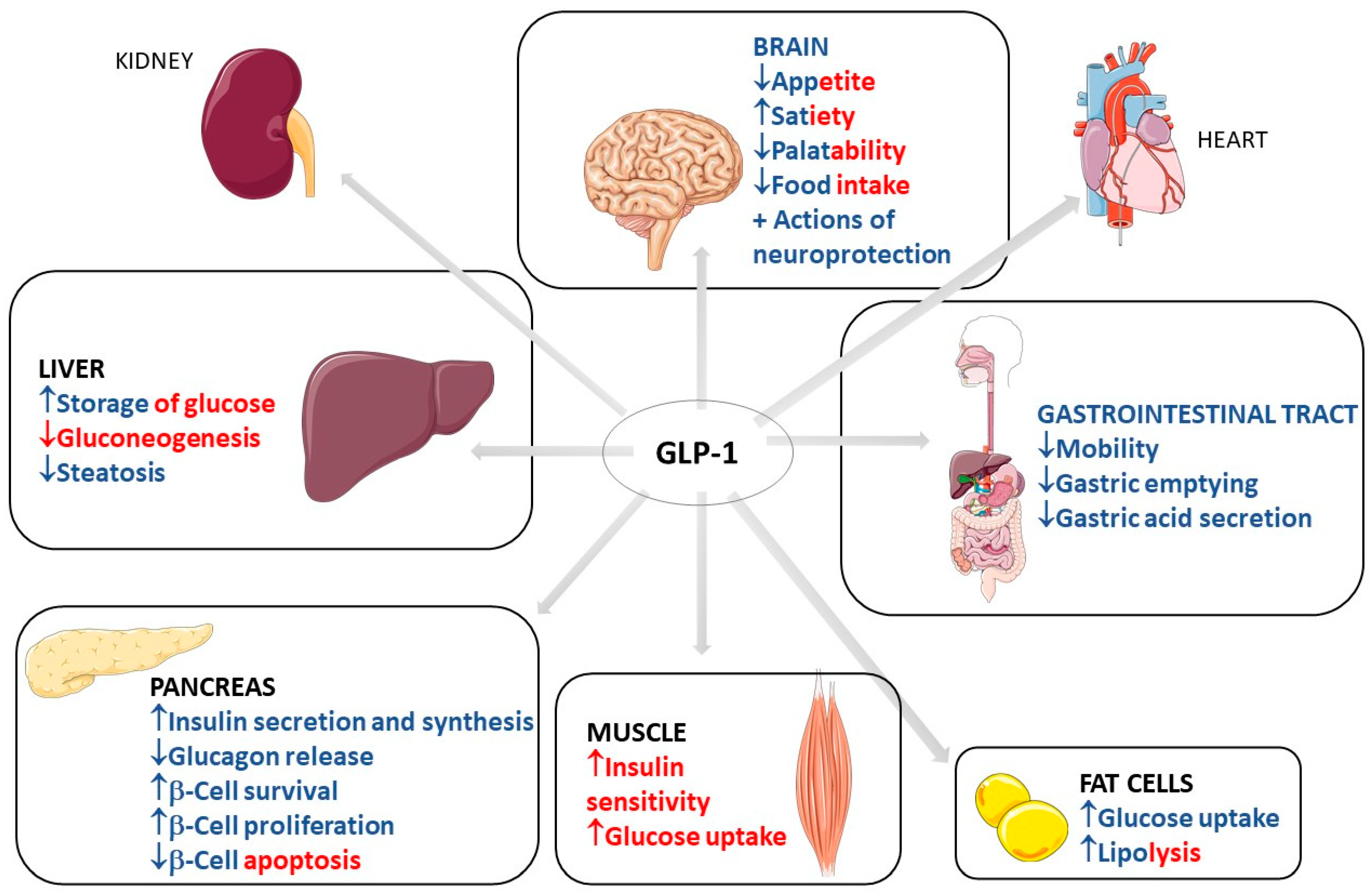
- GLP-1 is a gut hormone that regulates blood sugar levels, insulin sensitivity, and appetite control.
- The hormone is released in response to food and acts on receptors throughout the body, influencing glucose homeostasis and energy balance.
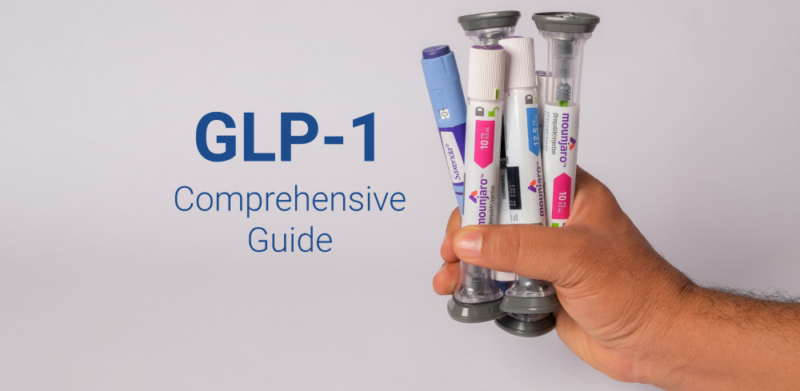
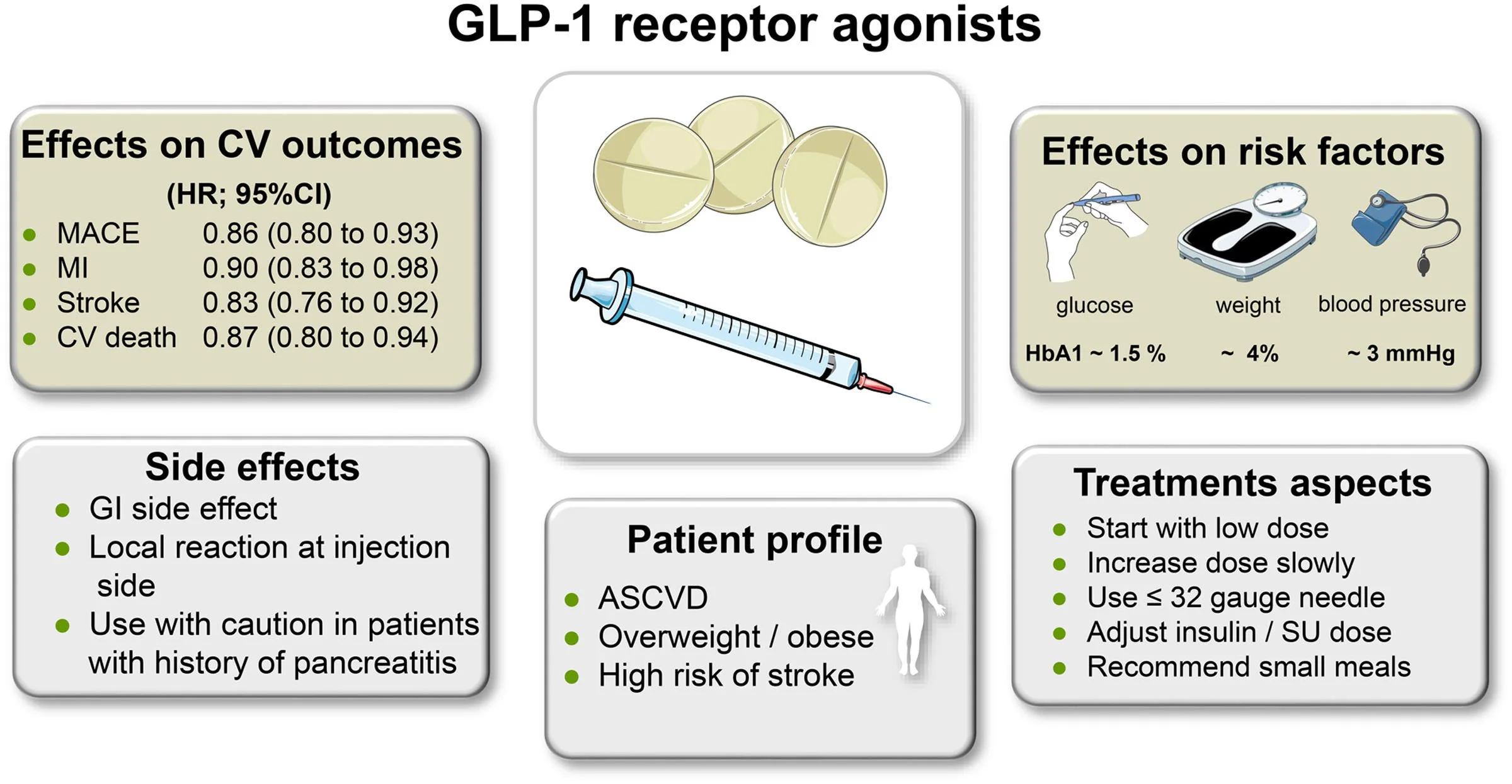
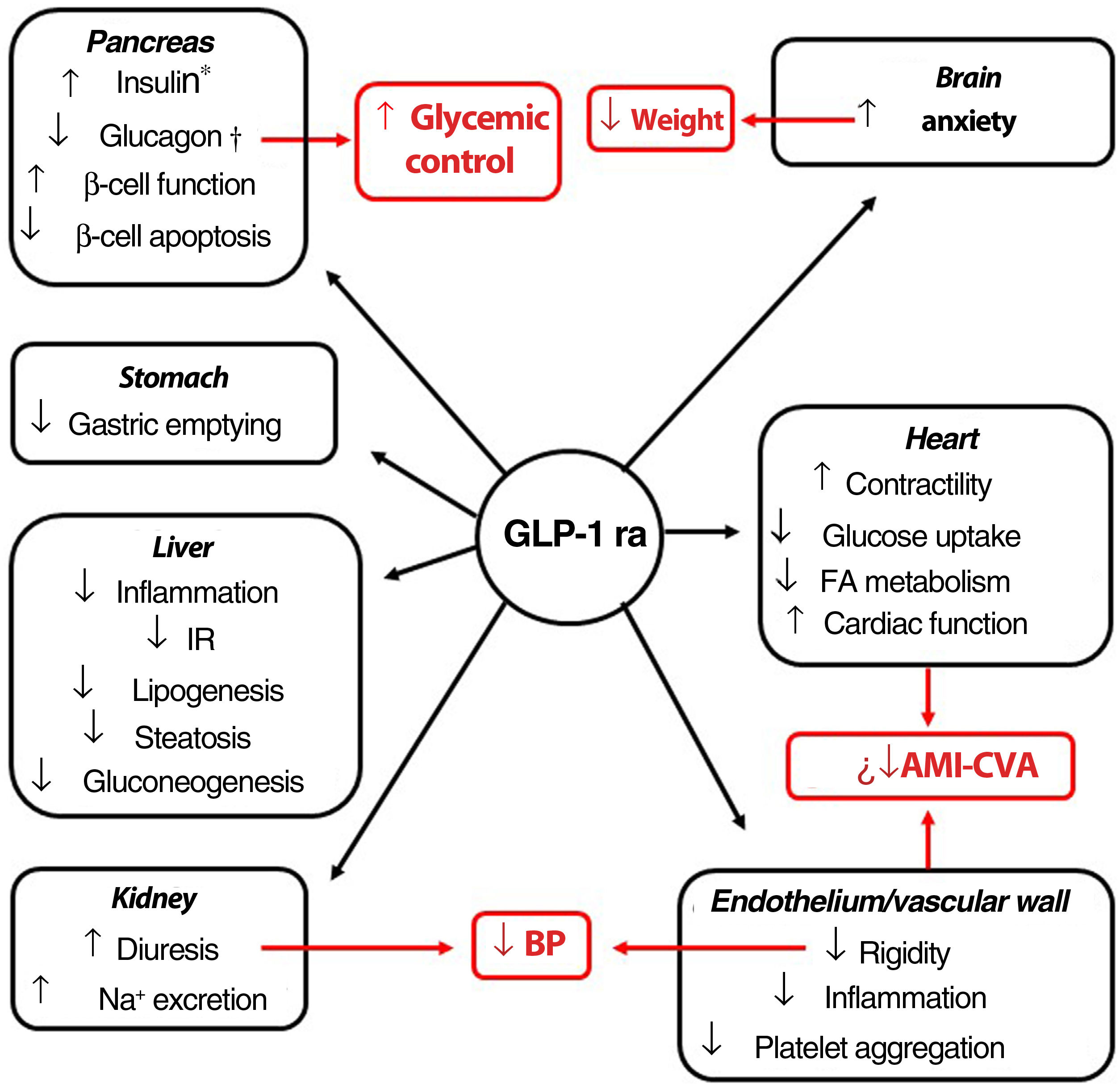
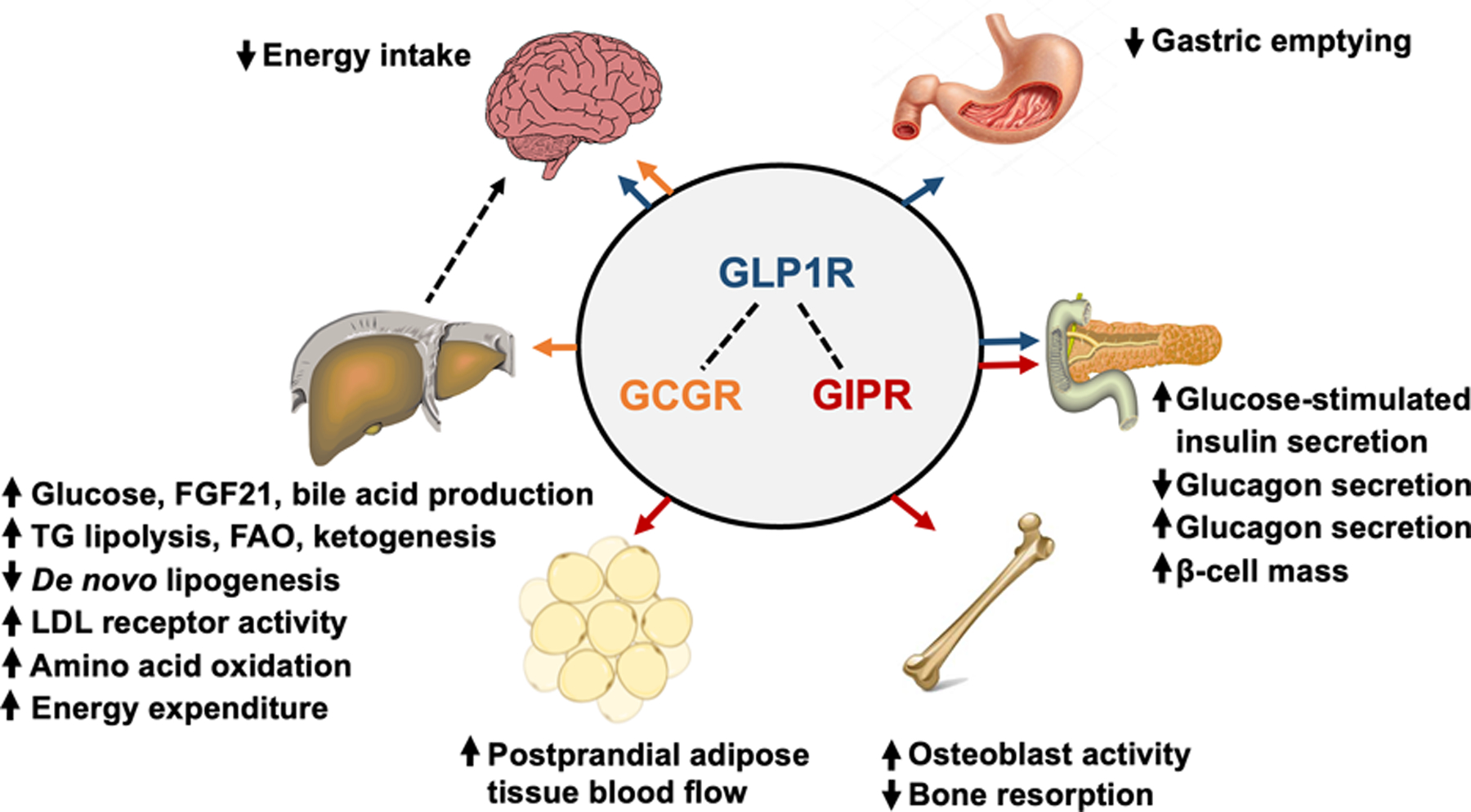
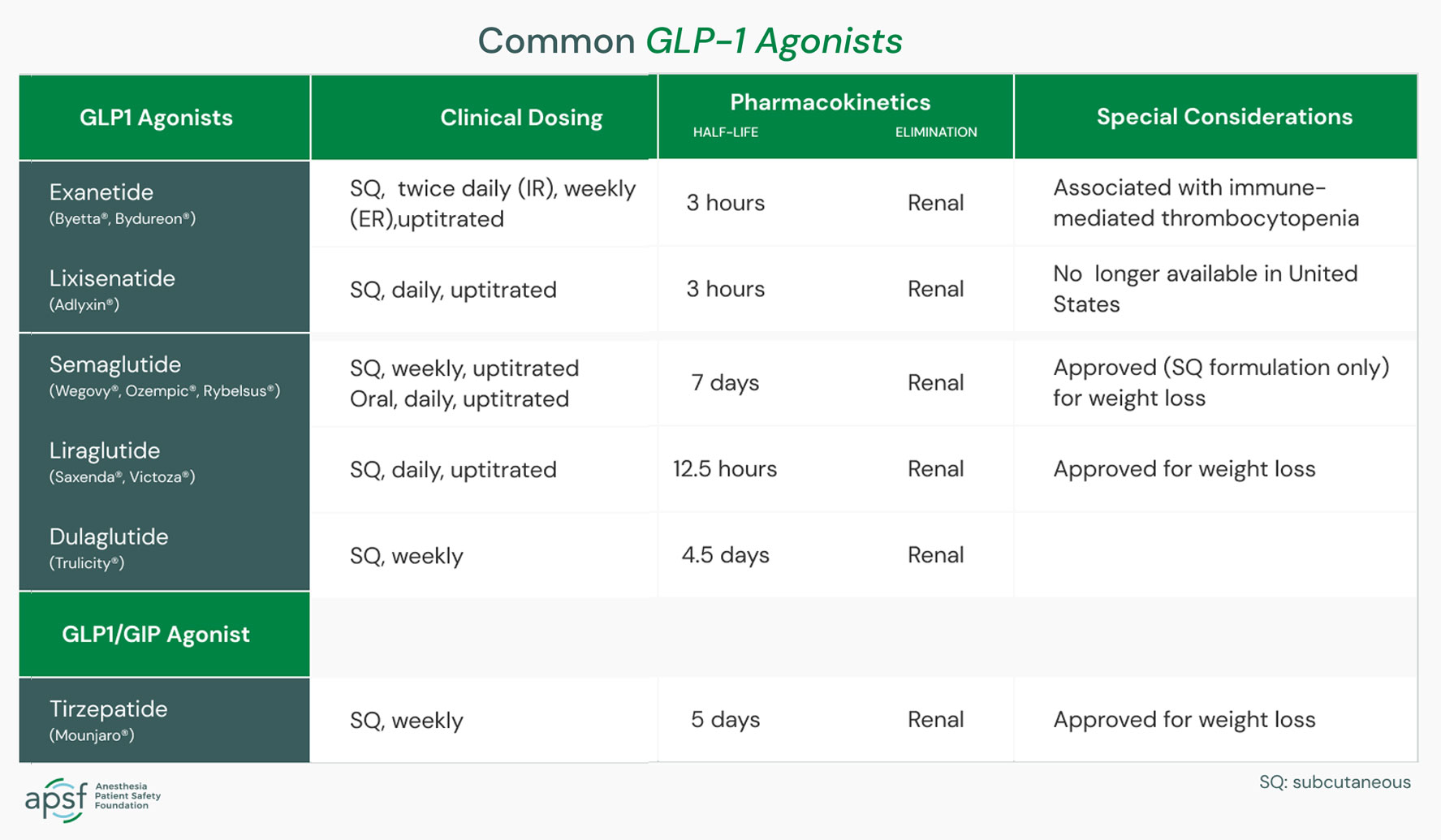
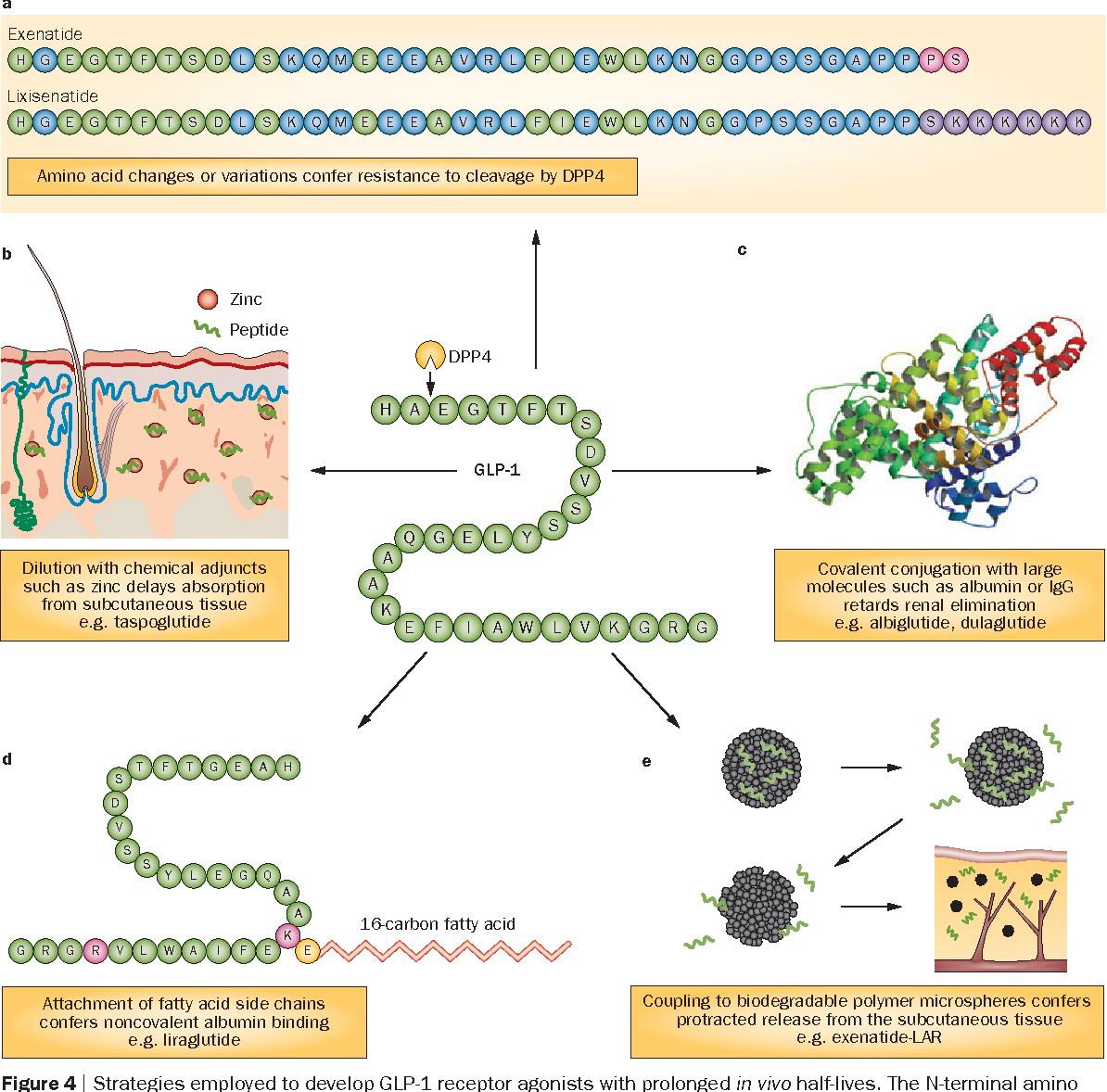
- GLP-1 agonist medications mimic the natural hormone, enhancing its effects on glucose-dependent insulin secretion, glucagon release, and delayed gastric emptying via vagal pathways.
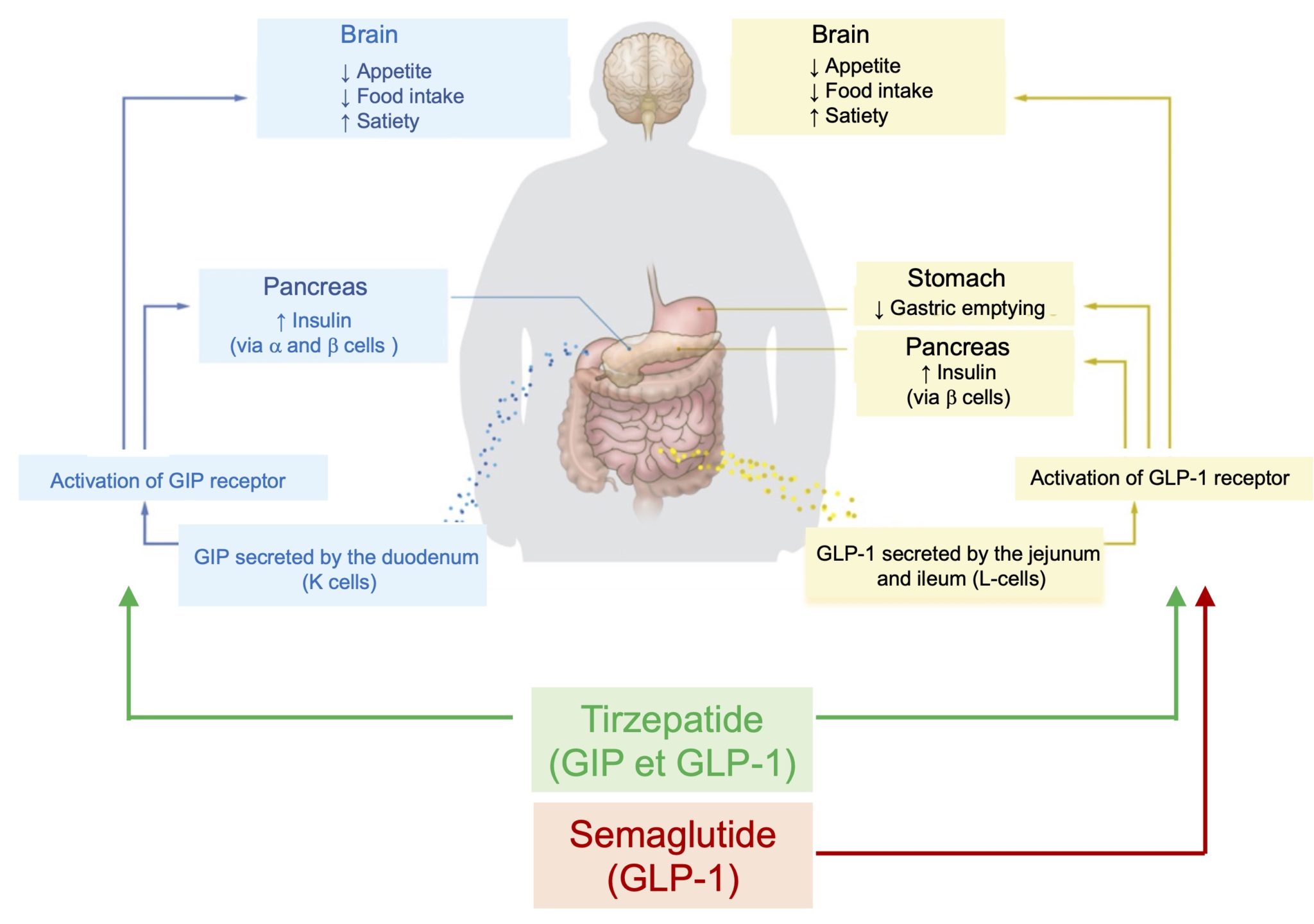
These medications interact with GLP-1 receptors in the gut, brain, and pancreas, regulating appetite and metabolism to promote weight loss and improve metabolic health.
The Science of Appetite Suppression
Appetite suppression is a critical aspect of GLP-1 agonist therapy, as it helps individuals reduce their caloric intake and achieve significant weight loss. The mechanisms behind appetite suppression involve the activation of brain regions responsible for reward, satiety, and hunger.