Calorie Needs for Individuals with Rare Genetic Disorders
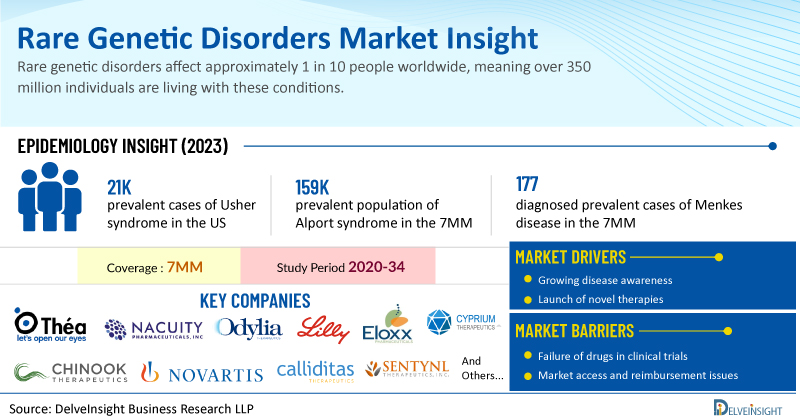
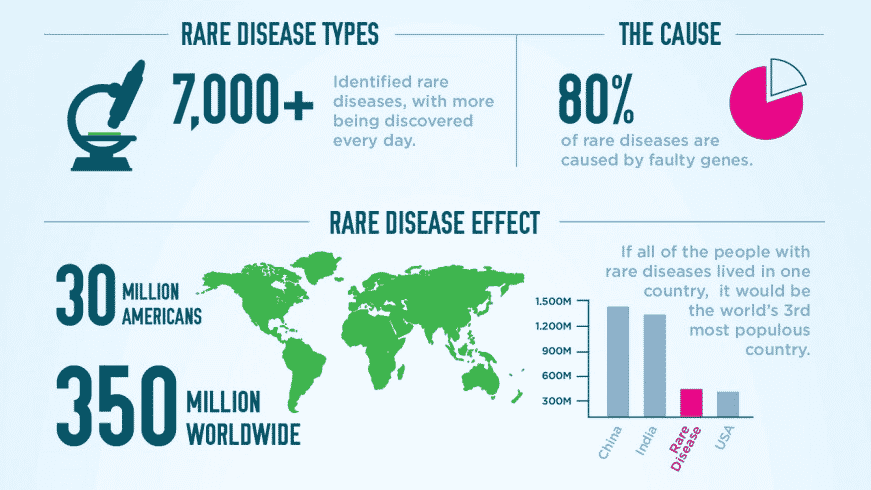
Individuals with rare genetic disorders often have unique metabolic needs that require tailored nutritional support. The key to managing these disorders is to understand the specific calorie and nutrient requirements of each individual. This article aims to provide insights into the calorie needs for individuals with rare genetic disorders and highlight the importance of personalized nutrition in managing these conditions.
Nutritional Requirements for Rare Genetic Disorders
Dietary management is crucial for individuals with rare genetic disorders. Each disorder has its unique nutritional requirements, and understanding the underlying genetic and biochemical mechanisms is essential to develop effective treatment plans. Key nutritional requirements include high-calorie intake, specific vitamin and mineral supplementation, and balanced macronutrient ratios.

Calorie Needs for Rare Genetic Disorders
- Phenylketonuria (PKU): Individuals with PKU require a low-protein diet, with a focus on essential amino acid (EAA) supplementation. The calorie needs for PKU individuals are typically higher than for the general population.
- Maple Syrup Urine Disease (MSUD): Individuals with MSUD require a strict dietary management plan, including high-calorie intake and specific amino acid supplementation. The goal is to reduce the production of toxic substances that accumulate in the body.
- Sickle Cell Disease (SCD): Individuals with SCD benefit from a balanced diet that includes a mix of carbohydrates, proteins, and healthy fats. A high-calorie diet may be necessary to combat the anemia associated with SCD.