The Ultimate Indoor Grow Light Guide
Indoor grow lights are a game-changer for anyone looking to cultivate plants indoors. With the right lighting, you can enjoy a lush and thriving indoor garden, even in the dead of winter. But with so many options on the market, it can be overwhelming to choose the best grow light for your needs.
Understanding the Basics
Before we dive into the world of grow lights, let's cover some basic concepts:

- Photosynthesis: This is the process by which plants convert light energy into chemical energy. Without adequate light, plants can't undergo photosynthesis, and growth will suffer.
- PAR (Photosynthetic Active Radiation): This measures the amount of light that is actually usable by plants. PAR is essential for photosynthesis, and it's measured in watts per square meter (W/m2).
- PPFD (Photosynthetic Photon Flux Density): This measures the number of photons that are available for photosynthesis. PPFD is typically measured in micromoles per second (μmol/s).
- Lumens: This measures the overall brightness of a light source. While lumens are important, they don't directly relate to plant growth.
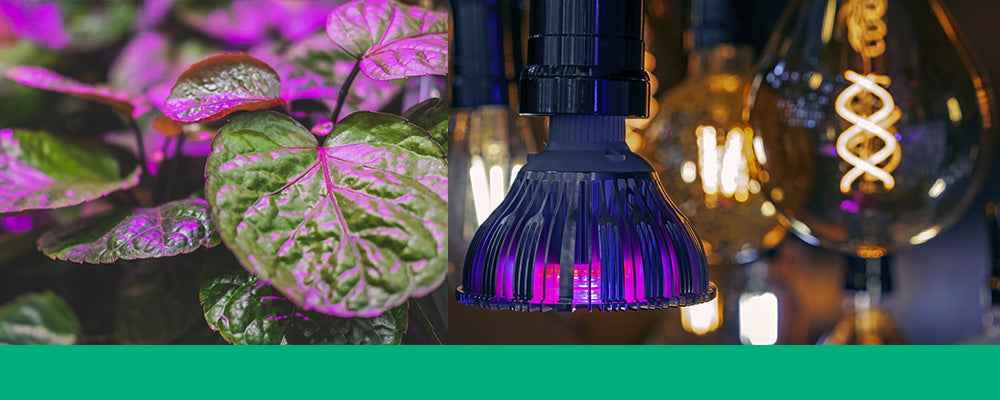
- Spectrum: This refers to the range of light wavelengths that a grow light emits. Plants respond to different wavelengths, and some grow lights are designed to mimic natural sunlight.