GLP-1 and Weight Loss Supplements: A Comprehensive Guide
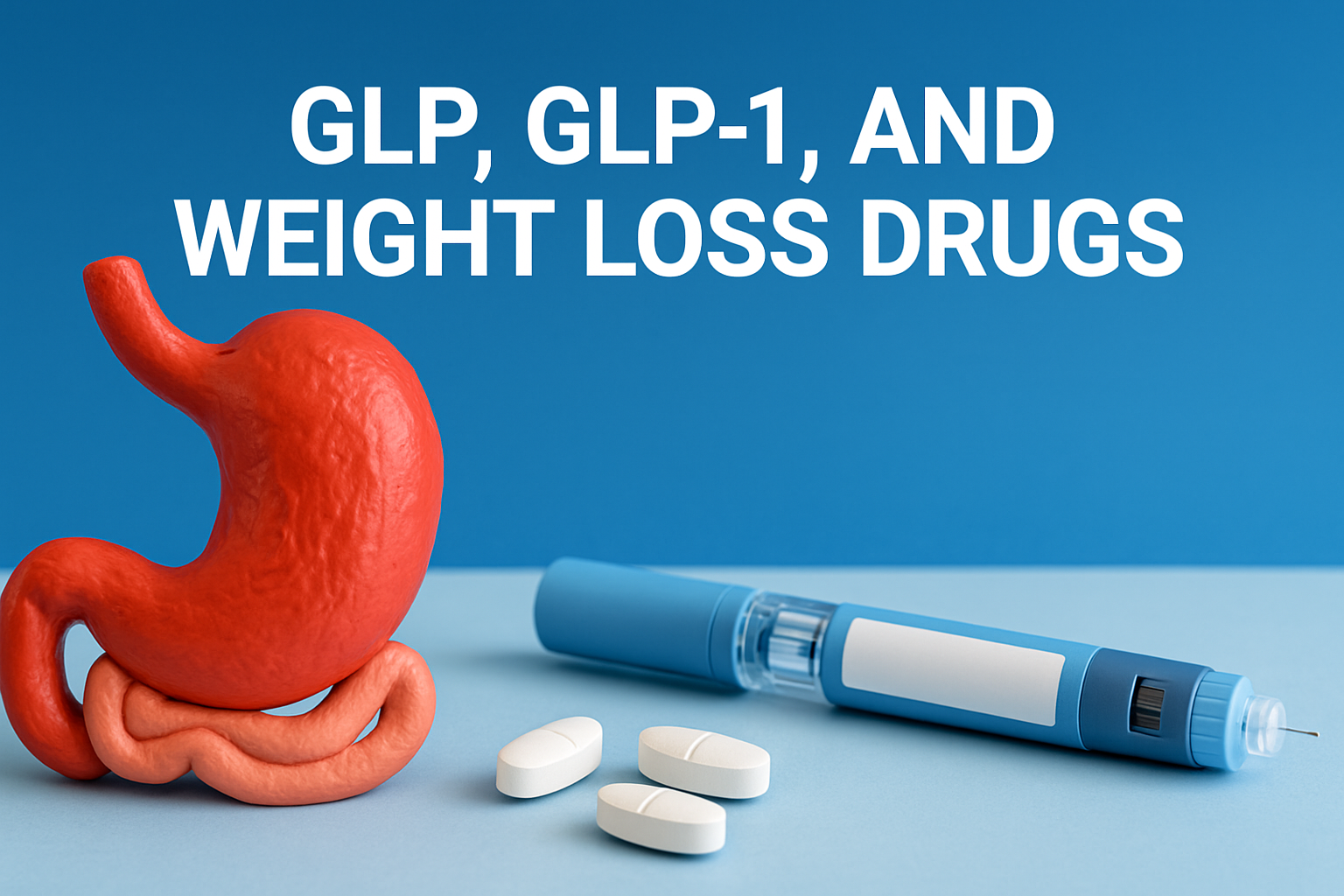
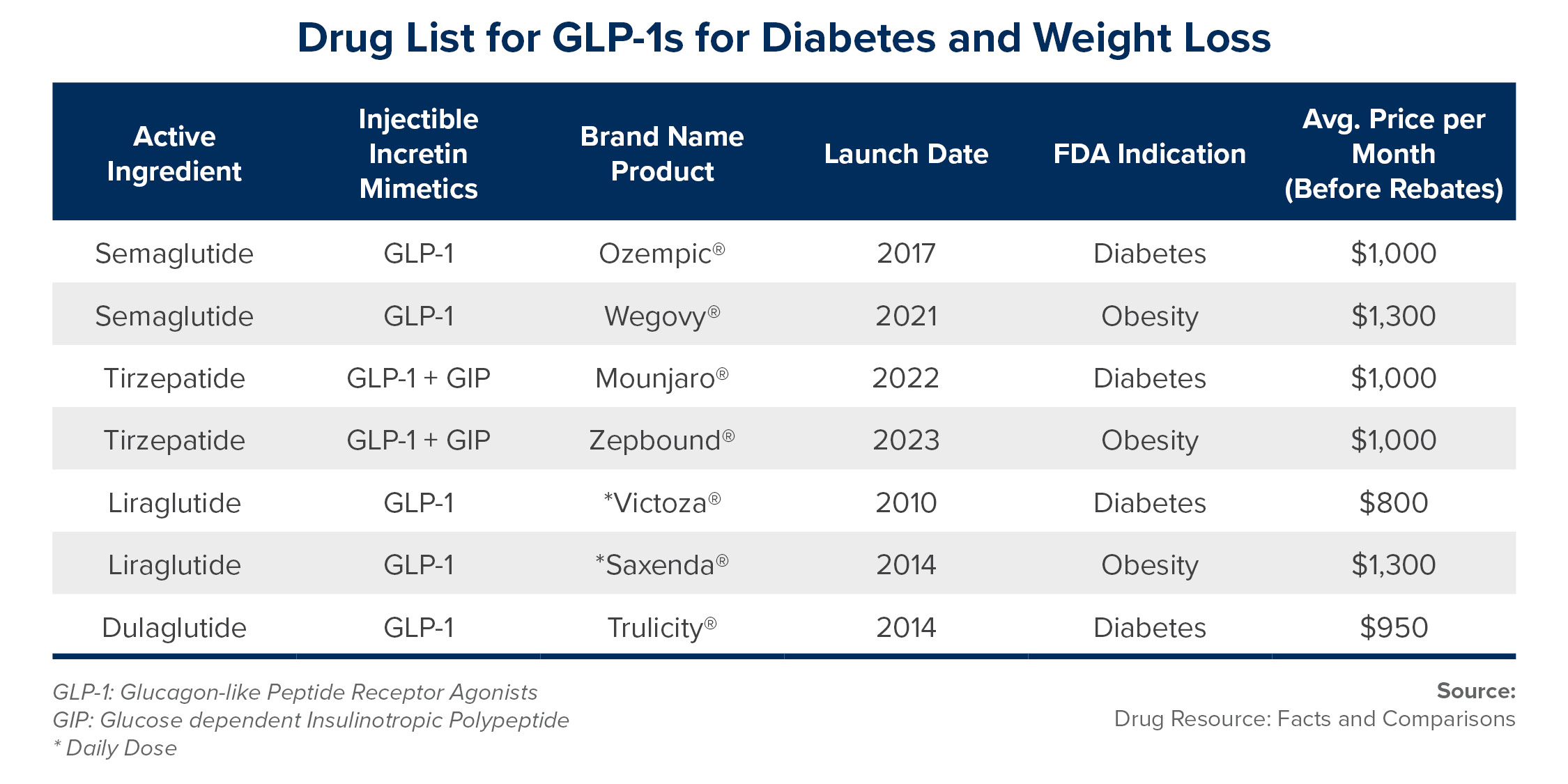
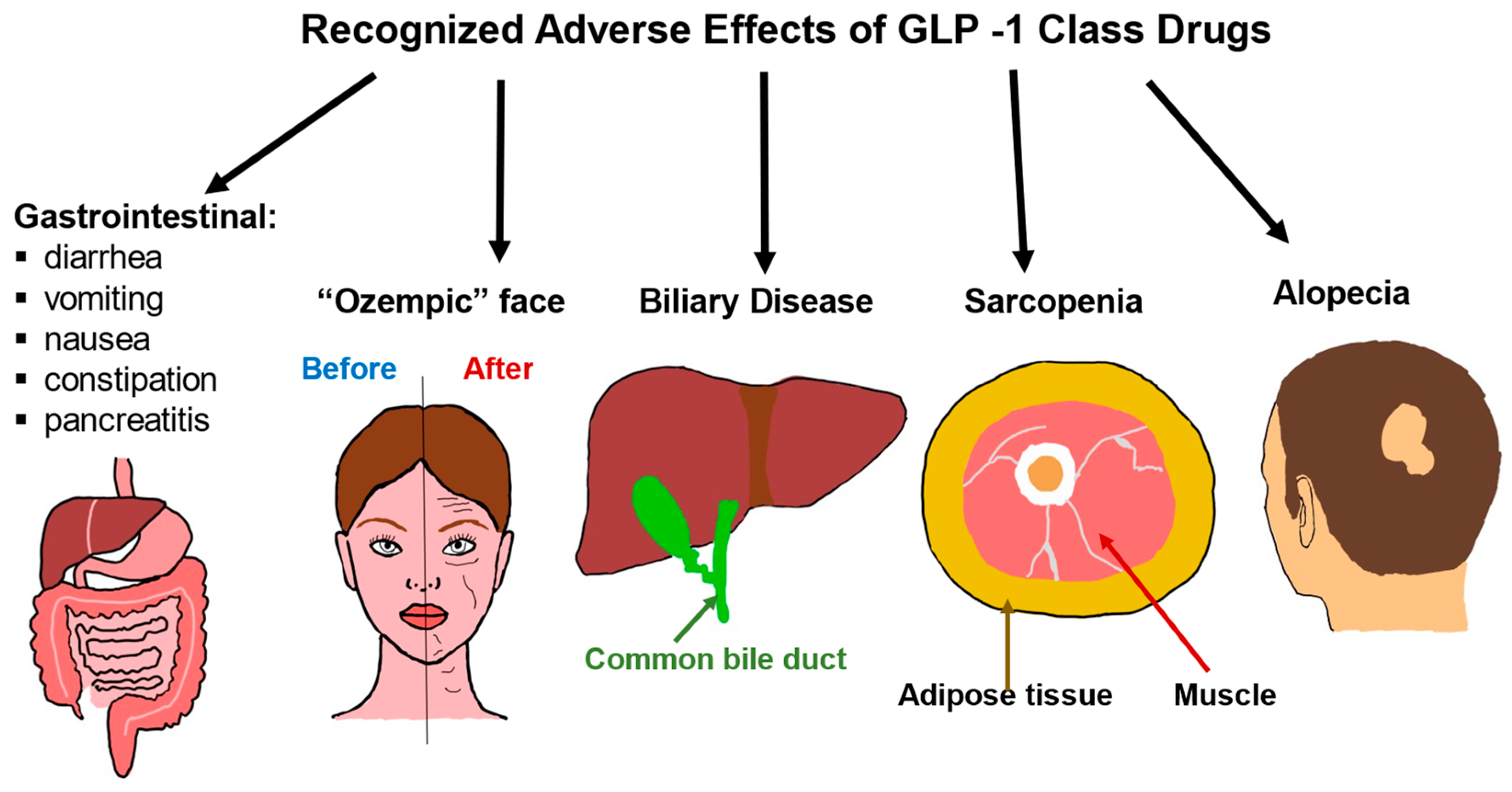
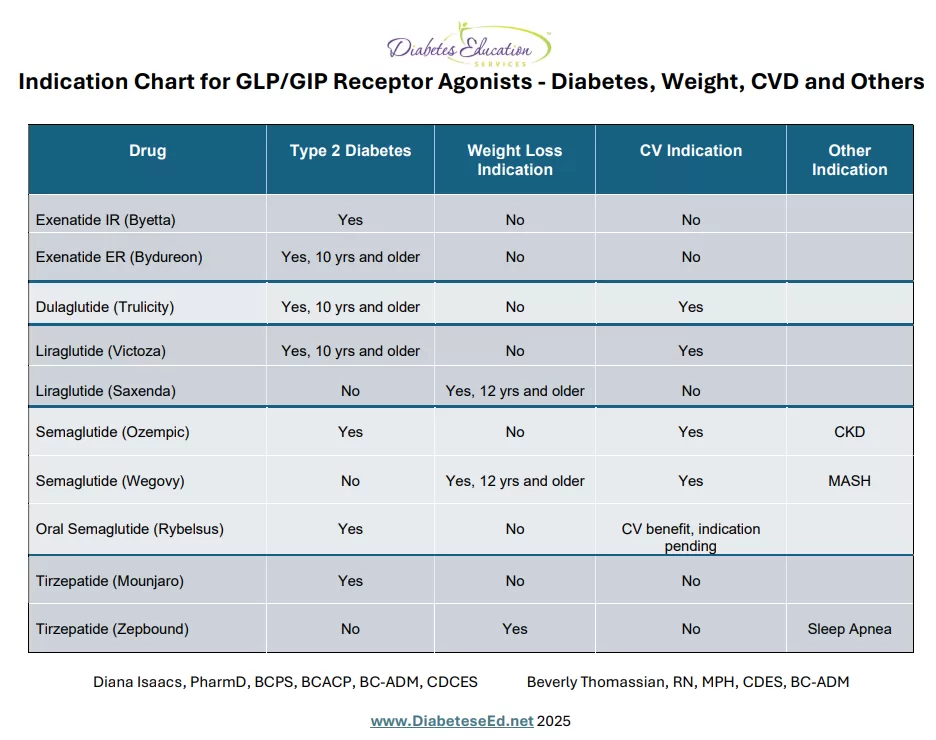
When it comes to managing weight, many people turn to a variety of solutions, including diet and exercise programs, weight loss surgery, and pharmaceuticals. Among these, GLP-1 receptor agonists, such as semaglutide (Ozempic) and liraglutide (Saxenda), have shown promising results in promoting weight loss. However, these medications can come with side effects like nausea, constipation, and nutrient deficiencies. In this article, we'll explore the world of GLP-1 and weight loss supplements, discussing their benefits, risks, and how they can support weight loss when used in conjunction with a healthy lifestyle.
The Science Behind GLP-1 and Weight Loss
GLP-1 receptor agonists work by mimicking the action of a naturally occurring hormone in the body called glucagon-like peptide-1 (GLP-1). GLP-1 helps regulate blood sugar levels, suppress appetite, and promote feelings of fullness. By binding to GLP-1 receptors in the body, these medications can help individuals lose weight by reducing hunger and increasing feelings of satiety.

GLP-1 Supplements: A Safer and More Affordable Alternative?
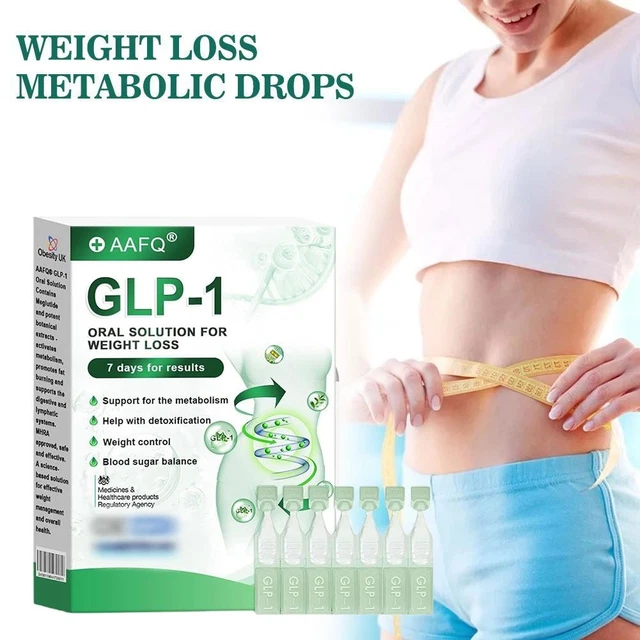
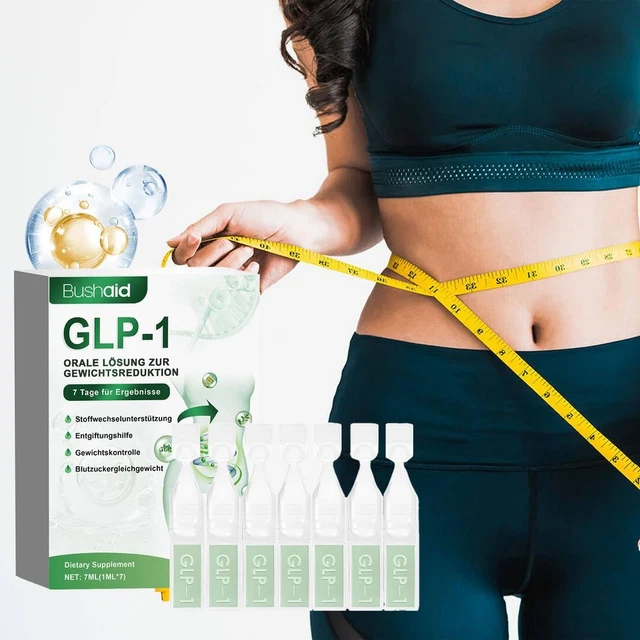
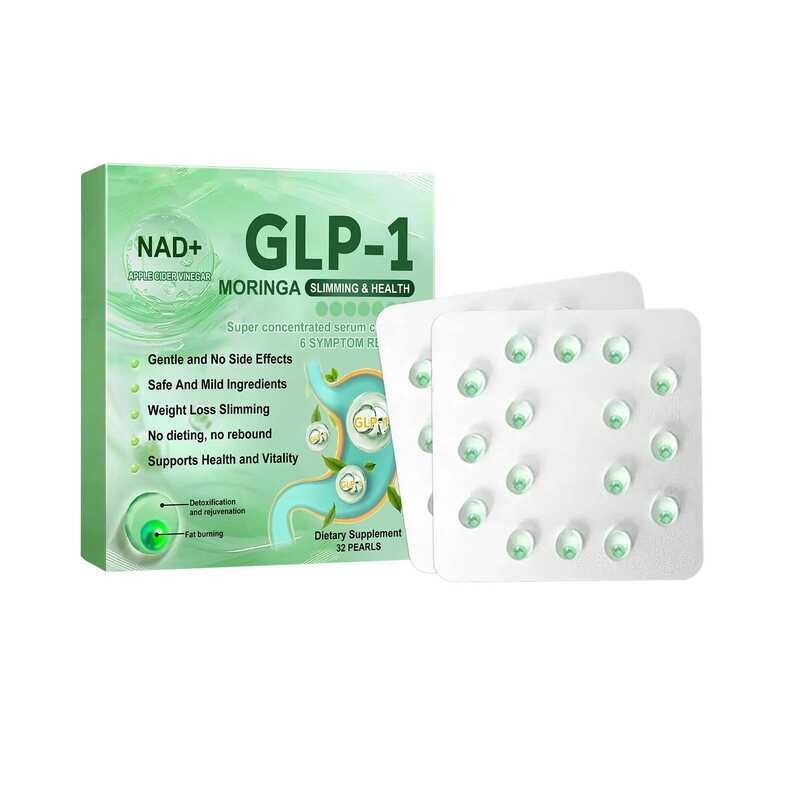
With the growing popularity of GLP-1 medications, the market has seen a surge in the development of GLP-1 supplements. These supplements aim to mimic the effects of GLP-1 receptor agonists without the potential side effects and high cost associated with prescription medications. While some supplements may work by boosting GLP-1 levels naturally through diet and lifestyle habits, others claim to activate GLP-1 receptors directly, similar to prescription medications.